In this article
What you’ll learn
- Soft washing is the safest standard for roofs and delicate siding.
- Exterior cleaning is a preventative maintenance tool, not just for aesthetics.
- New technologies like cleaning drones and AI sensors are revolutionizing property care in 2025.
Maintaining a home’s exterior has evolved from a simple weekend chore into a sophisticated discipline of property preservation. In this comprehensive outdoor cleaning guide, we explore how the intersection of sustainability, automation, and professional-grade techniques can transform your property's curb appeal while protecting your biggest investment. Whether you are dealing with the stubborn algae of a humid climate or the salt-spray of a coastal retreat, understanding the nuances of modern exterior cleaning is essential for any homeowner in 2025.
As property values continue to rise, the "clean home" standard has shifted. It is no longer just about removing visible dirt; it is about mitigating the biological growth that leads to structural decay. From the rise of bio-based enzymatic cleaners to the adoption of high-tech drone washing, the landscape of outside cleaning is more efficient and eco-conscious than ever before.
The State of the Exterior Cleaning Industry in 2025
The scale of the cleaning industry reflects a global shift toward professionalized home care. This growth isn't just in commercial sectors; residential homeowners are increasingly investing in professional-grade results.
This growth is driven by a heightened focus on hygiene and the realization that preventative cleaning can extend the life of building materials by decades. However, the most significant shift isn't just in how much we clean, but how we clean.
The Sustainability Revolution
Environmental impact is no longer an afterthought. Homeowners increasingly prioritize "green" or eco-friendly cleaning solutions. This shift has forced a move away from harsh, chlorine-heavy formulas toward biodegradable surfactants and "Safer Choice" certified chemicals that protect both the local ecosystem and the home's surrounding landscaping.
Safety and Automation
Safety remains the primary driver for technological innovation. Falls from heights are a leading cause of serious injury in the cleaning and construction trades, and drone-based cleaning has grown quickly as a result. The outdoor cleaning robot segment is expanding fast too, as homeowners look for autonomous solutions for window and patio maintenance.
Core Philosophies of Modern Outdoor Cleaning
To achieve professional results, one must move beyond the "blast everything with water" mentality. Modern exterior maintenance relies on two distinct methods: Pressure Washing and Soft Washing.
Pressure Washing vs. Soft Washing
Understanding the difference between these two is the most critical part of any outdoor cleaning guide.
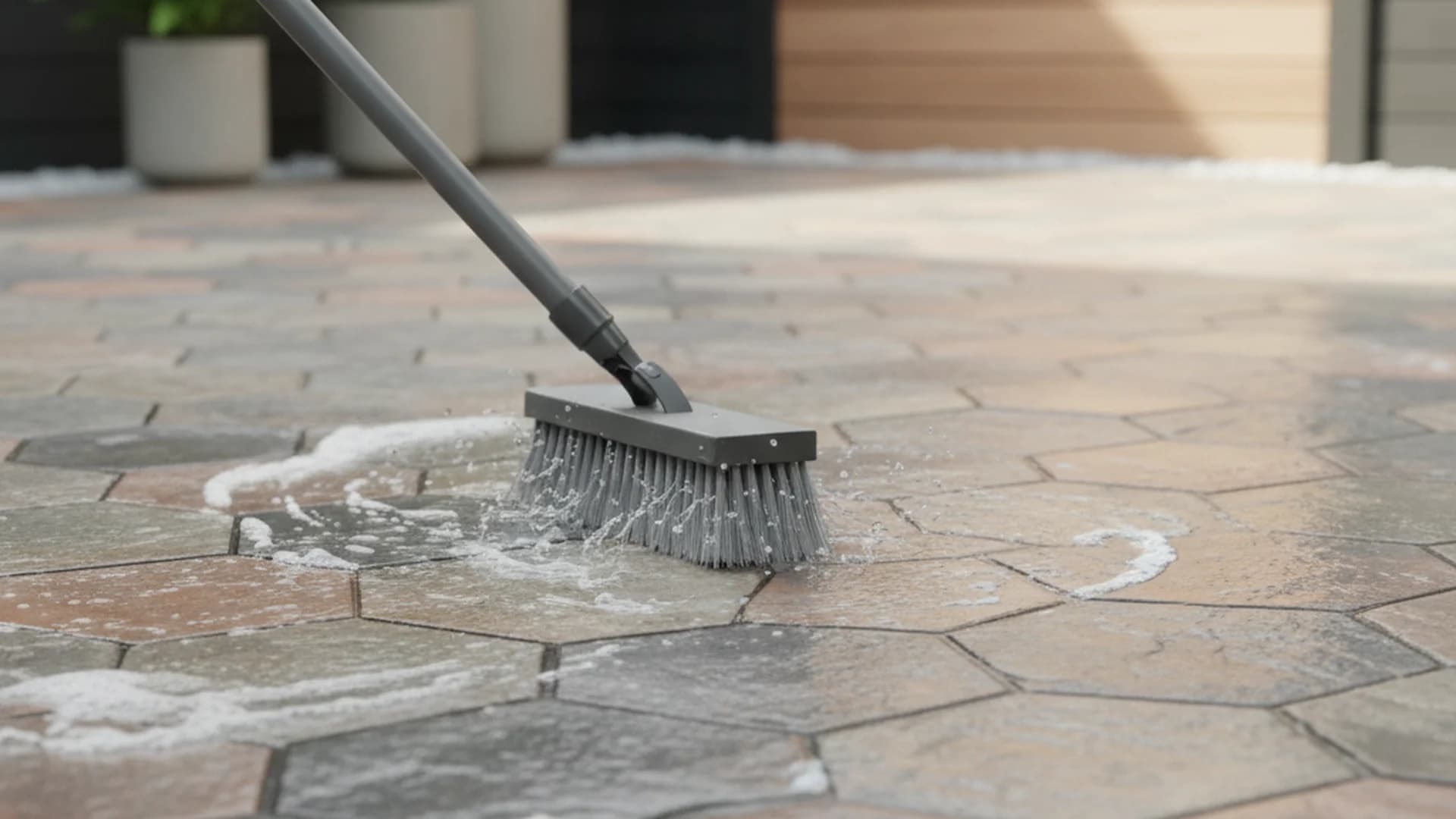
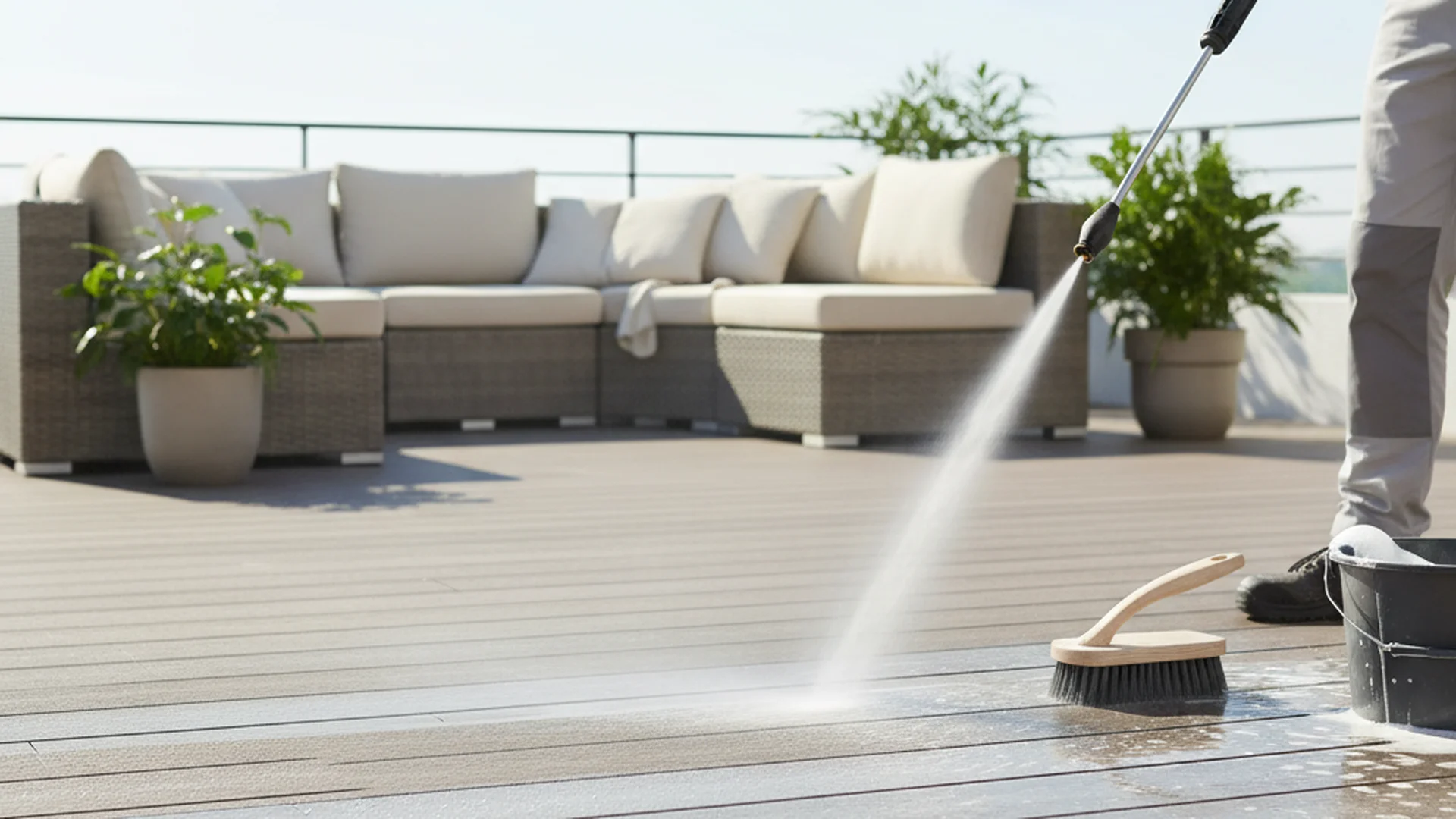
- Pressure Washing: Uses high-PSI (pounds per square inch) mechanical pressure to strip away dirt. It is best suited for hard, non-porous surfaces like concrete driveways, brick walkways, and stone patios.
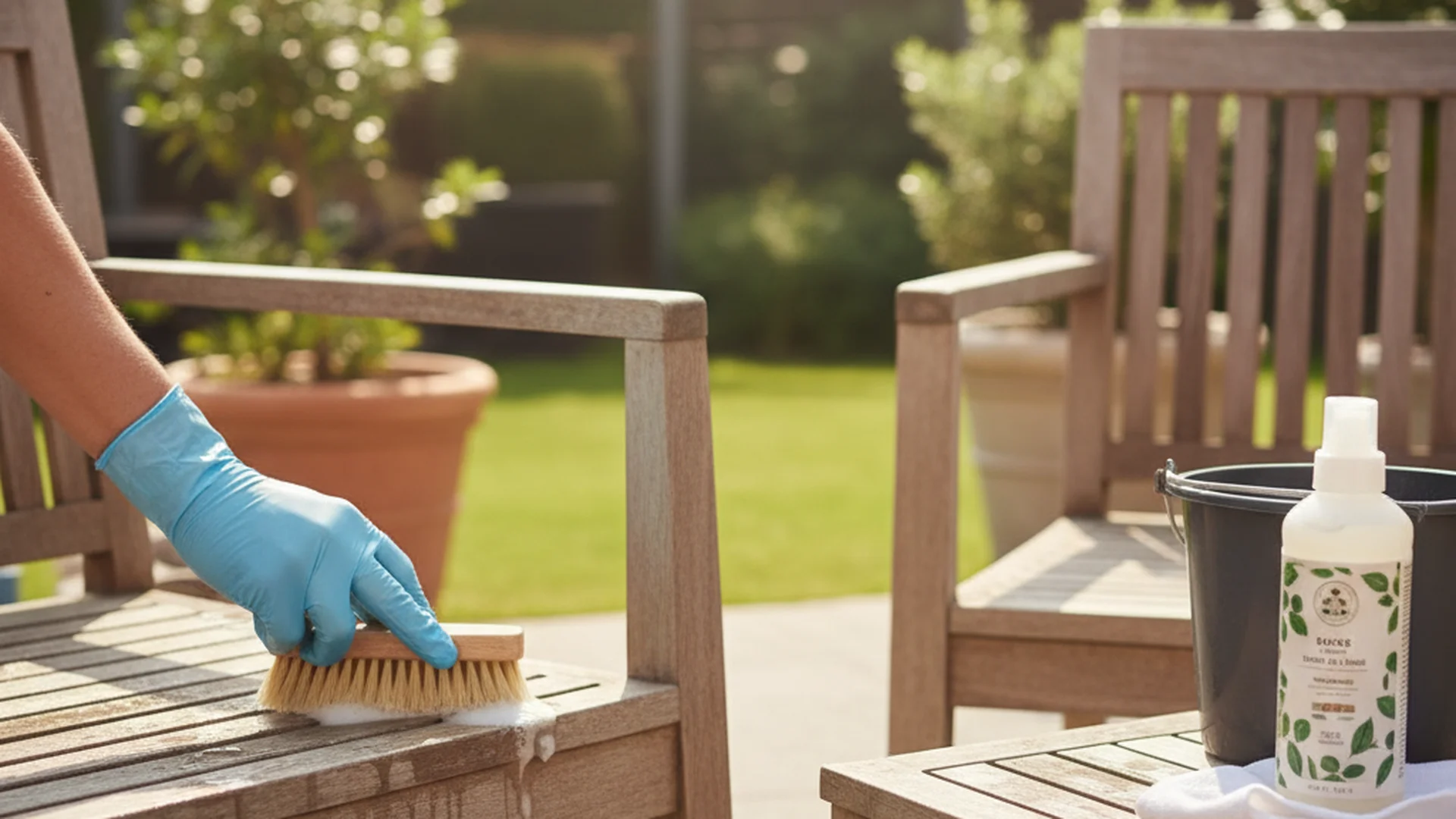
- Soft Washing: Uses a high-volume, low-pressure system (usually under 100 PSI) combined with specialized cleaning solutions. This is the industry standard for roofs, vinyl siding, and wood decks, where high pressure could cause catastrophic damage.
Warning: Using a high-pressure washer on asphalt shingles can strip away protective granules, effectively "aging" your roof by 10 years in a single afternoon and voiding most manufacturer warranties.
The Top-Down Approach
Always follow the "Top-Down" rule. Gravity is your greatest ally or your worst enemy in exterior cleaning. By starting at the highest point—the gutters and roof—and working down toward the foundation, you ensure that dirty runoff doesn't soil areas you have already cleaned.
| Surface Type | Recommended Method | Frequency |
|---|---|---|
| Roof | Soft Wash | Every 2-3 Years |
| Vinyl Siding | Soft Wash | Annually |
| Concrete | Pressure Wash | Annually |
| Wood Deck | Soft Wash/Seal | Bi-Annually |
| Windows | Purified Water-Fed | Quarterly |
Surface-Specific Maintenance Protocols
Roof and Gutter Care
The roof is the most vulnerable part of your home’s exterior. In 2025, the standard for roof care is the elimination of Gloeocapsa magma—the hardy bacteria responsible for those unsightly black streaks.
Tip: If you see black streaks on your roof, they aren't just dirt; they are living organisms eating the limestone filler in your shingles. Soft washing is the only way to kill the root system of these organisms safely.
Siding and Walls
Whether your home is clad in vinyl, fiber cement (James Hardie), or brick, the goal is to remove oxidation and organic growth without forcing water behind the weep holes.
Example: The North-Facing Wall Case In the Northern Hemisphere, north-facing walls receive the least sunlight, making them breeding grounds for green algae. A homeowner in Seattle or London might notice green fuzzy moss on only one side of their home. A simple soft wash with an enzyme-based cleaner will not only remove the green but leave a residual barrier that prevents regrowth for up to 12 months.
Concrete and Hardscapes
Concrete is porous, meaning it acts like a sponge for oils, salts, and organic spores.
Note: When cleaning concrete, avoid using a standard spray wand for large areas. This often results in "zebra stripes"—uneven clean lines. Instead, use a circular surface cleaner attachment, which provides a uniform clean and protects the cream coat of the concrete.
Emerging Trends: 2025 and 2026
The next two years will see a radical transformation in how we manage outside cleaning through technology.
AI-Driven Predictive Maintenance
High-end properties are now utilizing IoT (Internet of Things) sensors to monitor "biofilm" growth. These sensors detect the microscopic accumulation of bacteria before it becomes visible to the human eye, alerting property managers to schedule a cleaning exactly when needed—saving water and reducing chemical use.
Cleaning Drones
For multi-story residential buildings, drones are the new gold standard. Equipped with low-pressure nozzles, these drones can clean a three-story home in a fraction of the time it takes to set up scaffolding or ladders. This technology significantly reduces insurance premiums and eliminates the risk of technicians falling.
Photocatalytic Self-Cleaning Coatings
One of the most exciting trends for 2026 is the rise of titanium dioxide-based coatings. When applied to a clean surface, these coatings react with UV light to break down organic matter on a molecular level. Rain then simply washes the decomposed dirt away, potentially reducing the need for manual washing by 50%.
Seasonal Scheduling for Maximum Efficiency
Exterior cleaning shouldn't be a random act; it should be synchronized with the seasons to ensure maximum protection.
Spring: The Great Refresh
- Gutter Clearing: Remove the winter's debris to prevent spring rain overflows.
- Salt Removal: In colder climates, salt and brine used on roads can corrode walkways and foundations. A thorough rinse is essential.
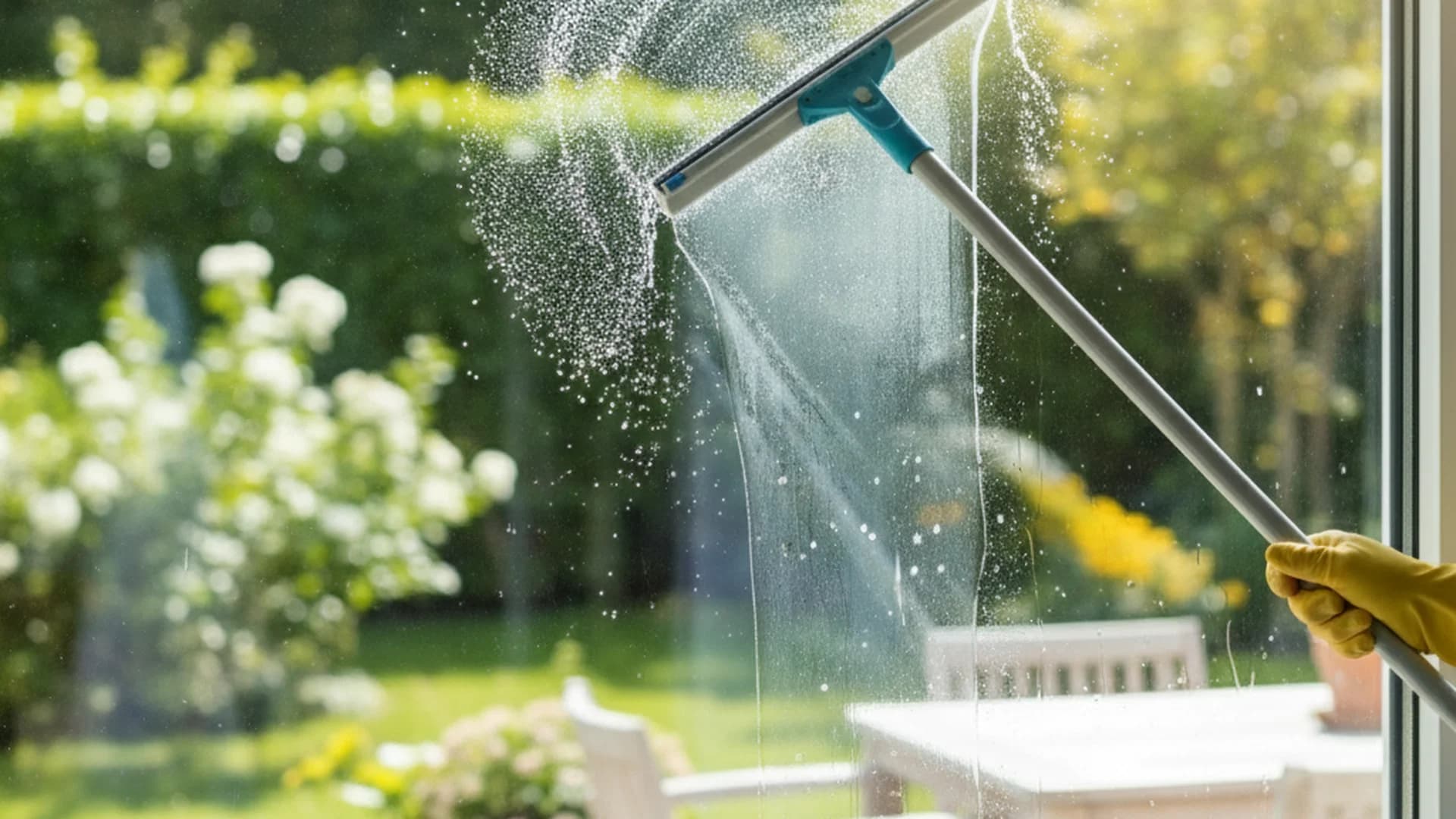
- Window Cleaning: Use a water-fed pole system with purified water for a streak-free finish that lasts longer than traditional soap-and-squeegee methods.
Autumn: The Protective Seal
- Leaf Management: Decaying leaves can tan concrete and wood, leaving permanent stains.
- Surface Sealing: Autumn is the ideal time to apply sealants to decks and driveways. This prevents water from entering pores, which would otherwise expand and crack during the winter's freeze-thaw cycles.
Success: A consistent seasonal cleaning schedule keeps exterior materials in pristine condition, which pays you back at resale time.
Common Mistakes to Avoid
Even with the best intentions, DIY exterior cleaning can lead to costly repairs. Here are the most frequent pitfalls to avoid:
- Cleaning in Direct Sunlight: Applying cleaning solutions on a hot, 90-degree day causes the chemicals to "flash-dry." This leaves behind white surfactant streaks that are often more difficult to remove than the original dirt. Always aim for overcast days or work in the shade.
- Ignoring the "Pre-Wet" Step: Many homeowners apply cleaners directly to dry plants or dry siding. Always pre-soak your grass, shrubs, and flowers with plain water. This saturates the plant’s "thirst," so it won't absorb the cleaning chemicals used on the walls.
- The "More Pressure is Better" Myth: High pressure can force water into window seals or behind siding, leading to hidden mold growth inside your walls that you won't discover until it’s a multi-thousand-dollar problem.
- Standing on Ladders with a Pressure Washer: The "kickback" from a pressure washer wand is enough to knock an adult off a ladder. Always use telescoping extension poles or call a professional for high-reach areas.
Frequently Asked Questions
How often should I clean my home’s exterior?
What is the difference between pressure washing and soft washing?
Can I pressure wash my own roof?
Is exterior cleaning just for looks?
Are the cleaning chemicals safe for my pets and plants?
Conclusion
The evolution of outdoor cleaning in 2025 represents a move toward smarter, safer, and more sustainable home maintenance. By embracing the "soft wash" philosophy and staying ahead of technological trends like self-cleaning coatings and robotic assistance, you can ensure your home remains both beautiful and structurally sound.
Remember, the goal of an outdoor cleaning guide is not just to help you clean, but to help you maintain. A home that is cared for with the right techniques and a consistent schedule will stand the test of time, weather, and market fluctuations.
Success: By implementing these professional-grade protocols, you are not just washing a house; you are protecting your legacy and ensuring a healthy environment for your family.
Cleaning that keeps score
Every task earns points, every streak multiplies them, and Premium adds a household leaderboard plus a monthly Dustagorgon to beat.
- Free forever
- 30 badges to earn
- Up to 6 in a household
No card needed. Set up your rooms in a couple of minutes.