In this article
What you’ll learn
- Soft washing is the new standard for delicate surfaces like wood and stucco.
- Proper technique involves soaping from the bottom up and rinsing from the top down.
- Regular maintenance protects your siding and lifts your home's value.
Maintaining your home’s exterior is about more than just aesthetics; it is a critical component of property preservation. When you begin pressure washing house surfaces, you aren’t just removing dirt—you are protecting your investment from the long-term damage of mold, algae, and oxidation. With the 2025 market seeing a massive surge in residential maintenance demand, homeowners are increasingly looking for professional-grade results through DIY methods. This guide will walk you through the most effective, safe, and modern techniques to ensure your home looks its absolute best.
Why Exterior Cleaning is Essential in 2025
Curb appeal is one of the most significant factors in property valuation, and a professional-quality wash can add meaningfully to a home’s sale price. That is largely because buyers see the exterior of a home before they ever consider the interior. If the siding is covered in green algae or road grime, the perceived value of the home plummets.
Beyond the financial gains, regular cleaning extends the service life of your siding and paint by 30% to 50%. By removing organic growth early, you prevent premature rot and the breakdown of protective coatings. While the national average for a professional house wash currently ranges from $212 to $448, learning the best way pressure washing house techniques yourself can save you hundreds annually.
The Shift to Soft Washing
As we move into 2026, the industry has largely moved away from "high-pressure blasting." The modern gold standard is Soft Washing. This method prioritizes high-flow water (GPM) and specialized detergents over raw pressure (PSI).
Soft washing uses low pressure—typically under 1,000 PSI—combined with biodegradable surfactants to kill organic growth at the root rather than just shearing off the top layer. This is particularly important for modern building materials like fiber cement and synthetic stucco, which can be easily damaged by traditional high-pressure units.
Tip: If you can’t hold your hand in the stream of water comfortably (at a distance), the pressure is likely too high for your siding.
Choosing the Right Equipment and PSI
Not all surfaces are created equal. Using the wrong PSI can lead to "etching" on wood or cracking on vinyl. Here is the recommended PSI breakdown for 2025:
| Material | Recommended PSI | Technique |
|---|---|---|
| Vinyl Siding | 1,300–1,600 | General Pressure |
| Brick & Masonry | 1,500–2,000 | Avoid Mortar Joints |
| Wood Siding | 500–1,200 | Soft Wash Only |
| Stucco / Dryvit | 500–1,000 | Soft Wash Only |
| Concrete Driveways | 2,500–3,000 | High Pressure |
Smart Technology and Portability
The 2025-2026 season has introduced Smart Pressure Washers. These IoT-enabled pumps connect to smartphone apps to help you monitor water usage and ensure you aren't exceeding safe pressure limits for specific materials. Additionally, high-voltage battery-powered units (60V+) have finally reached performance parity with electric units, making them the preferred choice for "spot washing" or cleaning areas far from an outlet.
Note: GPM (Gallons Per Minute) is often more important than PSI. A higher GPM allows you to rinse away dirt and soap much faster, reducing the time spent on the ladder.
Step-by-Step Guide to Pressure Washing Your House
To achieve professional results, you must follow a systematic approach. One of the most important pressure washing house tips is the direction of your spray.
Step 1: Preparation and Safety
Before starting the machine, you must prep the area. Cover all outdoor electrical outlets with plastic and tape. Move patio furniture away and close all windows tightly.
Warning: Never spray water directly into exterior vents or light fixtures. Even "weatherproof" items can fail under concentrated pressure.
Step 2: The Pre-Wet
Pre-wet the siding and all surrounding landscaping. This prevents the detergent from drying too quickly on the surface, which causes streaking. It also dilutes any runoff that hits your plants, protecting your garden from chemical burns.
Step 3: Detergent Application (Bottom-Up)
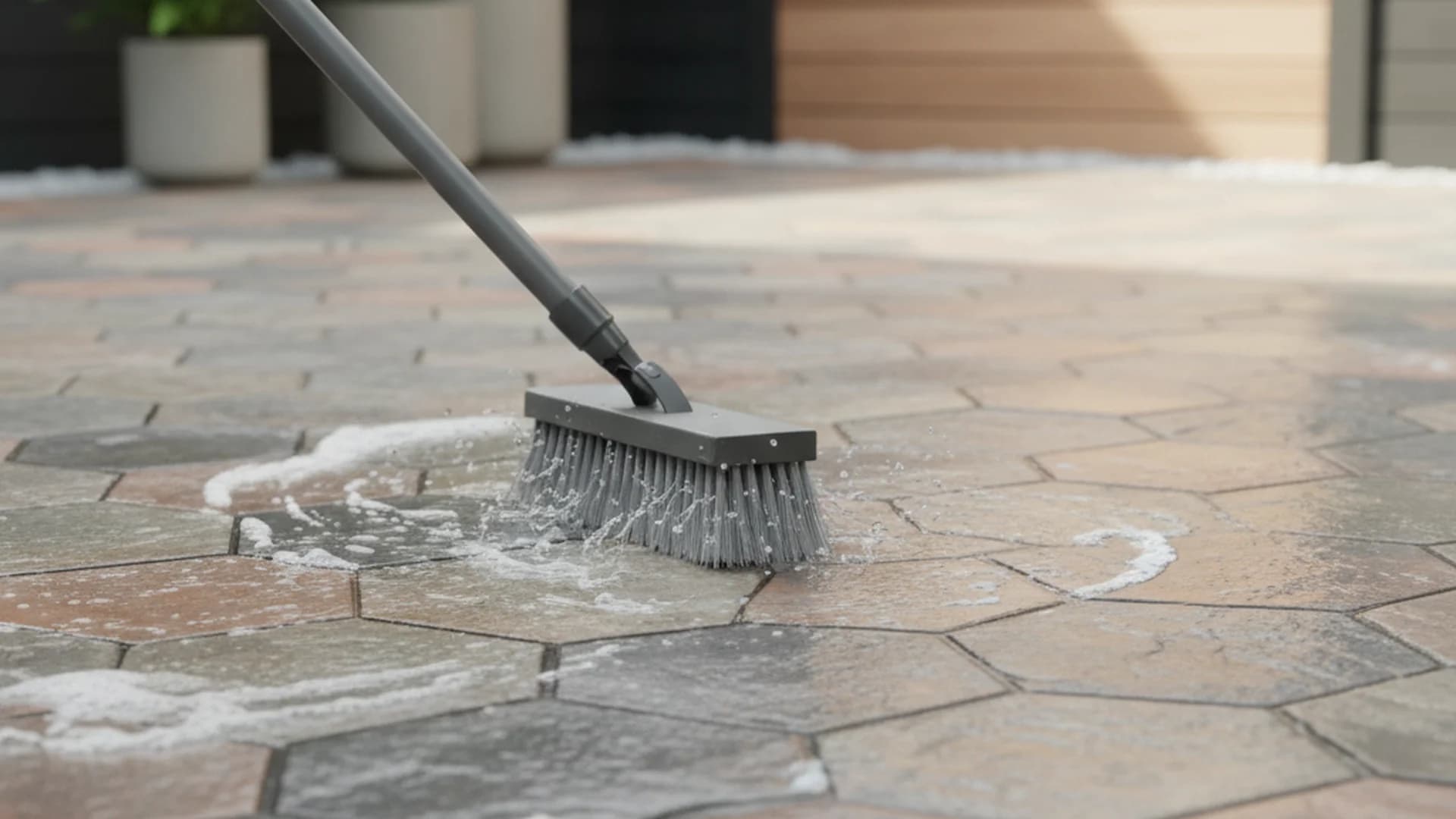
Apply your soap or surfactant starting from the bottom and working your way up. This prevents "clean streaks" from forming where the soap would otherwise run down dry, dirty siding. Use a dedicated "soap nozzle" (usually black) to ensure the chemical is pulled into the stream.
Step 4: Dwell Time
Allow the detergent to sit for 5–10 minutes, but do not let it dry. If you see it starting to dry, mist it lightly with water. This "dwell time" is when the chemicals break down the bond between the grime and your home.
Step 5: The Rinse (Top-Down)
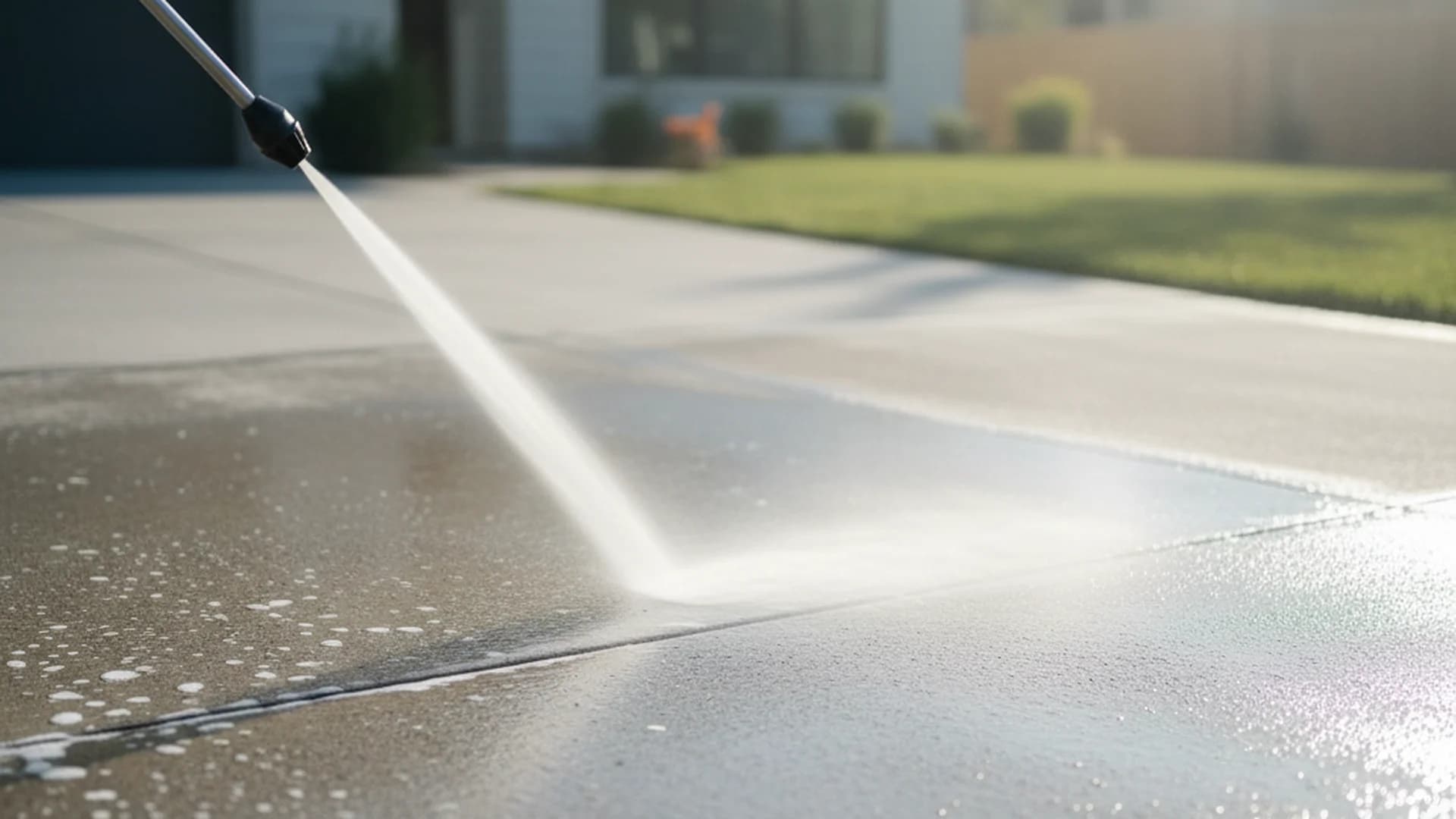
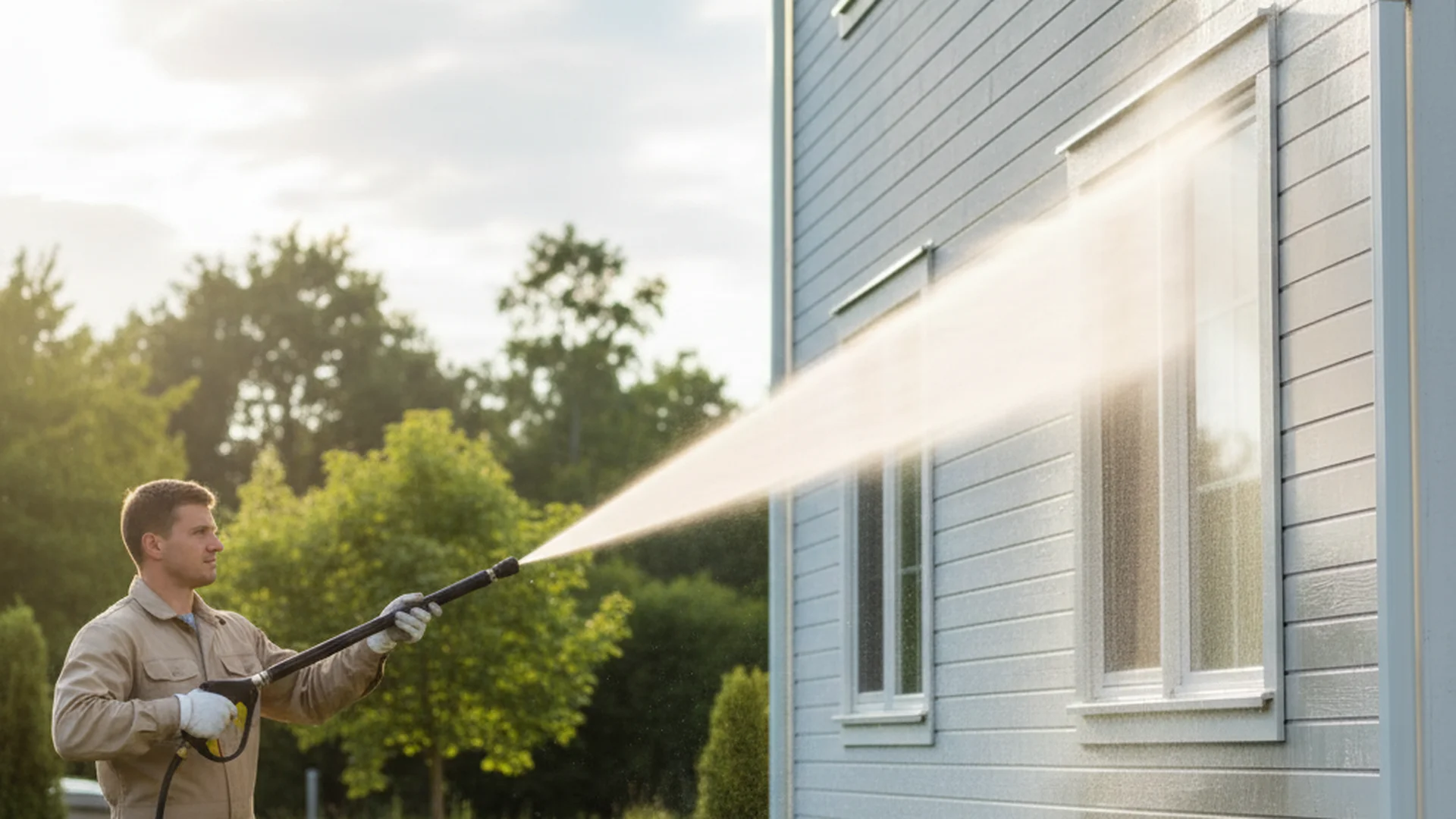
Switch to a 40-degree (white) or 25-degree (green) nozzle. Rinse from the top down. This ensures that all the dirty suds flow downward onto already-cleaned surfaces and off the house.
Success: Using the top-down rinsing method ensures you don't leave any soapy residue that could attract new dirt within weeks of cleaning.
Real-World Examples
Example 1: The Humid Climate "Green Wall"
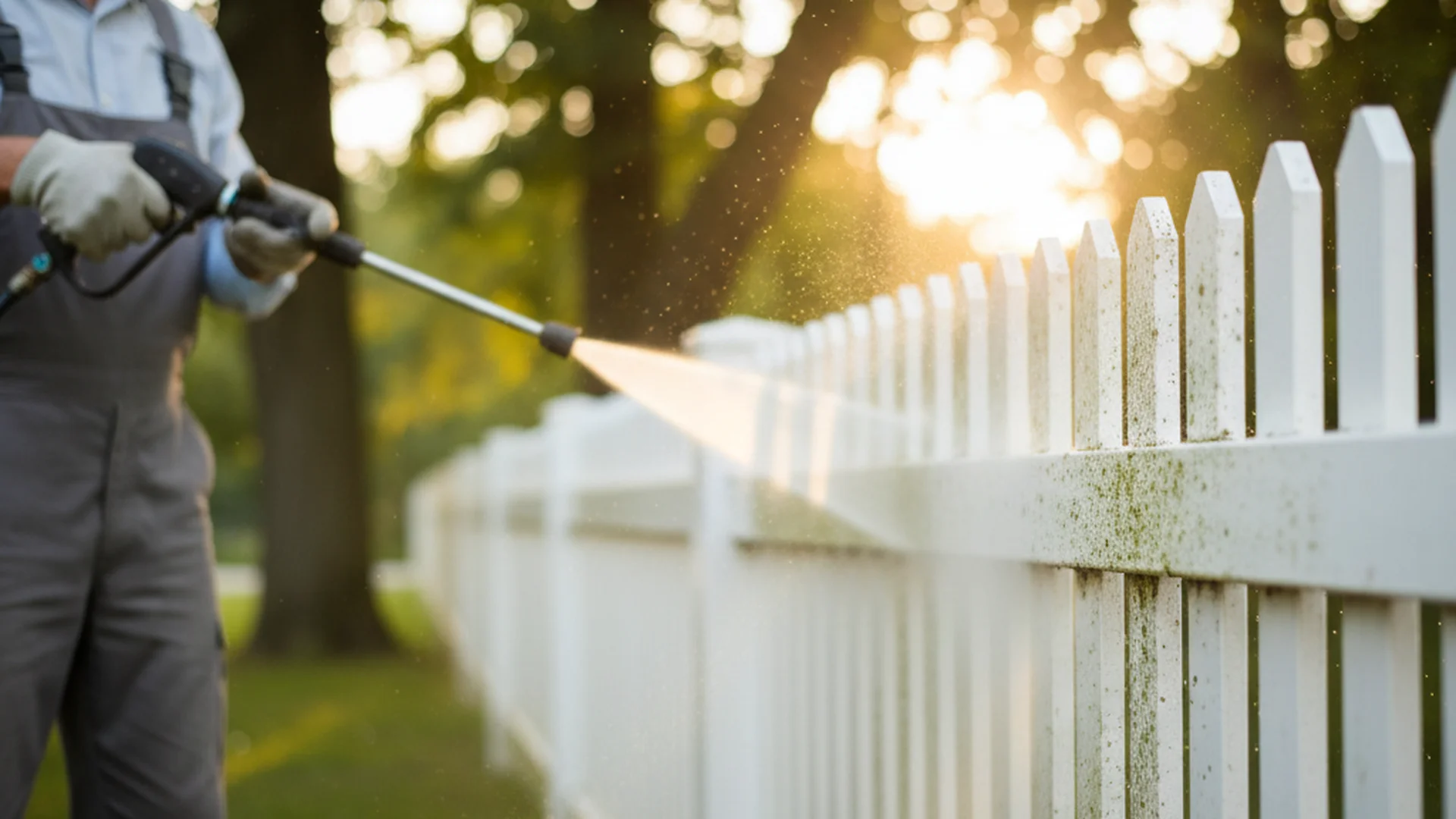
A homeowner in Georgia noticed a thick layer of green algae on the north side of their vinyl-sided home. Instead of using high pressure, which could force water behind the panels, they used a "Soft Wash" approach with a bleach-based surfactant. By letting the soap dwell for 8 minutes, the algae literally melted away, requiring only a low-pressure rinse to finish the job.
Example 2: The Suburban Road Grime
A house located near a busy intersection in Chicago suffered from "road film"—a greasy layer of soot and oil. Standard water wasn't enough. The owner used a heated power washer (Power Washing) specifically on the brick foundation and a heavy-duty degreaser on the siding, which successfully emulsified the oils that cold water would have simply pushed around.
Example 3: The Historic Wood Frame
Cleaning a 1920s wood-sided home requires extreme care. The owner used a 500 PSI setting with a wide-angle nozzle to avoid "fuzzing" the wood fibers. By sticking to a low-pressure chemical clean, they preserved the integrity of the antique wood while removing decades of grey oxidation.
Common Mistakes to Avoid
- The "Upward Spray": This is the most dangerous DIY mistake. Spraying upward into siding channels forces water behind the panels. This leads to trapped moisture, internal wall mold, and structural rot that you won't see until it’s too late. Always spray level or slightly downward.
- The Red Nozzle Trap: The 0-degree (red) nozzle is a laser beam. It is designed for removing rust from metal or cleaning heavy equipment. Using it on house siding will almost certainly result in holes, gouges, or permanent scarring.
- Skipping the Pre-Wet: Applying soap to dry, hot siding causes "chemical etching." Always ensure the surface is cool and damp before applying cleaning solutions.
- Neglecting Personal Safety: Pressure washers can kick back, and the high-pressure stream can cause "injection injuries" to skin. Always wear safety goggles and closed-toe shoes.
Frequently Asked Questions
How often should I pressure wash my house?
Is pressure washing safe for all siding?
What is the difference between power washing and pressure washing?
Can I use bleach on my house siding?
Conclusion
Pressure washing your home is one of the most cost-effective ways to maintain its value and structural integrity. By embracing the 2025 shift toward soft washing and utilizing modern "green" surfactants, you can achieve a professional-grade finish without the risk of damaging your siding. Remember to work in sections, always spray downward, and prioritize GPM over raw pressure for the safest and most efficient clean.
Success: A clean home exterior doesn't just look better—it lasts longer and sells for more.
Cleaning that keeps score
Every task earns points, every streak multiplies them, and Premium adds a household leaderboard plus a monthly Dustagorgon to beat.
- Free forever
- 30 badges to earn
- Up to 6 in a household
No card needed. Set up your rooms in a couple of minutes.