In this article
What you’ll learn
- Deep clean your shed twice a year to protect and boost your property value.
- Avoid pressure washers on wood; use low-pressure or oxygen-based cleaners instead.
- Implement vertical storage and smart humidity sensors to prevent mold and pests.
Learning how to clean shed spaces is no longer just a neglected weekend chore relegated to the bottom of your spring-cleaning list. In 2026, the humble backyard shed has evolved into a high-value asset, often serving as a "shed-quarters" (home office), fitness studio, or sophisticated hobby room.
Whether you are looking for the best way how to clean shed interiors or seeking how to clean shed tips for exterior maintenance, this comprehensive guide provides a professional-grade workflow to get the job done efficiently.
Why Shed Maintenance Matters in 2026
A well-maintained shed does more than just look good; it actively contributes to your financial portfolio. A high-quality, clean shed can nudge a home’s resale value upward, and for those who have converted their sheds into finished living spaces, that boost can be substantial.
Buyers care a great deal about extra storage, so a dirty, mold-infested shed can be a major deal-breaker. Regular cleaning prevents structural decay, particularly in metal sheds, which require specific rust-prevention protocols to exceed their 15-year lifespan.
Phase 1: The "Ruthless" Declutter
Before you can apply the first drop of soap, you must clear the stage. The biggest mistake homeowners make is trying to clean around their belongings. The average household holds a staggering amount of stuff; a shed clean-out is the premier opportunity to prune this inventory.
The Four-Category Sort
Empty the shed completely. As you remove items, place them into one of four zones on your lawn:
- Keep: Items used within the last 12 months.
- Donate: Functional tools or gear you no longer need.
- Sell: High-value items suitable for online marketplaces.
- Trash/Recycle: Broken items or hazardous materials (paints/chemicals).
Tip: Never move items back into the shed until the floor is 100% dry. Storing boxes on a damp floor creates a "humidity tent" that guarantees mold growth within 14 days.
Phase 2: Interior Cleaning and Sanitization
Once the shed is empty, you can see the true state of the structure. In 2026, the trend has shifted toward "Dry Steam Cleaning" for finished sheds to protect electronics and insulation, but for standard storage sheds, a manual top-to-bottom approach is best.
The Top-to-Bottom Workflow
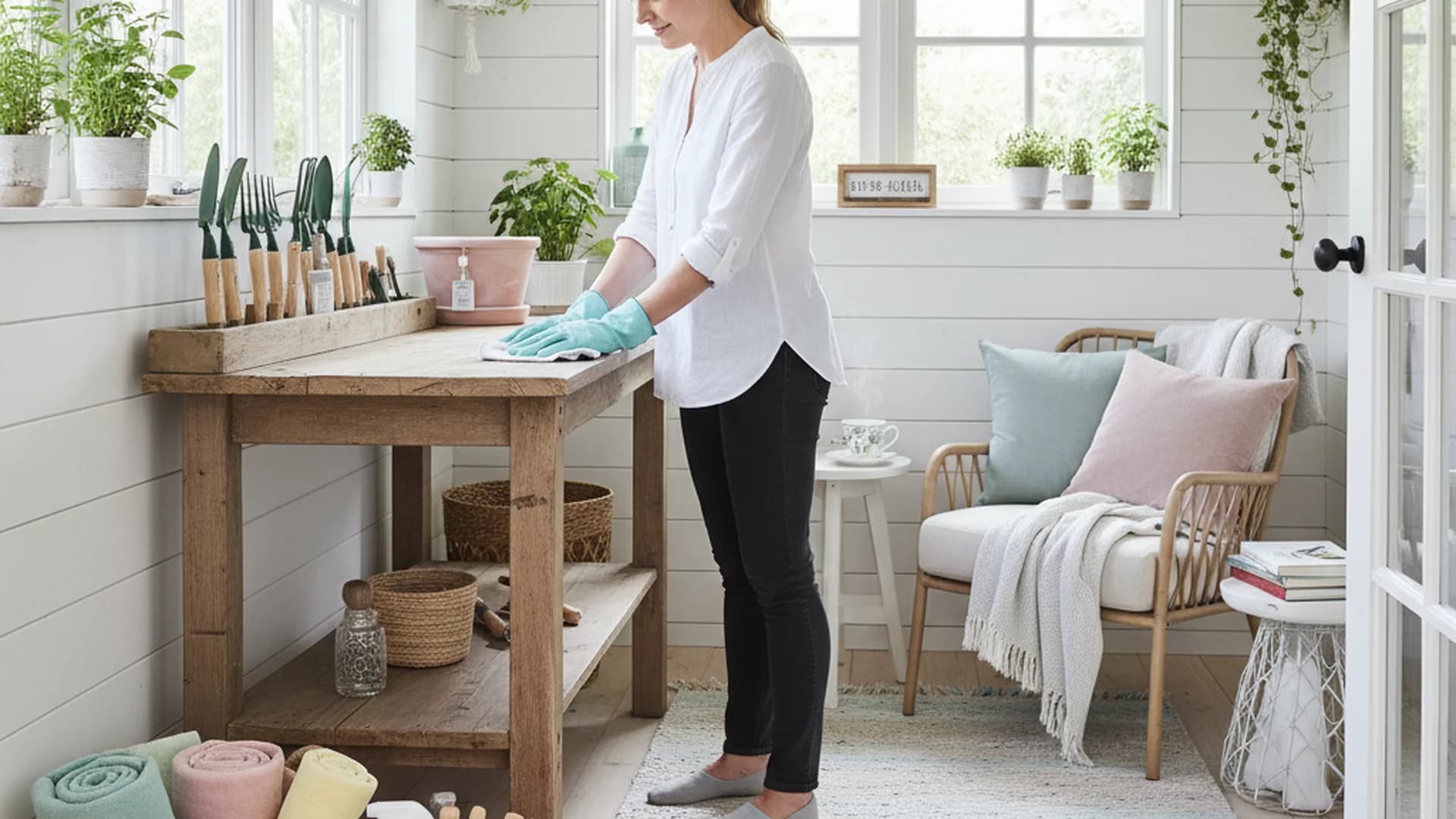
- Ceiling and Corners: Use a long-handled cobweb duster to remove spiders, egg sacs, and dust from the rafters.
- Wall Scrubbing: Mix warm water with mild dish soap. Use a microfiber mop or cloth to wipe down walls.
- The Floor: Sweep out all debris. If you have a concrete or resin floor, a bio-enzymatic cleaner is recommended to break down oil spills or organic stains without damaging garden runoff.
Warning: Never mix bleach with ammonia-based cleaners or use harsh bleach on bare wood. Chlorine bleach breaks down the lignin in wood, making it structurally weaker and "fuzzy" over time.
Phase 3: Material-Specific Exterior Care
The best way how to clean shed exteriors depends entirely on what the structure is made of. Using the wrong method can lead to rot, rust, or UV damage.
| Material | Primary Cleaning Agent | Maintenance Frequency | Key Concern |
|---|---|---|---|
| Wood | Oxygen-based cleaner | 1-2 Years (Reseal) | Rot & Termites |
| Metal | pH-neutral soap | Every 6 Months | Corrosion/Rust |
| Resin | UV-protective spray | Annually | Brittleness |
Wood Sheds
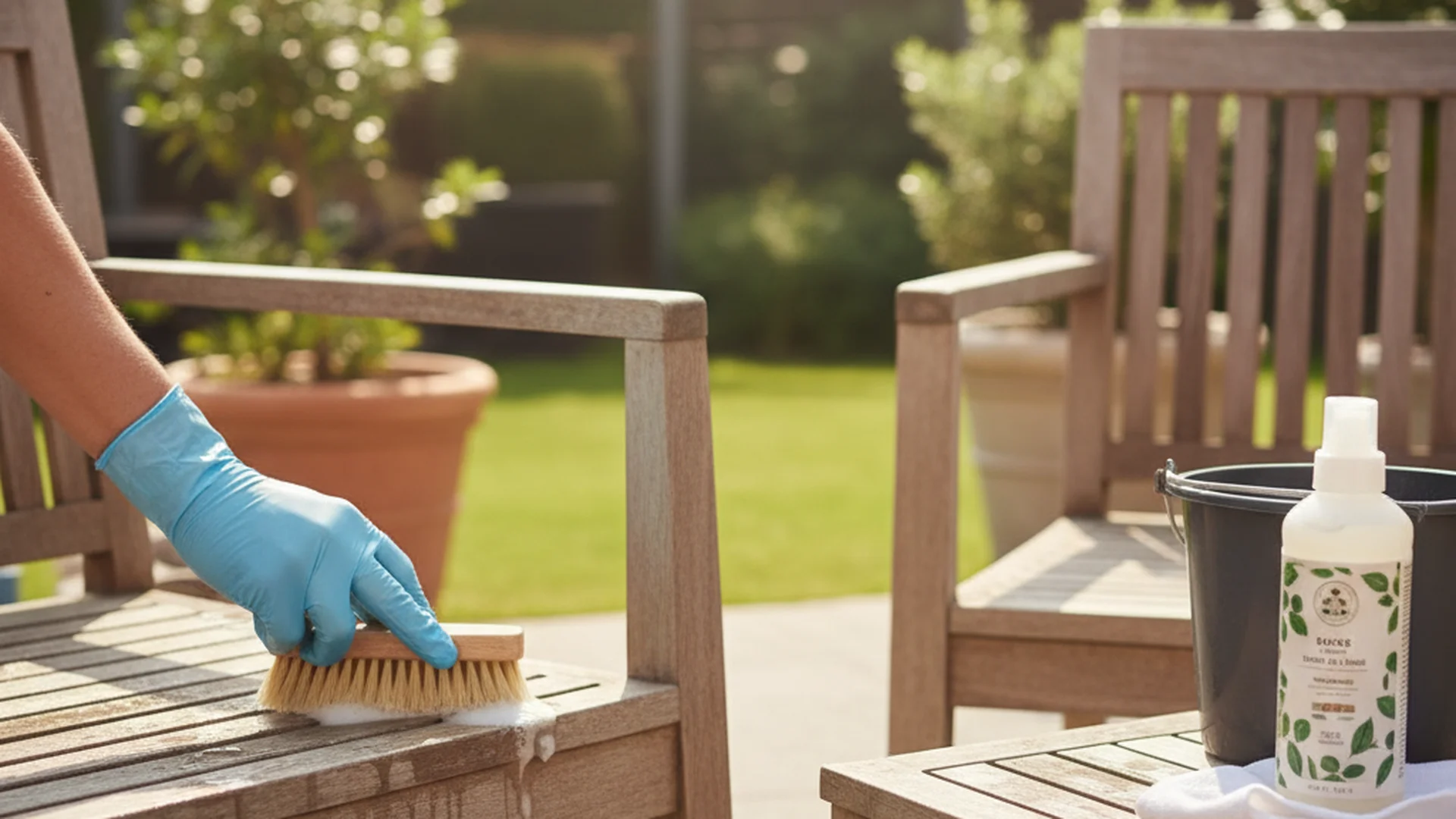
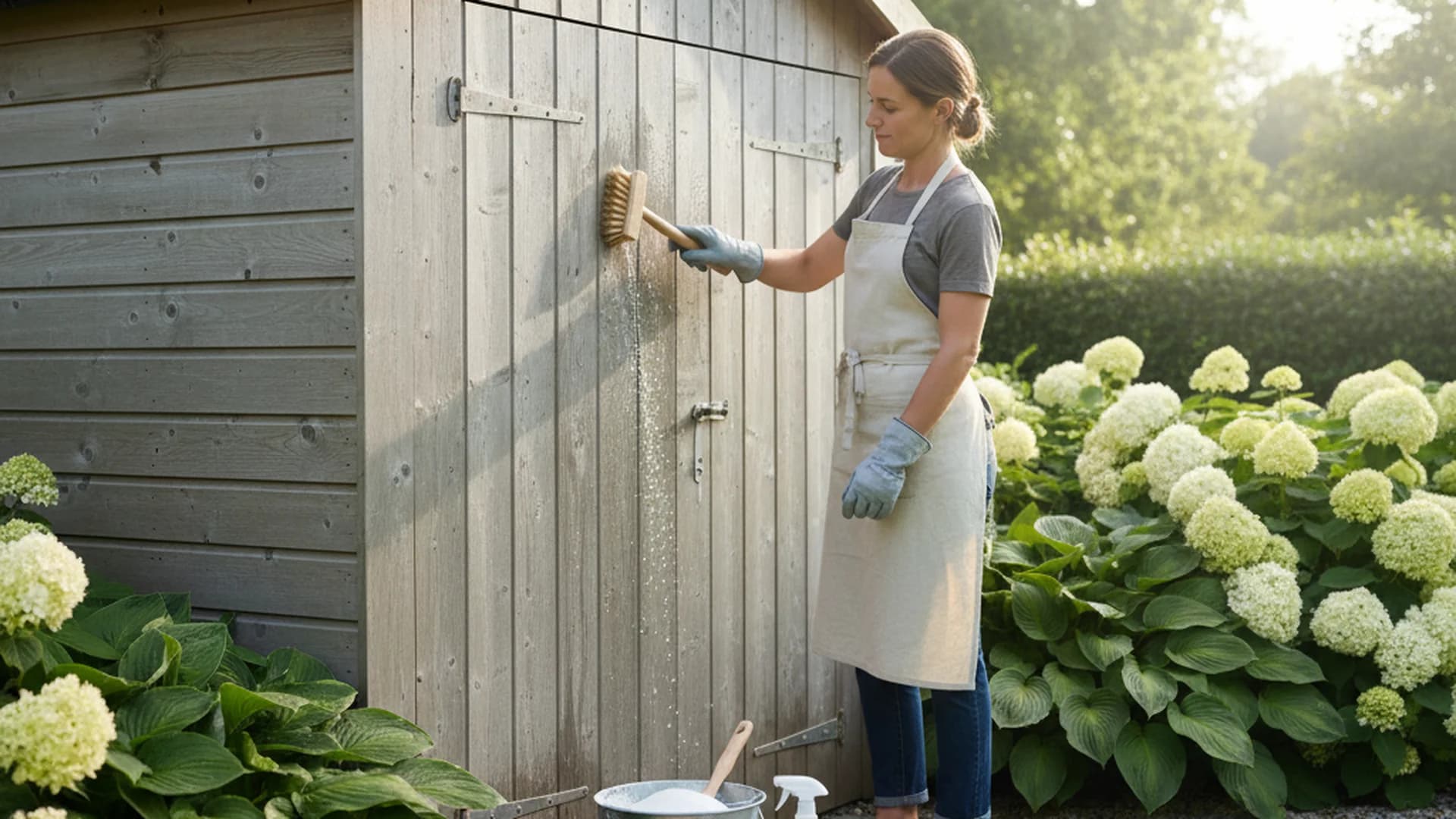
Scrub in the direction of the grain. For organic stains like algae or moss, use an oxygen-based "wood brightener." These are safer for your lawn than traditional bleach. Ensure you inspect the lower planks for signs of "splash back" rot.
Metal Sheds
Metal sheds are prone to "hot spots" of corrosion. Inspect the base and joints carefully.
- Real-World Example: A homeowner in a humid climate noticed small orange spots on their steel shed. By applying a paste of baking soda and lemon juice and scrubbing gently, they neutralized the surface rust before it could penetrate the structural steel, saving thousands in replacement costs.
Resin and Vinyl Sheds
While low-maintenance, these can become brittle under constant sun exposure. After washing with soap and water, apply a UV-protective spray to keep the plastic flexible and prevent fading.
Advanced 2026 Maintenance Trends
As we move further into 2026, "Smart Shed" technology is becoming the standard for high-end outdoor spaces.
Eco-Friendly Solutions
There is a massive shift toward bio-enzymatic cleaners. These products use specialized bacteria to "eat" organic waste, making them perfect for cleaning sheds near vegetable gardens or koi ponds where chemical runoff is a concern.
IoT Monitoring
Many homeowners are now installing IoT (Internet of Things) sensors to monitor humidity and temperature via smartphone apps.
- Success: A "shed-quarters" owner received a mobile alert that humidity levels had spiked to 70% inside their shed. They discovered a small roof leak after a storm and fixed it immediately, preventing $3,000 worth of computer equipment from being damaged by dampness.
Airflow Management
In 2026, the go-to fix is a solar-powered attic fan. This reduces condensation and prevents the "sauna effect" that leads to mold in humid summer months.
Common Mistakes to Avoid
- Storing Food or Pet Seed: This is the primary cause of rodent infestations. Mice can chew through most plastic bags. If you must store seed, use galvanized steel bins with locking lids.
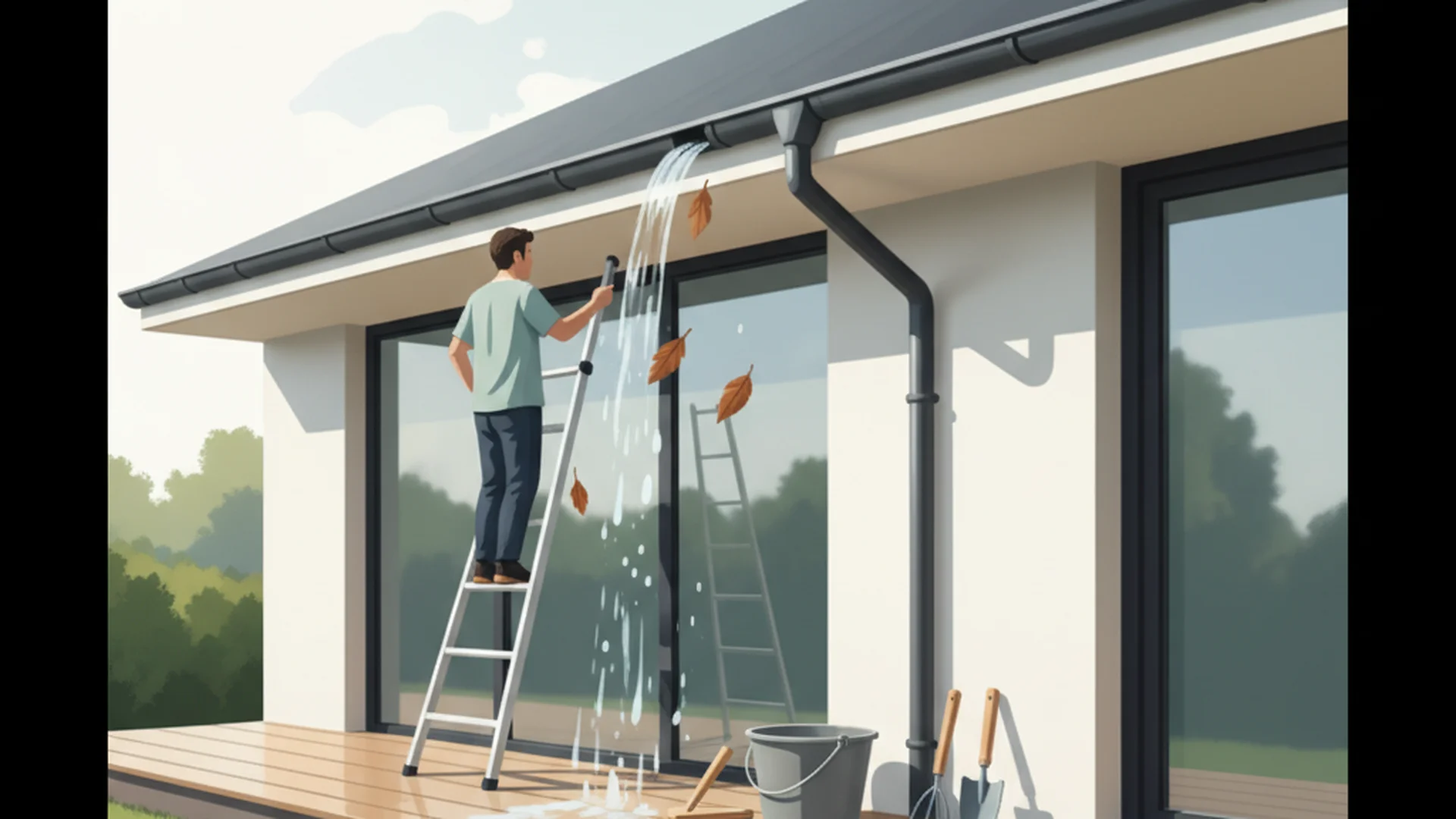
- Ignoring Roof Debris: Wet leaves sitting on your roof lead to rotting shingles or felt. Clear the roof at least four times a year.
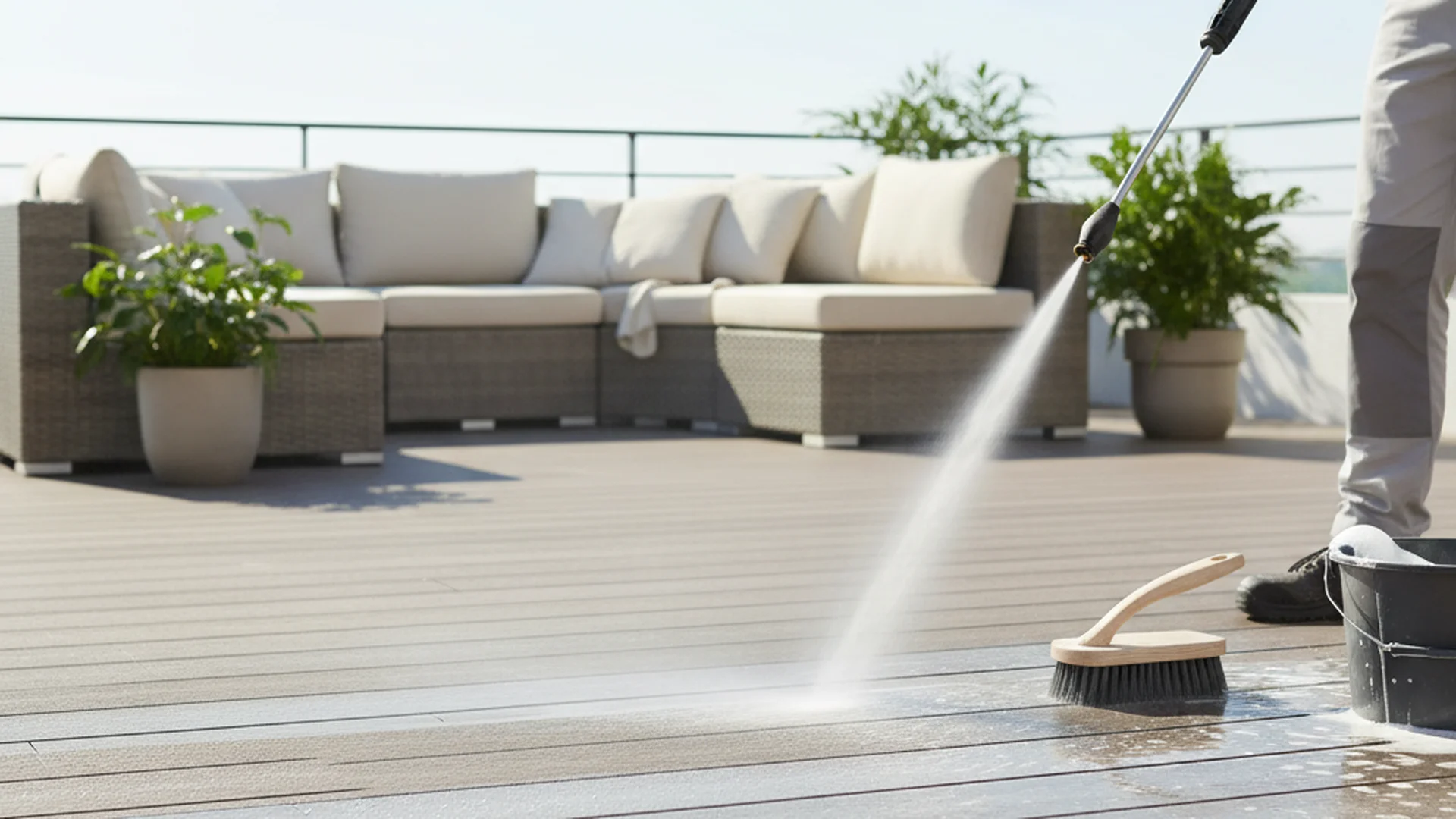
- High-Pressure Washing: While tempting, a pressure washer can force water into the joints of a wooden shed, leading to internal rot that you won't see until it's too late.
- Cleaning Around Objects: You will miss early signs of termite or carpenter ant infestations if you don't empty the shed completely.
Note: If you find "mud tubes" on your shed's foundation, stop cleaning and call a pest professional immediately; these are a surefire sign of subterranean termites.
Frequently Asked Questions
Can I use a pressure washer to clean my shed?
How do I remove mold and mildew from the interior?
How often should I deep clean my shed?
What is the best way to prevent rust in a metal shed?
Conclusion
Mastering how to clean shed structures is an investment in your property's future. By following a structured workflow—ruthless decluttering, material-specific exterior care, and modern 2026 technology integration—you can transform a dusty storage box into a pristine, high-value space. Remember that the best way how to clean shed surfaces is to be proactive; a few hours of maintenance every six months can prevent thousands of dollars in structural repairs.
Success: Consistent maintenance not only keeps your tools in peak condition but also ensures your outdoor space remains a beautiful, functional extension of your home.
Cleaning that keeps score
Every task earns points, every streak multiplies them, and Premium adds a household leaderboard plus a monthly Dustagorgon to beat.
- Free forever
- 30 badges to earn
- Up to 6 in a household
No card needed. Set up your rooms in a couple of minutes.