In this article
What you’ll learn
- Material-specific cleaning is crucial to prevent structural damage.
- "Soft washing" is replacing high-pressure washing as the industry standard for wood.
- Regular maintenance can increase property value by up to 11%.
A fence is more than just a boundary; it is the frame of your home’s landscape. However, because it is constantly exposed to the elements, it often becomes a magnet for algae, mold, and environmental grime. Learning how to clean fence panels correctly is one of the most cost-effective ways to boost your home’s aesthetic. In fact, real estate experts suggest that a well-maintained exterior can increase property value by 5% to 11%.
Whether you are dealing with weathered cedar or stained vinyl, the best way how to clean fence surfaces involves a mix of the right chemistry and the right technique. In this guide, we will explore the latest 2025 maintenance trends, eco-friendly cleaning solutions, and step-by-step instructions to ensure your perimeter looks brand new.
Why Fence Maintenance Matters in 2025
In the current housing market, "curb appeal" has become a digital-first priority. With high-resolution drone photography and virtual tours, every streak of green mold on a fence is visible to potential buyers.
Proper cleaning does not just make the wood or vinyl look better—it preserves the structural integrity of the material. For wood fences, removing organic growth prevents rot. For metal, it stops oxidation in its tracks. With the 2025 shift toward sustainability, many homeowners are also looking for ways to clean without harming their local ecosystem.
Success: Regular annual cleaning can extend the life of a standard wood fence from 15 years to over 20 years, saving you thousands in replacement costs.
Material-Specific Cleaning Strategies
The most common mistake homeowners make is assuming a "one size fits all" approach. Using the same pressure on a delicate wood grain that you use on a steel gate can lead to permanent damage.
| Fence Material | Primary Cleaning Agent | Recommended Pressure | Longevity with Care |
|---|---|---|---|
| Wood | Oxygen Bleach | 1,500 - 2,000 PSI | 20+ Years |
| Vinyl | Vinegar or Dish Soap | 2,000 - 2,500 PSI | 30+ Years |
| Aluminum | Non-corrosive Soap | Low (Garden Hose) | 50+ Years |
| Composite | Specialized Enzyme | Low (Soft Brush) | 25+ Years |
How to Clean Wood Fences
Wood is a "living" material that breathes. When learning how to clean fence panels made of cedar, pine, or redwood, you must be gentle. Professional cleaners in 2025 have largely moved away from chlorine bleach, which can destroy the lignin—the "glue" that holds wood fibers together. Instead, use oxygen bleach (sodium percarbonate).
Tip: Always perform a "patch test" on an inconspicuous area of the fence before applying cleaning solutions to the entire perimeter.
How to Clean Vinyl Fences
Vinyl is beloved for its low maintenance, but in humid climates, it is prone to "green mold" or algae buildup. While vinyl can handle higher pressure than wood, the best results often come from a simple 30% white vinegar and water solution. This is eco-friendly and incredibly effective at killing mold spores at the root.
How to Clean Metal and Composite Fences
Metal fences, particularly wrought iron or steel, require a focus on rust prevention. Use a non-corrosive detergent and inspect for orange spots. Composite fences (like Trex) are unique; they feature a UV-resistant coating that can be stripped by high-pressure water. For composite, stick to soft-bristle brushes and enzymatic cleaners.
The "Best Way" How to Clean Fence: Step-by-Step
Following a structured process ensures you don't miss spots or cause accidental damage to your landscaping.
Step 1: Preparation and Protection
Before you even touch a hose, you must protect your garden. Even "safe" soaps can dehydrate plants if they sit on leaves in the sun.
- Pre-wet your plants: Spray down nearby bushes and grass with plain water so that any runoff is diluted.
- Clear the perimeter: Move outdoor furniture and trim back any overhanging vines that might trap moisture against the fence.
Warning: Never mix vinegar and bleach. This combination creates toxic chlorine gas, which is extremely dangerous in enclosed or semi-enclosed backyard spaces.
Step 2: Applying the Cleaning Solution
One of the top how to clean fence tips from professionals is the "Bottom-Up" technique. Apply your cleaning solution starting from the bottom of the fence and working your way up. This prevents "streak staining," which occurs when dirty water runs down a dry, thirsty surface and leaves permanent vertical marks.
Step 3: Agitation and Dwell Time
Allow the solution to sit (dwell) for 10–15 minutes. This gives the enzymes or oxygen bubbles time to break the bond between the grime and the fence. If the fence is particularly dirty, use a soft-bristle brush to gently agitate the surface.
Step 4: The Rinse (Soft Washing vs. Pressure Washing)
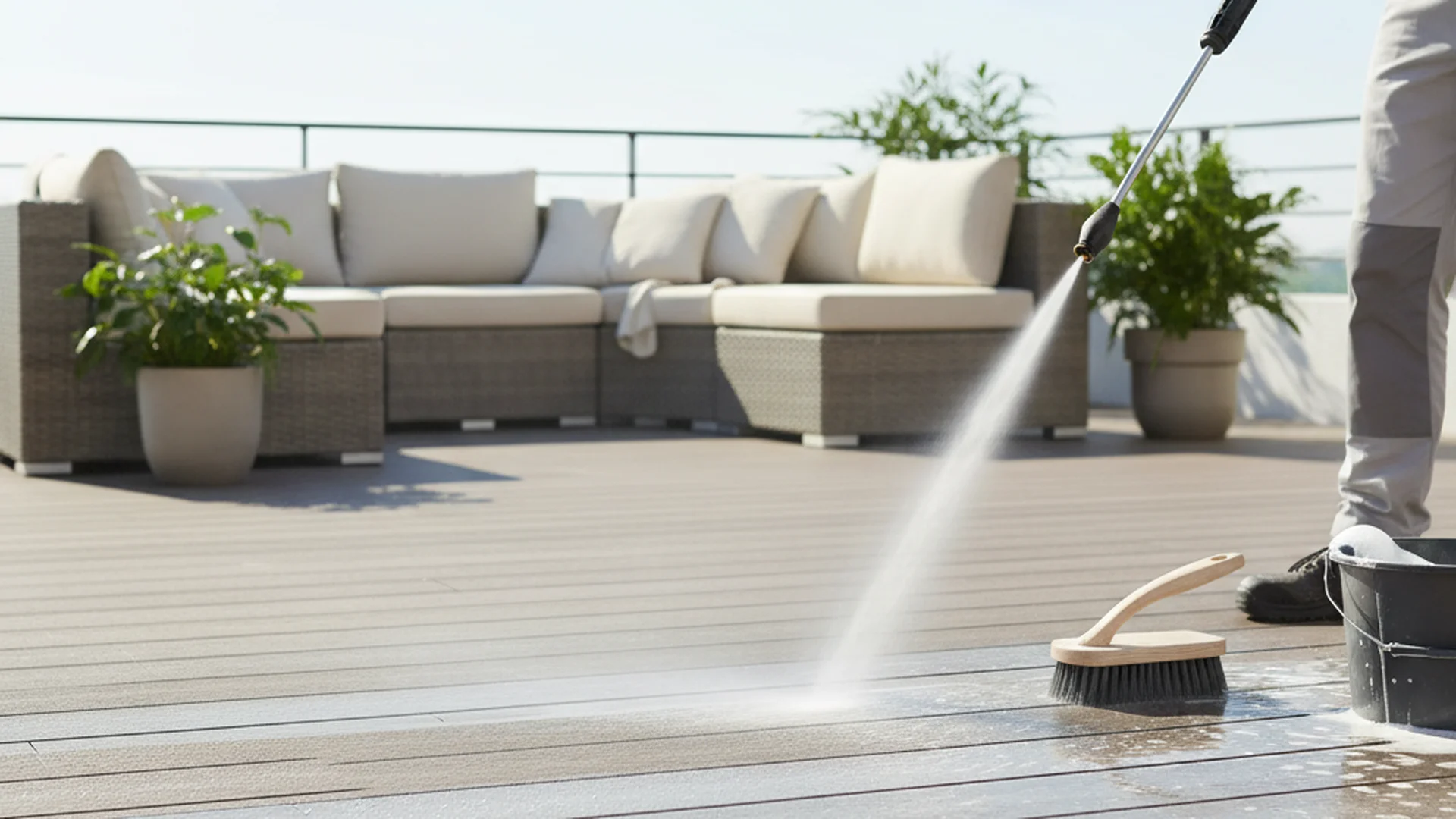
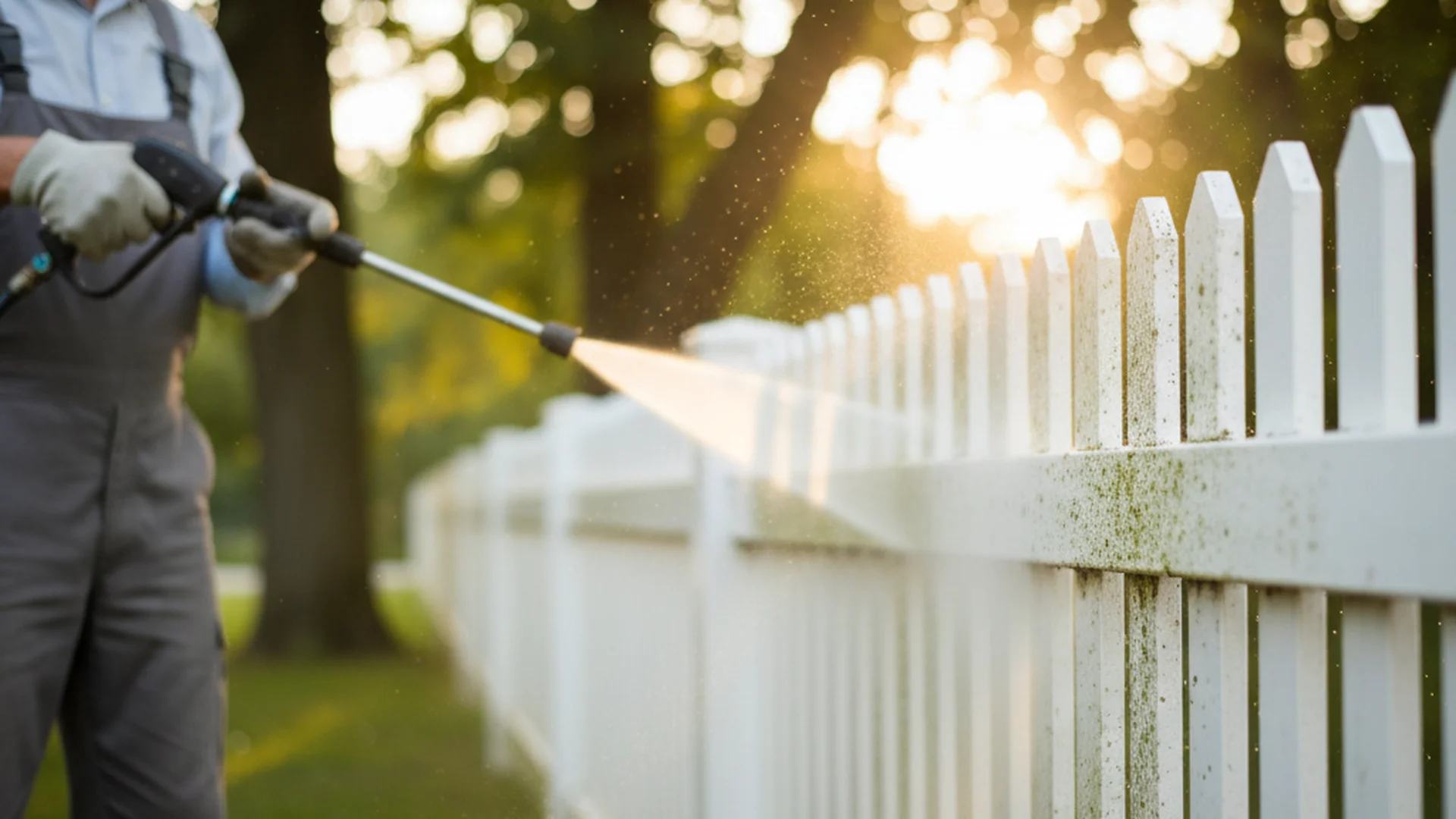
In 2025, "Soft Washing" is the preferred method for most residential fences. This involves using a low-pressure nozzle (like a 40-degree wide spray) and relying on the chemical cleaner to do the work rather than sheer water force.
Note: If you are using a pressure washer, keep the wand moving constantly. Lingering on one spot for even a second too long can "etch" wood or "delaminate" composite materials.
Real-World Examples of Fence Restoration
Example 1: The "Green" Vinyl Transformation
A homeowner in Florida faced a vinyl fence completely covered in thick green algae due to high humidity. Instead of using a high-PSI pressure washer—which had previously cracked a panel—they used a 2025-style "soft wash" approach with a bio-based surfactant. By letting the solution dwell for 20 minutes and rinsing with a standard garden hose, the algae were eliminated without any mechanical damage to the fence.
Example 2: Reviving Grayed Cedar
In Seattle, a 10-year-old cedar fence had turned a dull, weathered gray. The owner applied an oxygen-bleach solution, which lifted the dead gray fibers and revealed the orange-tinted wood beneath. Following the clean, they applied a water-repellent sealant within 48 hours, effectively "resetting" the fence's lifespan.
Example 3: Robotic Maintenance for Perimeter Fences
A large estate owner utilized a niche 2026-model robotic fence cleaner. This device tracks along the top rail of a long perimeter fence, scrubbing the panels with rotating brushes. This automated approach reduced the maintenance time from three days of manual labor to just four hours of supervised machine work.
2025–2026 Trends in Home Maintenance
The world of outdoor cleaning is becoming "smarter" and more sustainable.
- IoT Pressure Washers: New models now connect to your smartphone. You select "Wood Fence" in the app, and the machine automatically adjusts the PSI and detergent flow to safe levels.
- Plant-Based Enzyme Cleaners: There is a 22% increase in the use of enzymatic cleaners. These don't just wash away dirt; they leave behind "good bacteria" that continue to consume mold spores for weeks after the initial wash.
- Sustainability Standards: Cities are increasingly banning the use of high-chlorine runoff into storm drains. Learning how to clean fence surfaces using vinegar or oxygen bleach is now a legal necessity in some municipalities.
Common Mistakes to Avoid
Even seasoned DIYers can fall into these traps. Avoid these to ensure your fence stays beautiful:
- Cleaning in Direct Sunlight: The sun causes your cleaning solution to dry too quickly, leaving behind streaks and chemical spots that are harder to remove than the original dirt.
- The "Bleach is Best" Myth: As mentioned, chlorine bleach is too harsh for wood. It whitens the mold but often fails to kill the roots, and it weakens the wood's cellular structure.
- Neglecting the Base: Most rot starts in the bottom 6 inches of the fence where moisture from grass and soil is highest. Always ensure you clean right down to the ground level.
- Skipping the Post-Clean Seal: Cleaning opens the "pores" of the wood. If you don't apply a sealant within 48 hours of drying, the wood will absorb moisture faster than before, leading to rapid warping.
Frequently Asked Questions
Can I use a pressure washer on all fences?
How often should I clean my fence?
Is vinegar better than bleach for cleaning?
Do I need to clean my fence before staining it?
Conclusion
Understanding how to clean fence panels is a fundamental skill for any homeowner looking to maintain their property’s value and beauty. By choosing the best way how to clean fence materials—whether that’s a gentle vinegar solution for vinyl or oxygen bleach for wood—you ensure that your outdoor space remains inviting for years to come. Remember to avoid cleaning in direct sunlight, always work from the bottom up, and stay updated on the latest eco-friendly tools available in 2025.
Success: By following this guide, you have the knowledge to transform a weathered, grimy fence into a stunning property feature that stands the test of time.
Cleaning that keeps score
Every task earns points, every streak multiplies them, and Premium adds a household leaderboard plus a monthly Dustagorgon to beat.
- Free forever
- 30 badges to earn
- Up to 6 in a household
No card needed. Set up your rooms in a couple of minutes.