In this article
What you’ll learn
- Deep clean every 5-10 uses to prevent grease fires and bacteria.
- Avoid wire brushes to prevent accidental ingestion of metal bristles.
- Use eco-friendly degreasers and steam for a chemical-free finish.
Mastering how to clean grill surfaces is the secret ingredient that separates a backyard novice from a seasoned pitmaster. While many believe that a high-heat "burn-off" is enough to sanitize their cooking area, the reality is much grimier. Beyond just aesthetics, a dirty grill is a performance bottleneck and a significant safety hazard. Whether you are prepping for a summer barbecue or winterizing your equipment, understanding the best way how to clean grill components ensures that your food tastes better, your equipment lasts longer, and your home stays safe from preventable fires.
The Hidden Dangers of a Dirty Grill
Before we dive into the scrubbing and scraping, it is vital to understand what is at stake. Failure to clean the grill is one of the leading causes of home grilling fires. Grease buildup acts as a potent fuel source; once a flare-up starts, a neglected drip tray can turn a small flame into a structural fire in seconds.
Furthermore, a neglected outdoor grill is a genuinely dirty piece of equipment — a warm, greasy surface left open to the elements is an ideal home for bacteria, easily rivalling the surfaces we scrub obsessively indoors. These microbes thrive on old food residue and fat, which, when left outside, become rancid. Learning how to clean grill tips isn't just about shine—it is about food safety.
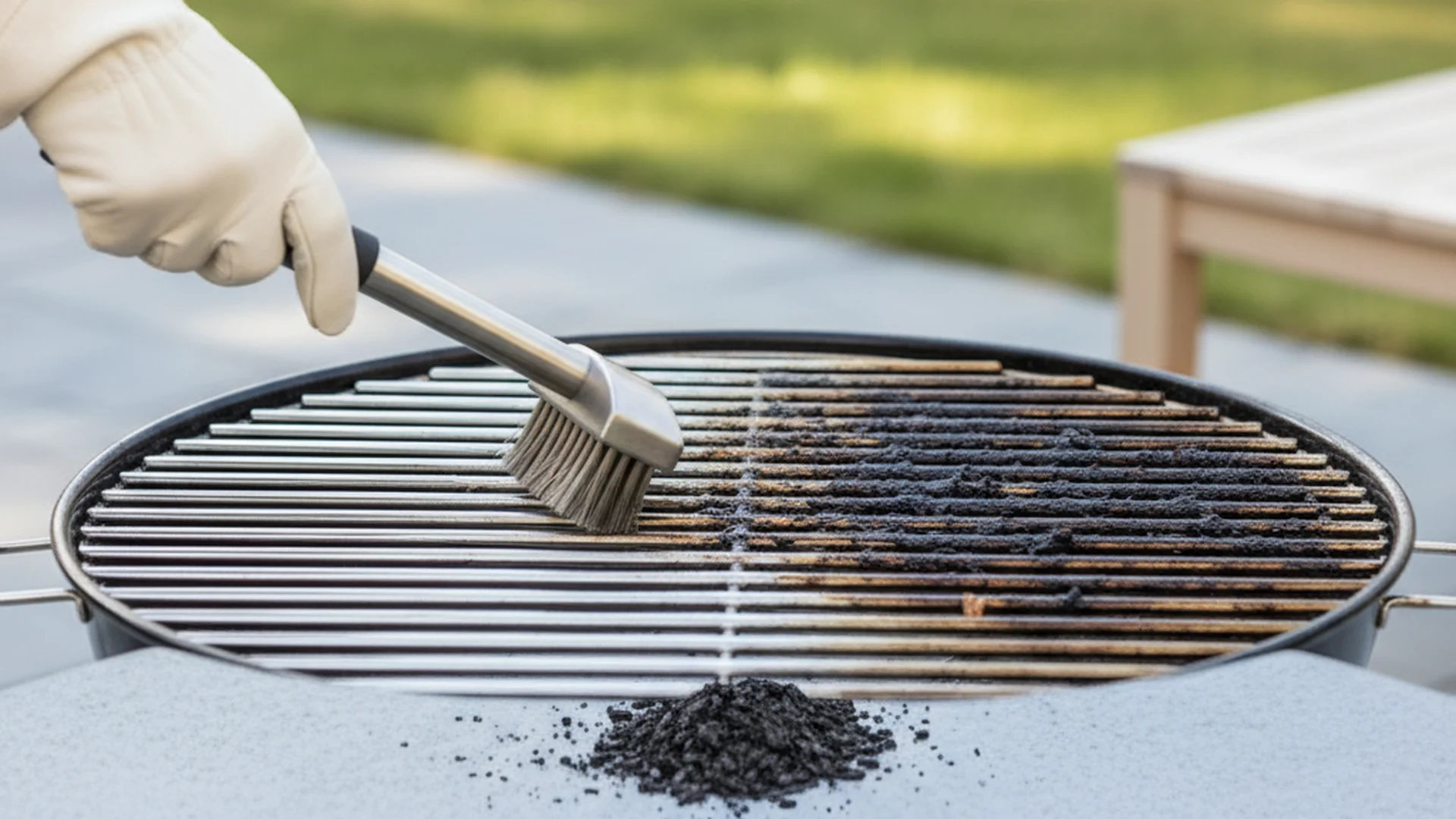
Warning: Never use traditional thin wire-bristle brushes. Wire bristles can break off, stick to grates, and end up swallowed with your food, leading to severe internal injuries and emergency room visits.
The Daily Routine: The 5-Minute Post-Cook Habit
The easiest way to maintain your grill is to never let it get "too far gone." Incorporating a daily routine will save you hours of labor during your deep-clean sessions.
The High-Heat Burn-Off
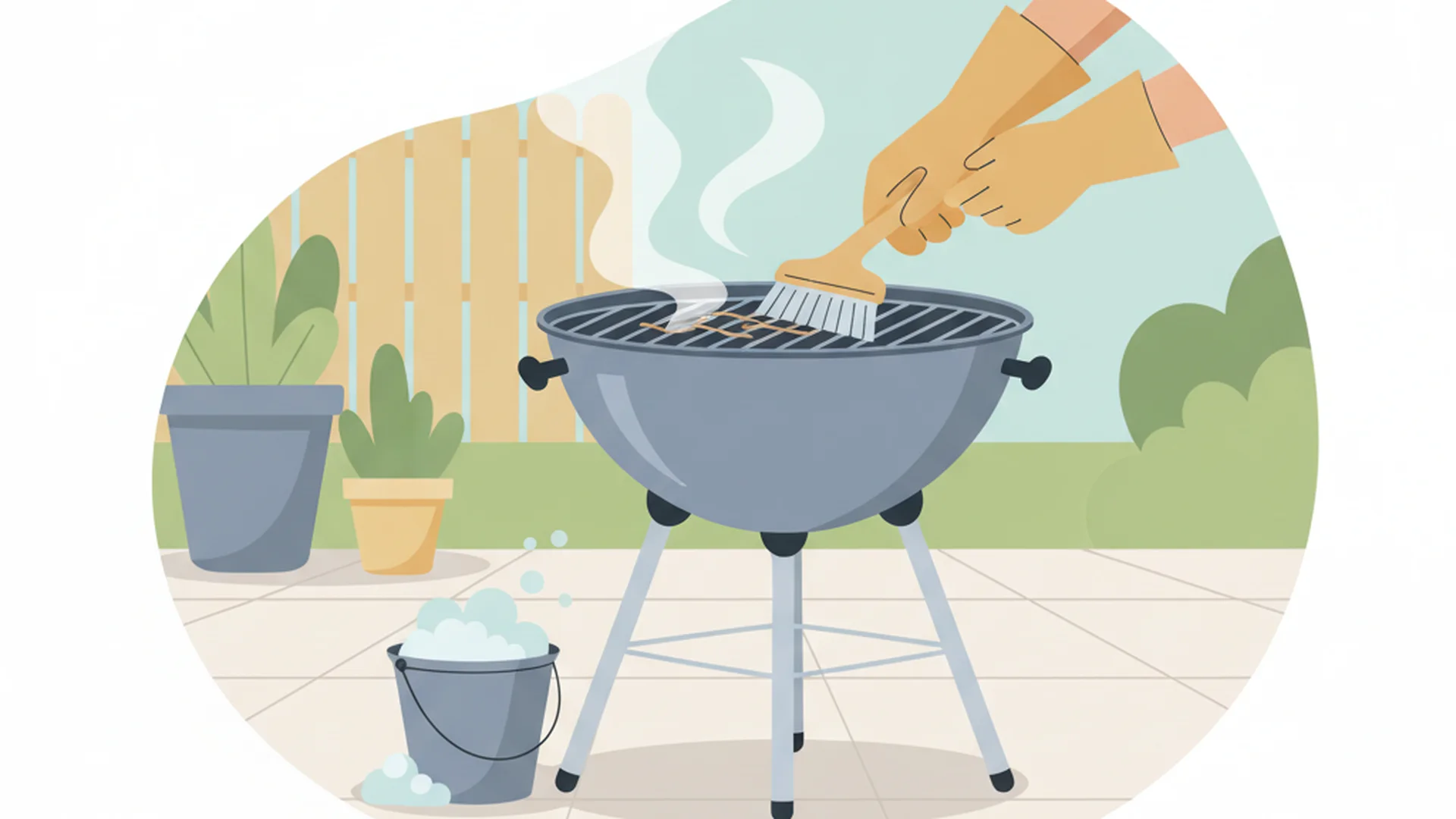
Immediately after you remove your food, turn all burners to high (or open the vents on your charcoal grill) and close the lid for 15 minutes. This process carbonizes remaining food particles, turning them into ash. This is widely considered the best way how to clean grill grates on a day-to-day basis because it utilizes the grill's own energy to do the heavy lifting.
The Steam Method
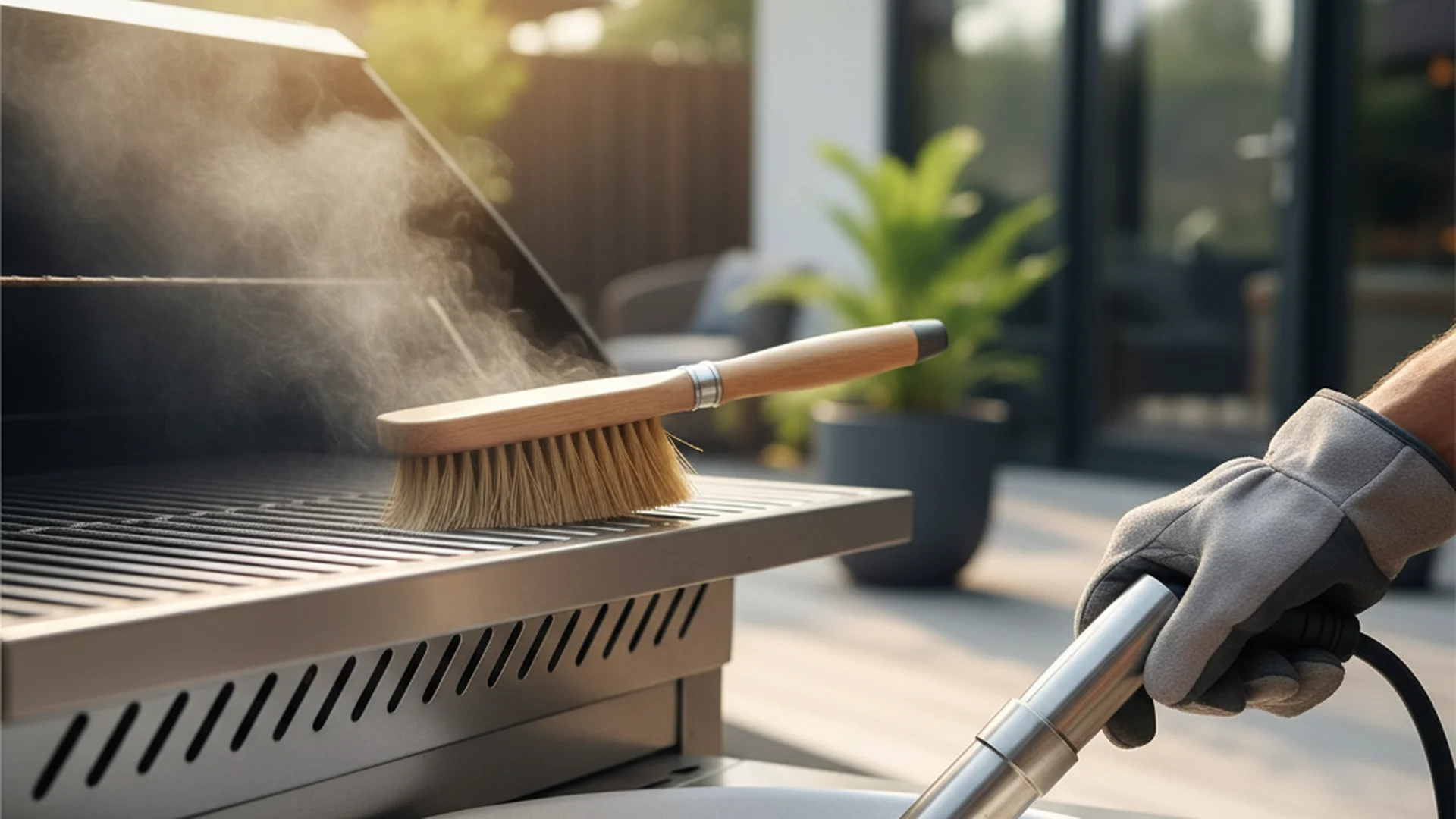
While the grates are still warm but the flame is off, dip a nylon-bristle brush or a balled-up piece of aluminum foil into a bowl of water and scrub the grates. The resulting steam helps lift stubborn grease and proteins that the heat alone couldn't vaporize.
Tip: Use a pair of long-handled tongs to hold a ball of aluminum foil if you don't have a dedicated grill brush. It is a safe, effective, and disposable alternative to wire brushes.
Deep Cleaning Guide: Gas vs. Charcoal
Every few months, or after every 10 uses, your grill requires a full "breakdown" clean. The process differs significantly depending on your fuel source.
How to Clean a Gas Grill
Gas grills are complex machines with internal components that are sensitive to grease and debris.
- Inspect the Burner Tubes: Disconnect the gas and remove the grates and "flavorizer" bars. Look at the burner tubes. Spiders are often attracted to the smell of the chemical added to propane (mercaptan) and build webs inside the tubes. Use a small pipe cleaner or a dedicated "spider brush" to clear these out.
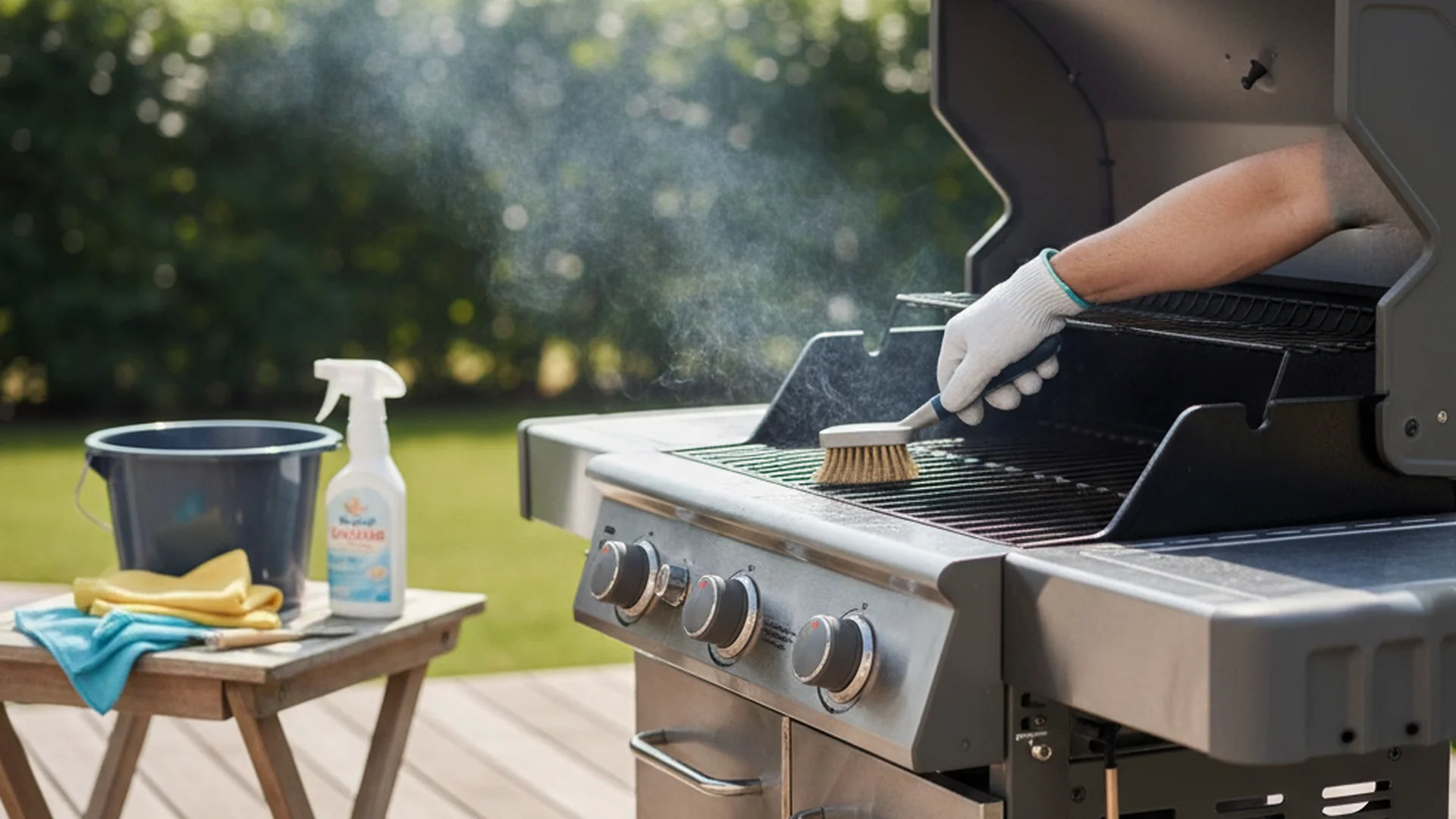
- The Drip Tray Deep Dive: This is the most common site of grease fires. Remove the tray, scrape the solidified grease into the trash, and wash the tray with warm, soapy water.
- The Interior Scrape: Use a plastic putty knife to scrape the carbonized "grease rain" (the black flakes that look like peeling paint) from the inside of the lid and the cookbox.
Note: Those black flakes on the inside of your lid are not paint; they are non-toxic carbon deposits and grease. However, they should be removed so they don't fall onto your food.
How to Clean a Charcoal Grill
Charcoal grills are simpler but require more frequent "ash management."
- Ash Removal: Ash traps moisture. If you leave ash in the bottom of your grill, it will eventually turn into a corrosive paste that eats through the metal. Use a dedicated Shop-Vac to remove fine ash from the base and the fire pot.
- Scrub the Kettle: Because charcoal burns "dirty," the inside of the kettle often accumulates a thick layer of soot. Use a citrus-based degreaser and a non-abrasive sponge to restore the porcelain finish.
| Feature | Gas Grill Focus | Charcoal Grill Focus |
|---|---|---|
| Primary Tool | Pipe cleaner / Spider brush | Shop-Vac / Ash bucket |
| Danger Zone | Burner tubes & Gas valves | Ash buildup & Rust |
| Cleaning Agent | Degreaser & Soapy water | High-heat & Dry brushing |
Modern Tools and Trends for 2025-2026
The world of grill maintenance has evolved beyond the simple bucket of soapy water. As we move into 2026, several high-tech and eco-friendly trends have emerged as the gold standard.
Sustainable "Green" Degreasers
There is a massive industry shift away from harsh phosphates. The top-rated cleaners for 2025 are citrus-based (D-Limonene) or enzyme-based. These biological cleaners break down fats and proteins naturally, making them safer for your lawn and your family.
The Rise of Robotic Cleaners
If you prefer a "set it and forget it" approach, AI-integrated grill robots like the Grillbot 2.0 have become mainstream. These devices feature sensors that detect "heavy soil" areas, automatically adjusting their scrubbing intensity to ensure every inch of the grate is polished.
Ceramic Coating Technology
High-end grills in 2025 are increasingly using proprietary ceramic-fused coatings on their grates. These are advertised as "rinse-and-wipe" surfaces. While they require less scrubbing, they also require softer tools to prevent chipping the ceramic layer.
Success: Using a handheld high-pressure steam cleaner can remove 99% of bacteria and grease without using a single drop of chemical detergent.
Common Mistakes to Avoid
Even well-intentioned grill owners often fall into traps that can damage their equipment.
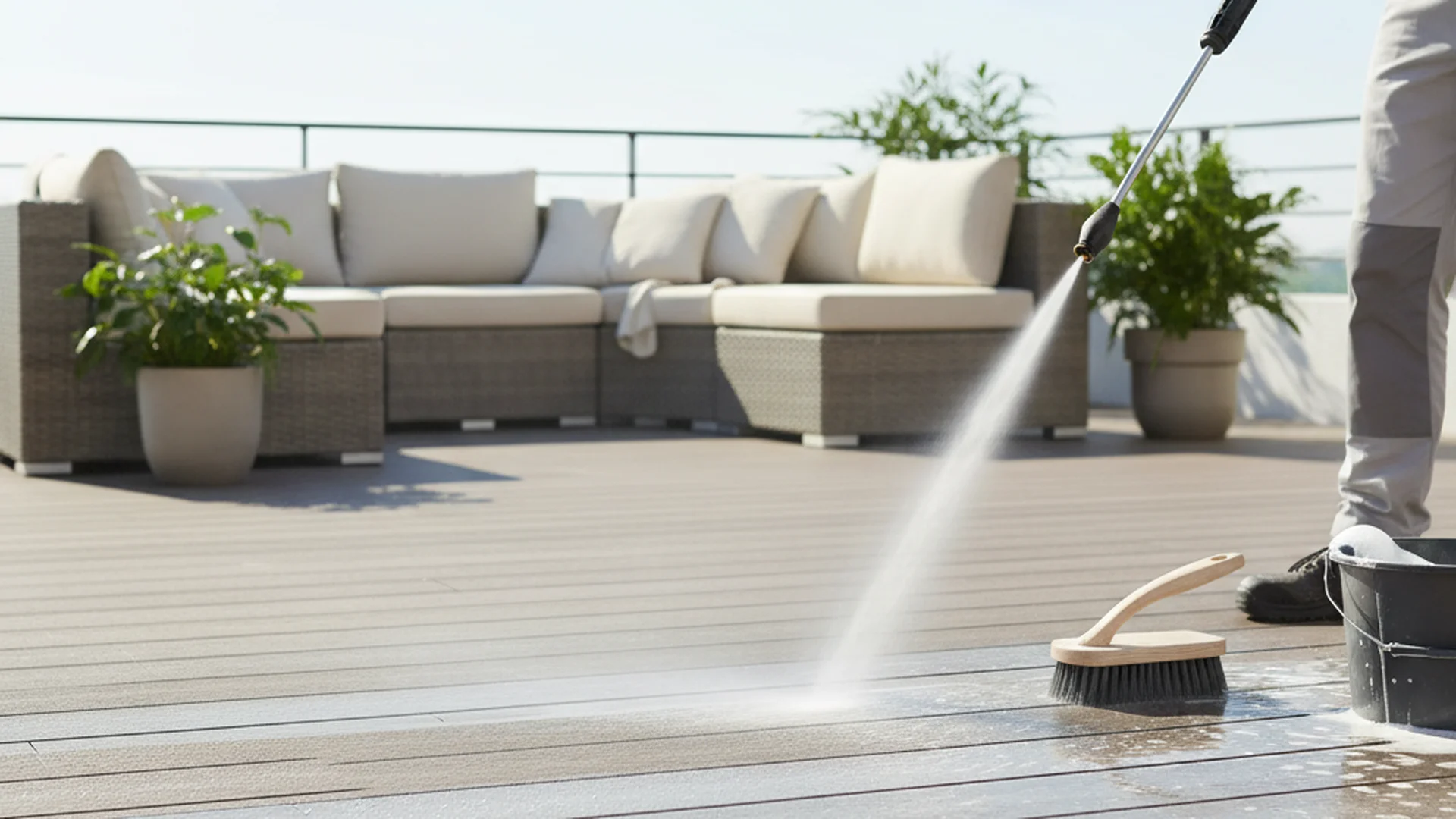
- Using Power Washers on Gas Grills: While it is tempting to blast away the grime, a power washer can force water into the gas valves and ignition systems, potentially ruining the electronic components of a modern gas grill.
- Neglecting the "Seasoning": Just like a cast-iron skillet, cast-iron grill grates need to be seasoned. After a deep clean, many people leave the metal bare, which leads to immediate rusting.
- Using Oven Cleaner: Oven cleaners are often too caustic for the aluminum components found in many gas grill bodies. They can also strip the protective seasoning off your grates.
- The "Heat Kills Everything" Myth: While 500-degree heat will kill active bacteria, it does not remove the carbonized "char" and chemical polycyclic aromatic hydrocarbons (PAHs) that build up over time. These can transfer to your fresh food, affecting both flavor and health.
Pro-Tips: The Onion Trick and Beyond
For those looking for how to clean grill tips that are both effective and natural, look no further than your pantry.
The Onion Trick
One of the most popular "hacks" used by professional pitmasters is rubbing half an onion on hot grates. The onion's natural acidity and fluids act as a mild degreaser, while the juices create a natural non-stick barrier.
Real-World Example: The "Flashback" Prevention
Example 1: A homeowner in Austin, Texas, reported a "whoosh" of flame coming from the control knobs. Upon inspection, it was discovered that a single spider web in the Venturi tube had diverted the gas flow. Regular cleaning of the burner tubes with a small brush prevents these dangerous "flashback" fires.
Real-World Example: The Wooden Scraper
Example 2: Many enthusiasts have switched to wooden scrapers. Over time, the heat of the grill chars the wood, and as you scrape, the wood molds to the specific shape of your grates. This creates a custom-fit cleaning tool that is 100% safe and effective.
Frequently Asked Questions
How often should I deep clean my grill?
Can I use oven cleaner on my grill?
Do I need to clean a charcoal grill differently than a gas grill?
Is the "Onion Trick" actually effective?
Conclusion: A Seasonal Maintenance Checklist
Keeping a clean grill is about more than just vanity; it is about performance and safety. By implementing a high-heat burn-off after every cook and performing a deep clean every few weeks, you ensure that every meal you serve is healthy and delicious. As we look toward the 2025 and 2026 seasons, shifting to eco-friendly cleaners and steam-based tools is the best way to protect both your equipment and the environment.
Before your next cookout, take ten minutes to inspect your burner tubes, empty that drip tray, and give your grates a fresh seasoning of grapeseed oil. Your taste buds—and your fire department—will thank you.
Success: Regular maintenance can extend the life of a high-quality grill by 5 to 10 years, saving you thousands in replacement costs.
Cleaning that keeps score
Every task earns points, every streak multiplies them, and Premium adds a household leaderboard plus a monthly Dustagorgon to beat.
- Free forever
- 30 badges to earn
- Up to 6 in a household
No card needed. Set up your rooms in a couple of minutes.