In this article
What you’ll learn
- Use mild soap and a soft-bristle brush to avoid damaging resin fibers.
- Distinguish between HDPE and PVC to understand your furniture's lifespan.
- Never use a pressure washer or harsh bleach on synthetic wicker.
As the warmer months approach, many homeowners look to their patios and realize that a winter’s worth of dust, pollen, and debris has settled into their furniture. Knowing how to clean resin wicker is not just about aesthetics; it is a critical maintenance task for preserving the longevity and structural integrity of your outdoor investment. Resin wicker, also known as all-weather or synthetic wicker, is a staple of modern outdoor design because of its durability. However, without the right approach, you could inadvertently damage the very material you are trying to protect.
In this guide, we will explore the best way clean resin wicker using professional-grade techniques. Whether you are dealing with high-end High-Density Polyethylene (HDPE) or standard PVC wicker, these methods will ensure your outdoor space remains a "sustainable luxury" retreat for years to come.
Understanding Your Materials: HDPE vs. PVC
Before you grab a bucket, you need to know what your furniture is actually made of. While "wicker" refers to the weaving technique, the material is almost always a synthetic plastic.
The Gold Standard: High-Density Polyethylene (HDPE)
HDPE is the "gold standard" of synthetic wicker. It is a high-quality plastic that is infused with UV inhibitors during the manufacturing process. This means the color goes all the way through the material rather than being painted on. HDPE wicker typically lasts 15+ years because it resists cracking, peeling, and fading.
The Budget Option: Polyvinyl Chloride (PVC)
PVC wicker is a cheaper alternative often found at big-box retailers. While it looks similar to HDPE at first glance, it lacks the same durability. PVC tends to become brittle and crack within 2–8 years when exposed to the elements.
| Feature | HDPE Resin Wicker | PVC Synthetic Wicker |
|---|---|---|
| Lifespan | 15+ Years | 2–8 Years |
| UV Resistance | High (Built-in) | Low (Coated) |
| Eco-Friendliness | Often Recyclable | Non-Recyclable |
| Texture | Waxy, soft feel | Shiny, plastic feel |
Note: Approximately 90% of high-quality modern synthetic wicker is now made from HDPE. While these sets have a higher upfront cost, they save owners roughly 40% over their lifetime due to reduced replacement frequency.
The Professional Cleaning Process
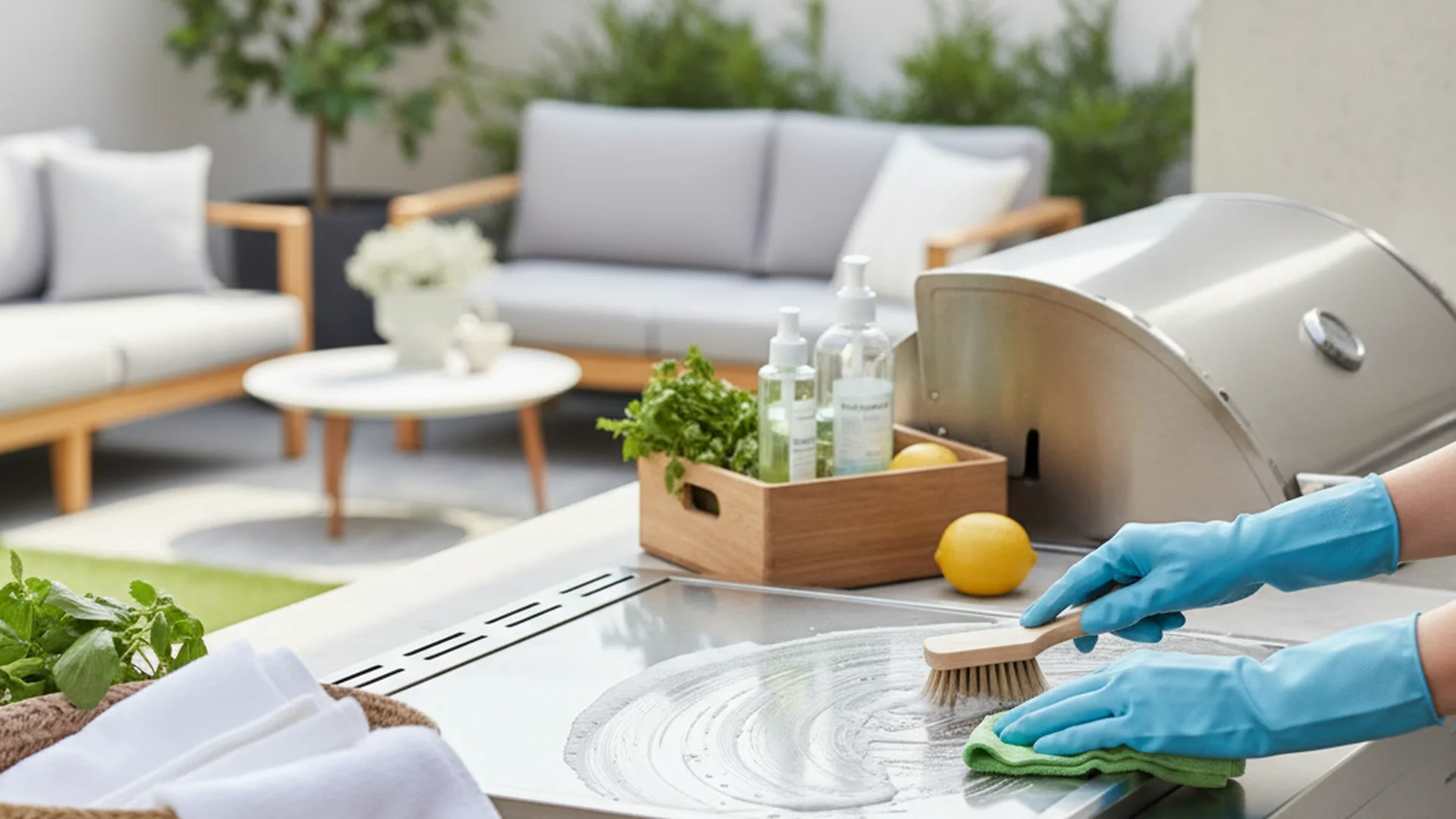
Cleaning your furniture doesn't require expensive specialty chemicals. In fact, the best way clean resin wicker involves simple, non-toxic ingredients you likely already have in your pantry.
Step 1: Vacuuming and Pre-Cleaning
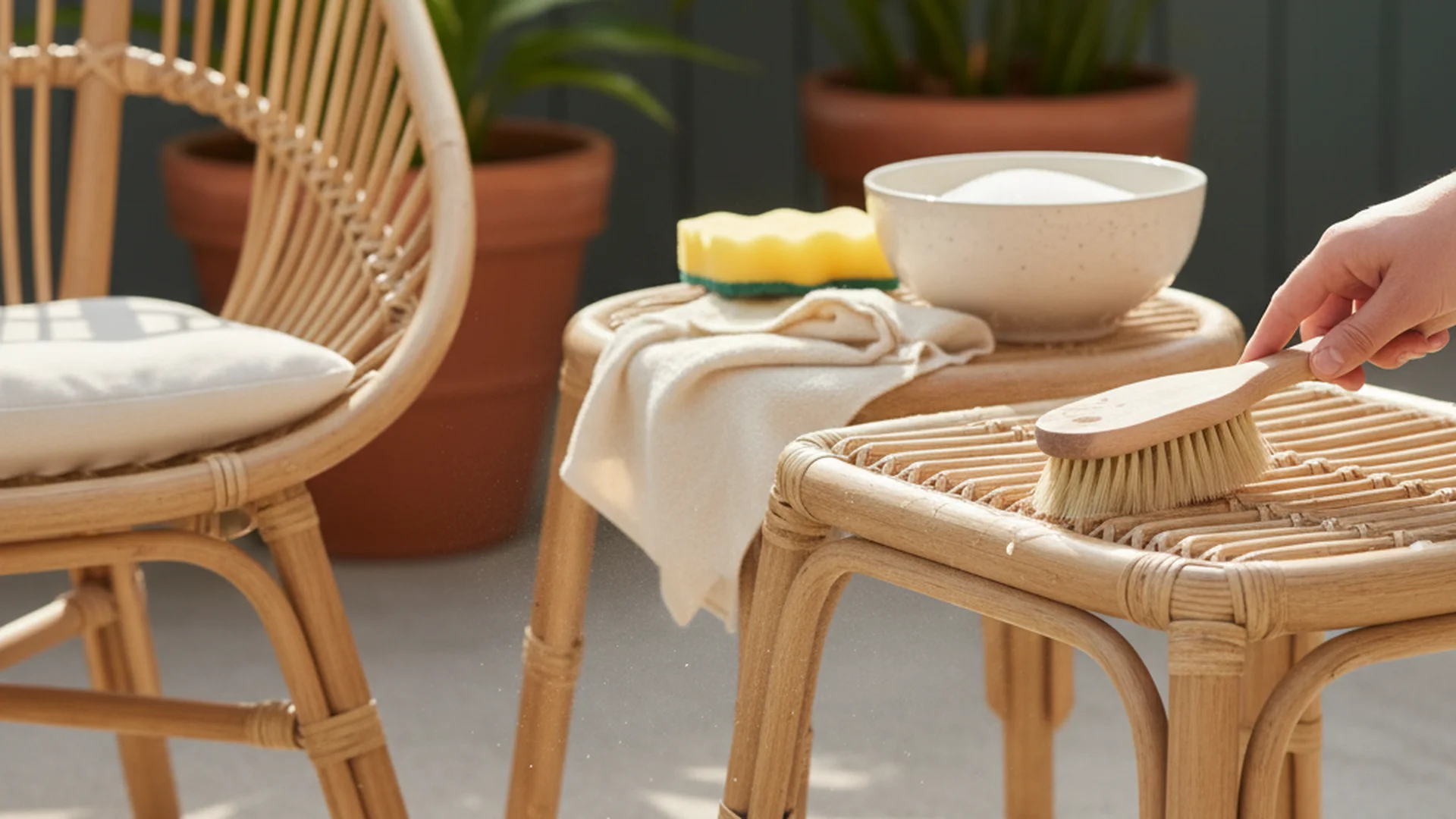
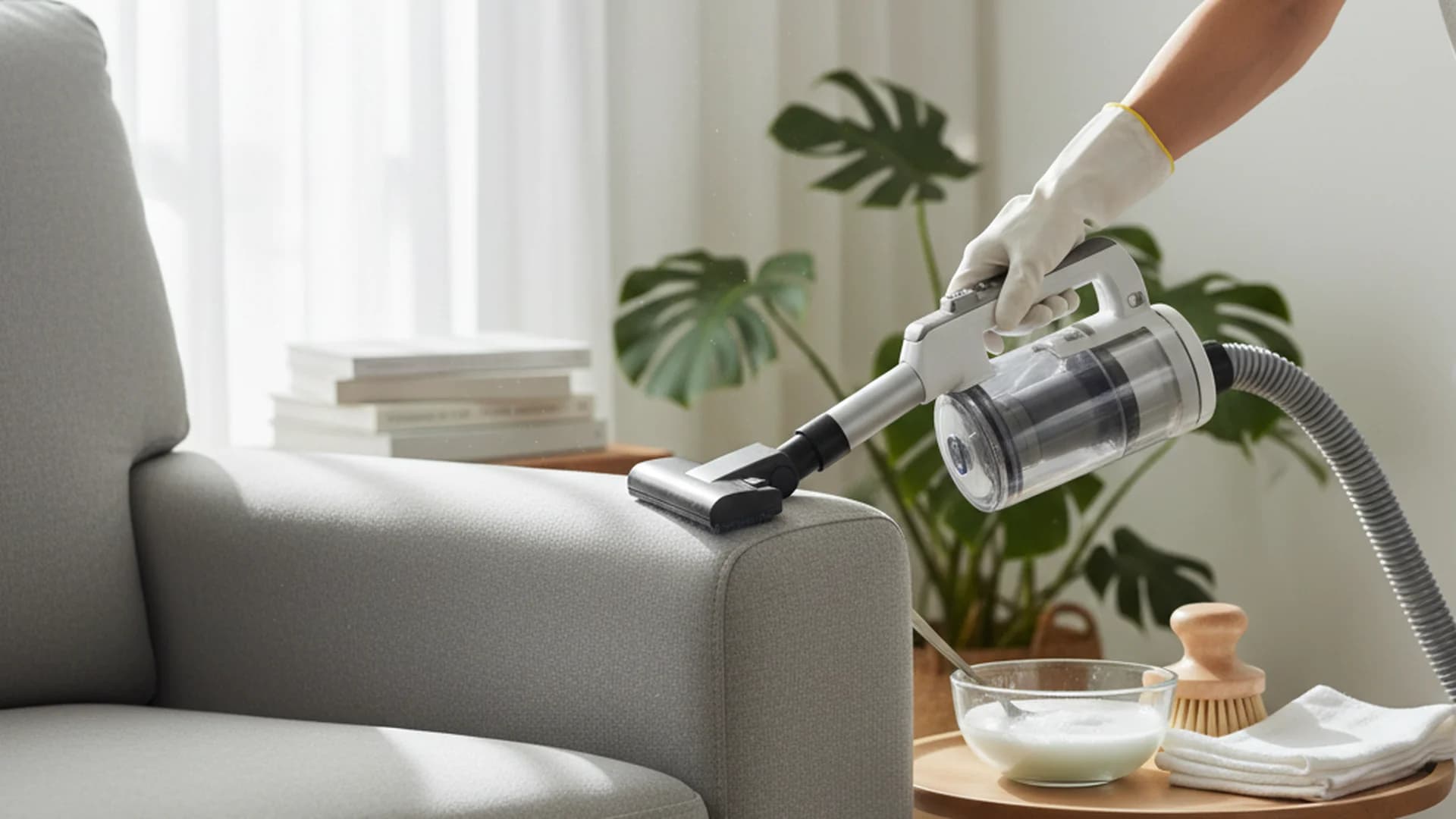
Before applying any water, use a vacuum with a soft brush attachment to remove loose dirt and debris from the deep crevices of the weave. If you skip this step and go straight to hosing it down, you may push the dirt deeper into the weave, creating a muddy residue that is harder to remove.
Step 2: Preparing the Cleaning Solution
Mix 1 tablespoon of mild dish soap (or a non-bleach laundry detergent) with 1 gallon of warm water. Avoid using harsh degreasers or chemicals that contain bleach unless specifically recommended by the manufacturer.
Step 3: Gentle Scrubbing
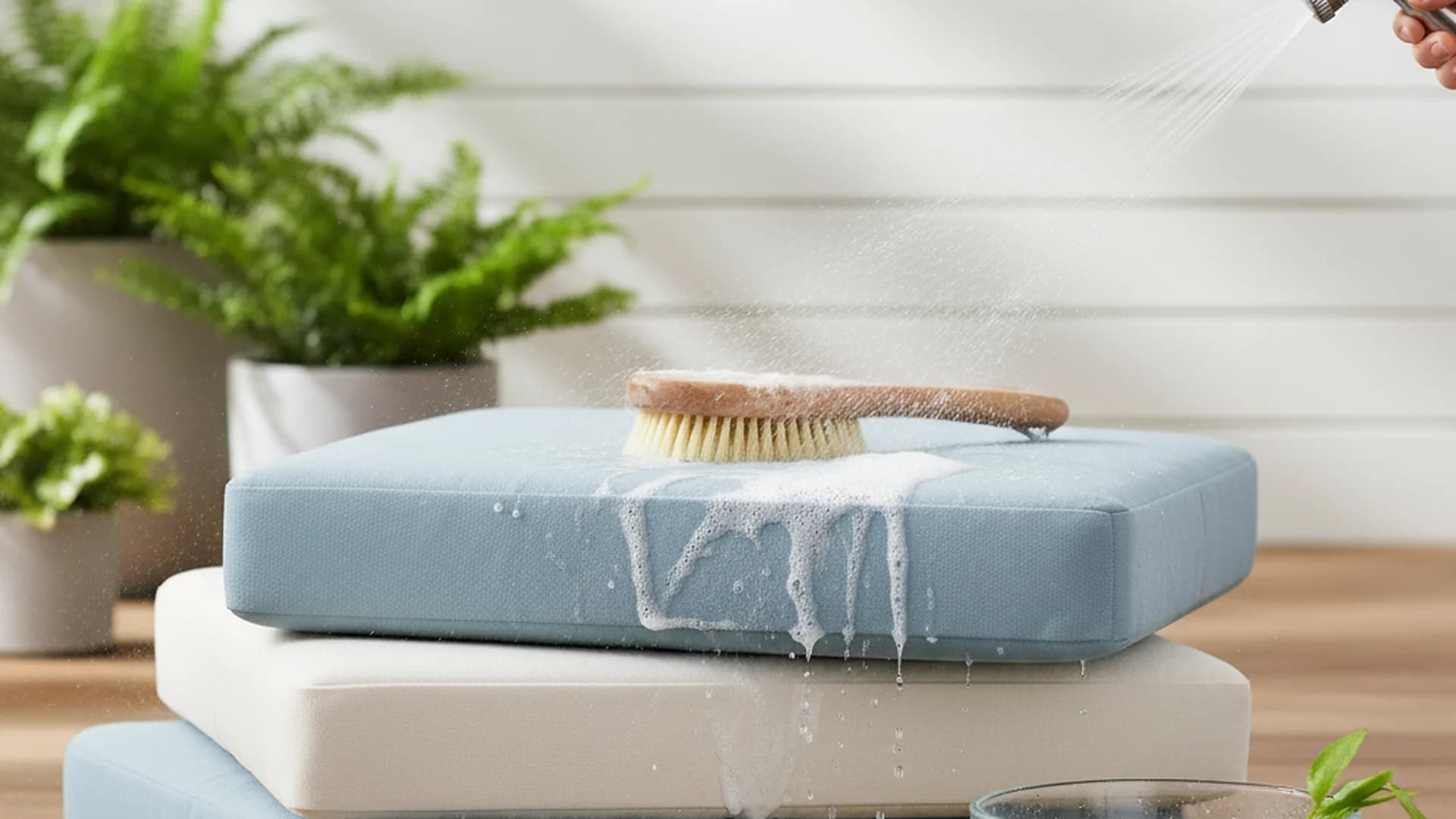
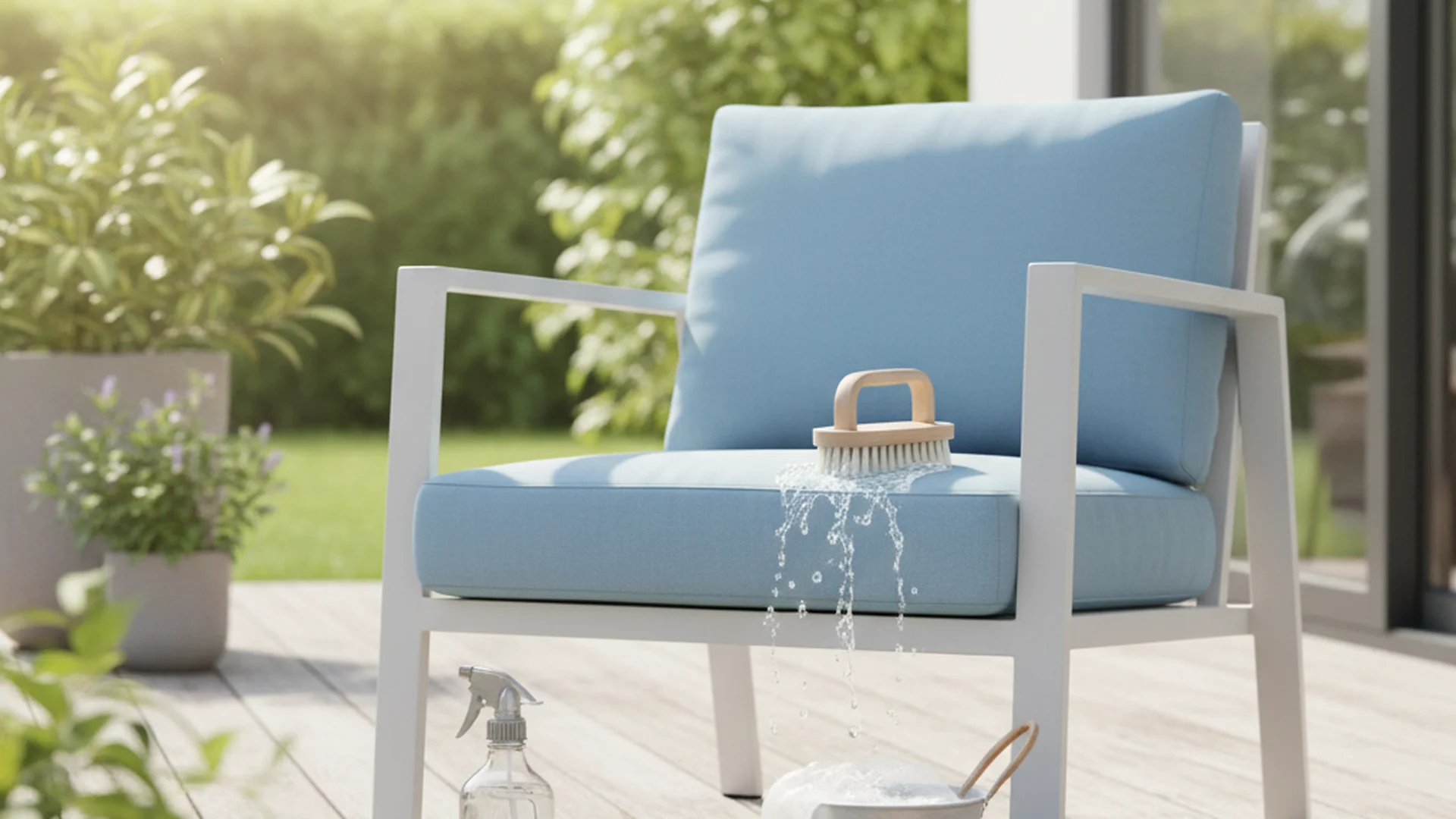
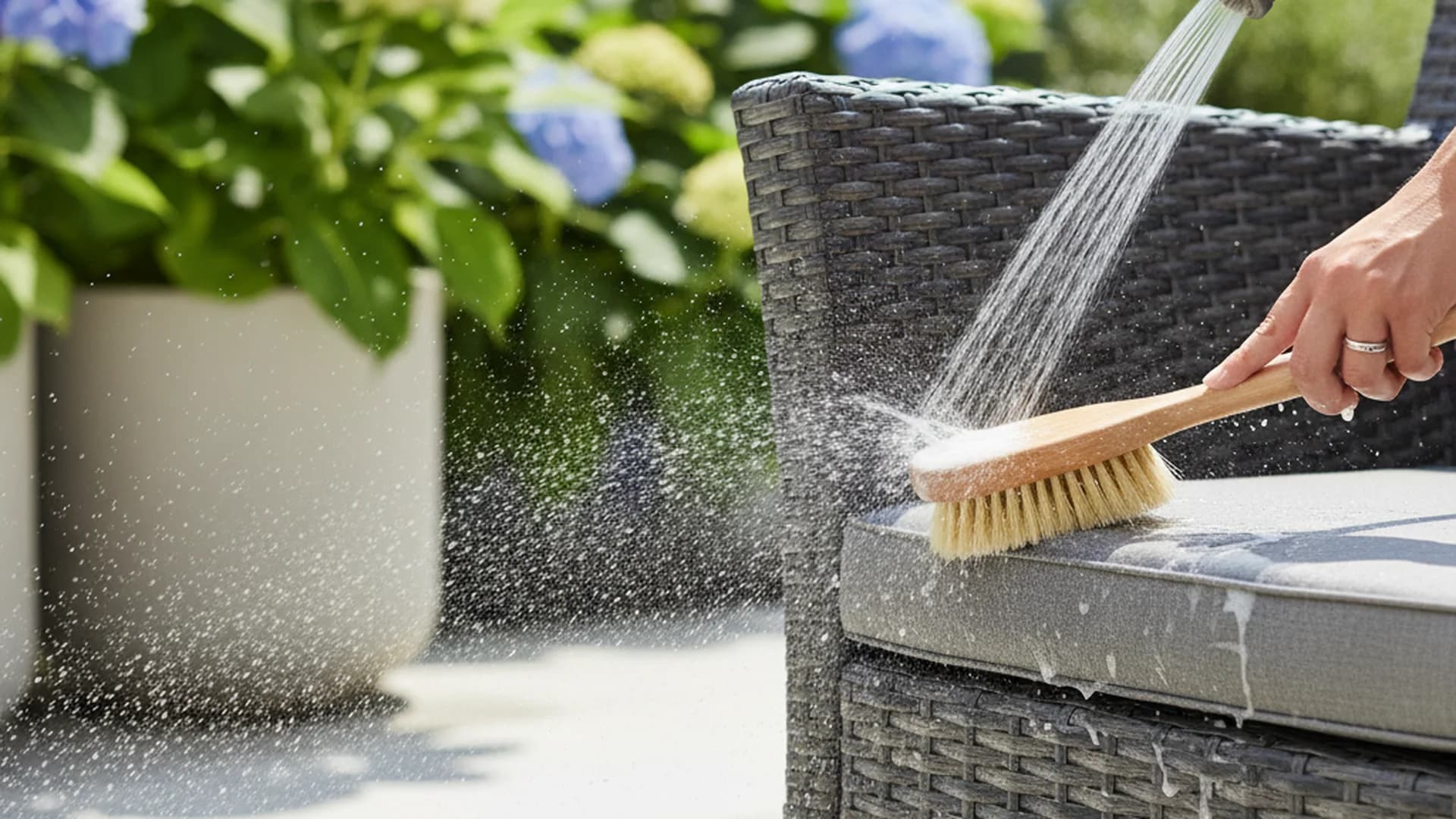
Use a soft-bristle brush to gently scrub the surfaces. For tight spots where the weave is particularly intricate, an old toothbrush works perfectly to dislodge hidden grime.
Tip: Work in small sections and scrub in a circular motion to ensure you reach the underside of the overlapping resin strands.
Step 4: Rinsing
Rinse thoroughly with a standard garden hose. Ensure all soapy residue is removed, as leftover soap can act as a magnet for dust and pollen, making the furniture look dirty again within days.
Step 5: Drying
Allow the furniture to air dry completely in the sun for at least 2 hours before replacing cushions or sitting on it.
Warning: Never sit on damp resin wicker. The plastic can stretch slightly under weight when wet, leading to a permanent "sag" in the seat.
Advanced Stain Removal Techniques
Sometimes, a simple soap-and-water wash isn't enough. Here is how to handle specific, stubborn issues.
Removing Sticky Tree Sap
If you have ever left your furniture under a pine or oak tree, you know the frustration of sticky sap. To remove it, apply a small amount of rubbing alcohol to a microfiber cloth and dab the spot. For larger areas, a specialized adhesive remover like Goo Gone is effective, but always test it on an inconspicuous area first.
Dealing with Bird Droppings
Bird droppings can be acidic and may stain if left too long. Create a paste of baking soda and water, apply it to the stain, let it sit for 10 minutes, and then gently scrub it away. This lifts the stain without the risk of bleaching the resin.
Eliminating Mold and Mildew
While resin itself is non-porous, dirt trapped in the weave can host mold. A solution of 1 part white vinegar to 4 parts water is an eco-friendly way to kill spores without damaging the plastic fibers.
Success: Following these targeted steps will restore your furniture's finish without the risk of chemical "chalking" or surface degradation.
Common Mistakes to Avoid
Even well-intentioned cleaning can go wrong. Avoid these four common pitfalls to keep your furniture in top shape.
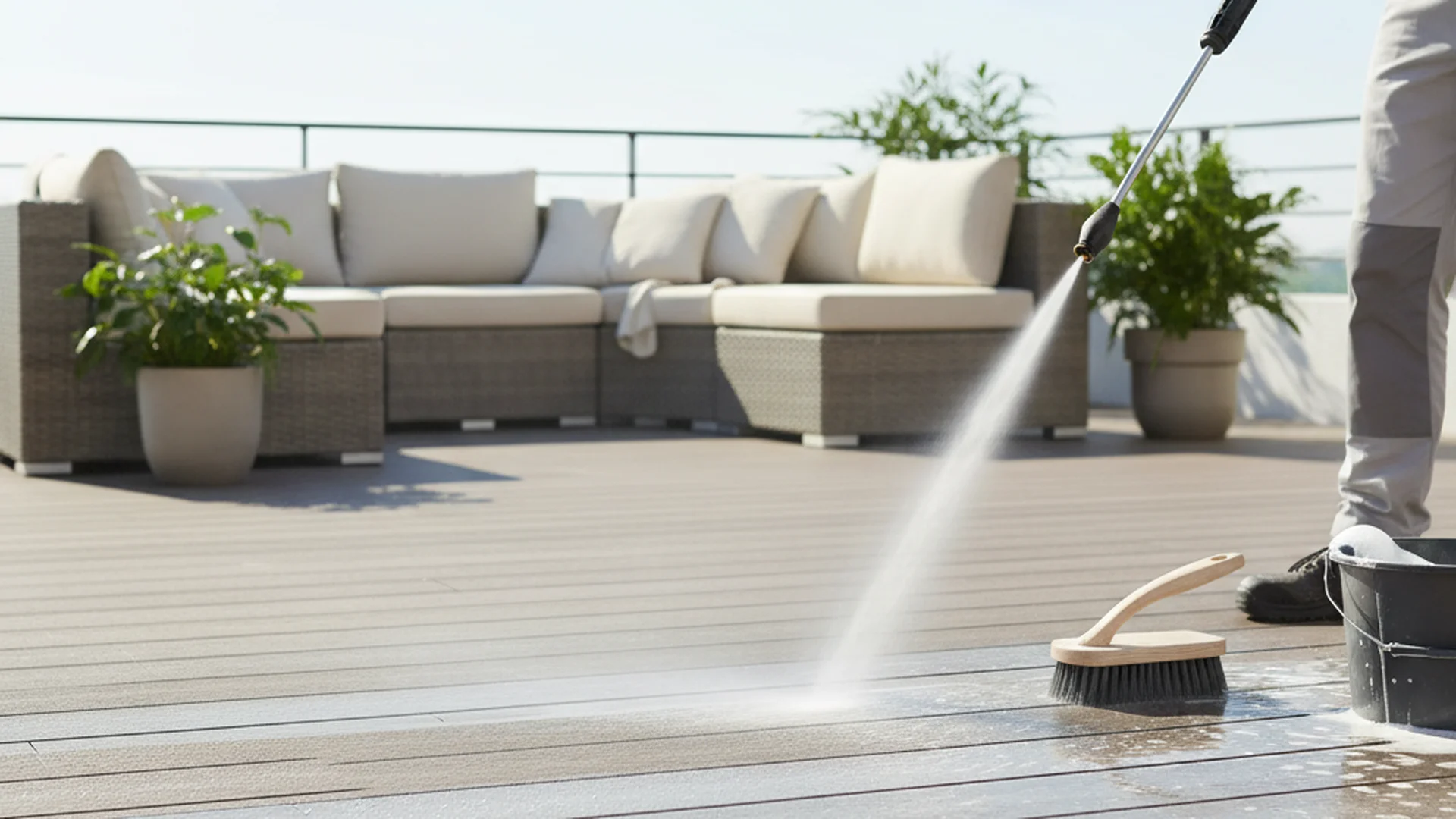
- Using a Pressure Washer: High pressure can unravel the weave or strip protective UV coatings. Stick to a garden hose with a "stream" setting.
- Abrasive Tools: Never use steel wool or stiff wire brushes. These create micro-scratches in the resin that act as "dirt traps," making future cleaning much harder.
- Using Harsh Bleach: Unless stated by the manufacturer, bleach can degrade the molecular structure of the plastic, causing it to lose its color and become brittle.
- Upside-Down Winter Storage: Many people flip their chairs to store them. However, water can enter the metal frame through drainage holes, freeze, and cause the metal to expand and crack. Always store furniture upright and covered.
Trends for 2025–2026: The New Era of Resin Wicker
As we move into 2025 and 2026, the world of outdoor furniture is shifting toward "Sustainable Luxury." Search interest in this category has risen by 187%, leading to more furniture made from recycled HDPE. This material requires the same cleaning methods as virgin resin but aligns with more eco-conscious lifestyle choices.
Furthermore, new regulations are pushing manufacturers toward PFAS-free textiles for cushions. These new "forever-chemical-free" fabrics lack the heavy coatings of the past, meaning they may require more frequent cleaning with mild soaps to prevent deep-set staining.
Note: As designers continue to blur the lines between "Indoor and Outdoor" spaces, maintenance for sunroom wicker is shifting. For these pieces, focus more on dusting and vacuuming rather than hosing to protect your indoor flooring.
Frequently Asked Questions
Can I use a pressure washer on resin wicker?
Is resin wicker actually waterproof?
How do I clean mold or mildew from the weave?
How often should I perform a deep clean?
Conclusion
Learning how to clean resin wicker is the best way to protect your investment and ensure your outdoor oasis remains beautiful for a decade or more. By identifying whether you have HDPE or PVC, using the right tools, and avoiding the temptation of a pressure washer, you can maintain that "new furniture" look with very little effort.
Regular maintenance—specifically vacuuming the crevices and using mild soap—is the secret to long-lasting outdoor comfort. Now that your frames are sparkling, you can focus on enjoying those long summer evenings.
Cleaning that keeps score
Every task earns points, every streak multiplies them, and Premium adds a household leaderboard plus a monthly Dustagorgon to beat.
- Free forever
- 30 badges to earn
- Up to 6 in a household
No card needed. Set up your rooms in a couple of minutes.