In this article
What you’ll learn
- Use a 1:1 vinegar and water solution for an eco-friendly, streak-free shine.
- Prioritize safety by using telescopic water-fed poles instead of ladders.
- Avoid cleaning in direct sunlight to prevent the solution from drying too quickly.
There is a profound psychological shift that occurs when you finally tackle the chore of cleaning outside windows. Suddenly, the world looks sharper, colors appear more vibrant, and your home feels revitalized. Beyond the immediate aesthetic satisfaction, maintaining your home’s exterior glass is a critical aspect of property maintenance. In fact, professional-grade cleaning noticeably increases the amount of natural light that reaches your rooms, a factor that significantly influences both mood and property staging.
Clean windows are one of the biggest drivers of curb appeal, which is why window cleaning has become such a busy trade. However, you don't need to hire a professional crew to achieve high-end results. By following the right techniques and leveraging modern tools, you can master the best way cleaning outside windows yourself while ensuring a safe and efficient process.
Why Cleaning Outside Windows is More Than Just Aesthetic
While we often focus on the view from the inside looking out, the exterior of your windows faces a constant barrage of environmental stressors. From bird droppings and pollen to mineral-heavy rain and industrial pollutants, these substances don't just sit on the glass—they can cause permanent damage.
Over time, minerals from tap water or acidic rain can lead to "glass degradation" or etching. This occurs when hard water deposits seep into the pores of the glass, creating cloudy spots that are nearly impossible to remove without professional restoration. By committing to a regular cleaning schedule (2–3 times per year is ideal), you protect your investment and ensure your windows last for decades.
Success: Regular cleaning prevents mineral buildup that can lead to permanent glass etching, saving you thousands in window replacement costs.
Essential Tool Kit for Exterior Success
Before you even touch a drop of water, you need the right gear. Using the wrong tools is the number one reason homeowners end up with streaks or lint-covered glass.
| Tool | Purpose | Why It’s Essential |
|---|---|---|
| Professional Squeegee | Removing Water | A sharp rubber blade leaves a dry, streak-free surface. |
| Microfiber Cloths | Detailing | These trap dust without leaving lint like paper towels. |
| Telescopic Pole | Reach | Allows you to clean 2nd-story windows from the ground safely. |
| T-Bar Scrubber | Agitating Dirt | Holds more water and soap than a sponge for heavy grime. |
| Two Buckets | Soil Management | Keeps your cleaning solution separate from the rinse water. |
Tip: Invest in a squeegee with a replaceable rubber blade. A "nicked" or old blade will leave lines no matter how good your technique is.
The Professional Method: A Step-by-Step Guide
To achieve a professional finish, you must move away from the "spray and wipe" mentality. Follow this systematic approach for the most efficient results.
Step 1: Prep the Frames and Screens
One of the most common mistakes is starting with the glass. If you apply water to a window with dirty frames, the dust will turn into mud and run down your clean glass. Use a dry brush or a handheld vacuum to remove cobwebs and loose dirt from the frames, sills, and tracks. Next, remove the screens and set them aside.
Note: Screens act like filters for dirt. If you clean the glass but leave the screens dirty, the next rainfall will simply transfer that grime back onto your windows.
Step 2: The Pre-Wash
If your windows haven't been cleaned in months, they likely have a layer of abrasive grit. Use a garden hose to gently rinse the glass and frames. This removes the "heavy lifting" dirt and prevents you from scratching the glass with your scrubber later.
Step 3: Mix Your Solution
Forget expensive, chemical-heavy blue sprays. The best way cleaning outside windows involves a simple DIY solution. Mix white distilled vinegar and water in a 1:1 ratio. For windows with heavy grease or bird droppings, add 1–2 drops of Dawn dish soap.
Step 4: Scrub Top-to-Bottom
Dip your T-bar scrubber into the soapy solution and apply it to the glass, starting at the top. Use circular motions to agitate the grime. If you encounter stubborn spots (like dried paint or sap), use a specialized plastic scraper while the glass is wet.
Step 5: The Squeegee Technique
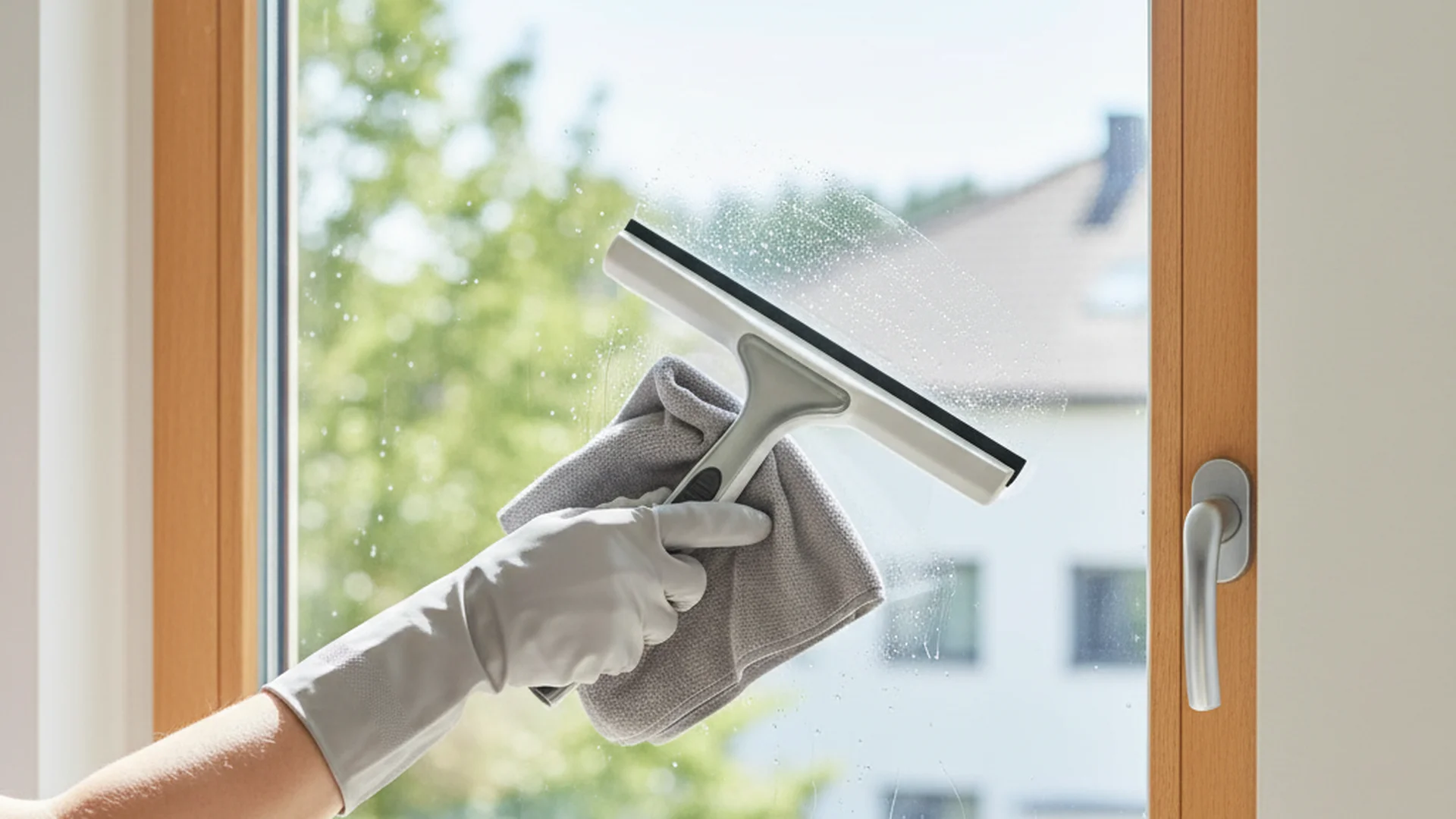
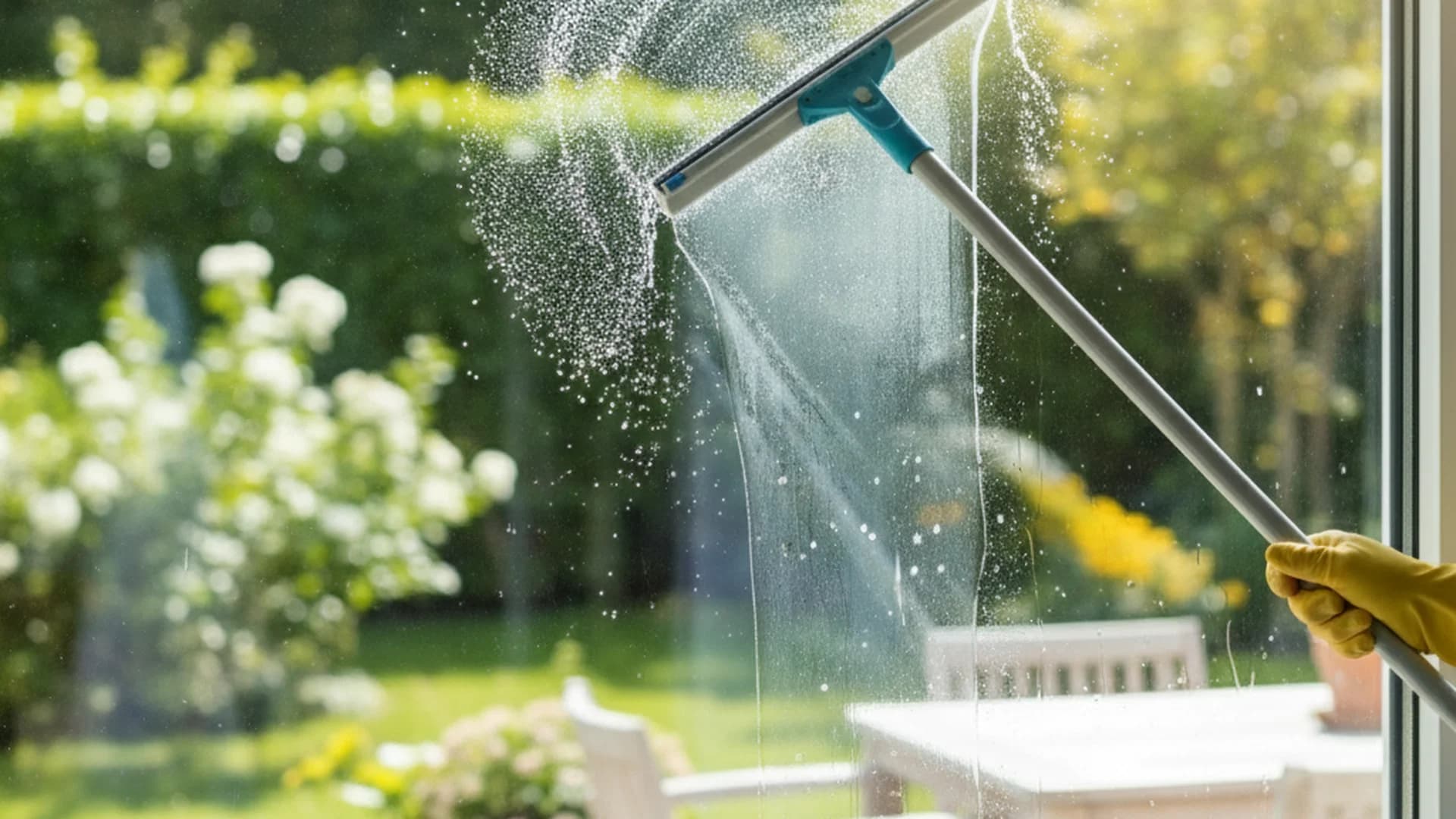
This is where the magic happens. Hold your squeegee at a 30-45 degree angle. Start at the top corner and pull across or down in one continuous motion. After every single pass, wipe the rubber blade dry with a clean microfiber cloth. This prevents "track marks" from being carried over to the next section.
Warning: Never squeegee dry glass. The blade requires the lubrication of the cleaning solution to glide effectively.
Safety First: Ditch the Ladder
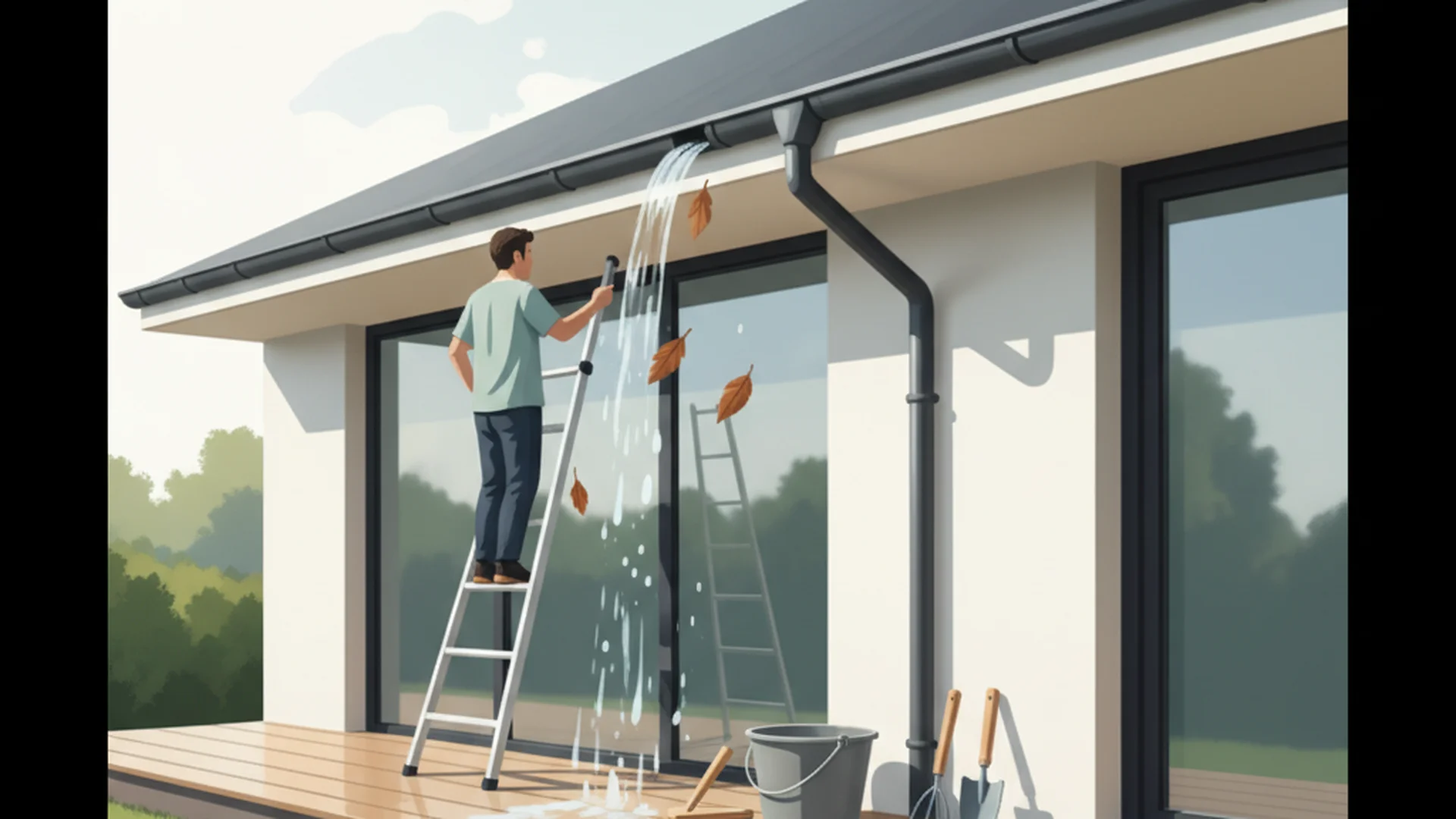
Safety is a critical component of outdoor maintenance. Falls from height are one of the leading causes of serious injury in cleaning and construction work. When cleaning outside windows on a second or third story, the modern standard is to stay on the ground.
Telescopic water-fed poles have revolutionized residential window cleaning. These poles can extend up to 30 feet or more, allowing you to reach high panes without ever setting foot on a ladder. For homeowners in 2025, U-shaped extenders are also a popular choice for cleaning the exterior of windows from the inside of the house, particularly for apartment dwellers.
Warning: If a window is unreachable even with an extension pole, do not attempt to balance on a roof or ladder. Hire a professional service with the proper harness equipment.
The "Cloudy Day" Rule and Other Expert Tips
Timing is everything. One of the most important cleaning outside windows tips is to check the weather forecast. While it might seem intuitive to clean on a bright, sunny day to see the dirt better, direct sunlight is your enemy.
The heat from the sun causes your cleaning solution to evaporate almost instantly. This "bakes" the soap and vinegar onto the glass before you have a chance to squeegee it off, resulting in those frustrating, iridescent streaks. Aim for an overcast day or clean during the "golden hours" of early morning or late evening.
Real-World Example: The Coastal Home
Homeowners living near the ocean face a unique challenge: salt spray. Salt is highly abrasive and can etch glass quickly. In these environments, the "two-bucket system" is vital. One bucket is for your soapy scrubber, and the second bucket is filled with fresh water to rinse your scrubber after every pass. This ensures you aren't just moving salt crystals around the pane.
Real-World Example: The Urban Condo
In high-traffic urban areas, windows often accumulate a thin film of oily soot from car exhaust. Adding a small amount of "wetting agent" or a few extra drops of dish soap helps break down these oils more effectively than vinegar alone.
2025 Trends: High-Tech Cleaning Solutions
As we move into 2026, technology is making window maintenance easier than ever. If the manual labor of scrubbing and squeegeeing doesn't appeal to you, consider these modern alternatives.
Robotic Window Cleaners
AI-driven robots, such as the latest models from Ecovacs, have become a staple for homeowners with large floor-to-ceiling windows. These devices use vacuum suction to "stick" to the glass and navigate the entire surface autonomously. While they may require a manual "finishing touch" in the corners, they handle 95% of the heavy lifting.
Pure Water Technology and DI Filters
Professional cleaners have used deionization (DI) tanks for years, but 2025 has seen a surge in residential-sized DI filters. These systems attach to your garden hose and remove all dissolved minerals from the water. Because the water is "pure," you can simply scrub the window with a brush and rinse it off—the water will evaporate without leaving a single spot, eliminating the need for a squeegee.
Hydrophobic Nano-Coatings
After cleaning, many homeowners are now applying "self-cleaning" nano-coatings. These treatments create a hydrophobic (water-fearing) surface. Rainwater beads up and rolls off, taking surface dust with it. This can extend the time between cleanings from four months to nearly a year.
Common Mistakes to Avoid
Even with the best intentions, a few common errors can ruin your hard work.
- Using Paper Towels: Paper towels are made of wood pulp; they leave behind lint and create static electricity that actually attracts more dust to the window.
- The Newspaper Myth: While older generations swear by newspaper, modern inks are often soy-based. Using newspaper today often results in black smudges on your white window frames and hands.
- Over-Sudsing: It’s tempting to use a lot of soap, but this creates a sticky film. Use only 1-2 drops of soap per gallon.
- Ignoring the Sills: Dirt left on the sills will eventually blow back onto the glass or turn into mud during the next rainstorm. Always detail your sills with a dry cloth after you finish the glass.
Frequently Asked Questions
What is the best DIY cleaning solution for outside windows?
Can I just use a garden hose to clean my windows?
How do I clean windows I can’t reach?
Does rain make windows dirty?
Conclusion
Mastering the art of cleaning outside windows is a skill that pays dividends in both home value and personal satisfaction. By moving away from outdated methods like paper towels and embracing professional techniques like the "two-bucket system" and squeegee mastery, you can achieve professional-grade results on a DIY budget. Whether you choose to go high-tech with a window-cleaning robot or stick to the classic vinegar-and-squeegee approach, the key is consistency. Aim for a seasonal cleaning schedule to keep your views clear and your glass protected from the elements.
Success: By implementing these strategies, you’ve not only improved your home’s curb appeal but also extended the lifespan of your windows and boosted the natural light in your living space.
Cleaning that keeps score
Every task earns points, every streak multiplies them, and Premium adds a household leaderboard plus a monthly Dustagorgon to beat.
- Free forever
- 30 badges to earn
- Up to 6 in a household
No card needed. Set up your rooms in a couple of minutes.