In this article
What you’ll learn
- Deep cleaning every 3-6 months prevents grease fires and extends equipment life.
- A 'Clean Burn' at high temperatures is the most efficient way to loosen carbon buildup.
- Never skip re-seasoning after a deep clean to prevent rust and maintain performance.
There is nothing quite like the aroma of a low-and-slow brisket wafting through the backyard. However, behind every great pitmaster is a piece of equipment that requires meticulous care. Learning how to clean smoker units properly is the difference between a high-performing culinary tool and a literal fire hazard. As we move into the 2025-2026 outdoor cooking season, maintenance has evolved from simple scrubbing to a science involving bio-cleaners and smart sensors.
In this guide, we will explore the best way clean smoker components while ensuring you protect your investment for years to come. Whether you are using a traditional offset, a modern pellet grill, or an electric cabinet, these professional standards will keep your food tasting pure and your equipment running efficiently.
Why Cleaning Your Smoker Matters (Safety and Science)
Many hobbyists believe that the black coating inside a smoker is "seasoning" that adds flavor. This is perhaps the most dangerous myth in the BBQ community. In reality, that flaky, black buildup is creosote—a bitter, acidic byproduct of incomplete combustion. Not only does it ruin the taste of your meat, but it also creates a massive safety risk.
According to fire safety data from NFPA, 43% of grease fires in outdoor cooking equipment ignite because of accumulated oil and residue that was not properly cleaned. Beyond safety, a clean smoker is simply more efficient. A soot-covered interior acts as an insulator, often requiring 10–15% more fuel to reach and maintain target temperatures compared to a clean, reflective interior.
Success: Regular predictive maintenance can extend the lifespan of high-end smokers by up to 20%, saving you thousands of dollars in replacement costs.
The Best Way Clean Smoker: A Step-By-Step Guide
Cleaning a smoker is a labor-intensive process, but following a structured workflow ensures you don't miss the hidden areas where grease and ash like to hide.
Step 1: The "Clean Burn" Technique
Before you pick up a scraper, let heat do the heavy lifting. The "pro hack" for 2025 is to run your smoker at 300°F–400°F for approximately 30 minutes. This softens hardened grease and carbonized food particles.
Tip: If you are dealing with a mold outbreak from a winter in storage, increase the heat to 350°F+ for at least an hour to sterilize the interior before manual cleaning.
Step 2: Interior Walls and Scraping
Once the smoker has cooled down to a touchable temperature, use a plastic or wooden scraper to remove the softened "gunk" from the interior walls. Avoid metal scrapers on porcelain-coated interiors to prevent chipping.
Example: The Restoration Project I once consulted for a client who had inherited a 10-year-old offset smoker that hadn't been cleaned in years. By using the clean burn technique followed by a simple 50/50 vinegar-water solution, we were able to strip away five years of creosote without using a single harsh chemical.
Step 3: Tackling the Grates and Water Pan
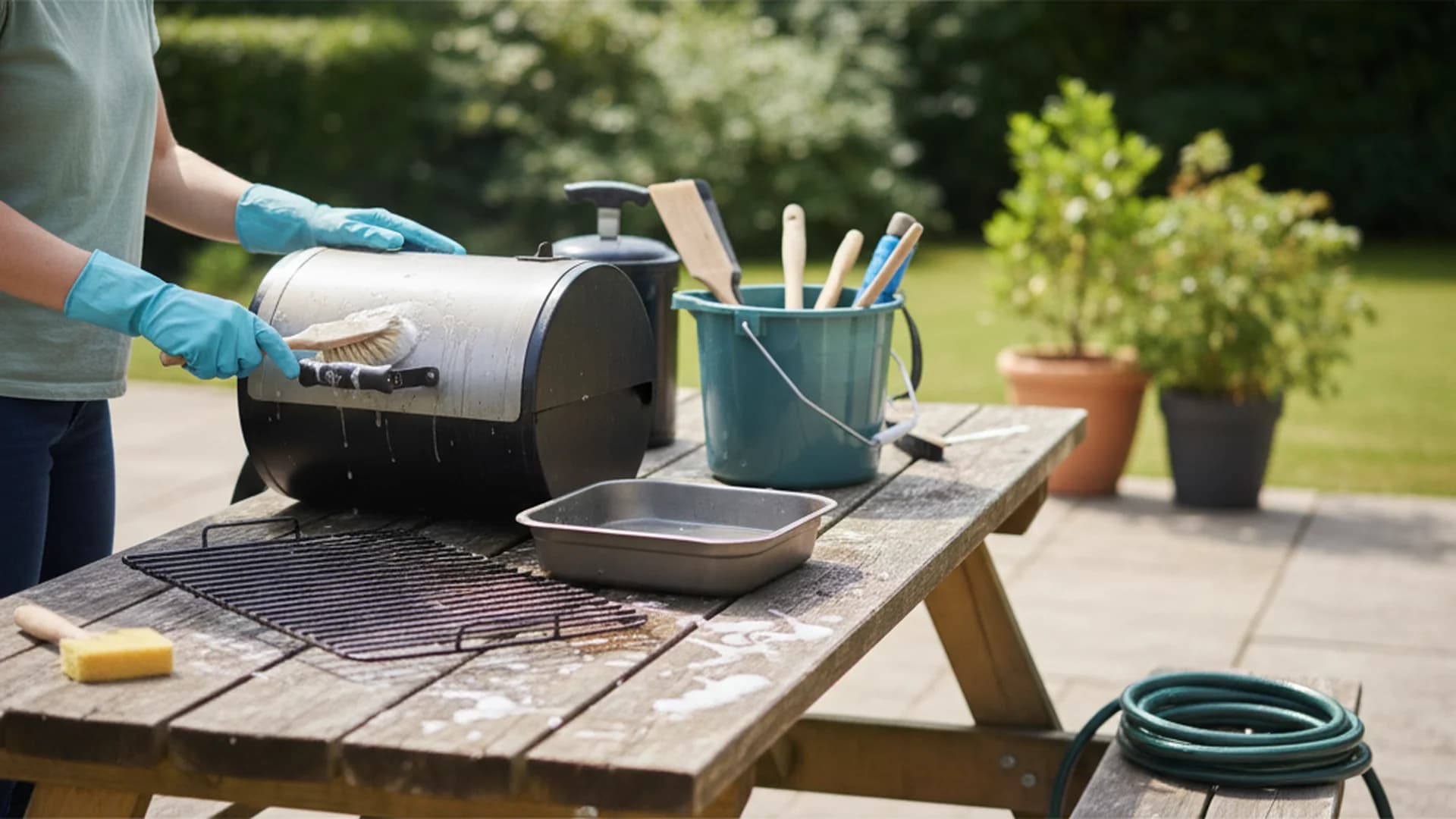
Removable parts like grates and water pans are the only areas where standard dish soap is recommended.
| Component | Cleaning Method | Frequency |
|---|---|---|
| Cooking Grates | Nylon Brush / Dish Soap | After every use |
| Water Pan | Soak in hot soapy water | Every cook |
| Heat Deflector | Scrape and wipe | Every 3-5 cooks |
| Drip Tray | Replace foil / Scrape | Every 2-3 cooks |
Warning: Never use wire brushes on porcelain-coated grates. The metal bristles can snap off, stick to the grates, and end up in your food—a significant choking hazard.
Step 4: The Ash and Grease Management
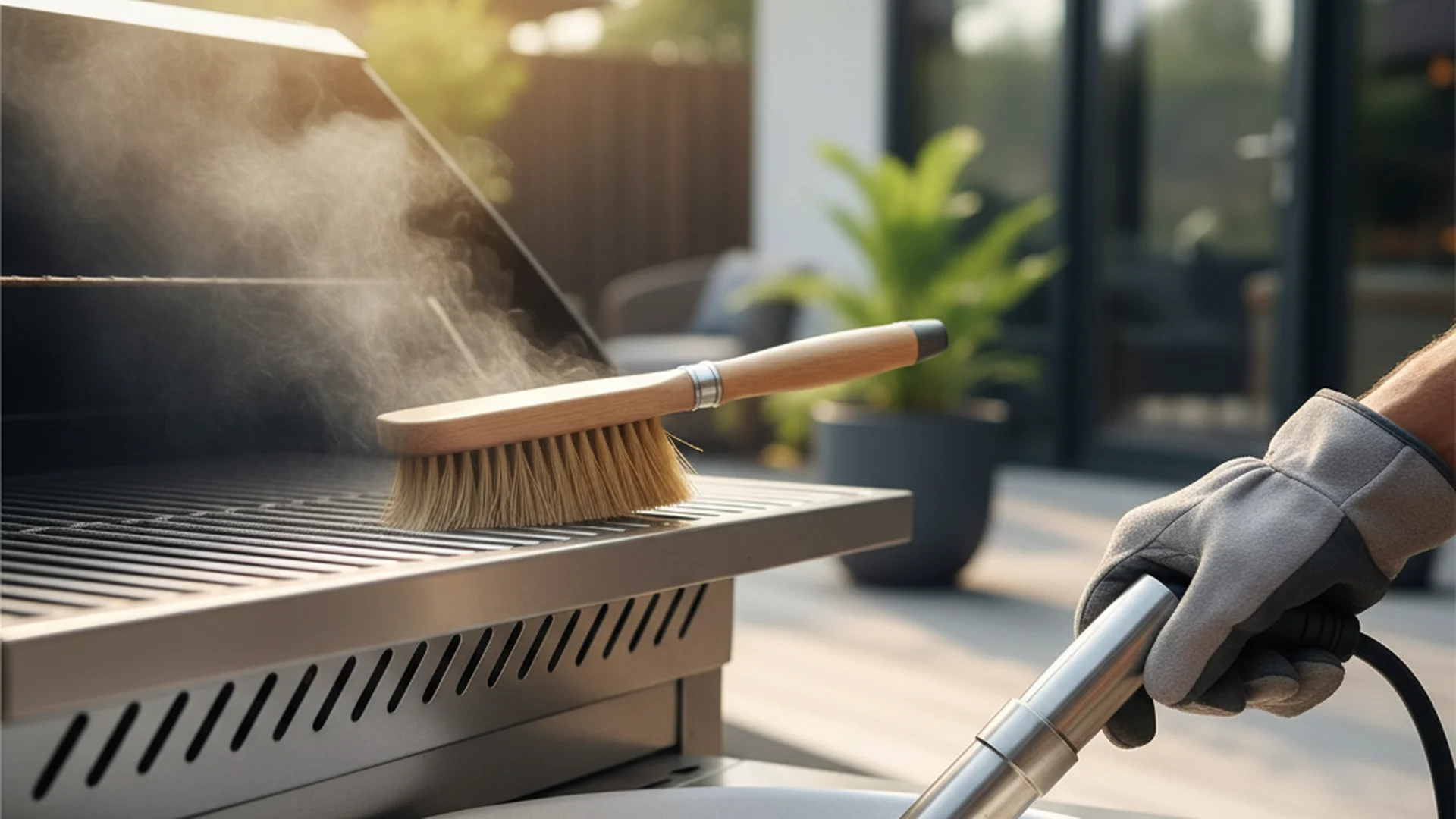
For pellet and charcoal smokers, ash is the "silent killer." When ash sits in a smoker, it absorbs moisture from the air, creating a corrosive paste that eats through metal. Use a HEPA-filtered shop vac to clear the firepot and the base of the smoker after every 2-3 cooks.
Furthermore, inspect the grease chute. Most grease fires start in the narrow tube leading to the grease bucket. If this isn't cleared with a pipe cleaner or stiff wire regularly, a clog can turn the chute into a torch.
2025-2026 Trends in Smoker Maintenance
The world of outdoor cleaning is becoming smarter and greener. If you are looking for the absolute best way clean smoker units in the modern era, consider these recent shifts:
- Robotic Maintenance: Devices like the 2025 Grillbot now feature improved sensors that allow them to autonomously clear grates while the smoker is still warm, significantly reducing the manual labor required between cooks.
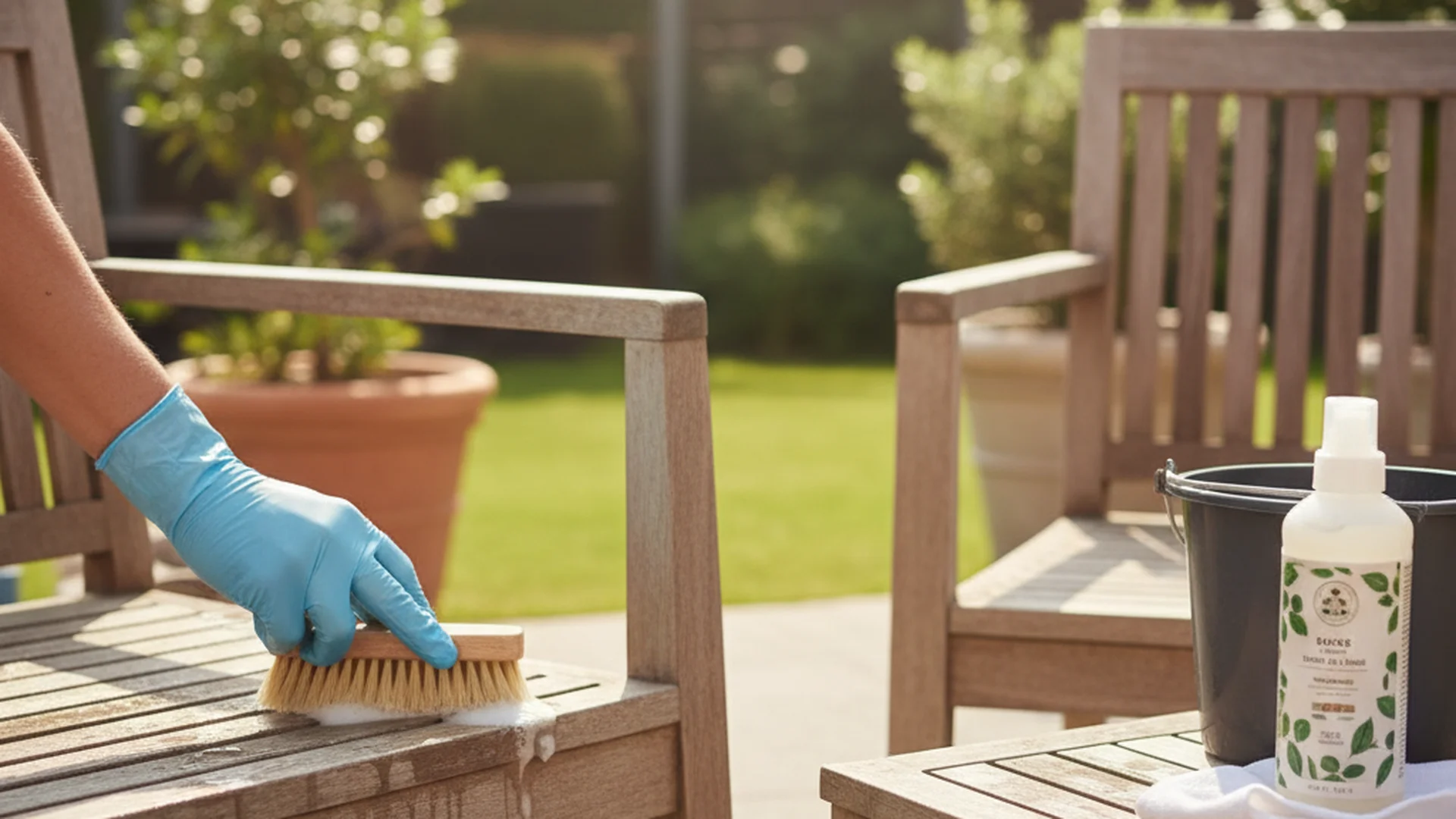
- Eco-Friendly "Bio-Cleaners": There is a massive shift away from caustic oven cleaners. Plant-based, enzymatic cleaners (like Citrusafe) are now the industry standard. They are biodegradable, food-safe, and won't leave "chemical" aftertastes.
- Smart Maintenance Alerts: Modern 2026 models from brands like Traeger and Weber now feature optical grease sensors. These send push notifications to your smartphone when airflow is restricted or when the grease trap reaches a critical level.
Note: Modern modular "easy-clean" designs now allow users to remove heat deflectors and ash systems entirely, making deep cleans much faster than in previous years.
The Essential Post-Clean Step: Re-Seasoning
Whenever you perform a deep clean that exposes bare metal, you must re-season the interior. This creates a protective polymer layer that prevents rust and helps with temperature stability.
- Wipe the interior walls and grates with a thin layer of high-smoke-point oil (Canola or Grapeseed oil).
- Fire up the smoker and run it at 275°F for 2 hours.
- Allow it to cool completely before your next cook.
Success: A well-seasoned smoker creates a non-stick surface that makes future cleaning 50% faster.
Common Mistakes to Avoid
- Pressure Washing the Interior: While it seems efficient, pressure washing can force water into electronic controllers (especially on pellet and electric models) and strip away the protective seasoning.
- Neglecting Temperature Probes: Never submerge digital probes in water. This destroys the sensitive internal wiring. Instead, wipe them down with 70% isopropyl alcohol.
- The "Black Gunk" Myth: As mentioned, creosote is not flavor. If your smoker walls look like they are peeling black "paint," that is a sign of neglect, not expert seasoning.
- Using Harsh Chemicals: Avoid standard oven cleaners inside the cook chamber. The porous nature of the metal can retain the chemical scent, which will then permeate your $100 brisket.
Frequently Asked Questions
How often should I perform a deep clean?
Can I use dish soap inside my smoker?
How do I clean the glass window without scratching it?
What should I do if I find mold in my smoker?
Conclusion
Understanding how to clean smoker equipment is an essential skill for any outdoor cook. By moving away from reactive cleaning and toward a proactive maintenance schedule, you ensure your equipment remains safe, efficient, and capable of producing world-class flavor. From the initial "clean burn" to the final protective seasoning, every step plays a role in the longevity of your pit.
Example: The Pro-Pitmaster Approach I worked with a competitive BBQ team last year that implemented a strict "ash-vac" policy after every single cook. Not only did their pellet consumption drop by 12%, but they also reported zero temperature fluctuations during their 16-hour competition cooks.
Clean equipment is reliable equipment. Take the time to maintain your smoker today, and it will reward you with decades of perfect BBQ.
Cleaning that keeps score
Every task earns points, every streak multiplies them, and Premium adds a household leaderboard plus a monthly Dustagorgon to beat.
- Free forever
- 30 badges to earn
- Up to 6 in a household
No card needed. Set up your rooms in a couple of minutes.