In this article
What you’ll learn
- Clean ash after every use to prevent corrosive lye buildup.
- Avoid wire brushes to prevent serious health risks from stray bristles.
- Use high-heat burn-offs and natural degreasers like onions for eco-friendly maintenance.
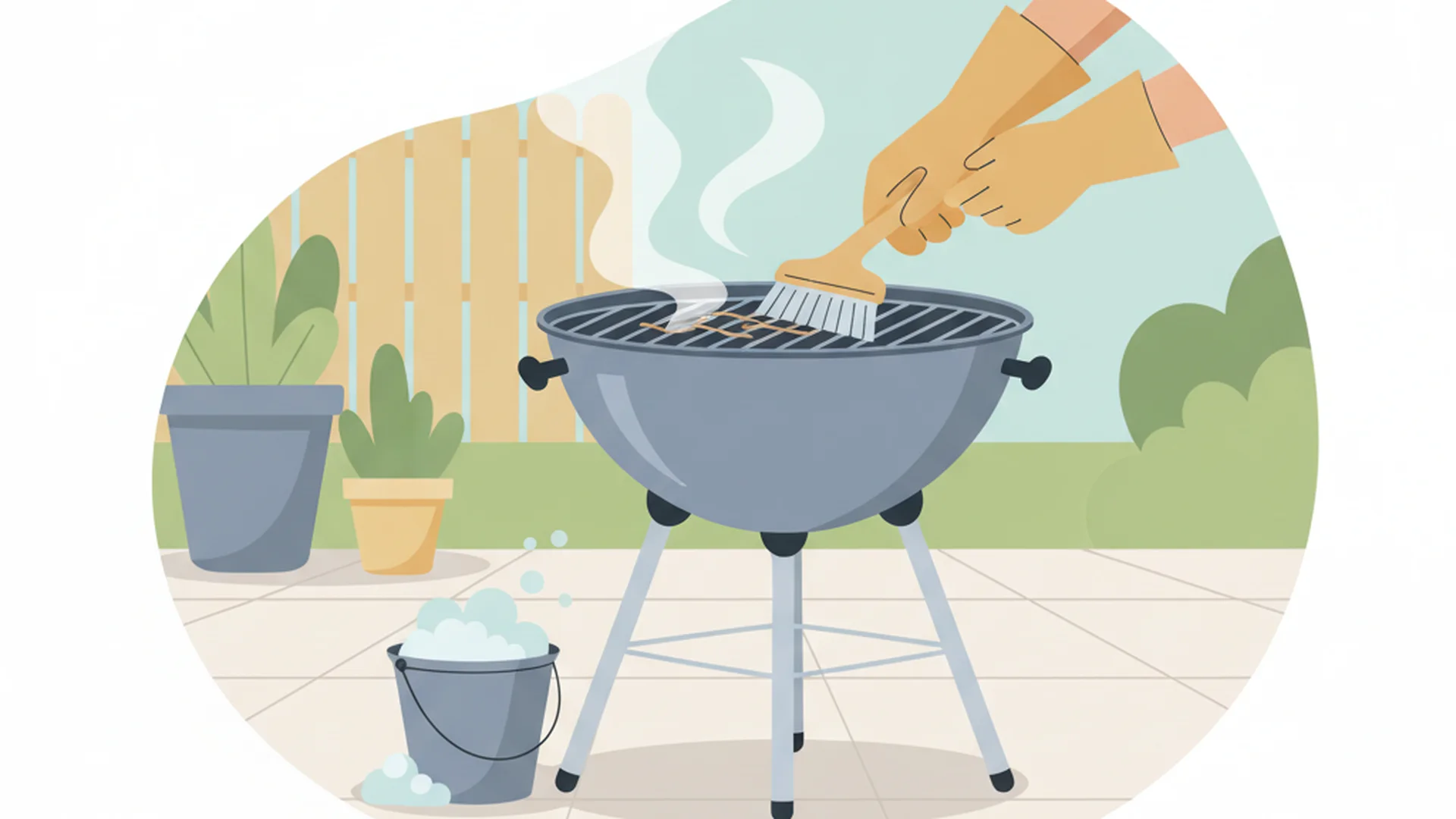
Nothing beats the smoky, charred flavor of a steak or vegetable skewer cooked over real coals. However, if you want that flavor to remain "gourmet" rather than "greasy," learning how to clean charcoal grill components properly is the most important skill you can master. Beyond flavor, maintenance is a matter of safety: built-up grease and residue are one of the most common causes of grill fires.
In 2025, we are seeing a massive shift toward eco-friendly cleaning. Whether you are a weekend warrior or a year-round pitmaster, keeping your equipment in top shape ensures longevity and food safety.
Why Grill Hygiene Matters in 2025
Before we dive into the "how-to," it is important to understand the "why." A neglected grill isn't just an eyesore; it’s a biological and chemical hazard. Warm, greasy grates left dirty between cooks are a hospitable home for bacteria—an uncomfortable thought for a surface you put food directly onto.
Furthermore, there is the "Ash-Corrosion" factor. Charcoal ash is naturally alkaline. When it sits in your grill and mixes with humidity or a light rain, it creates a corrosive paste known as lye. This chemical reaction can eat through a heavy-duty metal grill bottom in a single season.
Success: Regular cleaning can extend the life of a high-end charcoal grill from 5 years to over 15 years, saving you hundreds of dollars in replacement costs.
The Routine Quick Clean: After Every Cook
The best way clean charcoal grill units without spending hours scrubbing is to perform a "mini-clean" every time you cook. This prevents the buildup of carbonized grease and food particles.
The High-Heat Burn-Off
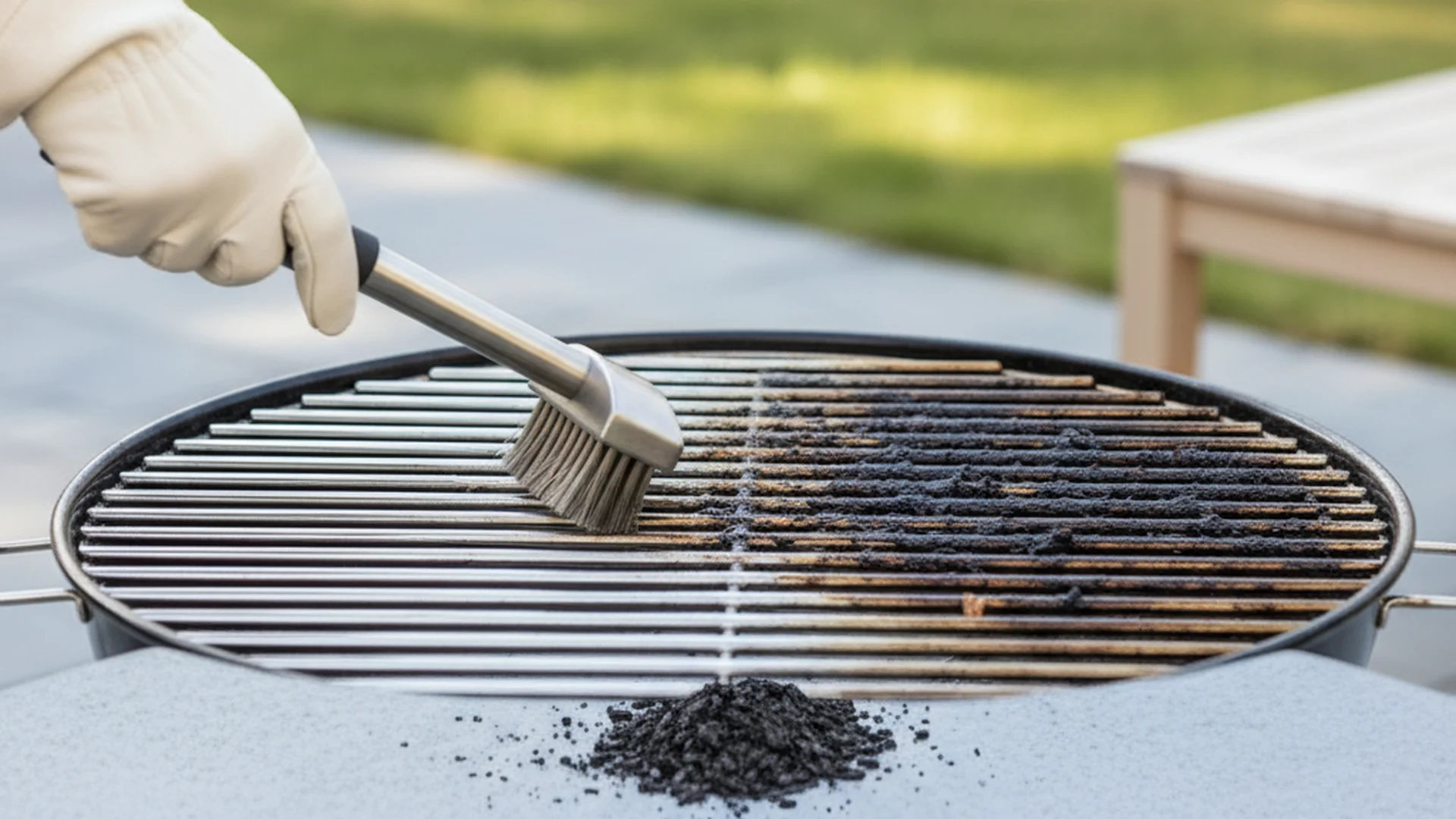
Once you have finished cooking and removed your food, don't close the vents immediately. Instead, open them wide and let the remaining coals reach maximum temperature. Cover the grill for 15 minutes. This intense heat carbonizes leftover proteins and fats, turning them into a brittle ash that is easily brushed away.
The 2025 Onion Trick
A popular trend this year is using a natural abrasive. Stick half a white onion on the end of a long grill fork and rub it across the hot grates. The onion’s natural juices create a localized steam effect, and its acidic properties help break down stubborn grease without the need for synthetic chemicals.
Tip: If you don't have an onion, a balled-up piece of aluminum foil held with tongs works as an excellent disposable scraper.
The Deep Dive: Step-by-Step Deep Cleaning
Even with regular maintenance, a deep clean is recommended every 5–10 uses. This "soapy soak" removes the deep-set soot and grease that the burn-off misses.
Step 1: Ash Removal
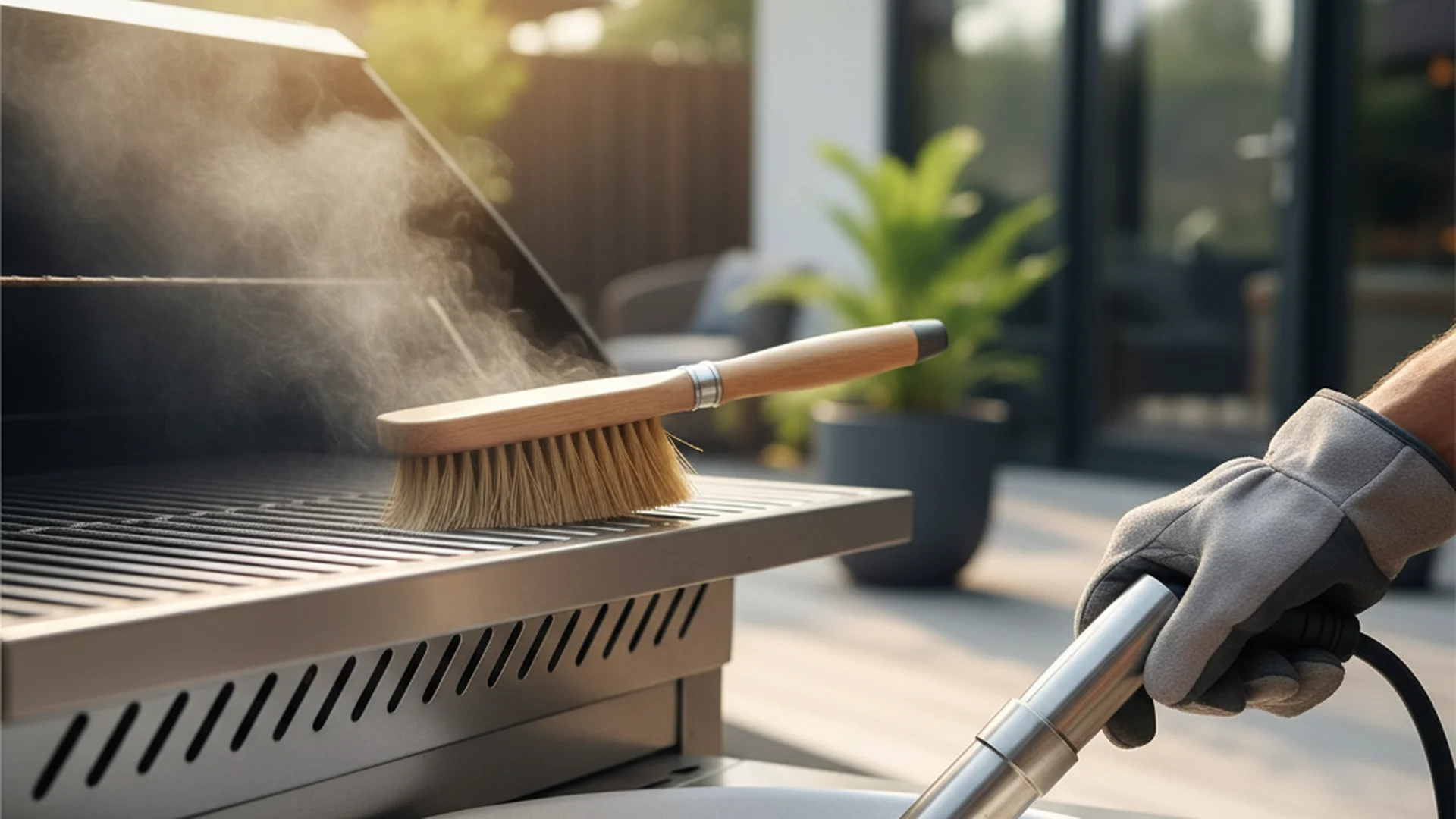
Wait until the grill is 100% cold. A dedicated ash vacuum or a heavy-duty shop vac is the tidiest tool for this job. It ensures that the fine dust, which often clogs intake vents and restricts airflow, is completely removed.
Step 2: The Grate Soak
Remove the grates and place them in a large tub of warm, soapy water. Use a grease-cutting dish soap. Let them soak for at least 30 minutes.
Step 3: Scrubbing the Bowl
While the grates soak, use a plastic putty knife to scrape the interior of the grill lid and the bottom bowl. You will likely see black, flaky material.
Note: These black flakes are not paint! This is creosote—carbonized grease buildup. It isn't toxic, but it can flake off onto your food if not removed.
Step 4: The Final Rinse and Dry
Rinse everything with clean water. This is where most people make a mistake. Do not close the lid while the grill is damp. This creates a "terrarium effect" that can grow mold within 48 hours. Towel dry the components and let them sit in the sun for an hour before reassembling.
| Cleaning Tool | Best Used For | 2026 Trend Rating |
|---|---|---|
| Pumice Stone | Heavy carbon buildup | High (Eco-friendly) |
| Nylon Brush | General grate cleaning | High (Safety-first) |
| Sonic Scrubber | Lid and vent detail | Growing (High tech) |
| Wire Brush | DO NOT USE | Dangerous |
Natural and High-Tech Alternatives
More and more people are switching to "all-natural" cleaning methods. Here are the most effective ways to clean without harsh chemicals:
Bio-Enzymatic Cleaners
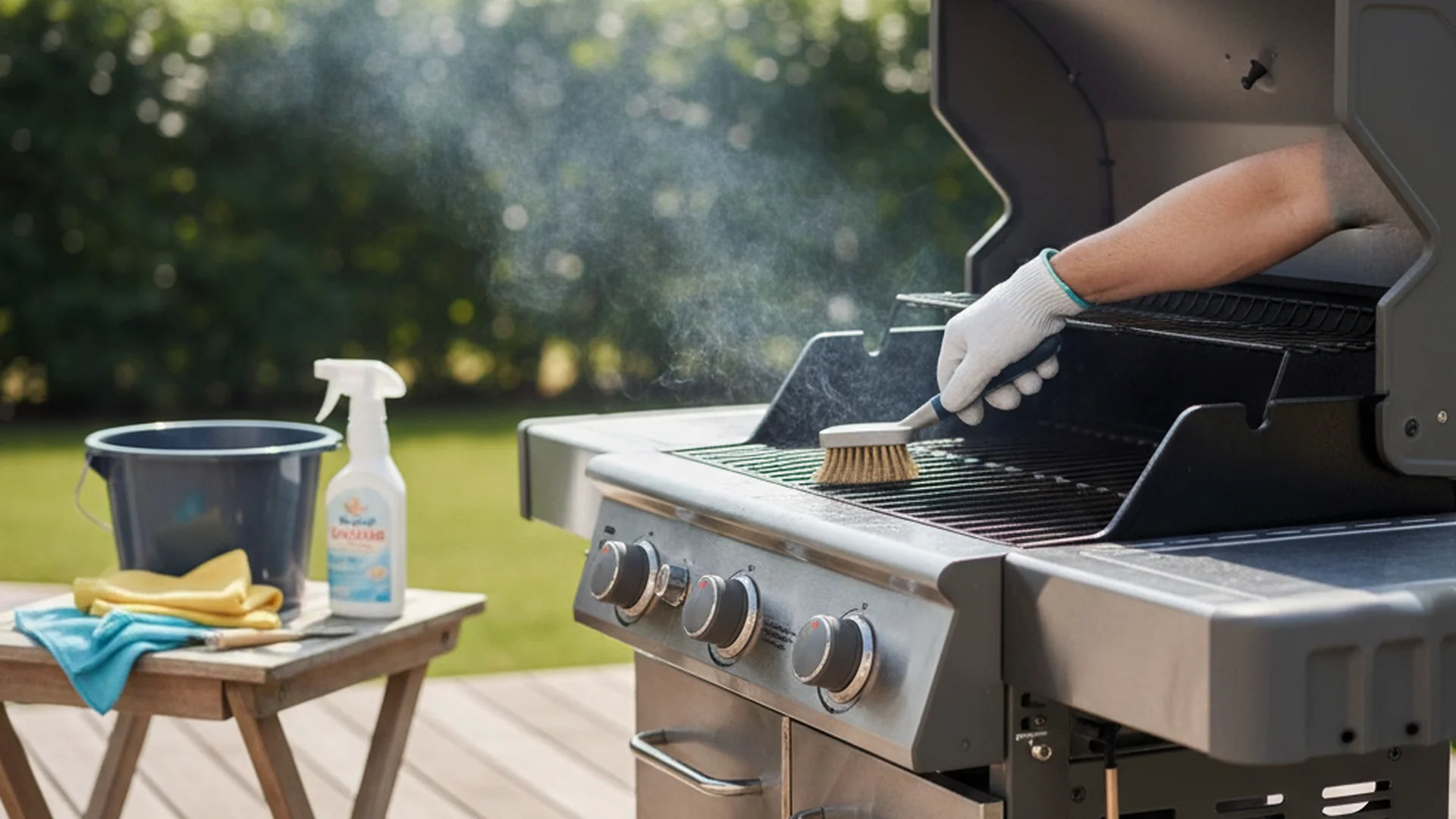
One of the biggest updates for late 2025 is the rise of "probiotic" cleaners. These solutions use live bacteria to "eat" grease and carbon over a 24-hour period. You simply spray the grill, let it sit overnight, and wipe it down the next morning. It completely eliminates the need for hard physical scrubbing.
Baking Soda and Vinegar Paste
For stubborn rust on grates, a thick paste of baking soda and a splash of white vinegar is unbeatable. Apply the paste, let it fizz for 10 minutes, and scrub with a stiff nylon brush.
Warning: Never use oven cleaner on your charcoal grill. The harsh chemicals can soak into the porous metal and leach into your food the next time you cook.
Common Mistakes to Avoid
Even seasoned grill masters fall into these traps. Avoid these errors to keep your grill in peak condition:
- Using Wire Brushes: This is the biggest safety mistake you can make. Tiny wire bristles can break off, stick to the grates, and end up in your burger. Swallowed bristles can cause serious internal injuries. Switch to wooden scrapers or chainmail scrubbers instead.
- Cleaning a Cold Grill: Trying to scrape grease off a cold grill is like trying to scrape dried glue. Always clean the grates while they are still warm or immediately after a pre-heat.
- Neglecting the Vents: If your intake and exhaust vents are clogged with ash, you lose the ability to regulate temperature. This results in "stifled" fires that never get hot enough for a good sear.
- Storing While Wet: As mentioned earlier, moisture is the enemy. Ensure the grill is bone-dry before putting on the cover.
Troubleshooting: Rust and "Peeling Paint"
The Case of the Peeling Lid: "I thought my grill was falling apart," says Mark, a home cook from Chicago. "I saw black sheets of paint peeling off the inside of my Weber lid." As Mark discovered, this is almost always creosote. It looks exactly like peeling black paint but is simply layers of smoke and grease. A simple scrape with a plastic scraper will fix it.
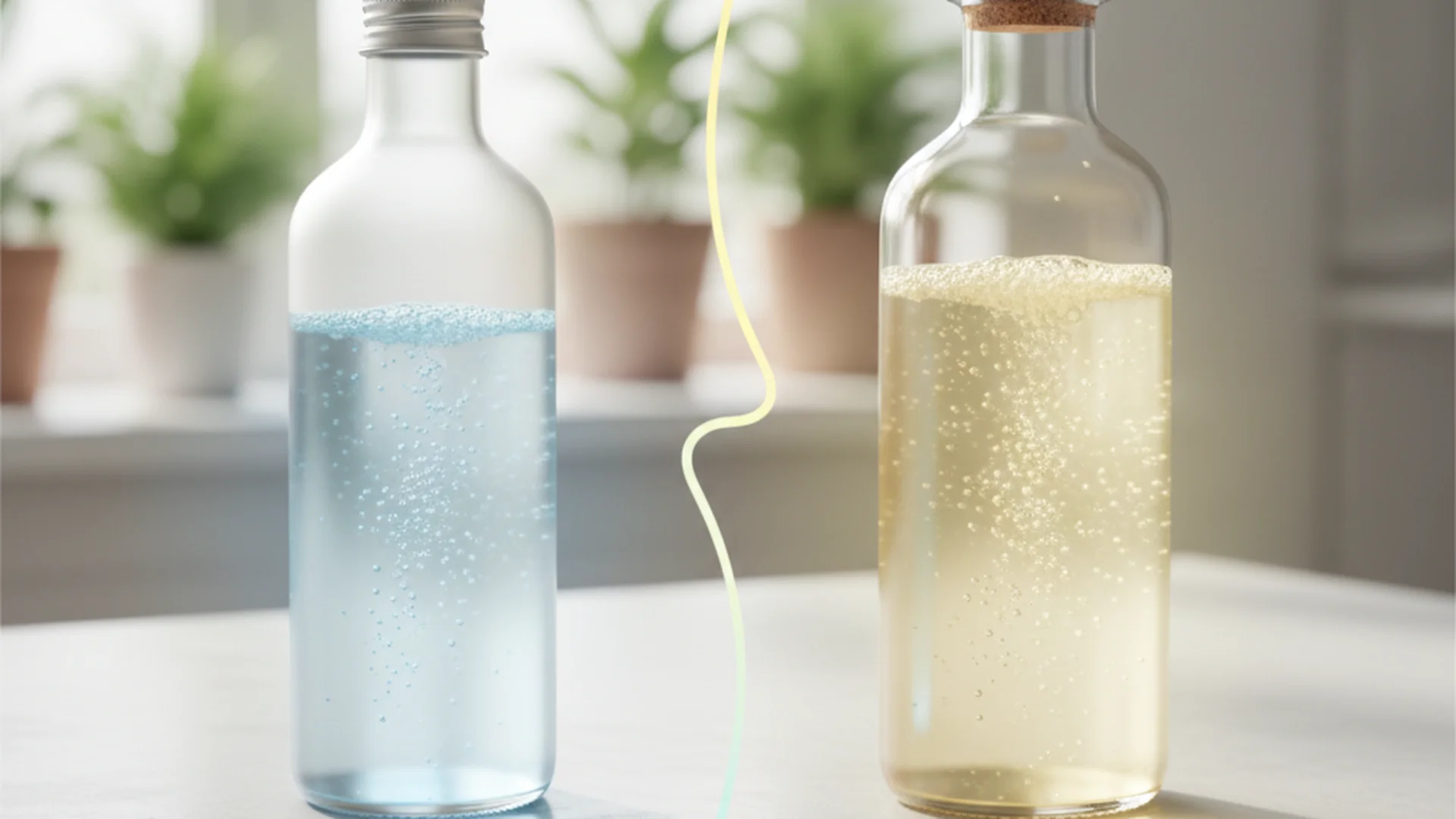
Dealing with Rust: If you find rust on your grates, don't throw them away. Soak them in a 50/50 solution of white vinegar and water for 24 hours. The rust will wipe right off. Afterward, you must "season" the grates with a high-smoke-point oil (like grapeseed oil) to prevent the rust from returning.
Frequently Asked Questions
How often should I deep clean my charcoal grill?
Can I use a pressure washer on a charcoal grill?
How do I get rust off my grill grates?
Do I really need to empty the ash every time?
Is it safe to use a wooden scraper?
Conclusion
Mastering how to clean charcoal grill equipment is about more than just aesthetics—it’s about flavor, performance, and family safety. By moving away from dangerous wire brushes and embracing 2025's eco-friendly trends like bio-enzymatic cleaners and the "onion trick," you ensure that your backyard BBQ remains the highlight of the neighborhood. Remember: a clean grill is a hot grill, and a hot grill makes for the best food.
Cleaning that keeps score
Every task earns points, every streak multiplies them, and Premium adds a household leaderboard plus a monthly Dustagorgon to beat.
- Free forever
- 30 badges to earn
- Up to 6 in a household
No card needed. Set up your rooms in a couple of minutes.