In this article
What you’ll learn
- Regular monthly maintenance can extend umbrella lifespan from 3 to 10 years.
- Never close a patio umbrella while it is damp to prevent mold and mildew.
- Use fabric-specific cleaners and avoid pressure washers to protect textile integrity.
Whether you are dealing with seasonal pollen, stubborn bird droppings, or the gradual fading caused by UV exposure, a proactive cleaning routine ensures your outdoor "staycation" space remains vibrant and inviting for years to come.
Why Regular Umbrella Maintenance Matters
Your patio umbrella is more than just a shade provider; it is a significant investment in your home’s aesthetic and comfort. A high-quality umbrella typically lasts between 5 to 10 years, but without proper care, cheaper polyester versions can degrade in as little as 2 to 3 years.
Research indicates that nearly 70% of umbrellas experience significant UV degradation—such as brittleness or extreme fading—within five years if they aren't maintained. Furthermore, untreated fabrics exposed to direct sunlight can lose up to 50% of their color and structural strength over three years. By mastering the best way clean patio umbrella materials, you aren't just cleaning; you are performing essential preventative maintenance.
The Monthly Maintenance Routine
For most homeowners, a heavy deep-clean isn't necessary every week. Instead, a consistent monthly routine prevents dirt from becoming "baked" into the fibers by the sun.
Step 1: Dry Brushing
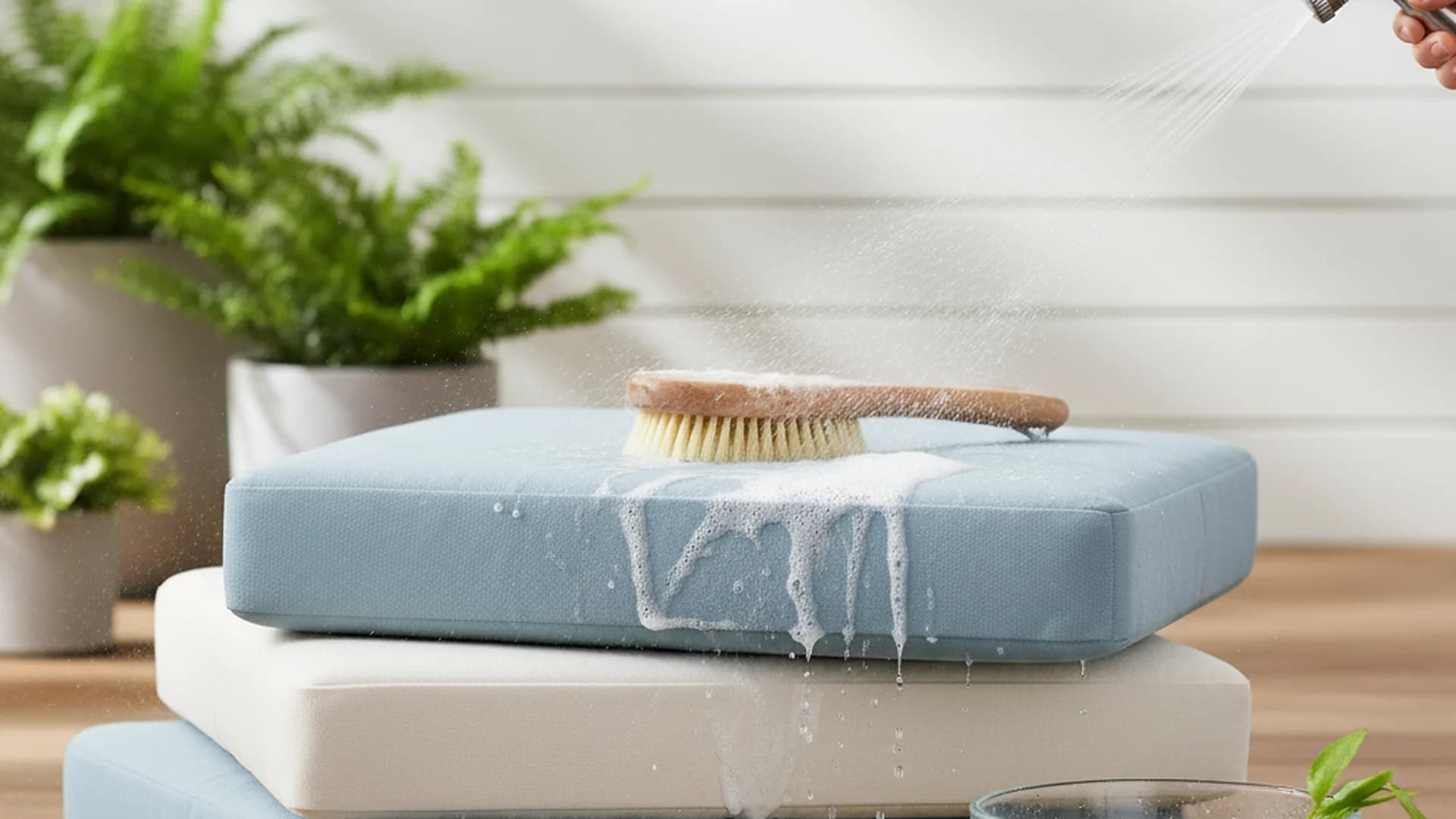
Before introducing water, use a soft-bristle brush to sweep away loose dust, pollen, and dried debris. This prevents you from accidentally rubbing mud deeper into the fabric during the washing phase.
Step 2: The Gentle Wash
Mix a solution of lukewarm water and a mild, eco-friendly soap. Avoid harsh chemicals that can strip away the fabric’s protective coatings.
Step 3: The Soak
Apply the soapy water with a sponge or soft cloth. Allow the solution to sit on the fabric for approximately 15 minutes. This gives the enzymes in the soap time to break down organic matter like tree sap or insect residue.
Step 4: Rinse and Air Dry
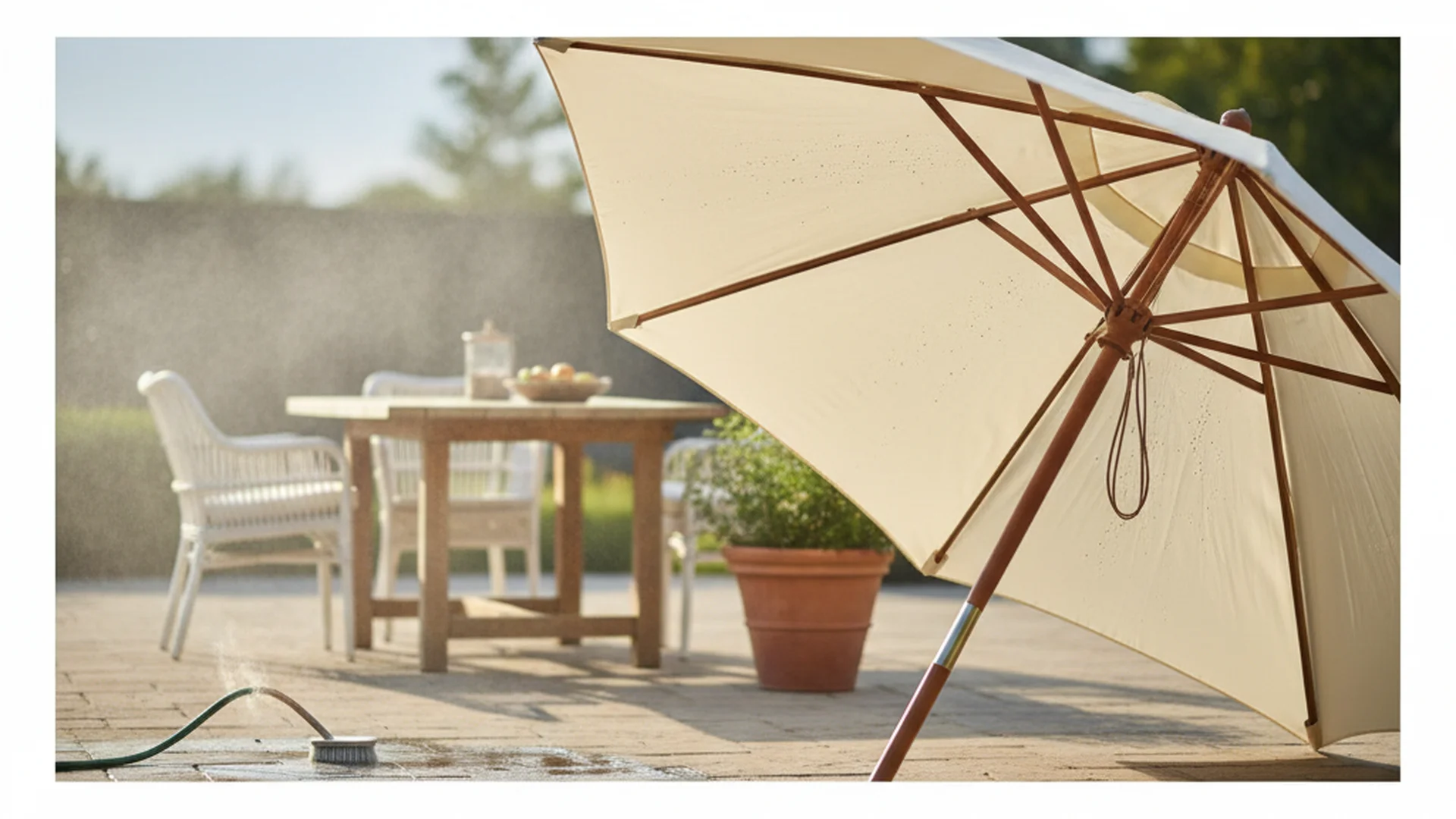
Rinse thoroughly with a standard garden hose. Once rinsed, the umbrella must remain in the fully open position until it is completely dry.
Warning: Never close your umbrella while the fabric is even slightly damp. This is the leading cause of mildew and fabric rot.
Fabric-Specific Cleaning Strategies
Not all umbrella fabrics are created equal. Using the wrong cleaning agent can lead to thinning or discoloration.
| Fabric Type | Cleaning Recommendation | Bleach Safe? |
|---|---|---|
| Sunbrella (Acrylic) | Mild soap or diluted bleach for stains | Yes (Diluted) |
| Polyester | Vinegar-based solutions | No |
| Olefin | Mild detergent and lukewarm water | No |
Caring for Sunbrella and Acrylics
High-end acrylic fabrics like Sunbrella are solution-dyed, meaning the color goes all the way through the fiber. These can handle a more aggressive cleaning approach, including a diluted bleach solution (1 cup bleach per gallon of water) for stubborn mold.
Caring for Polyester and Olefin
These fabrics are often more sensitive. Bleach can cause immediate thinning of the fibers. For these materials, the best way clean patio umbrella stains is using white vinegar mixed with water. This kills mold spores without destroying the fabric's integrity.
Tip: If you aren't sure what material your umbrella is made of, check the small white tag near the top of the canopy or the underside of a seam.
Advanced Trends in Umbrella Care (2025-2026)
The world of outdoor maintenance has evolved. In 2026, we are seeing a major shift toward tech-integrated and eco-conscious cleaning methods.
Steam Cleaning
In 2025, handheld steam cleaners became the "must-have" tool for patio owners. These devices use high-temperature steam to lift "baked-on" bird droppings and tree sap without the need for scrubbing or harsh chemicals. It’s a faster, more sustainable way to spot-clean between deep washes.
Nano-Coatings and PFAS-Free Textiles
With the industry moving away from "forever chemicals," new PFAS-free textiles require specific care. Post-cleaning "Nano-sprays" have become the new standard. These advanced water-repellents create a breathable barrier that lasts longer than traditional silicone sprays, protecting against both moisture and UV rays.
Smart Integration Maintenance
Modern high-end umbrellas now feature solar sensors and integrated LED lighting. When cleaning these, avoid spraying water directly into the sensor housings. Use a "dry-wipe" method with a microfiber cloth for solar panels to ensure they maintain maximum charging efficiency.
Note: Maintaining the solar panel’s clarity is essential; even a thin layer of dust can reduce charging capacity by 20%.
Common Mistakes to Avoid
Even well-intentioned homeowners can accidentally damage their umbrellas. Avoid these common pitfalls:
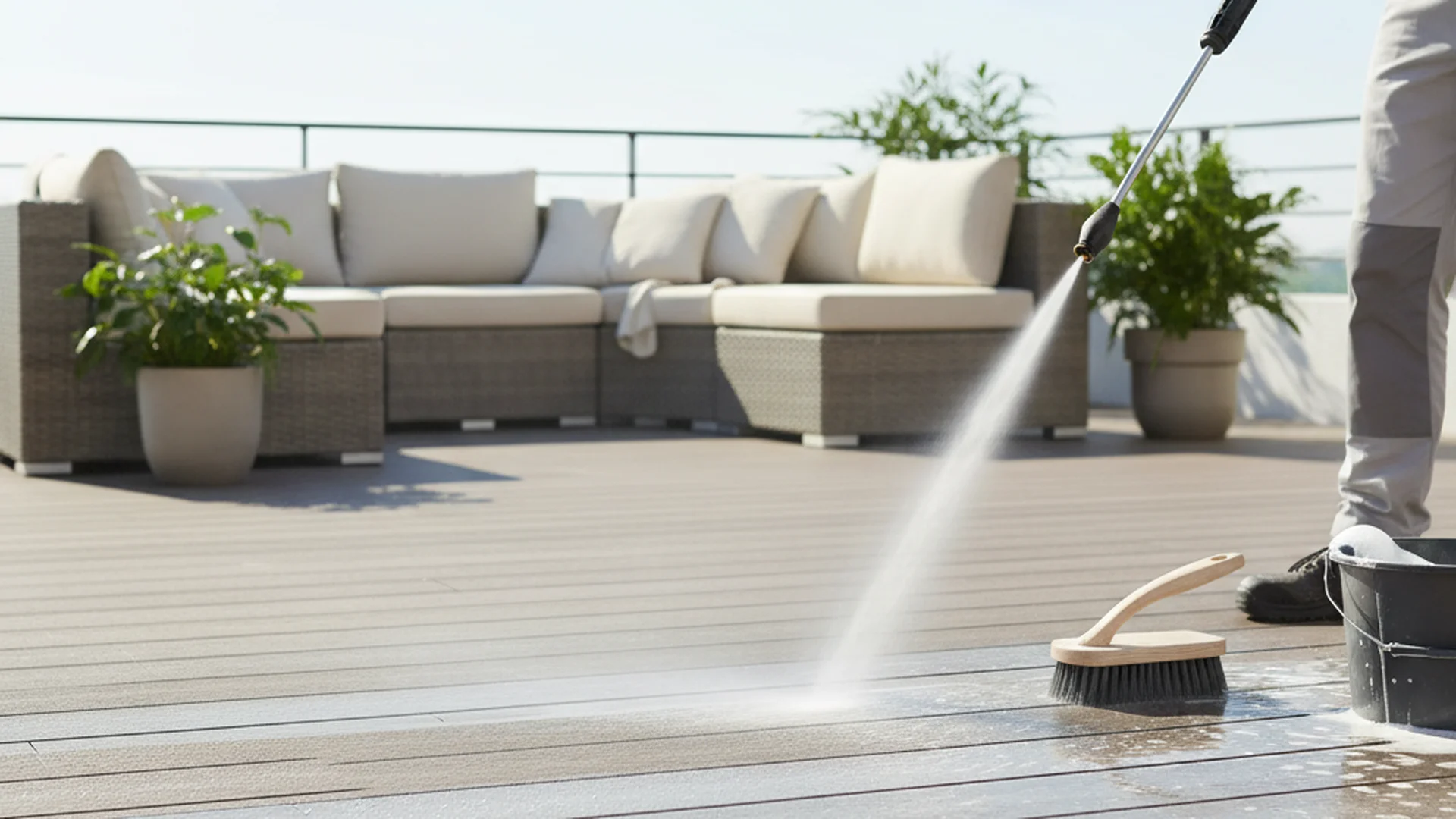
- The Pressure Washer Trap: It is tempting to use a pressure washer for a "fast" clean. However, high-pressure water can tear fabric fibers and strip away the Durable Water Repellent (DWR) coating. Stick to a garden hose.
- The "Bleach-All" Myth: As mentioned, bleach is not universal. Using it on non-solution-dyed polyester will lead to unsightly splotches and weakened fabric.
- Ignoring the Base: Many people clean the canopy but forget the stand. Metal bases can rust over time, leaving permanent "rust rings" on your beautiful stone or wood deck. Scrub the base with a damp cloth and dry it thoroughly.
- Abrasive Tools: Never use steel wool or stiff wire brushes. These create micro-tears that actually trap more dirt in the future and lead to premature tearing.
Success: By avoiding these mistakes and using eco-friendly cleaners, you protect both your umbrella and the surrounding garden ecosystem.
Real-World Examples of Umbrella Restoration
Example 1: The "Poolside Revival"
A homeowner in Florida noticed their Sunbrella umbrella had developed yellowing from chlorine exposure and salt air. By using a specialized 1:4 vinegar-to-water rinse followed by a Nano-protective spray, they restored the fabric's water-beading properties and neutralized the chemical buildup.
Example 2: The "Woodland Rescue"
In the Pacific Northwest, a large polyester umbrella was covered in green algae and black mold after a wet spring. Instead of using bleach, the owner used a biodegradable enzyme cleaner and a soft-bristle brush. After two "soak and rinse" cycles, the umbrella was restored to its original cream color without damaging the nearby flower beds.
Example 3: The "Smart Balcony" Maintenance
A millennial homeowner with a solar-powered LED umbrella used a handheld steam cleaner to remove tree sap that had hardened over the solar sensor. This restored the umbrella's ability to light up at night while avoiding water damage to the internal electronics.
Frequently Asked Questions
Can I put my umbrella canopy in the washing machine?
Is it safe to pressure wash my patio umbrella?
How do I get rid of black mold spots?
Should I close my umbrella every night?
Conclusion
Cleaning your patio umbrella doesn't have to be a daunting chore. By adopting a "sustainable luxury" mindset—using gentle, eco-friendly cleaners and consistent monthly maintenance—you can keep your outdoor space looking like a high-end resort. Remember that the best way clean patio umbrella setups involves a mix of dry brushing, gentle washing, and ensuring the fabric is bone-dry before storage.
Take the time to care for your umbrella today, and it will provide you with cool, stylish shade for many summers to come.
Success: Regular maintenance can save you hundreds of dollars in replacement costs over the next decade.
Cleaning that keeps score
Every task earns points, every streak multiplies them, and Premium adds a household leaderboard plus a monthly Dustagorgon to beat.
- Free forever
- 30 badges to earn
- Up to 6 in a household
No card needed. Set up your rooms in a couple of minutes.