In this article
What you’ll learn
- Regular cleaning can increase home sale prices by up to 7% through enhanced curb appeal.
- Using polymeric sand and bio-enzymatic cleaners are the top maintenance trends for 2026.
- Pressure washing requires caution; never exceed 1,500 PSI to avoid damaging the brick face.
A well-maintained brick patio is more than just a place for summer barbecues; it is a significant investment in your home’s value. As we move into 2026, more homeowners are taking a DIY approach to exterior maintenance. However, knowing how to clean brick patio surfaces correctly is the difference between a stunning outdoor oasis and a crumbling, discolored mess. Whether you are dealing with stubborn moss, white salt deposits, or general grime, using the right techniques ensures your clay pavers last for their intended 100-year lifespan.
In this guide, we will explore the best way to clean brick patio areas using modern, eco-friendly methods that protect your masonry and your local ecosystem.
Why Brick Patio Maintenance Matters in 2026
This surge in popularity is driven by the unparalleled durability of genuine clay. Unlike concrete, which can fade and crack within a decade, brick offers timeless aesthetic appeal.
From a financial perspective, the National Association of Realtors notes that high-quality hardscaping can offer an ROI of up to 100%. Maintaining that "just-installed" look through proper cleaning directly correlates with a 7% higher home sale price. Beyond the money, regular cleaning prevents the structural shifts caused by "ignoring the joints"—a common mistake where moss and weeds displace the sand that keeps your patio level.
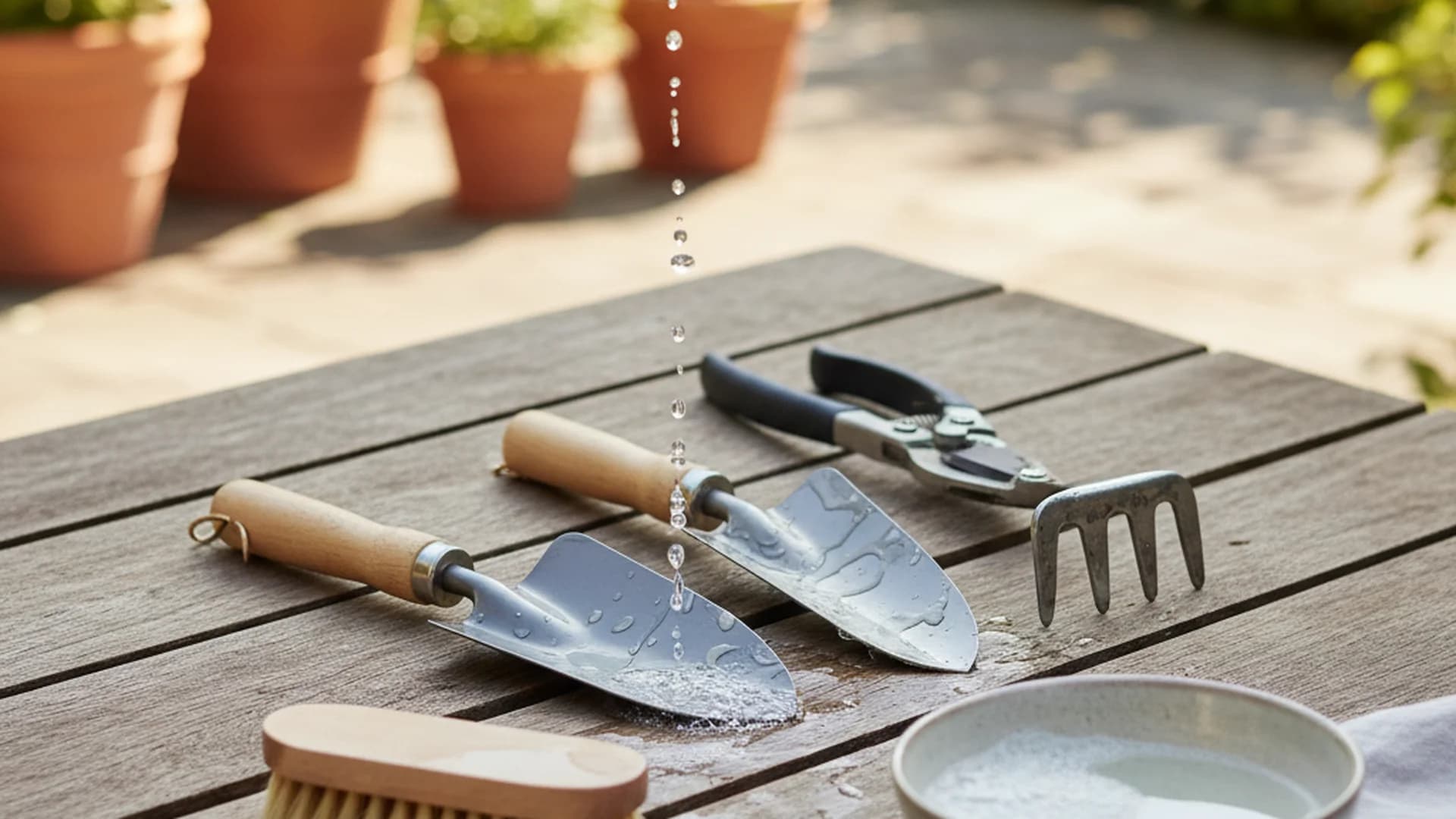
Essential Tools and Supplies
Before you begin, gather the following materials. The 2026 market has moved away from harsh acids toward biological and water-based solutions.
| Item | Purpose | Recommendation |
|---|---|---|
| Stiff-bristle Brush | Scrubbing debris | Synthetic (Never use wire/steel) |
| Vinegar or Bleach | Removing organic growth | Diluted 1:1 (Vinegar) or 1:10 (Bleach) |
| Polymeric Sand | Filling joints | Nextgel "Dust-Free" Technology |
| Pressure Washer | Deep cleaning | Set to 1,000–1,500 PSI |
| Bio-Enzymatic Cleaner | Long-term prevention | Algon or Wet & Forget |
Warning: Avoid using wire or steel brushes. They leave behind tiny metal particles that will rust, creating permanent orange stains on your beautiful bricks.
Step-by-Step: How to Clean Brick Patio Surfaces
Step 1: Preparation and Vegetation Protection
Before applying any cleaning solution, you must protect your landscaping. Even "eco-friendly" cleaners can dehydrate grass if applied in high concentrations.
- Drench the perimeter: Use a garden hose to thoroughly soak the grass, flowers, and shrubs surrounding the patio. Saturated plants are less likely to absorb the cleaning runoff.
- Clear the deck: Remove all furniture, grills, and potted plants to ensure an even clean.
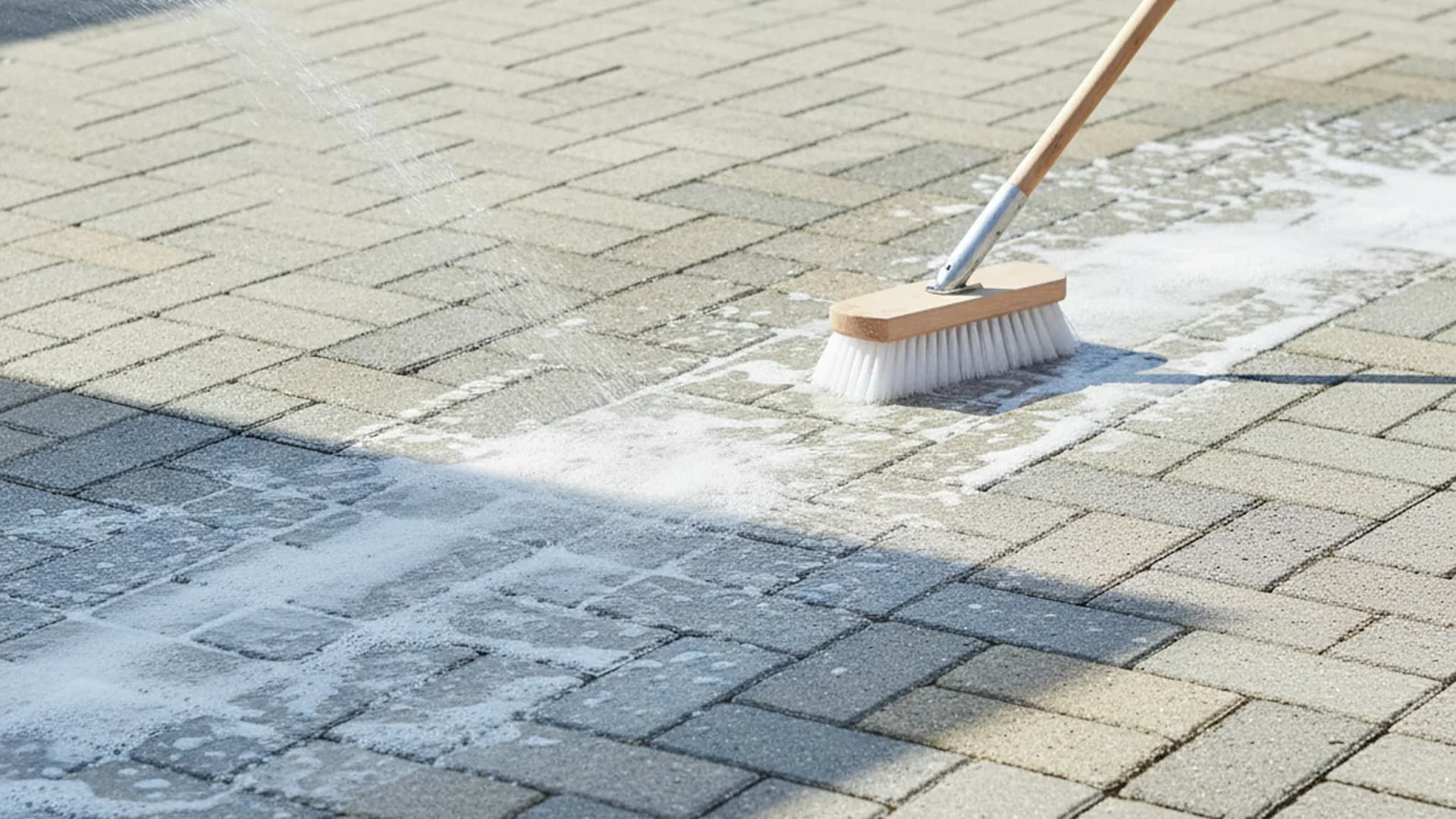
Step 2: The "Bottom-Up" Cleaning Technique
One of the most common professional secrets is the "bottom-up" application. If you start at the top of a slope, the dirty cleaning solution runs down over dry brick, often creating permanent "clean streaks" that are nearly impossible to buff out.
- Wet the brick first: Always start with a damp surface.
- Apply solution: Apply your chosen cleaner starting from the lowest point of the patio and work your way up the incline.
Tip: Clean when the temperature is between 50°F and 85°F. If it’s too hot, your cleaning solution will evaporate before it can break down the dirt, leaving a sticky residue.
Step 3: Mechanical Scrubbing and Rinsing
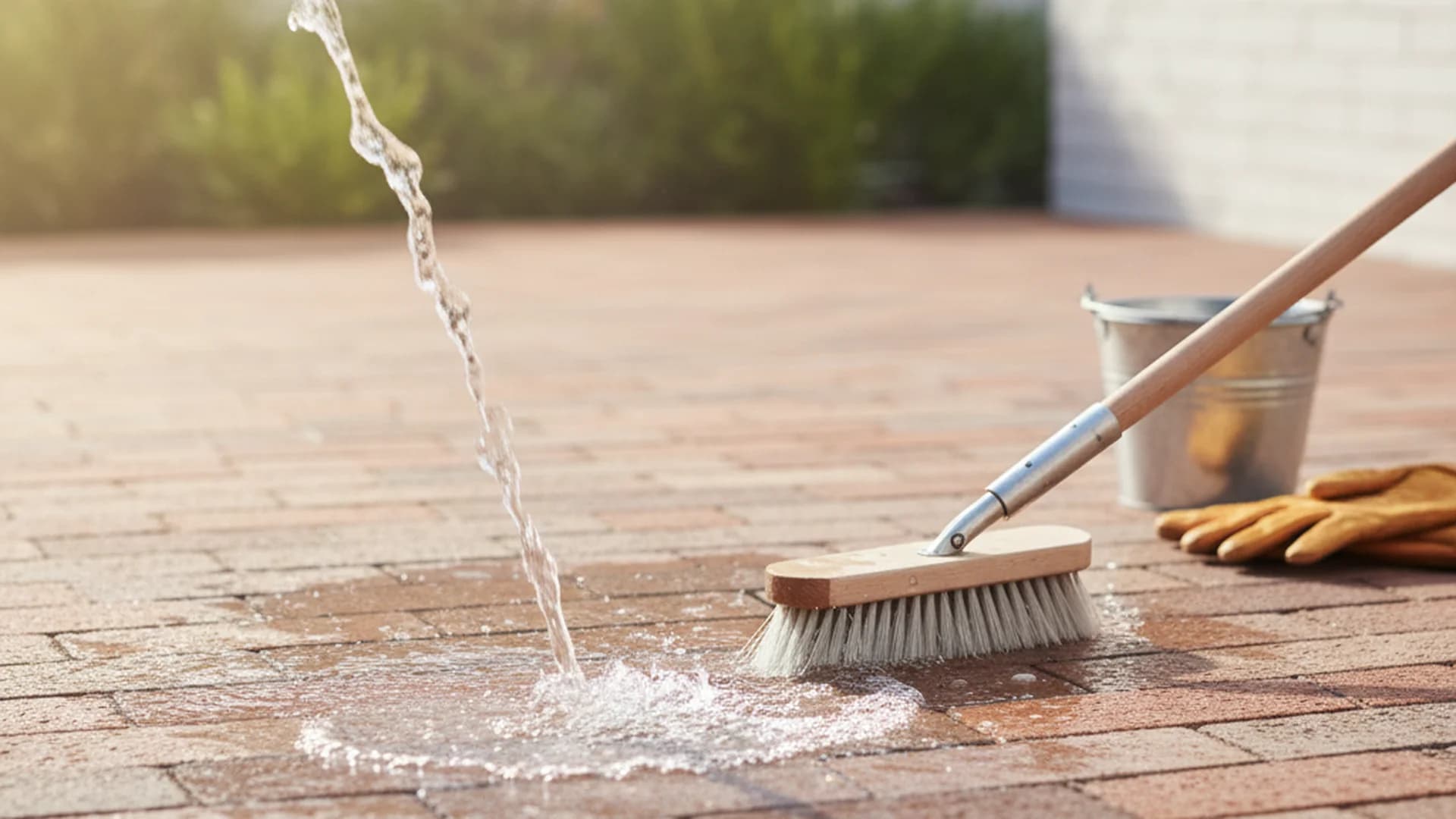
Once the solution has sat for 10–15 minutes (do not let it dry!), use your stiff synthetic brush.
- Focus on the edges: This is where moss and algae thrive.
- Rinse thoroughly: This is the most skipped step. Failing to rinse completely leaves a chemical film that actually attracts new dirt faster.
Step 4: Dealing with Efflorescence
If you see a white, powdery substance on your bricks, don't panic. This is efflorescence—natural salt deposits rising to the surface.
- The Fix: Most cases can be solved with a stiff brush and water. For persistent white patches, use a pH-neutral efflorescence remover rather than harsh muriatic acid, which can "burn" the brick and change its color permanently.
The Best Way to Clean Brick Patio Growth: Vinegar vs. Bleach
Choosing your chemical "weapon" depends on what you are fighting.
- Vinegar (The Eco-Option): Best for mineral deposits and mild mildew. Mix 1 part white vinegar with 1 part water. It is safe for most pets and won't kill your lawn if diluted.
- Bleach (The Heavy Hitter): Best for killing mold and algae spores. Mix 1 part bleach with 10 parts water.
- Bio-Enzymatic Cleaners (The 2026 Trend): Products like "Wet & Forget" are becoming the gold standard. These non-toxic formulas use enzymes to break down organic growth over weeks, requiring zero scrubbing.
Note: If you use bleach, ensure you rinse the area for at least 10 minutes afterward to neutralize the pH of the soil at the patio's edge.
Modern Maintenance: Polymeric Sand and Sealing
Once your patio is clean and dry, you must address the joints. Empty joints are the primary cause of shifting bricks and weed infestations.
Using Next-Generation Polymeric Sand
In 2025 and 2026, "Nextgel" technology has become the industry favorite. Older polymeric sands often left a "haze" on the brick surface. New formulas are virtually dust-free.
- Sweep the sand into the joints.
- Vibrate the bricks (or tap with a rubber mallet) to settle the sand.
- Mist with water to activate the binders.
Eco-Sealing for a Long-Lasting Finish
You don't need to seal every year. In fact, over-sealing causes a milky white "blushing" effect where moisture gets trapped.
- Frequency: Every 2–3 years.
- Trend: Shift toward water-based, low-VOC sealers. They provide a "wet look" or matte finish without the harsh chemical smells of solvent-based products.
Success: Correctly applying polymeric sand acts as a powerful deterrent against ants and weeds, reducing your manual maintenance time by 80% in the following season.
Common Mistakes to Avoid
- The "Viral Hack" Mistake: Beware of TikTok trends suggesting "The Pink Stuff" or laundry strips for patio cleaning. These products often have a pH level that reacts poorly with the minerals in clay, leading to irreversible staining.
- High-Pressure Havoc: Using a pressure washer at 3,000 PSI will blast away the cream of the brick and destroy the mortar. Stick to the "fan" setting and low pressure.
- Ignoring the Joints: Cleaning only the surface while leaving moss in the cracks allows water to seep under the bricks, which leads to "heaving" during winter freeze-thaw cycles.
- Skipping the Dry Time: Never apply sealer or polymeric sand to a damp patio. You must wait at least 24–48 hours of dry weather before finishing the job.
Frequently Asked Questions
Can I use a pressure washer on brick?
Is vinegar or bleach better for cleaning brick?
How do I get rid of the white powder on my bricks?
How long should I wait to seal after re-sanding?
Conclusion
Learning how to clean brick patio areas effectively is a foundational skill for any homeowner looking to preserve their property's beauty and value. By moving away from harsh chemicals and high-pressure blasting, and embracing bio-enzymatic cleaners and high-tech polymeric sands, you can ensure your outdoor space remains a highlight of your home for decades to extend.
Remember, the best way to clean brick patio surfaces is through patience—letting the cleaners work, rinsing thoroughly, and allowing ample time for the masonry to dry before sealing.
Success: Following this comprehensive guide will not only make your patio look brand new but will also prevent the structural issues that lead to expensive professional repairs.
Cleaning that keeps score
Every task earns points, every streak multiplies them, and Premium adds a household leaderboard plus a monthly Dustagorgon to beat.
- Free forever
- 30 badges to earn
- Up to 6 in a household
No card needed. Set up your rooms in a couple of minutes.