In this article
What you’ll learn
- Always unplug the unit before starting deep cleaning to protect the compressor.
- Use a 1:1 vinegar and water solution instead of bleach to kill mold safely.
- Clean condenser coils every 6 months to improve energy efficiency by up to 15%.
Investing in a high-quality wine collection is a passion project for many, but your investment is only as good as the environment in which it is stored. Knowing how to clean wine fridge units is the single most important skill for a collector to master. A neglected wine cooler doesn't just look bad; it can lead to fluctuating temperatures, mold growth, and mechanical failure that could ruin thousands of dollars in vintage bottles.
In this guide, we will walk through the professional standards for maintaining your appliance, ensuring your whites stay crisp and your reds age with grace.
Why Regular Maintenance is Critical for Your Collection
Most owners assume that because a wine fridge is a closed system, it remains pristine. However, the high humidity required for cork health (ideally 50–70%) creates a breeding ground for mildew and bacterial growth behind shelves.
Furthermore, the mechanical health of your unit depends on cleanliness. A well-maintained wine fridge typically lasts 10–15 years, whereas neglected units often fail within just 5–7 years due to compressor strain. When dust accumulates on the condenser coils, the unit begins "short cycling," which can double your energy consumption from a standard 90–150 kWh per year to nearly 300 kWh.
Success: Regular coil cleaning can improve your unit's energy performance by 15%, effectively paying for the cleaning supplies in energy savings alone.
Preparation: The "Unplug First" Rule
Before you dive into the cleaning process, safety must come first. This is a non-negotiable step in the best way clean wine fridge protocols.
Warning: Always disconnect your wine fridge from the power source before cleaning. This prevents electrical shock and allows the cooling system to stabilize while you work.
Step 1: Inventory Management and Storage
You cannot clean a fridge that is full of bottles. Carefully remove all wine and place them in a cool, dark place. If you are doing a deep clean that takes more than an hour, consider placing your most sensitive whites in a temporary insulated cooler.
Step 2: The Assessment
Check for ice buildup on the back wall. While most modern units are "frost-free," high humidity or failing seals can cause ice to form. if you see ice, you must allow the unit to defrost naturally before proceeding.
The Step-by-Step Deep Cleaning Process
To achieve a professional-grade clean, you need the right solutions. Avoid harsh chemicals at all costs.
Cleaning the Interior
The plastic lining of your fridge is porous and can absorb chemical scents. If you use ammonia-based glass cleaners, those odors can eventually seep through the corks and taint the wine.
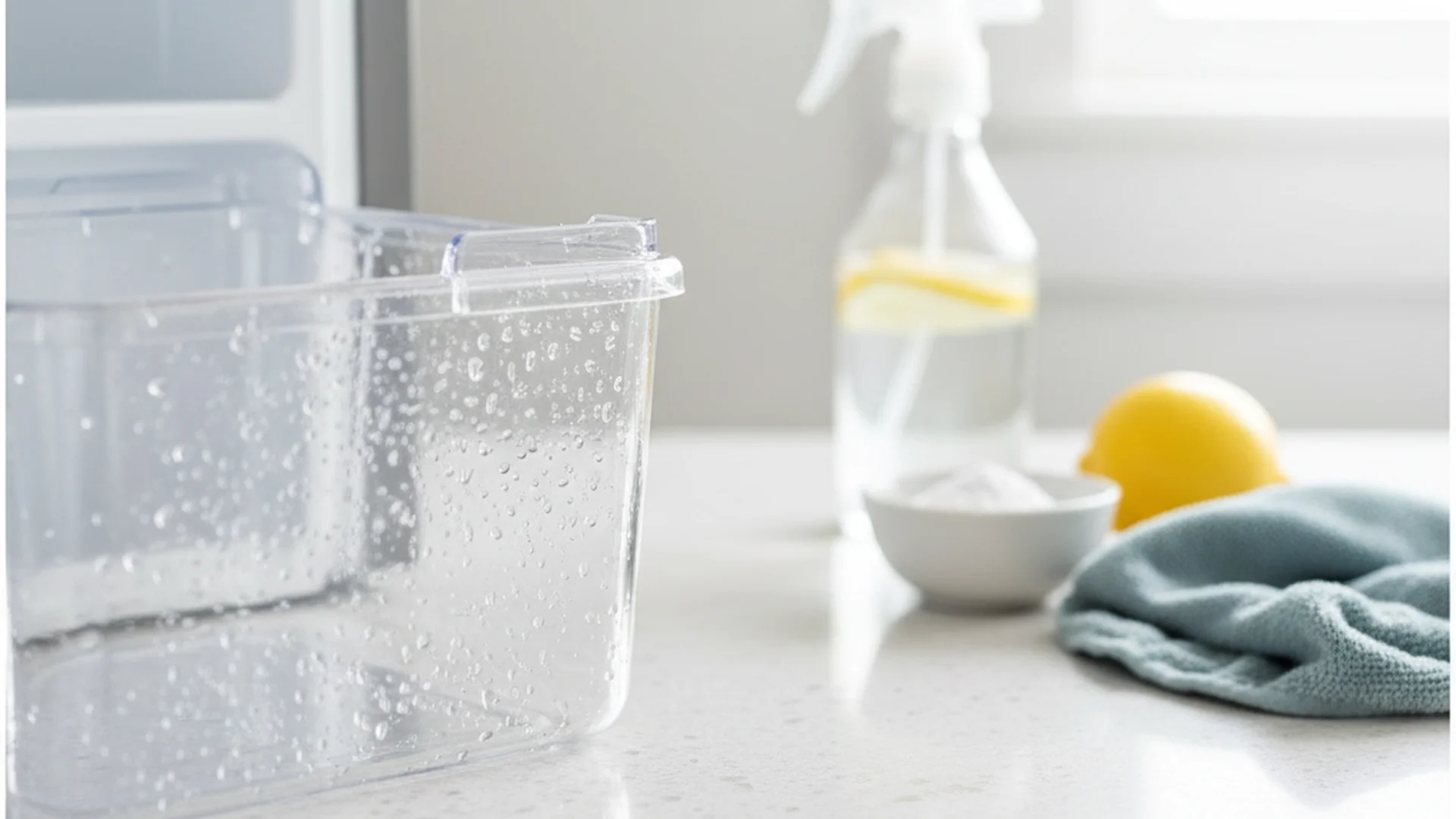
- The Solution: Use a mixture of warm water and mild dish soap or a baking soda paste (2 tablespoons per quart of water). This neutralizes odors without adding "perfumey" scents.
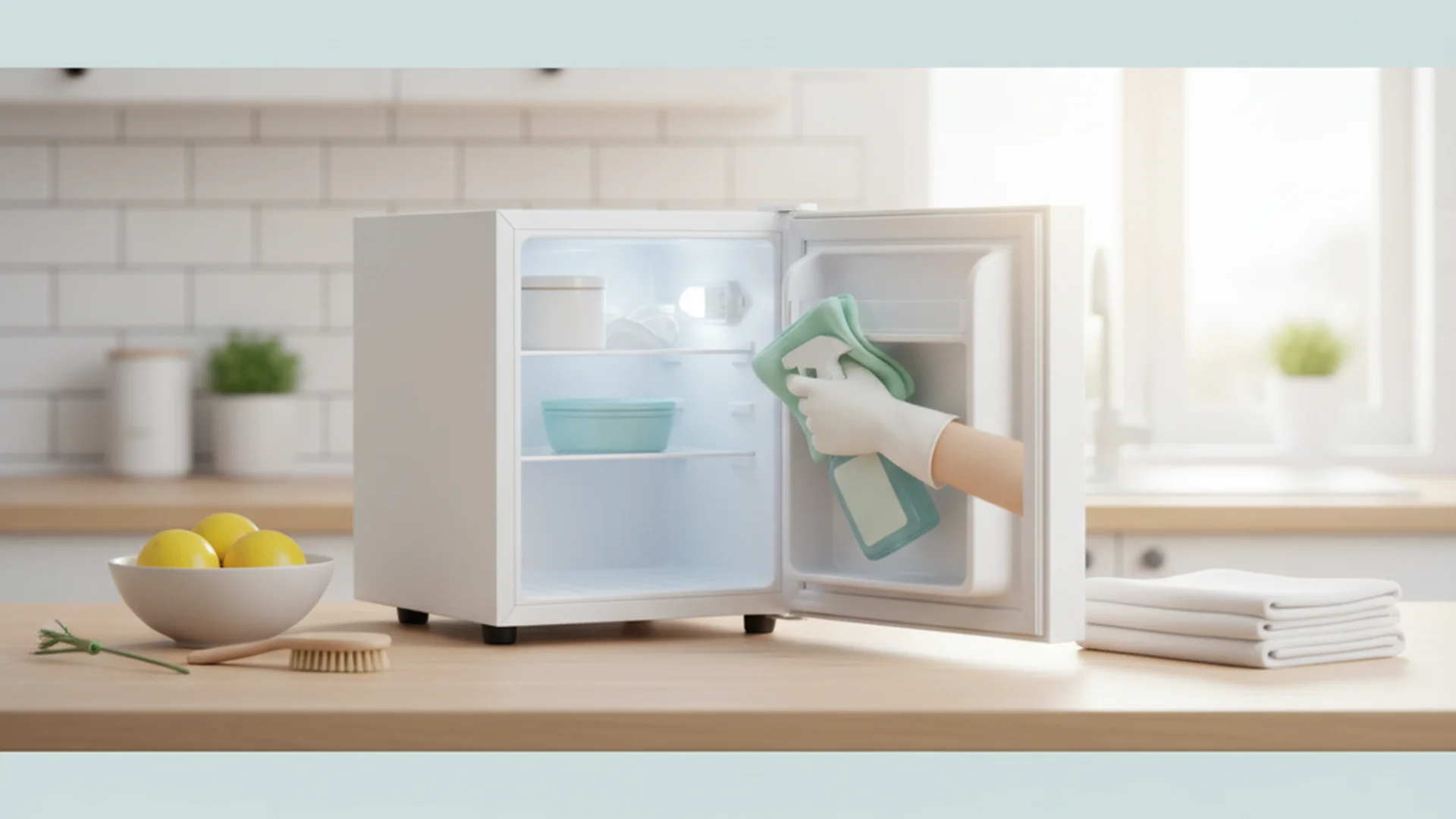
- The Method: Wipe down all interior walls with a soft microfiber cloth. Pay special attention to the corners where moisture tends to pool.
Tip: If you find mold, use a 1:1 solution of white vinegar and water. Vinegar kills mold spores more effectively than bleach on porous surfaces and won't damage the fridge liner.
Maintaining Shelves and Racks
Whether your racks are chrome or wood, they require attention.
- Wooden Racks: Do not soak them. Wipe them with a damp cloth and dry them immediately to prevent warping or mold growth.
- Metal Racks: These can usually be cleaned with mild soap and water. Ensure they are 100% dry before sliding them back in to prevent rusting or "sticking."
Door Gaskets and Seals
The rubber seal (gasket) is what keeps the cold air in and the humid air out. If this seal fails, your fridge will work overtime, leading to early mechanical death.
- Cleaning: Wipe the gaskets with a damp cloth to remove dust and sticky residue.
- Professional Trick: Apply a very thin layer of petroleum jelly or silicone lubricant to the seal once a year. This keeps the rubber pliable and ensures an airtight lock.
Advanced Maintenance: The Condenser Coils
If you only do one thing from this guide, make it this. Clogged condenser coils are the #1 cause of wine fridge compressor failure. The coils are usually located at the back or behind a kickplate at the bottom.
Note: Use a vacuum with a brush attachment to gently remove dust from the coils. If you have pets, you should do this every 3–4 months as pet hair accumulates rapidly in these areas.
| Maintenance Task | Frequency | Benefit |
|---|---|---|
| Interior Wipe-down | Every 2 Months | Prevents mold and odors |
| Coil Vacuuming | Every 6 Months | Extends compressor life |
| Gasket Lubrication | Once a Year | Maintains temp stability |
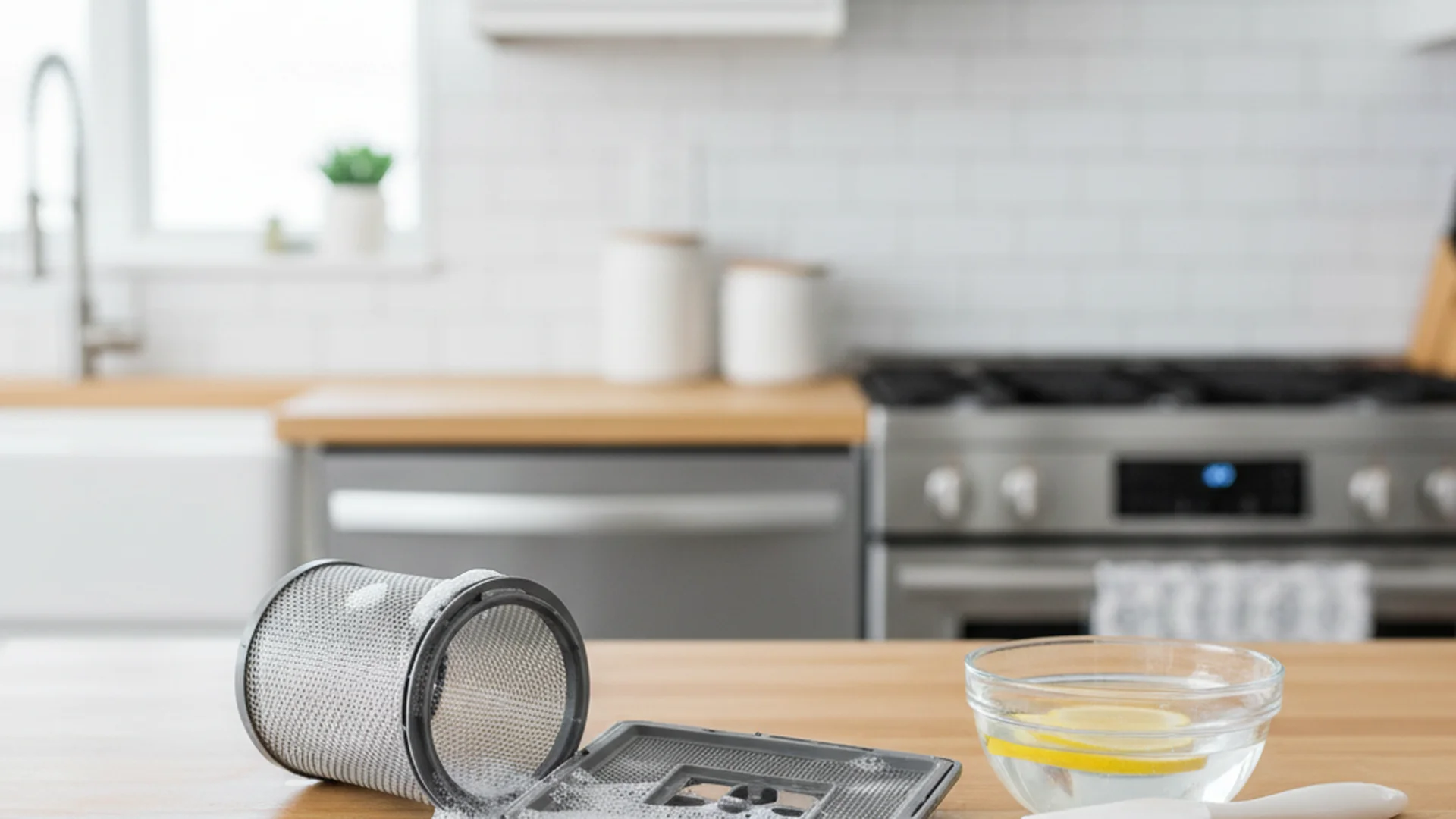
| Filter Replacement | Every 6-12 Months | Ensures fresh air exchange |
Common Mistakes to Avoid
In my years as a cleaning consultant, I’ve seen enthusiasts make the same errors repeatedly. Avoid these to protect your unit:
- Using Scouring Pads: Abrasive pads can scratch the UV-protective coating on glass doors. This coating is vital for blocking harmful light that can "cook" your wine.
- Overloading the Shelves: Filling every square inch blocks the internal fans. Aim for 75–80% capacity to allow for proper air circulation.
- Improper Placement: Never place a wine fridge in a garage or next to a dishwasher. The external heat forces the unit to work too hard, leading to "burnout."
- Ignoring Water Pooling: If you see water at the bottom, your drain line is likely clogged. Use a pipe cleaner or a small blast of compressed air to clear the drain hole.
Real-World Examples: Why it Matters
Example 1: The "Cloudy Cork" Scenario
A client in Florida noticed a musty smell in their cellar. Upon inspection, we found that they had been cleaning with bleach, which caused the plastic lining to crack slightly. Moisture trapped in those cracks grew mold that eventually reached the exterior of the wine corks. We switched them to a vinegar-based regimen, and the mold was eradicated within two cleanings.
Example 2: The $200 Energy Jump
A homeowner complained that their mid-size wine cooler was making a loud buzzing sound and their energy bill had spiked. We discovered the bottom-mounted coils were completely matted with Golden Retriever hair. After a 10-minute vacuuming session, the noise stopped, and their energy consumption returned to normal levels.
Example 3: The Basement Humidity Trap
A collector stored their fridge in a damp basement. Because they never wiped the door seals, the rubber became brittle and cracked. The unit couldn't maintain the 55°F set point, fluctuating between 60°F and 65°F. Replacing the seal and moving the unit away from the damp wall saved a $5,000 collection from heat damage.
Recent Trends: Wine Tech in 2025–2026
As we move into 2025, wine fridges are becoming "smarter," making maintenance easier than ever:
- Smart Alerts (IoT): Most mid-to-high-end 2025 models now send push notifications to your phone if the door is left ajar or if the humidity drops below 50%.
- AI Inventory: Samsung’s newest Bespoke AI Wine Cellars feature internal cameras that recognize labels, meaning you spend less time with the door open "searching" for a bottle, which keeps the interior cleaner and more stable.
- Sustainability: New models are shifting toward R600a refrigerants, which are not only better for the environment but also run quieter and more efficiently.
Frequently Asked Questions
How often should I clean my wine fridge?
Can I use bleach to remove mold inside?
Why is there water pooling at the bottom of my wine cooler?
Do I need to defrost my wine fridge?
What is the best way to clean wooden wine racks?
Conclusion
Mastering how to clean wine fridge units is about more than just aesthetics; it is an essential part of the viticulture hobby. By dedicating just two hours every six months to deep cleaning and coil maintenance, you can ensure your appliance runs efficiently for over a decade. Remember to stick to natural cleaners like vinegar and baking soda to protect the delicate flavor profiles of your wine.
Want more expert tips?
Keep your home running efficiently with our professional cleaning guides.
Explore Our GuidesSuccess: By following this guide, you have successfully extended the life of your appliance and protected the integrity of your wine collection. Happy tasting!
Cleaning that keeps score
Every task earns points, every streak multiplies them, and Premium adds a household leaderboard plus a monthly Dustagorgon to beat.
- Free forever
- 30 badges to earn
- Up to 6 in a household
No card needed. Set up your rooms in a couple of minutes.