In this article
What you’ll learn
- Deep clean every 3-4 months to eliminate pathogens like Listeria and E. coli.
- Never wash cold glass shelves with hot water to avoid thermal shock.
- Clean condenser coils twice a year to improve energy efficiency by up to 5%.
The French door refrigerator has become the crown jewel of the modern kitchen. With their sleek profiles and expansive storage, it is no surprise that stainless steel models dominate kitchen renovations. However, maintaining these sophisticated appliances requires more than a quick wipe-down. Learning how to clean french door fridge units properly is essential for food safety, energy efficiency, and protecting your investment. In this guide, we will explore the most effective techniques to keep your appliance running at peak performance while ensuring your family’s food stays fresh and pathogen-free.
Why Your Cleaning Routine Matters
Most of us view refrigerator cleaning as an aesthetic task, but the reality is rooted in biology. Vegetable drawers and door gaskets are consistently the "germiest" places in the kitchen. Even in a chilled environment, pathogens such as E. coli, Listeria, and Salmonella can survive and cross-contaminate your groceries.
Beyond health, there is a financial incentive. Dust accumulation on condenser coils can reduce your unit’s cooling efficiency by 3% to 5%. In an era of rising energy costs, a clean fridge is a cheaper fridge to operate. Furthermore, with the average lifespan of a modern unit being 10–15 years, regular maintenance is the primary factor in reaching that decade mark without expensive repairs.
Preparation: Setting the Stage for Success
Before you dive in, you need to prepare the environment. The best way clean french door fridge interiors is to start with a blank canvas.
- Empty the Unit: Remove every item. This is the perfect time to check expiration dates and toss that jar of mustard from 2023.
- Temperature Safety: Move perishables (meat, dairy, eggs) to a cooler with ice. To prevent bacterial growth, food must stay below 40°F (4°C) throughout the process.
- Power Down: For a deep clean, unplug the unit. This prevents the motor from overworking while the doors are open and ensures your safety when cleaning near electrical components like the water dispenser.
Warning: Never leave perishable food at room temperature for more than 20 minutes during your cleaning process.
The Top-Down Interior Cleaning Method
Professional cleaners use the "Top-Down" method to ensure efficiency. By starting at the highest shelf and working your way to the crisper drawers, you ensure that any drips or debris fall onto surfaces that haven't been cleaned yet.
Step 1: The Vinegar Solution
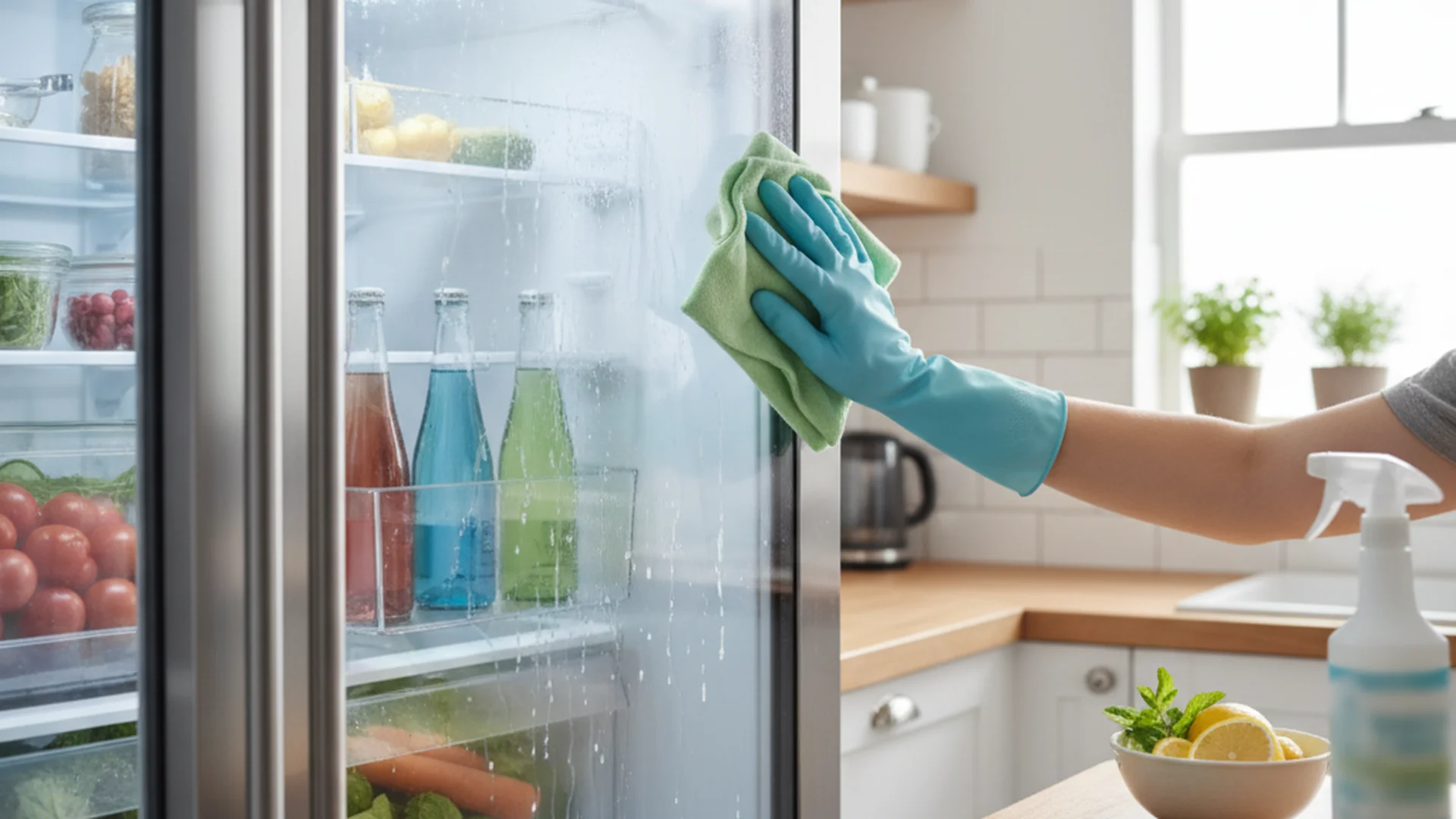
Avoid harsh chemicals or bleach, which can damage plastic liners and leave toxic odors. Instead, mix a 1:1 ratio of white vinegar and warm water in a spray bottle. This food-safe disinfectant cuts through grease and neutralizes odors naturally.
Step 2: Shelves and Bins
Modern French door fridges often feature modular bins. While many plastic door bins are dishwasher-safe (check your manual!), glass shelves require a cautious hand.
Warning: Glass shelves should never be washed with hot water while they are still cold. The thermal shock can cause the glass to shatter instantly. Allow them to reach room temperature before cleaning.
Step 3: Tackling the Crisper Drawers
The vegetable drawers are often the most contaminated areas. Remove the drawers entirely and wash them in the sink with mild dish soap. Use a soft cloth to reach into the tracks where the drawers slide, as these areas often collect onion skins and spilled juices.
| Component | Cleaning Agent | Tool |
|---|---|---|
| Plastic Bins | Mild Dish Soap | Microfiber Cloth |
| Glass Shelves | Vinegar/Water | Soft Sponge |
| Door Gaskets | Soapy Water | Toothbrush |
| Stainless Exterior | Specialized Polish | Microfiber (with grain) |
Mastering the Stainless Steel Exterior
As we move into 2025, stainless steel remains the dominant finish for French door models. However, its tendency to show fingerprints can be a source of frustration.
To achieve a streak-free finish, you must first identify the "grain" of the metal—the direction of the faint brushed lines. Always wipe and polish with the grain. Wiping against it can lead to micro-scratches and trapped grime.
Tip: Avoid using glass cleaners on your stainless steel. Many contain ammonia, which can strip away the protective biostatic coatings found on newer (2025+) models, leading to permanent staining or even rust.
The "Hidden" Spots: Gaskets, Coils, and Dispensers
The Rubber Gaskets
The folds of the rubber door seals are magnets for crumbs and mold. Use a toothbrush dipped in soapy water to scrub the folds. Once dry, apply a very thin layer of petroleum jelly to the gasket. This keeps the rubber supple and ensures an airtight seal, preventing cold air from escaping.
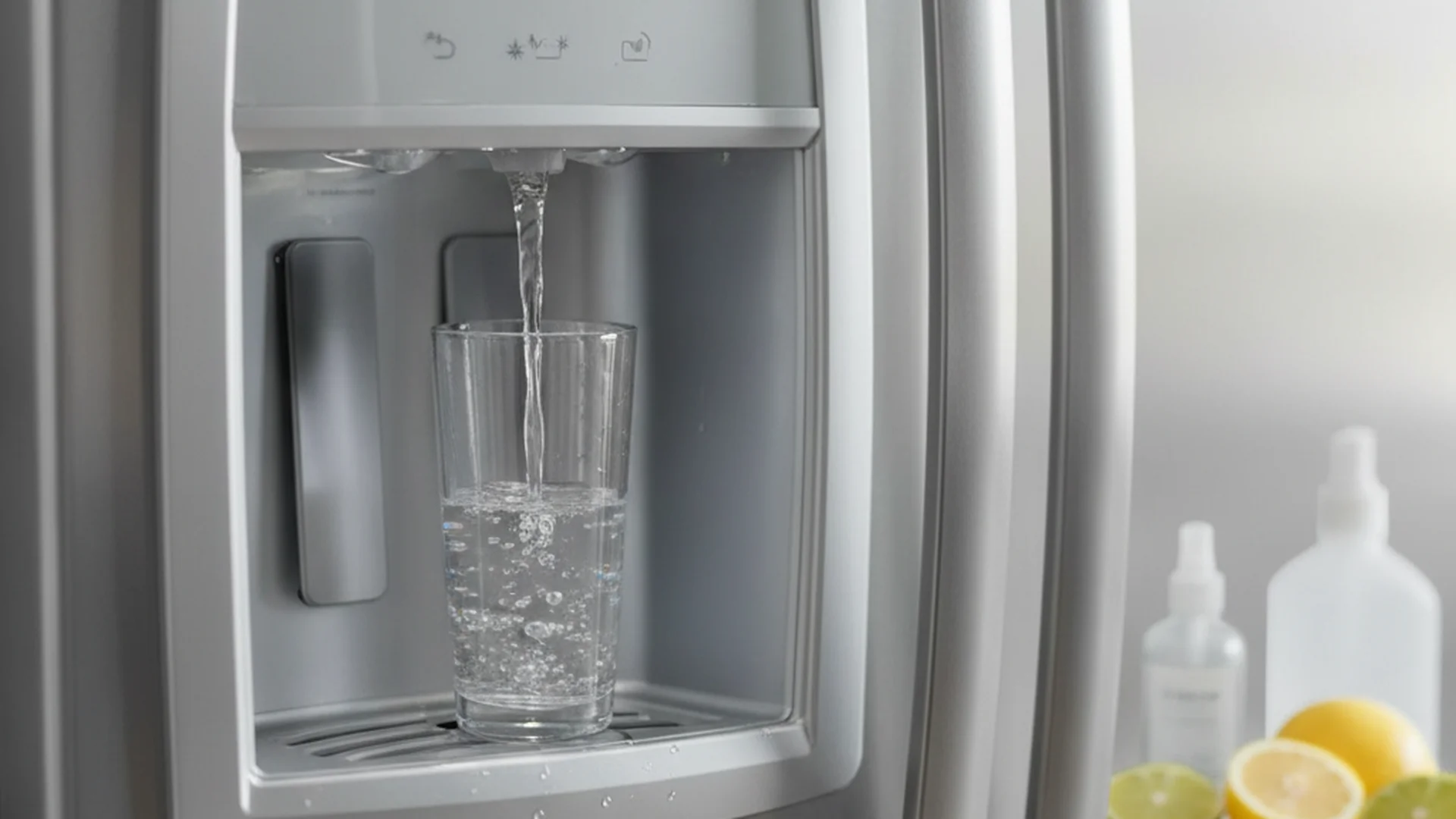
Water Dispenser and Ice Maker
Modern French door fridges often feature UV-C sanitization in the water dispenser, but the nozzle still requires manual attention.
- Use a 1:1 vinegar-water solution to flush the internal lines if your model allows.
- Scrub the nozzle with a soft toothbrush to remove mineral buildup.
- Replace the water filter every 6 months or when your AI maintenance alert notifies you.
Condenser Coils
Most owners ignore the coils, but they are vital for heat exchange. Use a vacuum attachment or a specialized coil brush to remove dust from the back or bottom of the unit.
Success: Cleaning your coils twice a year can extend the life of your compressor by several years and keep your monthly utility bill lower.
2025-2026 Trends in Refrigerator Care
The world of appliance maintenance is evolving. Here are three modern trends that are changing how we care for our French door fridges:
- Sustainable Deodorizing: A major shift in 2025 has seen homeowners moving away from baking soda in favor of dried, used coffee grounds. The activated carbon in coffee grounds has ultra-micropores that trap volatile organic compounds (odors) very effectively.
- AI Maintenance Alerts: If you own a "Smart" fridge manufactured after 2024, ensure your app notifications are on. These units now use internal sensors to detect compressor strain and will send a push notification when it’s time for a coil cleaning, rather than relying on a generic timer.
- Antimicrobial Interior Coatings: Newer premium models now come with "biostatic" liners. These inhibit mold growth, meaning you can often skip the heavy scrubbing and stick to a light vinegar mist.
Common Mistakes to Avoid
To ensure you are using the best way clean french door fridge owners recommend, avoid these four common pitfalls:
- The Bleach Blunder: Bleach can turn plastic liners yellow and create a toxic environment for your food. Vinegar is your best friend.
- Magic Erasers on Exterior: While they seem "magic," these pads are actually highly abrasive. Using them on a stainless steel or black stainless finish will permanently dull the surface.
- Forgetting the Top: The top of the fridge accumulates a sticky, greasy dust that can eventually fall into the door hinges, causing squeaks or alignment issues.
- Ignoring the Drip Pan: Some French door models have a removable drip pan at the bottom. If water sits here too long without evaporating, it becomes a breeding ground for mold and foul smells.
Frequently Asked Questions
How often should I deep clean my French door fridge?
Can I use vinegar to clean the interior?
Is it safe to put my fridge shelves in the dishwasher?
How do I clean the water dispenser and ice maker?
Conclusion
Maintaining a French door refrigerator is a vital part of home management that pays dividends in food safety and appliance longevity. By following the top-down method, utilizing food-safe cleaners like vinegar, and staying on top of modern trends like coffee-ground deodorizing, you can ensure your kitchen remains the heart of a healthy home.
Success: A clean fridge doesn't just look better; it operates more quietly, uses less electricity, and keeps your family safe from foodborne illnesses.
Cleaning that keeps score
Every task earns points, every streak multiplies them, and Premium adds a household leaderboard plus a monthly Dustagorgon to beat.
- Free forever
- 30 badges to earn
- Up to 6 in a household
No card needed. Set up your rooms in a couple of minutes.