In this article
What you’ll learn
- Never spray liquid cleaners directly into the convection fan or shroud.
- Remove oven racks before running a high-heat self-cleaning cycle.
- A natural baking soda paste is the safest way to dissolve heavy grease.
Convection ovens are the workhorses of the modern kitchen, utilizing a specialized fan and exhaust system to circulate hot air and cook food up to 35% faster than conventional models. However, that same air circulation means that grease and food particles are frequently blown into every corner of the appliance, including the delicate fan blades. Learning how to clean convection oven units properly is not just about aesthetics; it is essential for maintaining the 30% energy efficiency bonus these appliances offer. When grease builds up on the fan or sensors, the motor works harder, the heat distributes unevenly, and the lifespan of your appliance can drop significantly below its 10-year potential.
Why Convection Ovens Require a Different Approach
In a standard oven, heat rises from the bottom or radiates from the top. In a convection oven, the environment is dynamic. The inclusion of a fan assembly creates a "wind chill" effect in reverse—stripping away the layer of cool air surrounding food to accelerate cooking. Because of this mechanical complexity, the best way clean convection oven interiors involves protecting the electrical components while removing the carbonized residue that inhibits airflow.
Ease of cleaning has become one of the things buyers care about most when choosing an appliance. This has led to the development of sophisticated "smart" coatings, but even the most advanced nanotech requires a gentle touch. Using the wrong chemical can strip away these oil-repellent layers or, worse, short-circuit the fan motor.
The Natural Deep Clean: A Step-by-Step Process
While many modern ovens offer a pyrolytic (high-heat) self-clean mode that reaches a staggering 932°F, this process can be hard on the oven’s internal electronics and door seals. For many homeowners, the manual "Natural Deep Clean" remains the gold standard for safety and longevity.
Step 1: Preparation and Gear
Before you begin, ensure the oven is completely cool. Applying cleaning agents to a hot surface can cause them to evaporate into irritating fumes or bake onto the enamel.
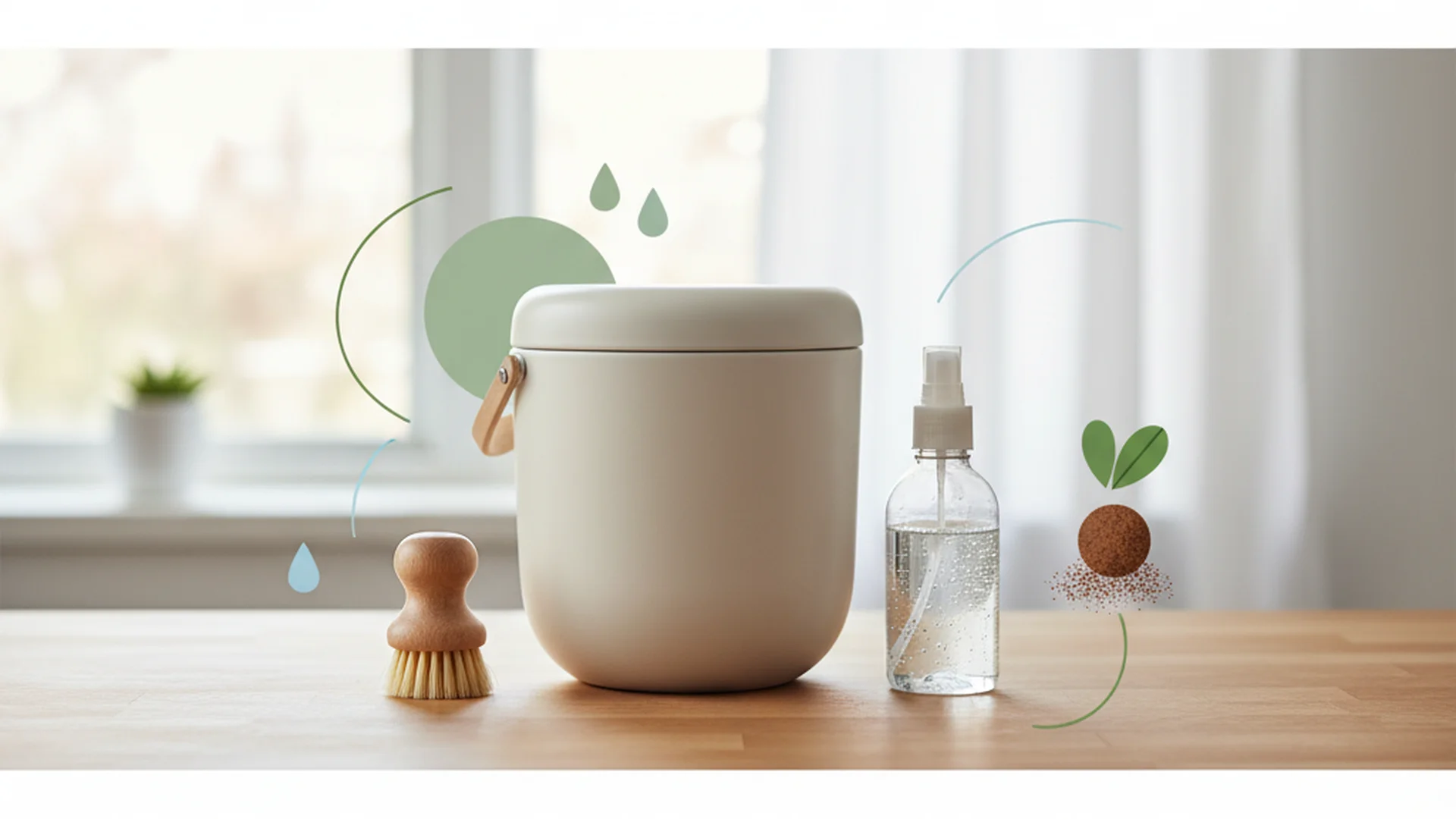
- Supplies needed: Baking soda, white vinegar, water, a soft-bristled toothbrush, and microfiber cloths.
- Safety first: Disconnect the power if you plan on removing the fan shroud.
Step 2: The Baking Soda Paste
Create a paste by mixing ½ cup of baking soda with 3 tablespoons of water. This creates a mildly abrasive, alkaline cleaner that breaks down acidic grease without scratching the surface.
Apply the paste to the interior walls, floor, and ceiling. Note: Avoid the heating elements and the convection fan blades during this stage. Let the paste sit for at least 12 hours. This "dwell time" allows the chemical reaction to lift carbonized food without the need for aggressive scrubbing.
Tip: If the paste turns brown, it’s working! That discoloration is the baking soda pulling the grease out of the oven’s pores.
Step 3: Cleaning the Racks and Fan
While the oven interior soaks, address the removable parts. Many people make the mistake of leaving racks in during a self-clean cycle, which can warp the metal and ruin the "glide" of the tracks. Instead, soak the racks in a tub of hot water and dish soap.
For the fan, use a damp (not dripping) microfiber cloth to wipe the shroud. If your manual permits, remove the back panel to access the fan blades. Use a soft-bristled toothbrush to gently flick away dust and dry grease.
Warning: Never spray liquid cleaners directly into the fan shroud. Liquid can seep into the motor housing, causing a permanent short circuit.
Step 4: The Vinegar Spritz and Wipe
After 12 hours, take a spray bottle of white vinegar and lightly spritz the dried baking soda paste. It will foam upon contact, creating a gentle chemical reaction that further loosens grime. Finally, wipe everything down with a damp microfiber cloth.
Success: This method not only cleans but also deodorizes, ensuring your next meal doesn't smell like last month's burnt lasagna.
Real-World Examples of Maintenance Success
Example 1: The "Thanksgiving" Recovery
A homeowner, Sarah, noticed her convection oven was taking longer to roast chicken than usual. After a year of heavy use without cleaning the fan, grease had created "drag" on the blades, slowing the RPM of the fan. After a careful cleaning of the fan assembly and intake vents, the oven’s performance was restored, saving an estimated 25% on her monthly cooking energy usage.
Example 2: The Abrasive Pad Disaster
In contrast, a local restaurant tried to clean their industrial convection unit using steel wool. This created micro-scratches in the stainless steel interior. Within weeks, grease had "locked in" to these scratches, making the oven nearly impossible to clean even with professional chemicals. This illustrates why soft cloths are mandatory for maintaining the "ever-clean" nanocoatings found in 2025 models.
Example 3: The 2025 Smart Sensor Alert
Modern units now feature AI-driven maintenance. A user recently reported receiving a smartphone notification stating, "Airflow efficiency reduced by 15%—Clean fan intake." By catching the buildup early, the user avoided a motor burnout and maintained the unit's peak efficiency.
Common Mistakes to Avoid
When looking for the best way clean convection oven components, many people fall into traps that can void warranties or damage the appliance.
- Cleaning a Hot Oven: Applying cold cleaners to hot glass can cause thermal shock, leading to cracks. Always wait for the unit to be cool to the touch.
- Spraying the Fan Shroud: This is the leading cause of convection motor failure. Always apply cleaner to your cloth first, then wipe.
- Neglecting the Door Seal: The rubber gasket is vital for heat retention. Using harsh chemicals on it can cause the rubber to become brittle and crack, leading to heat loss and uneven cooking.
- Using Abrasive Pads: Steel wool and green scouring pads destroy the specialized oleophobic (oil-repellent) coatings used by brands like Whirlpool and Samsung.
| Component | Cleaning Method | Frequency |
|---|---|---|
| Interior Walls | Baking Soda Paste | Every 3 Months |
| Fan Blades | Damp Cloth/Toothbrush | Every 3 Months |
| Glass Door | Vinegar & Water | Weekly |
| Door Seal | Damp Water-only Cloth | Monthly |
| Oven Racks | Dish Soap Soak | Every 3 Months |
Recent Trends in Oven Technology (2025-2026)
As we move into 2026, the technology behind oven cleaning is shifting. Eco-Pyrolysis is becoming the standard, utilizing improved insulation to achieve ash-incinerating temperatures with 30% less energy consumption than older models.
Furthermore, the rise of Hybrid "Speed Ovens"—which combine convection fans with microwave energy—requires specialized cleaning protocols. These units often feature "non-thermal" cleaning modes because high heat can damage the microwave magnetron. Always check if your convection oven is a hybrid before using a high-heat self-clean setting.
Note: Many 2025 high-end models now feature nanotechnology interiors. These surfaces are so smooth that grease struggle to bond with them, often requiring only a "Steam Clean" cycle (250°F) and a quick wipe.
Frequently Asked Questions
Can I use "Easy-Off" or other harsh chemicals?
How do I clean the convection fan without breaking it?
Should I leave the racks in during a self-clean cycle?
How often should I clean my convection oven?
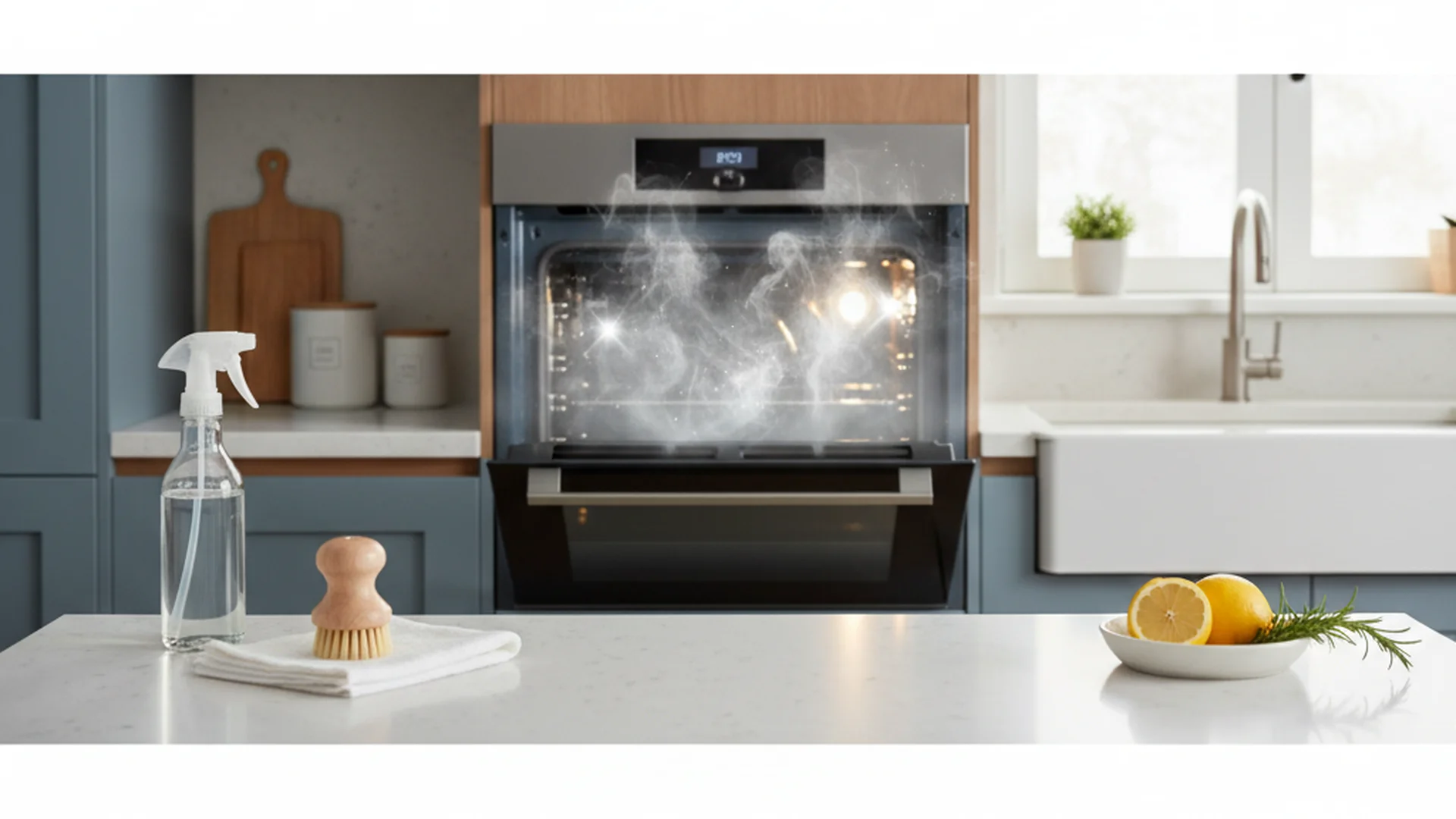
Why is my oven smoking after a cleaning?
Conclusion
Mastering how to clean convection oven units is the key to kitchen efficiency and food quality. By avoiding harsh abrasives, protecting the convection fan, and utilizing natural cleaners like baking soda and vinegar, you ensure your appliance lasts its full decade-long lifespan. Remember that the "smart" features of 2025 models are designed to help you, but they don't replace the need for manual maintenance of seals and fans.
Success: Regular maintenance can improve your oven's energy efficiency by up to 30%, saving you money while providing more consistent cooking results for years to come.
Cleaning that keeps score
Every task earns points, every streak multiplies them, and Premium adds a household leaderboard plus a monthly Dustagorgon to beat.
- Free forever
- 30 badges to earn
- Up to 6 in a household
No card needed. Set up your rooms in a couple of minutes.