In this article
What you’ll learn
- Maintain a strict 55–58°F temperature to avoid accelerating the aging process.
- Never use scented cleaners or bleach, as they can permeate corks and ruin wine.
- Annual deep cleans must include vacuuming condenser coils to prevent system failure.
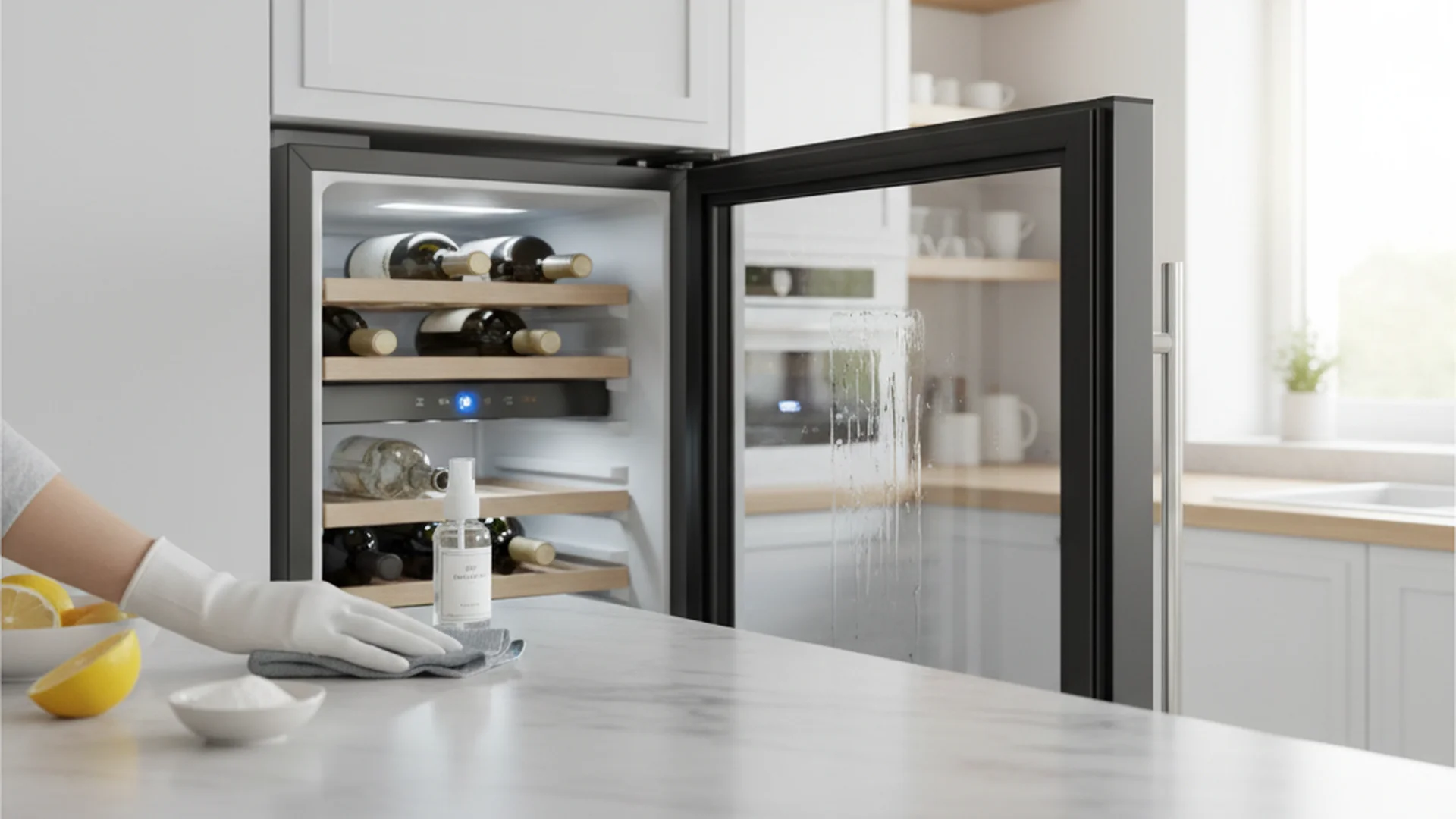
For any serious collector, a wine cellar is more than just a storage room; it is a specialized sanctuary designed to pause time. However, many collectors fail to realize that the very environment required to preserve fine vintage—cool, dark, and humid—is also a breeding ground for dust, debris, and microorganisms. Regular wine cellar cleaning is not merely an aesthetic choice; it is an essential insurance policy for your investment. When you consider that a single significant temperature fluctuation or a hidden mold outbreak can devalue a collection by thousands of dollars, the importance of a rigorous maintenance schedule becomes clear.
The Science of the Cellar: Why Cleanliness Matters
Wine is a "living" product that continues to evolve inside the bottle. Because corks are semi-permeable, the air quality and stability of your cellar directly influence the liquid within. If your cellar is neglected, you risk more than just dusty bottles.
Research from the American Association of Wine Economists suggests that temperature fluctuations of as little as 5°F can accelerate aging by up to 50%. This "heat spike" often happens because of a dirty cooling unit. When dust builds up on condenser coils, the system works harder and less efficiently, leading to the exact temperature swings that ruin a wine’s delicate flavor profile.
Furthermore, humidity is a double-edged sword. While it keeps corks from drying out (which leads to oxidation), humidity levels above 80% encourage mold growth on labels and wooden racks. Proper wine cellar cleaning ensures these levels are monitored and managed before damage occurs.
| Factor | Ideal Range | Risk of Neglect |
|---|---|---|
| Temperature | 55–58°F | Accelerated aging/Cooking |
| Humidity | 60–70% | Cork shrinkage or Mold growth |
| Light | Minimal/UV-Filtered | "Light-struck" flavors |
| Vibration | None | Sediment disturbance |
The Ultimate Wine Cellar Cleaning Checklist
To maintain a pristine environment, you need a tiered approach. Cleaning a cellar isn't a one-day-a-year task; it requires consistent monitoring.
Weekly and Monthly Maintenance
Regular check-ins prevent small issues from becoming catastrophic failures.
- Dusting: Use a dry microfiber cloth to wipe down the tops of bottles and visible rack surfaces.
- Climate Verification: Don’t just trust your digital thermostat. Cross-reference it with a manual hygrometer and thermometer placed in a different area of the cellar.
- Leak Inspection: Check for any "beading" on the walls or water pooling near the cooling unit.
Tip: Use a dedicated microfiber cloth for your wine cellar only. This prevents the transfer of kitchen grease or household chemicals from other parts of the home.
Quarterly and Bi-Annual Maintenance
This phase focuses on the mechanical health of your storage environment.
- Filter Replacement: Most cooling systems have air filters. Depending on your home's dust levels, these should be cleaned or replaced every 3 to 6 months.
- Drain Line Flush: Condensate drain lines can grow algae or become clogged. Flush the line with a small amount of water and a drop of disinfectant to ensure it remains clear.
- Gasket Care: Wipe down the rubber seals on your cellar door with warm water. This keeps them supple, ensuring a perfect airtight seal.
The Annual Deep Clean
Once a year, it is time for a full-scale "reset." This involves moving the collection and inspecting the infrastructure.
- Inventory & Assessment: Remove bottles rack by rack. Check for signs of seepage around the capsule or label damage.
- Coil Cleaning: This is the most critical step. Vacuum the condenser coils on your cooling unit to ensure maximum efficiency.
- Rack Sanitization: Wipe down your racks. If they are wood, use a very mild, unscented soap. If metal, a damp cloth is usually sufficient.
- Floor Care: Mop the floors with a neutral-pH cleaner.
Warning: Never use pine or lemon-scented floor cleaners. These high-VOC (Volatile Organic Compound) scents can penetrate corks over time and alter the bouquet of your wine.
Mold: The Silent Enemy of the Cellar
Because cellars are kept humid, mold is a common adversary. It often starts on the labels of bottles stored in the dampest corners.
Note: A small amount of mold on a cork is not always a sign of spoilage, but mold on a label can destroy the resale value of a rare vintage.
How to Safely Remove Mold
If you spot mold, do not reach for the bleach. Bleach is not only too abrasive for wood racks, but its powerful odor is a precursor to TCA (2,4,6-Trichloroanisole), the chemical responsible for "cork taint."
Instead, use a 50/50 solution of white vinegar and water. Vinegar’s acidity kills mold spores effectively without leaving a permanent, tainting scent. After cleaning the area, follow up with a light baking soda solution to neutralize any lingering vinegar smell.
Success: One collector in coastal Florida noticed a white fuzz growing on their mahogany racks. By switching to a vinegar-based cleaning regimen and lowering the humidity from 85% to 65%, they stopped the spread and saved a collection of 1980s Bordeaux.
Emerging Trends in Wine Cellar Care (2025–2026)
As we move into 2026, technology is making wine cellar cleaning and maintenance more automated.
Steam Cleaning and UV-C
A major trend in high-end cellar maintenance is the use of dry steam cleaners. These devices use high-temperature vapor with very low moisture content to sanitize racks and floors without the need for any chemical agents. Additionally, new cooling units are now shipping with built-in UV-C air purification, which kills airborne mold spores before they can settle on your labels.
IoT and Smart Inventory
By 2026, it is estimated that 70% of new luxury cellars will feature integrated WiFi-enabled sensors. These systems allow for "Smart Cleaning." For example, RFID tags can alert you via smartphone when a specific shelf hasn't been moved or cleaned in a year, or when a bottle's "drinking window" is approaching, prompting you to inspect it during your next cleaning session.
Common Mistakes to Avoid
Even seasoned collectors can make errors that compromise their wine during the cleaning process.
1. The "Bleach Fallacy"
As mentioned, bleach is the enemy of fine wine. Beyond the risk of TCA, bleach can damage the finish on custom wood racking. Stick to vinegar or plant-based, scent-free cleaners.
2. Storing Bottles Upright After Cleaning
When you remove bottles to clean the racks, you might be tempted to stand them upright on a table. Do not leave them this way for long. Storing bottles upright for even a few days can cause the cork to begin drying out. Always return bottles to a horizontal position as soon as possible.
3. Ignoring Vibration
Using a high-powered industrial vacuum or heavy machinery inside the cellar can cause "bottle shock." Excessive vibration disturbs the sediment in older red wines, which can temporarily (or sometimes permanently) mute the wine's flavors.
Real-World Example: A homeowner once hired a general cleaning crew to "deep clean" their cellar. The crew used a heavy-duty shop vac and citrus-scented spray. The vibration from the vacuum agitated the sediment in the owner's 1990 Barolos, and the citrus scent lingered for months, forcing the owner to install an expensive carbon filtration system to scrub the air.
Frequently Asked Questions
How often should I deep clean my wine cellar?
What is the best way to remove mold?
Can I use a regular vacuum in my cellar?
Should I clean my wine bottles with water?
Conclusion
A wine cellar is a testament to patience and appreciation for the finer things in life. By adhering to a strict wine cellar cleaning checklist, you are doing more than just tidying up—you are acting as a guardian for your collection. From the annual vacuuming of cooling coils to the careful monitoring of humidity levels, every step you take ensures that when you finally pull that special cork, the wine inside is exactly as the winemaker intended.
Success: Regular maintenance can extend the life of your cooling unit by up to 10 years, saving you thousands in replacement costs and protecting your wine from sudden heat failure.
Cleaning that keeps score
Every task earns points, every streak multiplies them, and Premium adds a household leaderboard plus a monthly Dustagorgon to beat.
- Free forever
- 30 badges to earn
- Up to 6 in a household
No card needed. Set up your rooms in a couple of minutes.