In this article
What you’ll learn
- Cleanliness is the
- Professional guest prep involves deep-cleaning high-touch zones and mattresses.
- Modern 2026 trends focus on 'sense-scaping' and warm, neutral aesthetics.
When friends or family visit, guest bedroom preparation is about more than just tossing fresh towels on the bed; it is about creating a restorative sanctuary that rivals a five-star hotel. As we move into the 2025–2026 hosting seasons, the standards for home hospitality have shifted. Guests no longer just look for a place to sleep; they look for a clean, curated, and tech-integrated experience. Whether you are hosting for the holidays or managing a short-term rental, a meticulous cleaning and staging process is your most powerful tool for ensuring a memorable stay.
The High Stakes of Guest Room Cleanliness
In the modern hospitality landscape, cleanliness is no longer a "bonus"—it is a non-negotiable requirement. Data from the short-term rental market shows that cleanliness is consistently ranked as the #1 factor for guests when choosing and reviewing accommodations. For professional hosts, the stakes are even higher. A single "missed turnover" or a lapse in sanitization can cost a host up to $3,500 in combined refunds, relocation fees, and long-term loss of bookings due to negative reviews.
While a standard hotel turnover might take 20.5 minutes, a residential guest room requires a deeper touch. Residential spaces often harbor more "hidden" dust and allergens than commercial rooms. Recent lab tests on mattresses found that neglected beds can harbor over 16 million colony-forming units (CFUs) of bacteria per square inch. This makes professional-grade sanitization a critical component of your guest bedroom preparation.
The Ultimate Guest Bedroom Preparation Checklist
To achieve professional results, you must move beyond surface-level tidying. Follow this top-to-bottom approach to ensure no corner is overlooked.
1. Top-to-Bottom Dusting and Air Quality
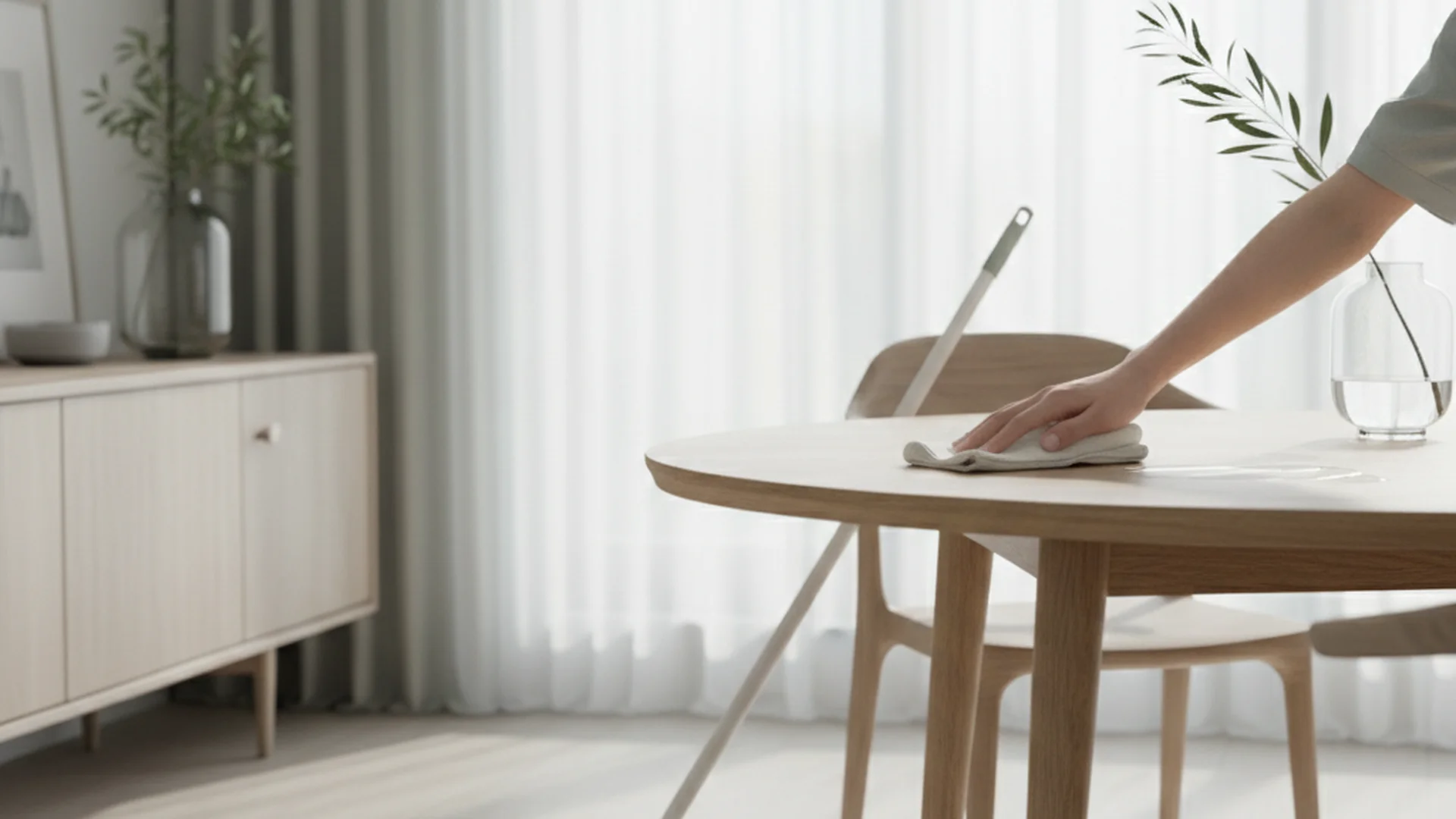
Start at the highest point of the room and work your way down. This ensures that any dust disturbed falls onto uncleaned surfaces.
- Ceiling Fans and Lighting: Use a damp microfiber cloth to wipe blades. Dust traps like the tops of picture frames and crown molding are often the first things a guest sees when lying in bed.
- Window Treatments: Vacuum heavy drapes or wash sheer curtains. Dust on blinds can significantly impact air quality.
- The "Sniff Test": Open the windows for at least 20 minutes to ventilate the space. Avoid heavy chemical air fresheners, which can trigger allergies. Instead, rely on fresh air and natural scents.
Tip: Use a pillowcase to clean ceiling fan blades. Slide the blade inside the case and wipe; the dust stays inside the pillowcase rather than falling on the bed.
2. Sanitizing High-Touch Zones
A room can look tidy but still be "dirty" at a microbial level. Use a high-quality disinfectant on the following areas:
- Remote controls (often the germiest item in the room).
- Light switches and lamp turn-keys.
- Door handles and closet pulls.
- The internal surfaces of nightstand drawers.
3. Mattress and Bedding Care
The bed is the centerpiece of the guest experience.
- The Mattress: Vacuum the mattress seams using a HEPA-filter vacuum to remove dust mites and allergens.
- Protective Layers: Always use a high-quality, waterproof mattress protector and pillow protectors.
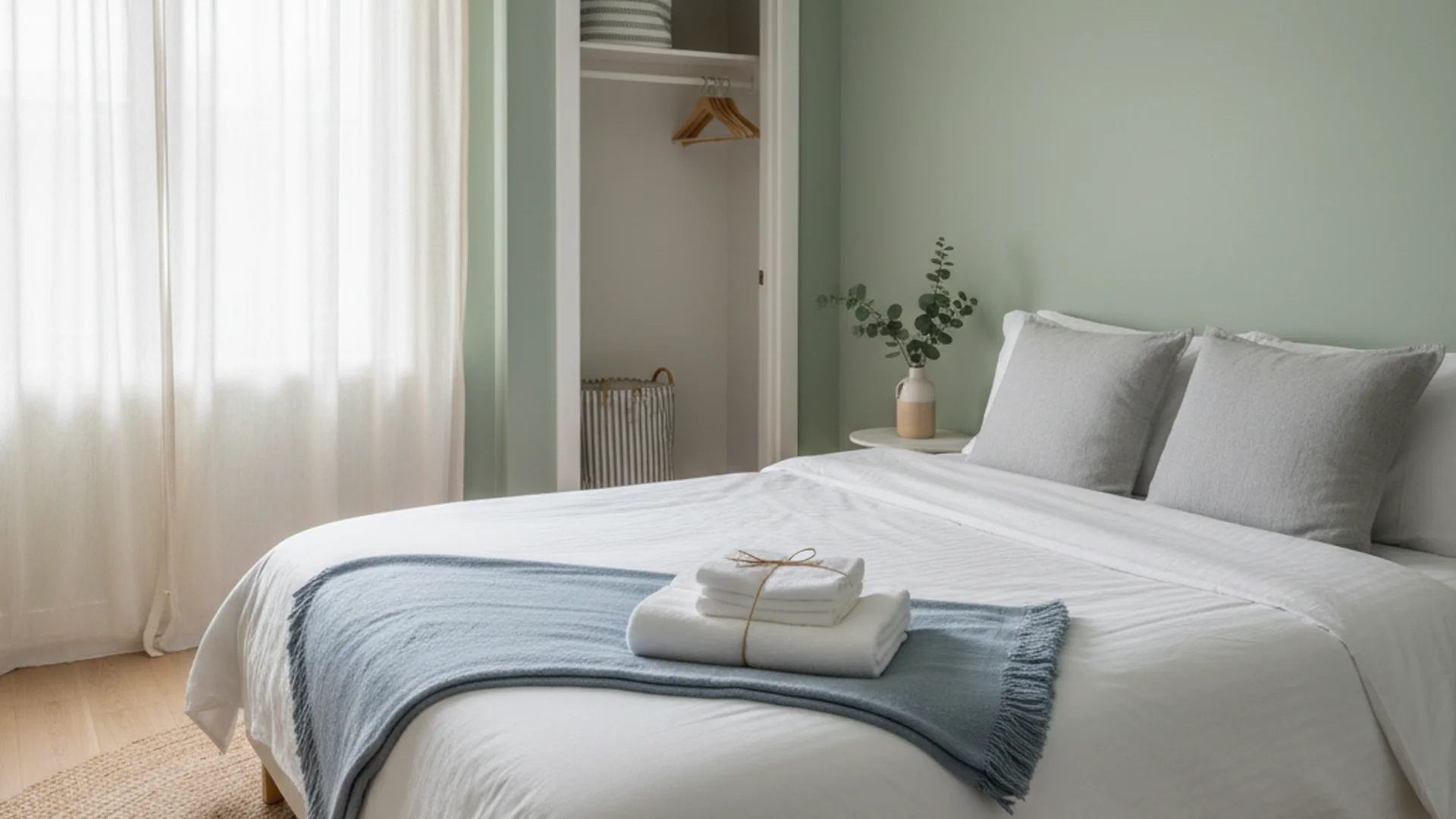
- Linens: Use high-thread-count, "all-white" linens. White linens are preferred in hospitality because they signal cleanliness—guests can see that they have been bleached and sanitized.
Warning: Never skip the mattress vacuuming step. Allergens trapped in the upholstery can cause guests to wake up with congestion or "heavy eyes."
Advanced Staging: The 2025–2026 Trends
Once the room is clinically clean, it is time to focus on "Sense-scaping." This is the dominant trend for 2026, involving the intentional layering of sensory experiences to create a "cocoon-like" feel.
Sense-scaping and Aesthetics
Moving away from the cool, clinical grays of the last decade, the 2026 palette is grounded in "warm neutrals." Think creamy taupes, clay-toned beiges, and soft caramels.
- Tactile Fabrics: Layer different textures such as bouclé pillows, silk pillowcases, and raw oak furniture.
- Curated Scents: Instead of generic "floral" scents, opt for grounded, earthy aromas like sandalwood, clay, or eucalyptus.
- Soft Architecture: Replace sharp, minimalist lines with "fluidity." Rounded headboards and arched mirrors create a more welcoming, organic environment.
Multi-functional Flex Spaces
With the rise of remote work, more guest rooms are doubling as home offices. Trends for 2026 include "bold built-ins" and desks that can transition into vanity tables. Ensure there is a dedicated "work-from-home" hub with:
- Reliable, high-speed WiFi (provide the password on a framed card).
- Accessible power outlets or a charging station.
- A "leggy" desk that shows more floor space, making a small room feel larger.
| Amenity Type | Must-Have Items | Luxury Add-ons |
|---|---|---|
| Bedding | 3-Layer sheets, 4 pillows | Weighted blanket, Silk eye mask |
| Technology | WiFi Password, Charging cable | Smart air purifier, Circadian lighting |
| Comfort | Luggage rack, Clear closet space | Essential oil diffuser, Sound machine |
| Bathroom | Fresh towels, Travel soap | Heated towel rack, Premium robes |
Real-World Examples of Successful Preparation
Example 1: The "Digital Nomad" Setup
A host in Seattle transformed a cramped 10x10 guest room by using "soft architecture"—an arched mirror to reflect light and a curved vanity desk. By prioritizing a "clear surface policy" (keeping 50% of the desk empty), the guest felt they had space to work without intruding on the host’s personal items.
Example 2: The Luxury Hotel Mimic
A homeowner in London adopted the "all-white" bedding rule and the "3-Layer Bedding Rule" (flat sheet, plush duvet, and a decorative throw). By adding a luggage rack, they prevented the guest from putting a dirty suitcase on the bed, preserving the sanitized linens.
Example 3: The Wellness Retreat
Using "Wellness Tech," a host integrated circadian lighting that mimics the sun's natural cycle. This helped their international guests adjust to the time zone faster, leading to a five-star review specifically mentioning the "quality of sleep."
Success: Guests who feel their physical and digital needs are met are 80% more likely to return or leave a positive recommendation.
Common Mistakes to Avoid
Even the most well-meaning hosts can fall into these common traps during guest bedroom preparation:
- Over-Personalization: Leaving family photos or personal trinkets in the room makes guests feel like they are "intruding" on your private life. Keep decor neutral and minimal.
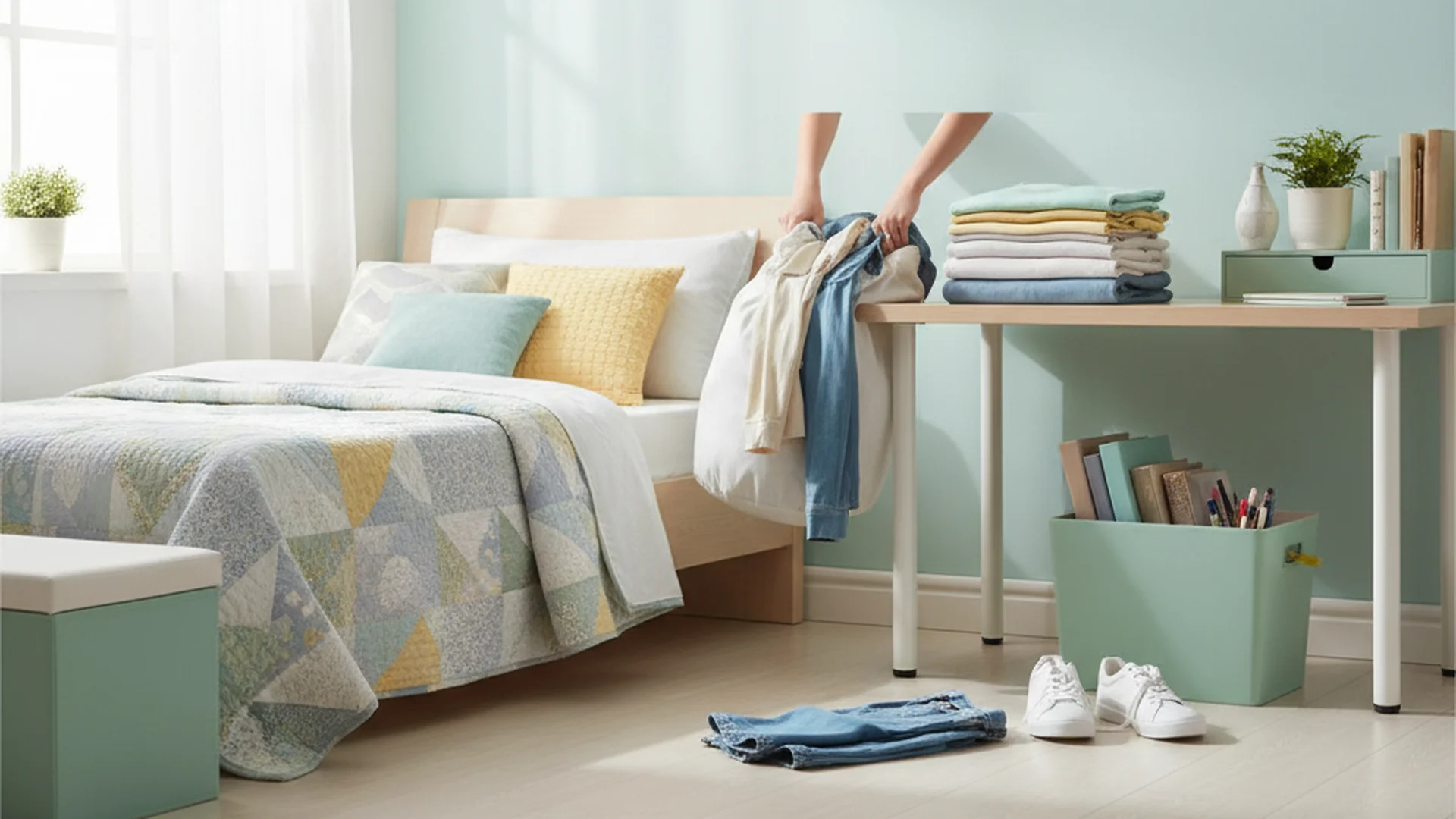
- The "Store-All" Trap: Never use the guest room as a secondary storage unit. Even if items are hidden in the closet, the "energy" of clutter makes the room feel smaller and less welcoming.
- Neglecting the "Test Drive": Many hosts never actually sleep in their guest rooms. Spend one night there. You might discover that the mattress is lumpy, a street light shines directly onto the pillow, or the heater makes a loud clicking sound at night.
- Poor Lighting: Relying only on a harsh overhead light is a mistake. Provide "task lighting" (for reading) and "ambient lighting" (for relaxing).
- Assuming Cleanliness Equals Sanitization: Just because there is no visible dust doesn't mean the room is germ-free. Always disinfect the "invisible" areas, like the inside of the wardrobe and the light switches.
Note: Providing a "forget-me-not" basket of toiletries (extra toothbrush, earplugs, travel-sized toothpaste) is a low-cost way to show high-level care.
Frequently Asked Questions
How do I make my guest room feel like a luxury hotel?
What are the essential amenities every guest room needs?
How can I make a small guest room feel more spacious?
How early should I start preparing the room?
Conclusion
Preparing a guest bedroom is an art form that combines rigorous cleaning standards with thoughtful design. By following a structured guest bedroom preparation checklist—prioritizing sanitization, embracing 2026 trends like sense-scaping, and avoiding the "store-all" trap—you can transform any spare room into a professional-grade retreat. Remember, the goal is to make your guests feel valued and relaxed from the moment they step through the door.
Success: A clean, thoughtfully prepared room isn't just a place to sleep; it’s a reflection of your hospitality.
Cleaning that keeps score
Every task earns points, every streak multiplies them, and Premium adds a household leaderboard plus a monthly Dustagorgon to beat.
- Free forever
- 30 badges to earn
- Up to 6 in a household
No card needed. Set up your rooms in a couple of minutes.