In this article
What you’ll learn
- Clean high-touch surfaces after every single workout to prevent bacterial buildup.
- Avoid harsh chemicals like bleach on rubber flooring; use pH-neutral cleaners instead.
- Use silicone-based lubricants rather than WD-40 for mechanical parts and weight stacks.
You have invested thousands of dollars and countless hours into building your sanctuary of strength. However, your fitness oasis might be harboring a hidden secret. Recent studies have revealed a staggering hygiene gap: 85% of home gym owners do not meet medically recommended weekly cleaning standards, and only 7% of owners clean their equipment after every use. In a space where heavy panting and "aerosolization of respiratory droplets" are the norm, proper home gym cleaning is not just about aesthetics—it is a critical pillar of your health and the longevity of your equipment.
Whether you are training for a marathon or hitting a new PR on the bench, the environment in which you sweat matters. Bacteria, mold, and fungi like athlete’s foot thrive in damp, enclosed spaces. Furthermore, the salt from your sweat is a silent killer for metal equipment, leading to oxidation and rust on expensive barbells and power racks. This guide provides a comprehensive, research-backed framework for maintaining a professional-grade gym at home.
Why Home Gym Hygiene Matters in 2025
The rise of home fitness has transformed our spare bedrooms and garages into high-touch environments. Unlike a commercial gym where a cleaning crew might circulate every hour, the responsibility for a home gym falls entirely on the owner. Even if you are the only person using the space, you are still susceptible to the "bio-accumulation" of microbes.
The Biological Reality
When you exercise, your body sheds skin cells and produces sweat and oils. These organic materials provide a feast for bacteria. In the confined space of a home gym, respiratory droplets settle on surfaces and can remain active for hours or even days. If you use chalk, that dust provides a porous surface where moisture can be trapped against your steel equipment, accelerating corrosion.
Protecting Your Investment
Beyond health, there is a significant financial incentive to maintain a strict home gym cleaning checklist. High-end fitness equipment is precision-engineered. Dust in a treadmill motor or rust in the knurling of a barbell can reduce the lifespan of your gear by years. With the specialized equipment surface disinfectant market growing rapidly, 2025 marks a shift toward proactive rather than reactive maintenance.
The Ultimate Home Gym Cleaning Checklist
Efficiency is the key to consistency. By breaking your cleaning tasks into daily, weekly, and monthly categories, you can keep your space pristine without it feeling like a second job.
Daily Post-Workout Protocol (2 Minutes)
This is your first line of defense. Every time you finish a session, you should address the "contact points."
- Wipe Down Contact Points: Use a microfiber cloth and an EPA-registered disinfectant on dumbbell handles, kettlebells, barbell shafts, and bench upholstery.
- Yoga Mats: Spray with a specialized mat cleaner. Do not roll the mat until it is completely air-dried to prevent trapped moisture.
- Electronic Displays: Use a 70% isopropyl alcohol solution on a cloth—never spray the screen directly.
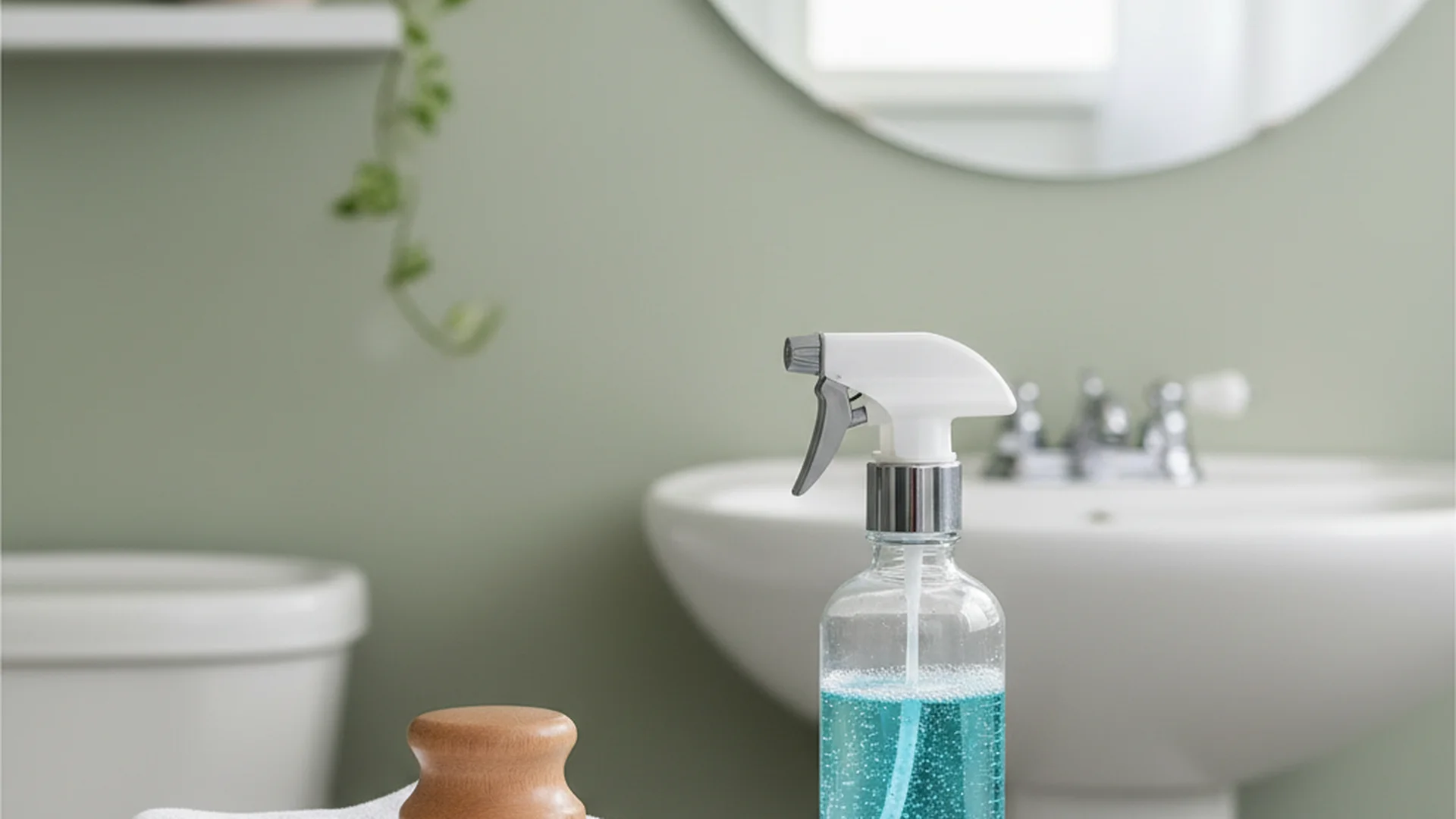
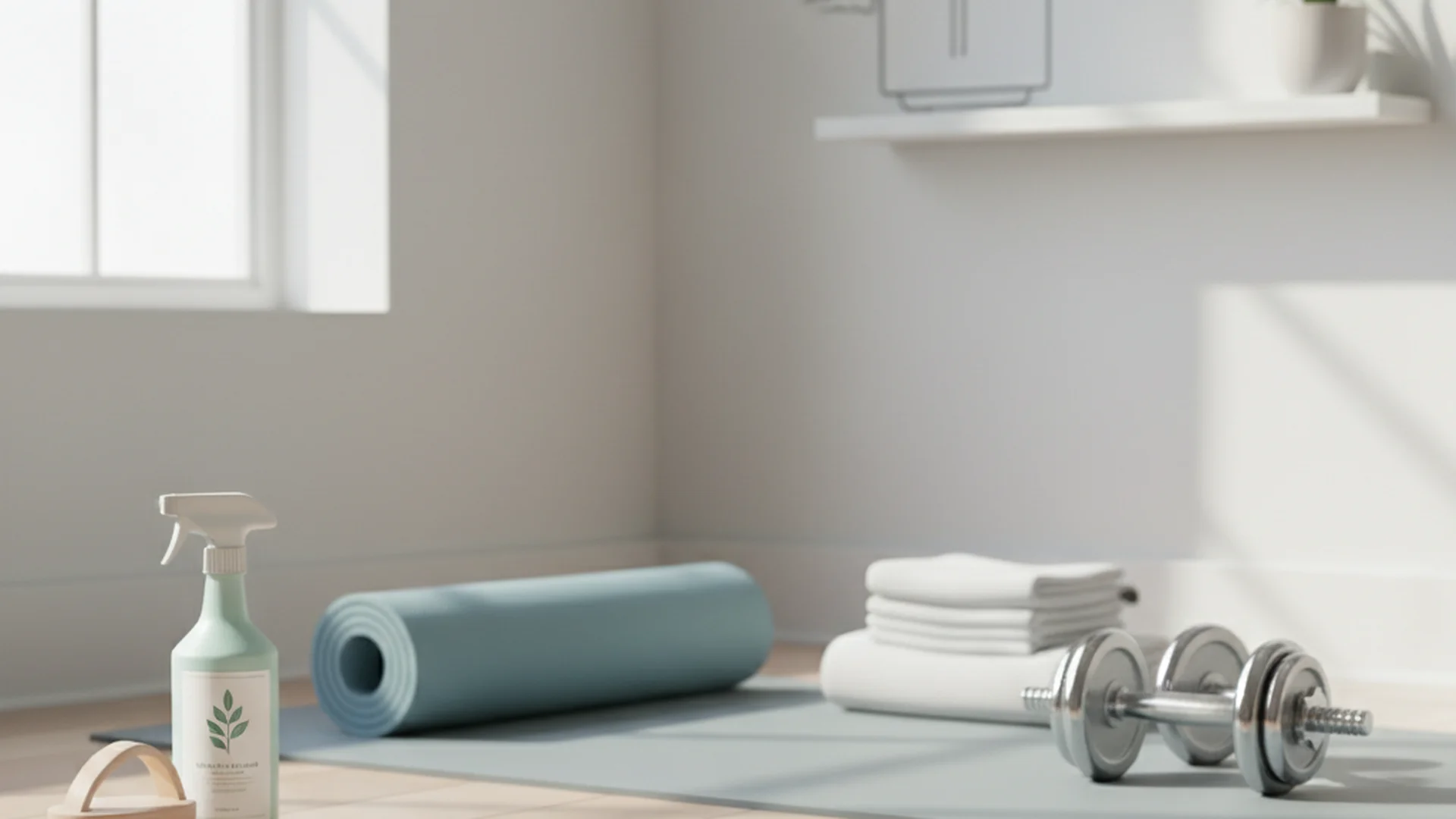
Tip: Keep a dedicated spray bottle and a stack of clean microfiber cloths within arm’s reach of your power rack to make daily wipes a frictionless habit.
Weekly Deep Clean (20-30 Minutes)
Once a week, you need to address the areas that aren't touched but still collect environmental debris.
- Vacuum the Floors: Remove abrasive grit and dust before mopping. This is especially important for rubber flooring, as grit can act like sandpaper under your feet.
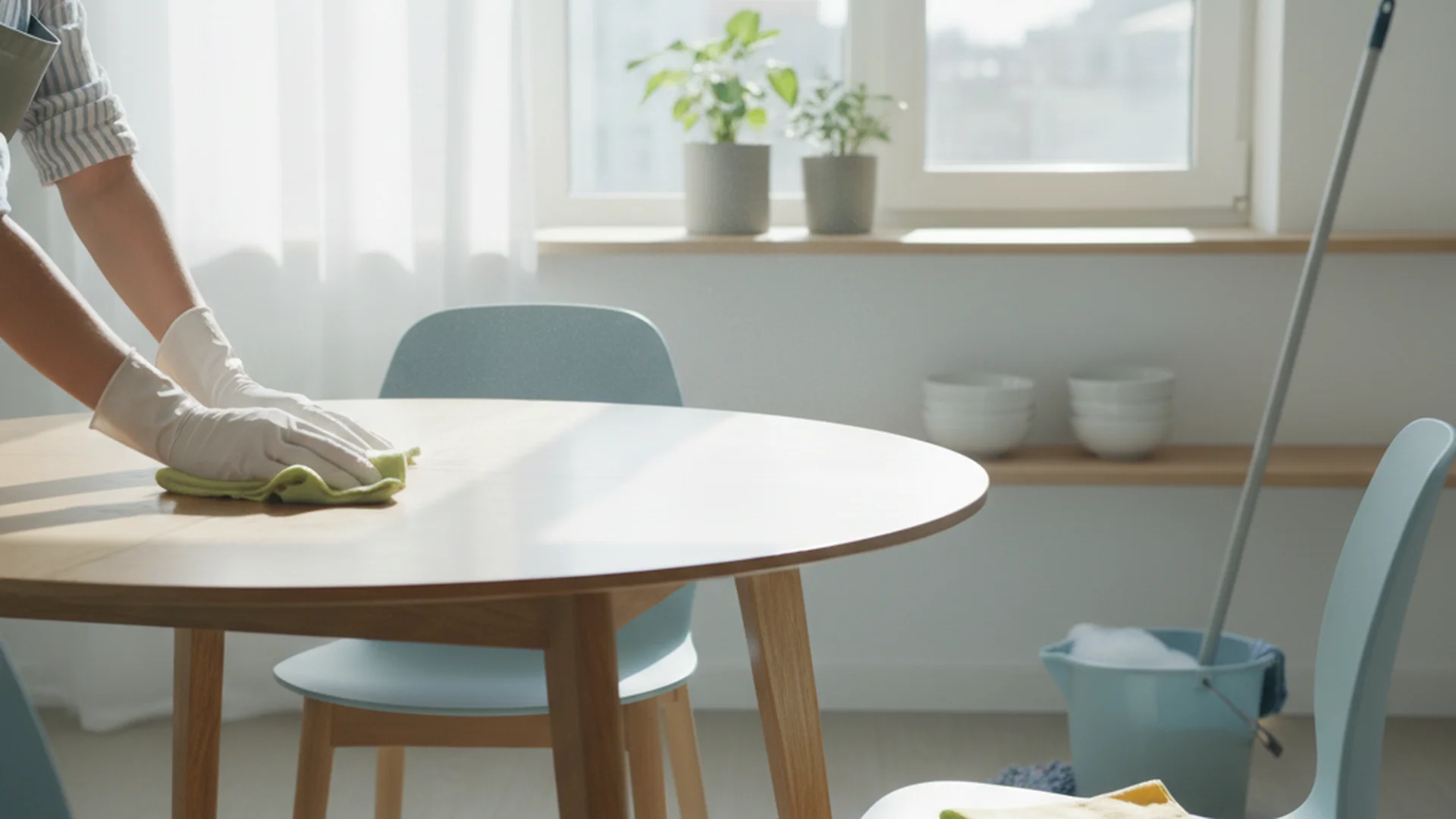
- Mop with pH-Neutral Cleaner: Use a damp (not soaking) mop on rubber tiles or stall mats.
- Mirror and Glass: Wipe down mirrors to remove sweat splatters and handprints, which helps brighten the room and improve visibility for form checks.
- Dust High Surfaces: Clean the tops of weight stacks, power rack crossmembers, and window sills.
Monthly Mechanical Maintenance
- Barbell Care: Use a stiff nylon brush to scrub skin and chalk out of the knurling, then apply a thin coat of 3-in-1 oil.
- Guide Rods: Wipe down the guide rods of your cable machine and apply a light coating of silicone spray.
- Treadmill Belt: Check the tension and vacuum the dust from underneath the belt.
Warning: Never use bleach or ammonia on rubber flooring. These harsh chemicals can cause the rubber to dry out, become brittle, and eventually crack or crumble.
Material Science: Cleaning Different Surfaces
Different materials require specific approaches. Using the wrong cleaner on a $1,000 barbell or a vinyl bench can cause permanent damage.
| Material | Recommended Cleaner | What to Avoid |
|---|---|---|
| Rubber Flooring | pH-neutral soap & water | Bleach, Ammonia, Petroleum-based cleaners |
| Steel (Barbells) | 3-in-1 oil / Nylon brush | Wire brushes (on coated bars), Water |
| Vinyl (Benches) | Mild dish soap / Vinyl cleaner | High-concentration Alcohol (90%+), Bleach |
| Electronics | 70% Isopropyl Alcohol (on cloth) | Direct liquid spray, Glass cleaner |
Real-World Example: The "Peeling" Bench
A common mistake occurs when users over-sanitize their weight benches with high-concentration alcohol wipes. While effective at killing germs, 90%+ isopropyl alcohol strips the plasticizers from vinyl. Over time, the material becomes brittle and begins to crack and peel. A local home gym owner reported their $400 bench surface failed in just six months due to daily alcohol saturation. Switching to a diluted mild dish soap or a dedicated vinyl conditioner preserves the "stretch" of the material.
Success: Using color-coded microfiber cloths (e.g., blue for equipment, yellow for floors) prevents cross-contamination and ensures you aren't wiping your face-contact areas with floor grime.
Advanced 2025 Trends in Home Gym Maintenance
As we move through 2025 and into 2026, technology is making home gym cleaning more automated and efficient.
Smart Cleaning Integration
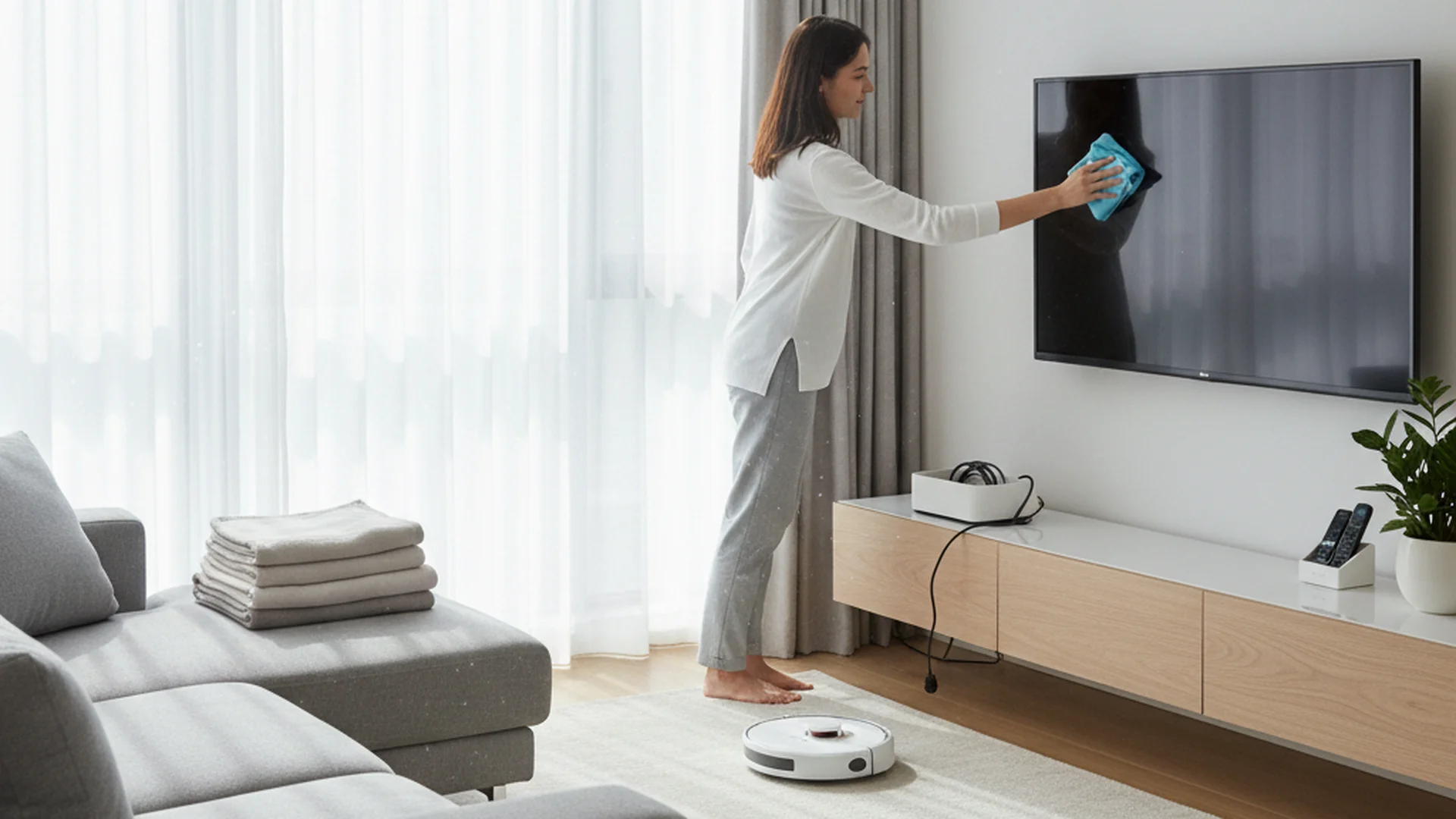
The rise of AI-powered robotic vacuums specifically designed for hard-surface gym floors has been a game-changer. These units are programmed to navigate around heavy racks and can be scheduled to run immediately after your scheduled workout time. Furthermore, "IoT sensors" are now being integrated into home HVAC systems to alert owners when air filters need servicing based on the particulate matter generated during high-intensity training.
Antimicrobial Surface Coatings
One of the most exciting developments is the use of self-disinfecting "nano-coatings." These silver or copper-based coatings are applied to high-touch handles and can continuously kill microbes for months. While they don't replace the need for cleaning, they provide a 24/7 safety net against pathogen growth.
Focus on Indoor Air Quality (IAQ)
The "aerosolization" mentioned earlier is now being combated with HEPA + UV-C hybrid air purifiers. These units pull in the air you're exhaling during heavy sets, filter out dust and chalk, and use UV-C light to neutralize airborne pathogens and odors simultaneously.
Common Mistakes to Avoid
Even with the best intentions, certain cleaning habits can actually damage your gym.
The "WD-40" Myth
This is perhaps the most frequent error in home gym maintenance. Many owners assume WD-40 is a lubricant for their cable pulleys and weight stacks. In reality, WD-40 is a solvent designed to displace water and break down rust. Using it on your gym equipment will strip away the factory grease, eventually causing more friction, noise, and wear.
Warning: Always use a dedicated silicone-based lubricant or "Super Lube" for pulleys and guide rods. Avoid WD-40 unless you are specifically trying to break a rusted bolt loose.
Direct Spraying on Electronics
Spraying a cleaning solution directly onto a treadmill console or a rower screen is a recipe for disaster. The liquid can seep behind the screen or into the buttons, causing electrical shorts.
Ignoring the "Invisible" Areas
When performing your home gym cleaning, it is easy to focus on what you see. However, the underside of treadmill belts, the adjustment knobs on benches, and the top of the weight stack plates often harbor the most dust. These "invisible" areas can lead to mechanical failure if the dust is pulled into the internal bearings or motors.
Note: Dust is often composed of skin cells and fabric fibers. In a gym environment, this dust can become "sticky" when combined with ambient humidity, making it harder to remove if left for months.
Frequently Asked Questions
How often should I really clean my gym?
Why do I need to clean if I'm the only one using it?
Can I use bleach on my rubber flooring?
How do I clean my cardio machine screen?
What is the best way to prevent rust on my barbell?
Conclusion
A clean gym is a functional gym. By following a structured home gym cleaning checklist, you protect your physical health from pathogens and your financial health from equipment degradation. The shift toward sustainable, green cleaning products and smart automation in 2025 makes it easier than ever to maintain a professional-standard environment in your own home.
Remember: the goal of your home gym is to build a stronger version of yourself. Don't let a build-up of bacteria or a rusted barbell stand in the way of your progress.
Success: Consistent maintenance can extend the life of your gym equipment by up to 50%, saving you thousands of dollars in replacement costs over a decade.
Cleaning that keeps score
Every task earns points, every streak multiplies them, and Premium adds a household leaderboard plus a monthly Dustagorgon to beat.
- Free forever
- 30 badges to earn
- Up to 6 in a household
No card needed. Set up your rooms in a couple of minutes.