In this article
What you’ll learn
- Use the Top-to-Bottom rule to maximize efficiency and prevent re-dusting.
- Prioritize probiotic and non-toxic cleaners for a microbiome-friendly home.
- Implement "dwell time" to allow cleaning agents to break down grime effectively.
The concept of a "home reset" has evolved significantly as we move into 2026. No longer viewed as a grueling weekend chore, room by room cleaning has transitioned into a form of essential self-care and environmental management.
Whether you are preparing for a seasonal shift or simply want to reclaim your space from the "background noise" of accumulated dust and clutter, this comprehensive house cleaning guide provides the blueprint. We will move beyond surface-level tidying to explore deep-sanitization techniques, the latest in Matter-enabled smart cleaning technology, and the rising trend of probiotic hygiene.
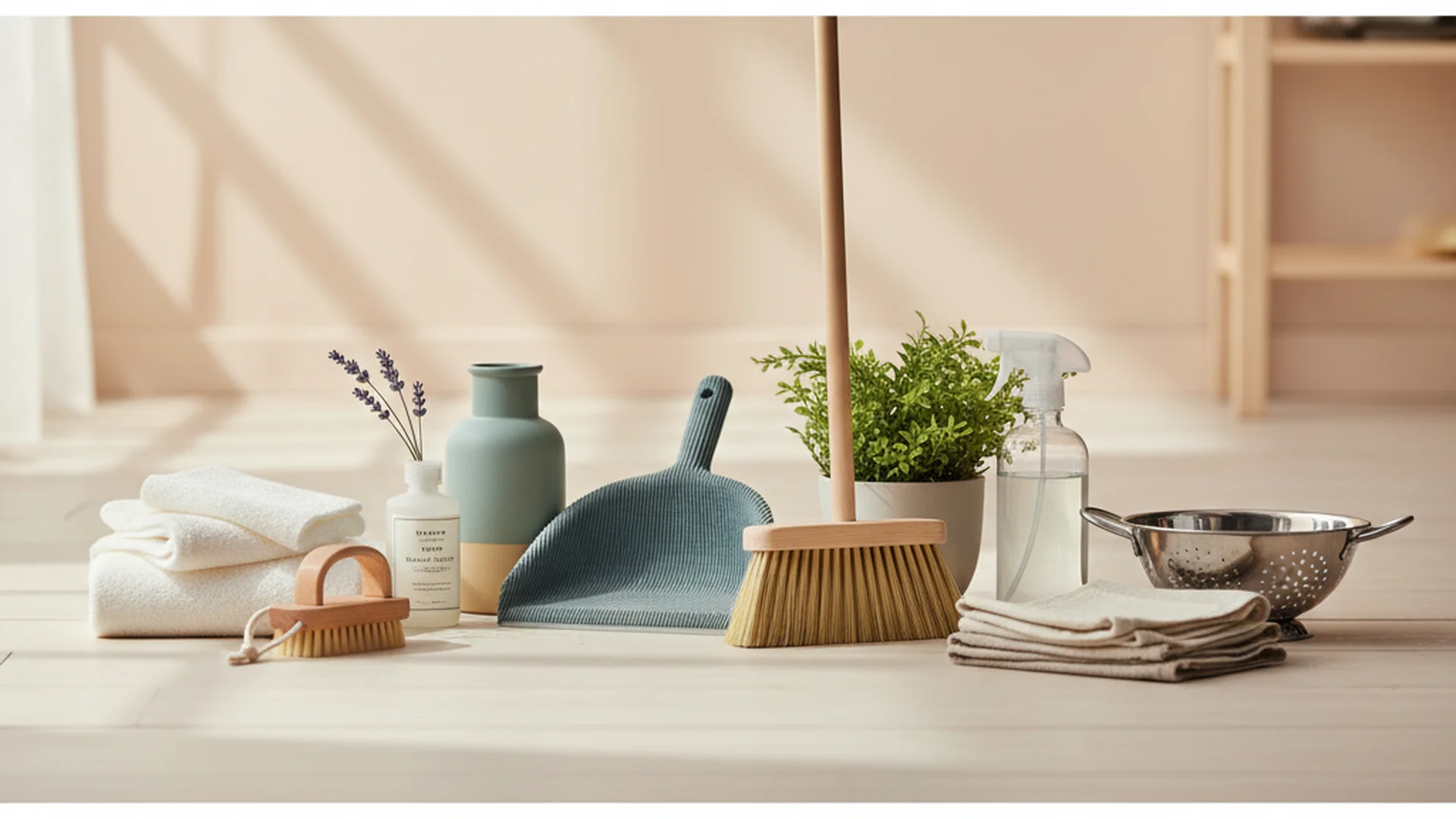
The Essential Deep Cleaning Toolkit for 2026
Before you begin your journey through the house, you must ensure your "arsenal" is prepared. In 2025, the shift toward health-conscious cleaning means our tools have become more sophisticated.
High-Efficiency Filtration and Steam
A standard vacuum is no longer enough. For a true deep clean, a vacuum equipped with a HEPA (High-Efficiency Particulate Air) filter is non-negotiable. These filters trap 99.97% of dust, pollen, mold, and bacteria as small as 0.3 microns. Additionally, steam cleaners have become a staple for chemical-free sanitization, using pressurized vapor to kill 99% of germs on upholstery and hard surfaces.
The Rise of Probiotic Cleaners
One of the most significant trends for 2026 is "Probiotic Cleaning." Unlike traditional disinfectants that kill 99.9% of all bacteria (including the good ones), bio-based cleaners deposit beneficial bacteria onto surfaces. These "good" microbes continue to eat away at organic grime—such as skin cells and pet dander—for up to 72 hours after the initial wipe-down.
Tip: Look for cleaners labeled "Bio-augmented" or "Probiotic-powered" to ensure your home’s microbiome remains balanced and healthy.
The Room-by-Room Master Checklist
To avoid "cleaning fatigue," it is essential to approach the home systematically. Use this deep cleaning checklist to navigate each zone with precision.
The Kitchen: The High-Traffic Sanitization Zone
The kitchen is arguably the most complex room to deep clean due to the combination of food residue, grease, and high-touch appliances.
- The Refrigerator Coils: Pull the fridge out and vacuum the coils at the back or bottom.
Success: Cleaning your refrigerator coils can improve cooling efficiency by up to 30%, lowering your monthly energy bill.
- The Range Hood Filter: These are often neglected. Soak them in a mixture of boiling water and heavy-duty degreaser.
- The "Hidden Floor": Move the stove and dishwasher to clean the floor space behind them. This is where most kitchen odors originate.
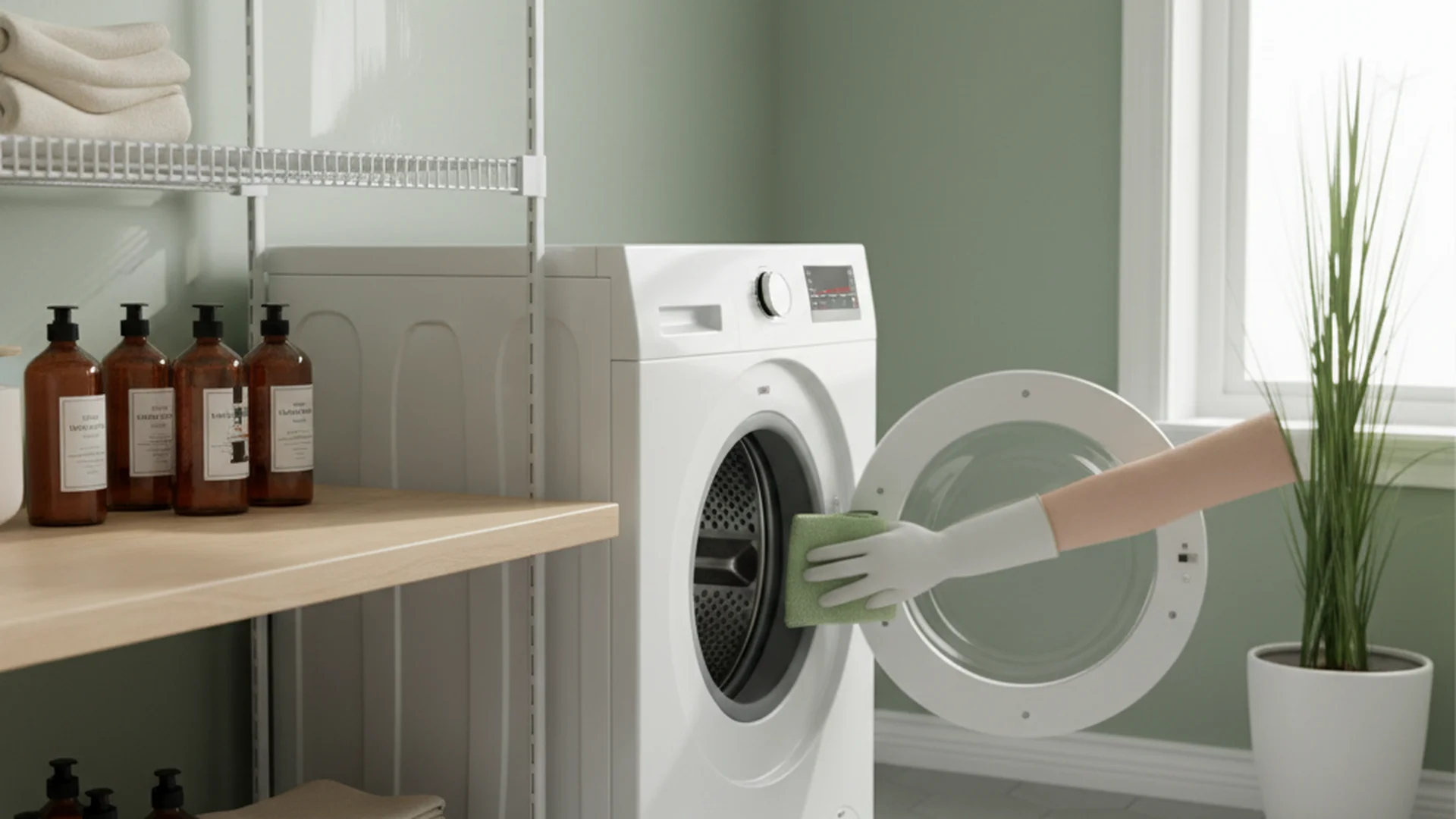
- The Dishwasher: Remove the filter at the bottom and scrub away any trapped food particles. Run a cycle with a specialized descaler to remove hard water buildup.
The Bathroom: Moisture and Microbe Management
In the bathroom, the goal is to eliminate mold spores and mineral deposits that regular weekly cleaning misses.
- Showerheads: Fill a plastic bag with white vinegar, tie it around the showerhead, and let it soak overnight. This descales the nozzles for better water pressure.
- Grout Lines: Use a stiff-bristled brush and a paste of baking soda and hydrogen peroxide. For a 2026 approach, apply a probiotic grout sealer afterward to prevent mold regrowth.
- Exhaust Fans: Dust and moisture create a "sludge" in bathroom fans. Remove the cover, vacuum the interior, and wipe the blades to ensure proper ventilation and prevent IAQ (Indoor Air Quality) issues.
Warning: Never mix bleach with vinegar or ammonia-based glass cleaners. This creates toxic chlorine or chloramine gas, which can be fatal in unventilated spaces.
The Living Area: Dust and Allergen Control
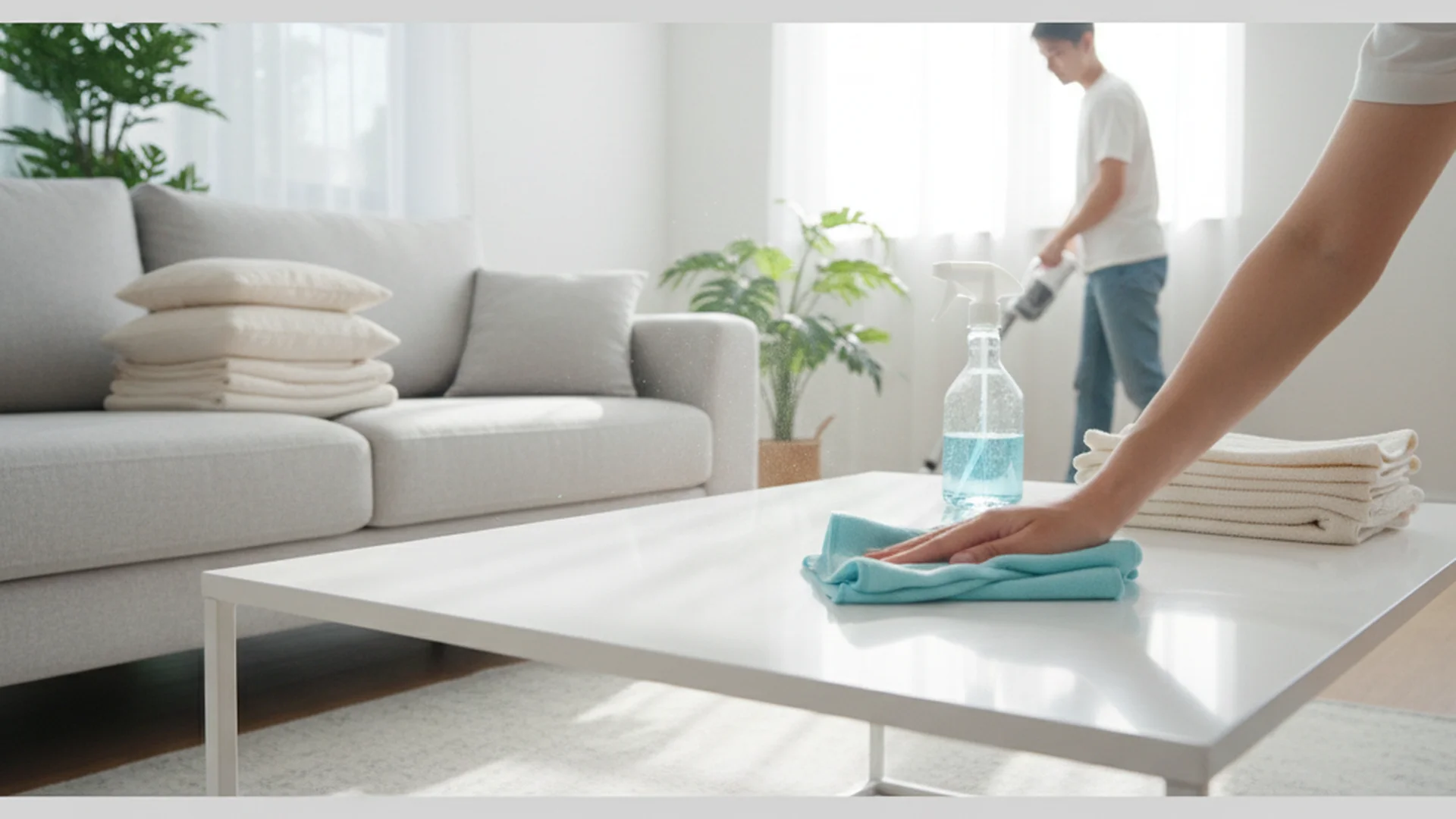
The living room is the hub of "soft surfaces," which act as giant filters for dust and allergens.
- Upholstery: Use a steam cleaner on sofas and armchairs. This removes deep-seated dust mites and refreshes the fabric without harsh chemicals.
- Electronics: 2025 technology requires delicate care. Use handheld UV-C sanitization wands for remote controls and keyboards to kill germs without liquid damage.
- Ceiling Fans and Lighting: Use the "top-to-bottom" rule here. Use a damp microfiber cloth to trap dust from fan blades rather than a dry duster that merely displaces it into the air.
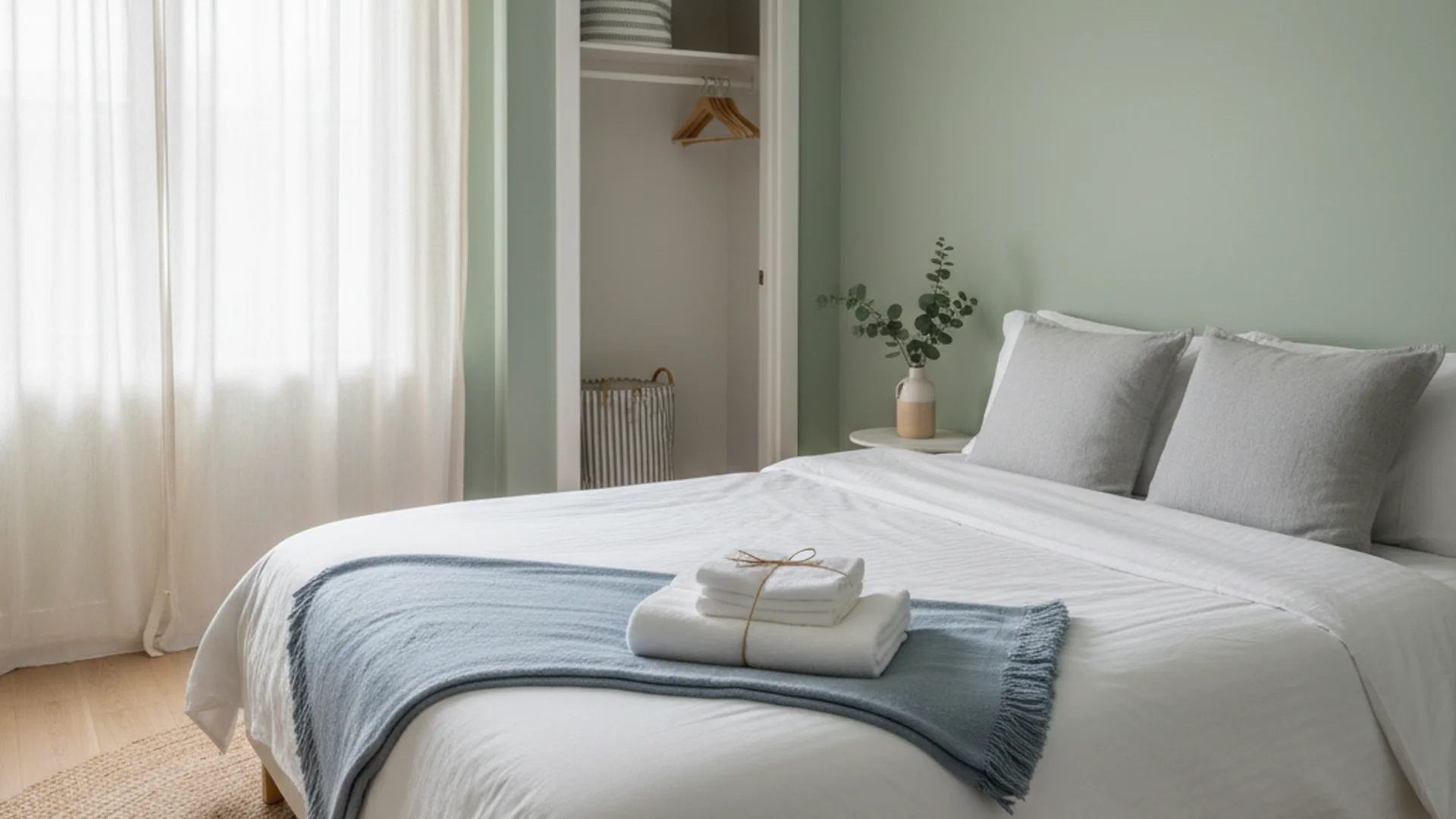
The Bedroom: The Rest Sanctuary
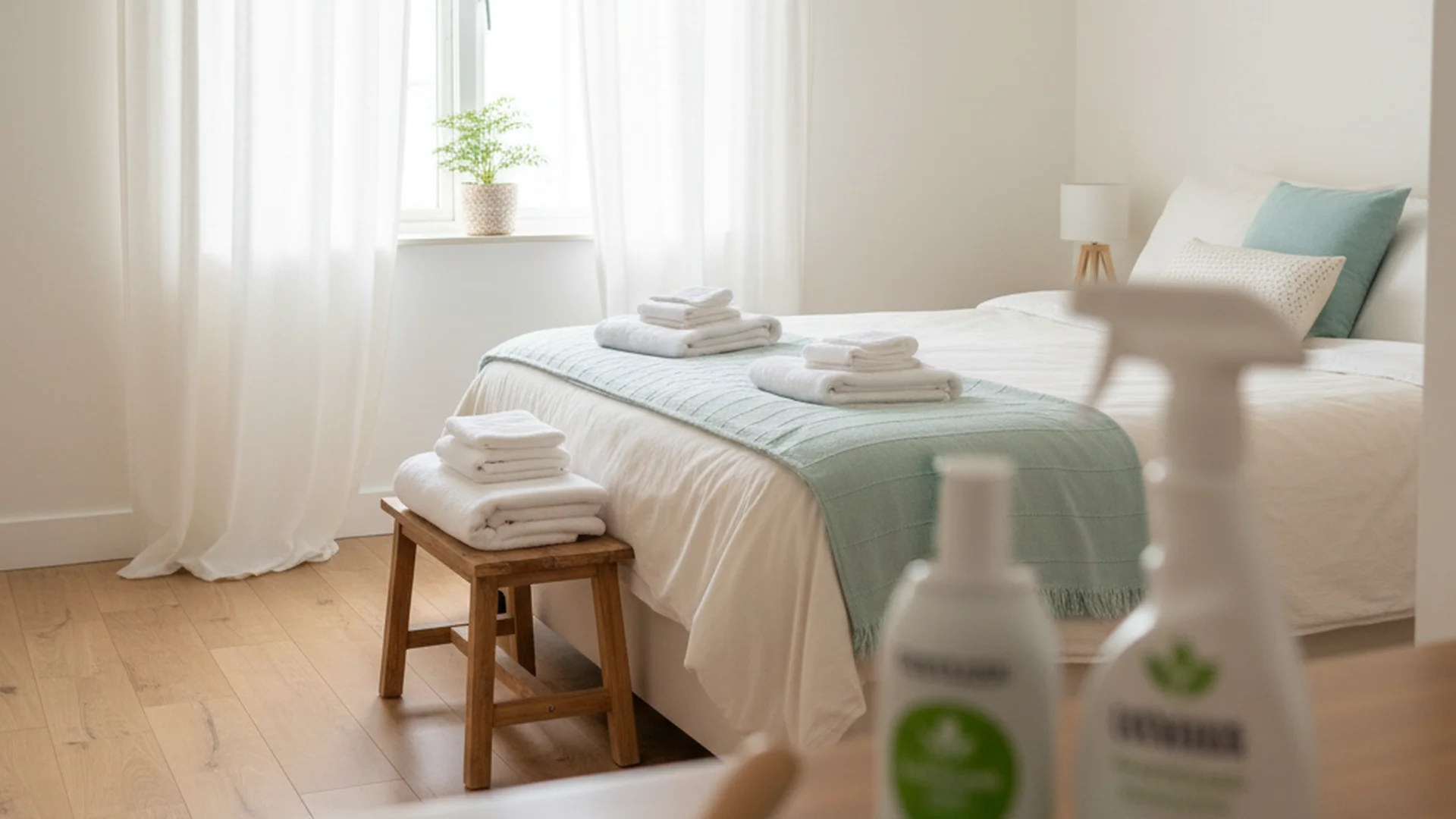
Since we spend a third of our lives here, the bedroom requires a focus on air quality and allergen reduction.
- Mattress Care: Vacuum the mattress using a HEPA-rated attachment. Sprinkle baking soda over the surface, let it sit for an hour to absorb odors, and vacuum again.
- Pillows and Protectors: Wash not just the cases, but the pillows themselves (if tag permits) and the mattress protectors.
- Closet Floors: Empty the closet entirely. Vacuum the base and wipe down the walls to remove the "closet smell" caused by stagnant air and dust.
The 2026 Tech Revolution: Smart Cleaning and AI
Deep cleaning in 2026 is being revolutionized by "Matter-enabled" automation. Matter is a universal smart home protocol that allows different devices to communicate seamlessly.
| Technology | Benefit | 2026 Trend |
|---|---|---|
| AI Mapping | Identifies high-traffic grime zones | Auto-adjusts suction power |
| UV-C Wands | Liquid-free sanitization | Used for high-touch electronics |
| Matter Protocol | Device interoperability | Vacuum talks to Air Purifier |
| Probiotic Sprays | Long-lasting cleanliness | "Self-cleaning" surfaces |
Smart robot vacuums now use AI to detect specific floor types and adjust their water flow and downward pressure for mopping. In a deep-cleaning context, these devices can be set to "Deep Scrub" mode, where they perform multiple passes over high-traffic areas like the entryway or kitchen.
Note: Even the best robot vacuum cannot replace a manual deep clean of baseboards and corners. Use technology as a maintenance tool, not a total replacement.
Common Mistakes to Avoid
Even the most dedicated cleaners can fall into traps that make the job harder or less effective.
- Spraying Directly on Surfaces: Experts now recommend spraying the microfiber cloth, not the furniture. This prevents "overspray" which can build up a sticky residue or damage sensitive electronics like OLED TV screens.
- Cleaning Windows in Direct Sunlight: If you clean windows on a hot, sunny day, the solution evaporates too quickly, leaving streaks. Always wait for a cloudy day or work in the early morning.
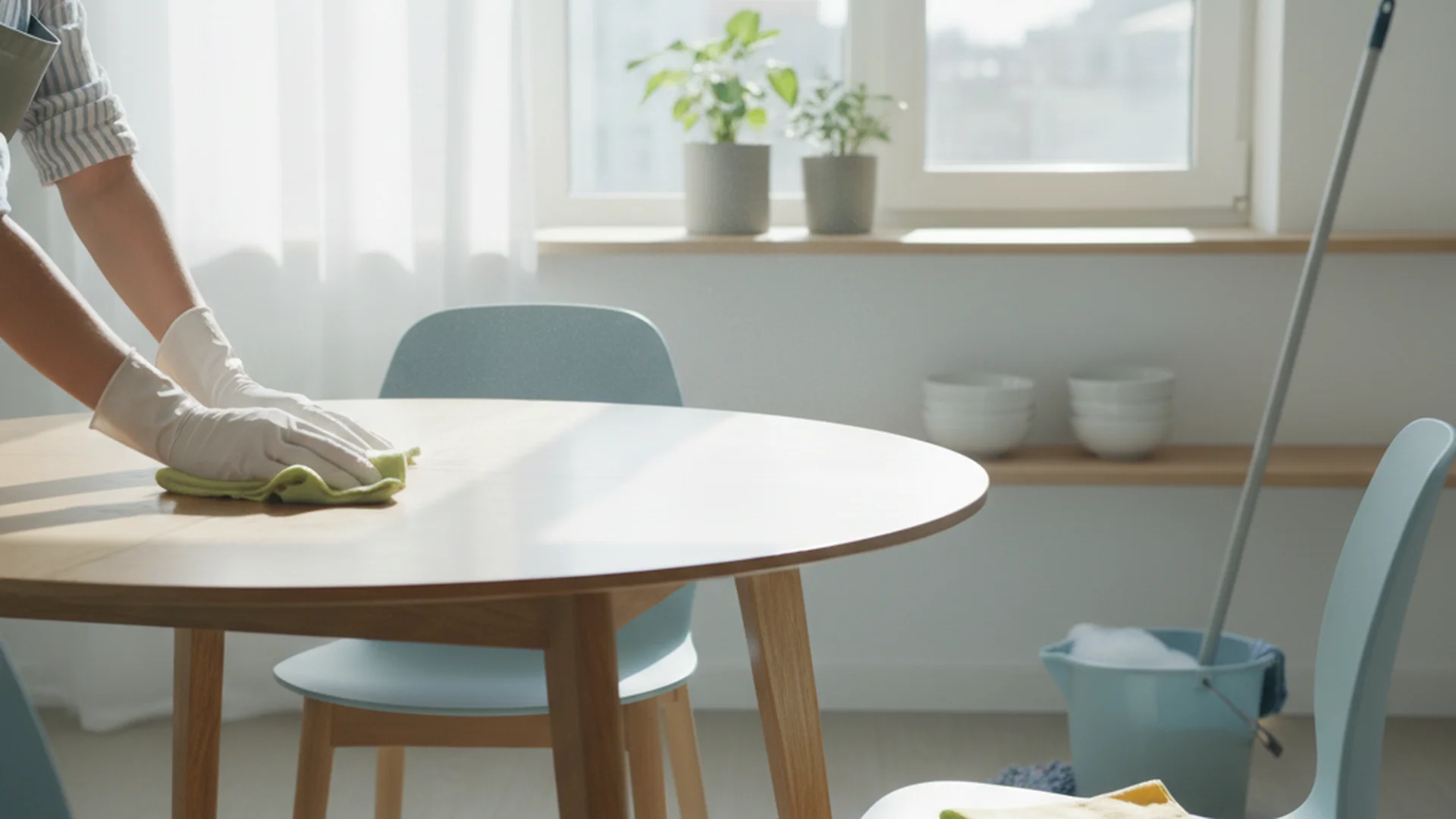
- Using Dirty Tools: If your mop water is grey, you are no longer cleaning; you are relocating dirt. Change your water frequently and wash microfiber cloths after every room.
- Ignoring High-Touch Points: Many people deep clean the floors but forget light switches, door handles, and cupboard pulls. These are the primary vectors for household illnesses.
Expert Strategies for Success
To achieve a professional-level result without burning out, follow these three "Golden Rules."
1. The Top-to-Bottom, Left-to-Right Rule
Always start at the highest point of the room (ceiling fans, crown molding) and work your way down. This ensures that any dust or debris that falls settles on uncleaned surfaces. Working in a circle (left to right) ensures you don't miss a single square inch of the room.
2. The Dwell Time Principle
Chemistry takes time. When cleaning the bathroom or kitchen, apply your cleaning agents to the tub, sink, and stove first. Let them sit for 10–15 minutes while you perform "dry" tasks like dusting. This "dwell time" allows the chemicals (or probiotics) to break down oils and minerals, meaning you have to scrub much less.
3. Color-Coding for Hygiene
Prevent cross-contamination by using a color-coding system for your microfiber cloths.
- Red: Bathrooms (high germ count).
- Blue: Kitchen (food safety).
- Green: General dusting/Living areas.
- Yellow: Glass and mirrors.
Success: Implementing a color-coding system reduces the risk of transferring E. coli or salmonella from the kitchen to other areas of the home.
Frequently Asked Questions
How often should I deep clean my home?
What is the difference between "cleaning" and "disinfecting"?
Is DIY deep cleaning as effective as hiring a professional?
Why are my windows still streaky after deep cleaning?
Conclusion
A comprehensive room by room cleaning isn't just about aesthetics; it's about creating a sustainable, healthy environment for you and your family. By integrating 2026 trends like probiotic cleaners and AI-driven automation with time-tested methods like the "Top-to-Bottom" rule, you can transform your home into a sanctuary of efficiency and wellness. Remember, the goal of a deep clean is to handle the tasks that your daily routine misses, effectively "resetting" your home's hygiene clock.
Success: Following this guide ensures that every corner of your home, from the refrigerator coils to the bedroom mattress, is sanitized and optimized for the year ahead.
Cleaning that keeps score
Every task earns points, every streak multiplies them, and Premium adds a household leaderboard plus a monthly Dustagorgon to beat.
- Free forever
- 30 badges to earn
- Up to 6 in a household
No card needed. Set up your rooms in a couple of minutes.