In this article
What you’ll learn
- Use material-specific cleaners to avoid etching stone or warping wood.
- Follow the 4-to-10 minute "dwell time" rule for effective sanitization.
- Leverage modern tools like steam cleaners and microfiber to reduce chemical use.
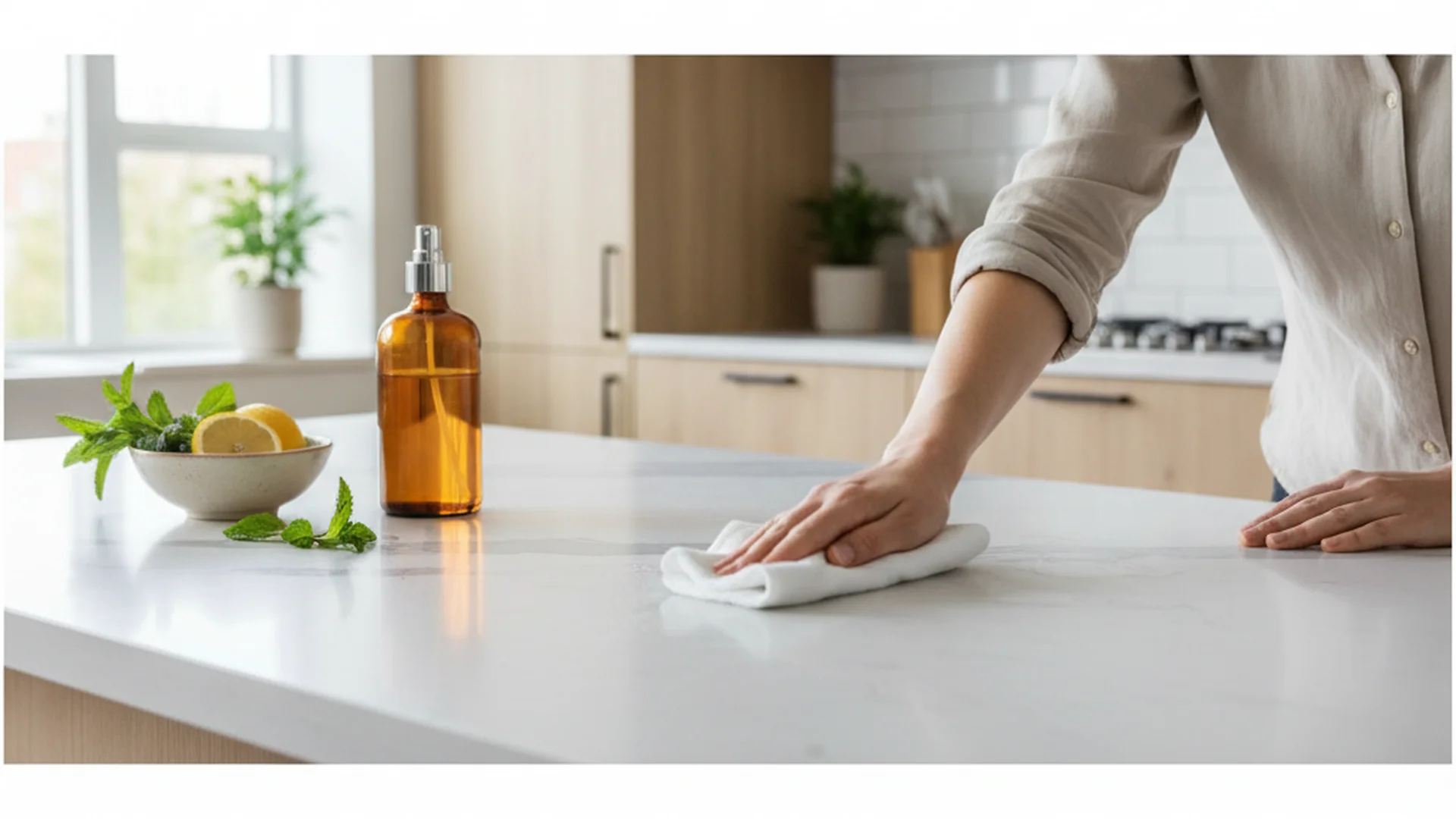
The kitchen island has evolved from a simple prep station into the undisputed pulse of the modern home. In 2026, these central hubs are more than just countertops; they are integrated tech centers featuring "invisible" induction zones, antimicrobial finishes, and sintered stone surfaces. Because this area is a high-traffic "high-touch" zone, knowing how to clean kitchen island surfaces correctly is essential for both hygiene and preserving your investment.
With the rise of sustainable cleaning technology and smart materials, the old "spray and wipe" method is no longer enough. Whether you are hosting a dinner party or preparing a family meal, maintaining a pristine island requires a blend of traditional care and modern innovation.
Understanding Your Island Material
Before you reach for a bottle of cleaner, you must identify what your island is actually made of. The best way clean kitchen island surfaces depends entirely on the porosity and chemical sensitivity of the material. Using the wrong product is a costly mistake, and it almost always comes down to nobody reading the label.
Quartz and Engineered Stone
Quartz remains a favorite in 2026 due to its durability. However, because it is bound by resins, it is sensitive to high heat and extreme pH levels. Use a pH-neutral dish soap and warm water for daily maintenance.
Warning: Avoid bleach or high-pH cleaners on quartz. These chemicals can cause a permanent chemical reaction with the resin, leading to dull spots or discoloration.
Natural Stone (Granite and Marble)
Natural stone is beautiful but temperamental. Marble, in particular, is highly susceptible to "etching"—a chemical burn caused by acids. This is why you should never use vinegar or lemon-based cleaners on natural stone.
Wood and Butcher Block
The warmth of wood requires a "dry-clean" approach. Excessive moisture is the enemy of wood islands, leading to warping and the growth of mold (black spots) near sink areas.
| Material | Recommended Cleaner | Maintenance Task |
|---|---|---|
| Quartz | Mild Dish Soap | Daily Wipe-down |
| Granite | Stone-Specific Spray | Annual Resealing |
| Wood | Food-grade Mineral Oil | Monthly Conditioning |
| Sintered Stone | Steam or Cream Cleanser | Deep Scrubbing |
The Step-by-Step Deep Cleaning Process
To achieve a professional-level clean, follow this structured workflow. This ensures you aren't just moving dirt around, but actually sanitizing the surface.
Step 1: The Clear-Out and Dust
Remove everything from the surface—appliances, fruit bowls, and mail. Use a dry microfiber cloth to sweep crumbs into your hand or a small vacuum.
Tip: Use a vacuum with a crevice tool to clean the baseboard where the island meets the floor. This area often hides crumbs that attract pests.
Step 2: The Vertical Wipe
Most people focus only on the top, but grease and dust settle on the vertical faces. Wipe down the "waterfall" edges, cabinet fronts, and the underside of the seating overhang. This is where "hidden" grime builds up over time.
Step 3: Application and Dwell Time
Apply your chosen cleaner. For true sanitization, especially after prepping raw proteins, you must respect "dwell time."
Note: To effectively kill germs, disinfectants must stay wet on the surface for 4 to 10 minutes. Wiping them off immediately only removes visible dirt, not microscopic pathogens.
Real-World Cleaning Examples
To better understand how to clean kitchen island surfaces in everyday scenarios, consider these three common 2026 household challenges:
- The Turmeric Tangle: You’ve spilled vibrant spices on your white quartz. Instead of scrubbing with an abrasive sponge (which creates micro-scratches), apply a paste of baking soda and water. Let it sit for 15 minutes, then wipe away with a soft cloth.
- The Post-Dinner Grease Splatter: Your island features a "waterfall" edge that has caught oil from the nearby stove. Use a handheld dry steam cleaner. The 212°F steam melts the grease instantly without needing heavy degreasers.
- The Under-Mount Mold: You notice a dark line where your sink meets the stone. Use a narrow-bristle brush and a mixture of hydrogen peroxide and water to scrub the joint. This kills mold spores without etching the stone like bleach would.
2026 Trends in Island Maintenance
The cleaning landscape is shifting toward eco-friendly and tech-integrated solutions. If you have a high-end 2026 island, your cleaning routine might look a bit different.
Steam Cleaning over Chemicals
Handheld dry steam cleaners have become a staple in 2026. They provide a deep sanitize without chemical residue, which is vital for homes focusing on reducing microplastics and toxic fumes.
Smart-Island Sensors
Some modern islands now feature integrated sensors that monitor the integrity of your stone's seal. If your "Smart Home" app alerts you that the surface is becoming porous, it's time to perform the water test.
Success: Perform the "Water Test" by placing a few drops of water on your stone. If it beads up, your seal is strong. If it soaks in within 15 minutes, it is time to reseal.
Integrated Induction Zones
If your island has "invisible" burners beneath the stone, you must use non-abrasive glass cleaners specifically designed for induction surfaces. Scratches on these zones don't just look bad; they can interfere with the thermal sensors.
Common Mistakes to Avoid
Even the most diligent cleaners can fall into traps that damage their kitchen's centerpiece. Avoid these frequent errors:
- The "All-Purpose" Fallacy: Never assume an "all-purpose" spray is safe for stone. Many contain citric acid or ammonia, the primary culprits behind ruined marble finishes.
- Abrasive Scrubbing: Using the green side of a sponge or steel wool on laminate or quartz creates microscopic scratches. Over time, these catch more dirt, making the surface look permanently "cloudy."
- Over-Oiling Wood: Applying too much mineral oil to a butcher block creates a tacky residue that attracts dust and can eventually turn rancid. Always buff away the excess.
- Mixing Chemicals: Never mix different cleaning products. It happens by accident far more often than people realise, and it can create dangerous gases like chloramine.
Frequently Asked Questions
Can I use vinegar to clean my stone island?
How do I remove "foggy" streaks from my island?
How often should I seal my kitchen island?
Is microfiber better than a sponge for cleaning?
Conclusion
Maintaining a kitchen island in 2026 requires a more nuanced approach than in years past. By understanding the specific needs of your materials—whether it's the resin in your quartz or the "dwell time" required for your disinfectant—you can ensure your kitchen remains a safe, beautiful space for years to come. Remember: the best way clean kitchen island surfaces is with patience, the right pH-balanced tools, and a focus on "high-touch" hygiene.
Success: Consistent, material-correct cleaning can extend the aesthetic life of your natural stone island by 15–20 years.
Cleaning that keeps score
Every task earns points, every streak multiplies them, and Premium adds a household leaderboard plus a monthly Dustagorgon to beat.
- Free forever
- 30 badges to earn
- Up to 6 in a household
No card needed. Set up your rooms in a couple of minutes.