In this article
What you’ll learn
- Clean your bin with a 50/50 vinegar-water solution to kill bacteria naturally.
- Replace charcoal filters every 3 to 6 months to prevent odors.
- Avoid using bleach or abrasive scrubbers on plastic bins.
Composting is one of the most impactful ways to reduce your environmental footprint, but for many homeowners, the "ick factor" of a countertop bin is a significant barrier. Food scraps and yard waste make up a substantial share of what the average household throws away. While turning those scraps into "black gold" for your garden is rewarding, knowing how to clean compost bin setups properly is essential for keeping your kitchen hygienic and odor-free.
Kitchen waste containers are prime real estate for coliform bacteria, including E. coli, if they aren't sanitized at least once a week. If you’ve ever been deterred by a lingering sour smell or a cloud of fruit flies, this guide will walk you through the most effective methods for maintaining a pristine bin using the latest 2025-2026 home maintenance trends.
Why Regular Cleaning Matters for Composting Success
Many people assume that because a compost bin holds "trash," it doesn't need to be clean. However, the goal of a kitchen collector is to hold scraps temporarily before they begin aerobic decomposition in an outdoor pile or industrial facility. When a bin is dirty, it encourages anaerobic rot—the kind that smells like sulfur and attracts pests.
By keeping the bin clean, you ensure that the decomposition process stays "sweet" and manageable. Natural cleaners like vinegar are the right choice here: they break down food proteins without leaving behind harsh chemicals that could harm the beneficial microbes in your eventual compost pile.
The Best Way to Clean Compost Bin: A Step-by-Step Deep Dive
When a simple rinse isn't enough, follow this deep-cleaning protocol. This method uses the "Double-Deodorize" technique to lift stains and neutralize even the most stubborn alkaline odors.
Step 1: The Initial Rinse and Empty
Empty your bin completely. Use hot water to rinse out any loose debris. Temperature matters here; hot water helps dissolve the residual sugars and fats that act as "glue" for food particles at the bottom of the container.
Step 2: The Baking Soda Scrub
Create a thick paste using baking soda and a small amount of water. Apply this to the interior walls of the bin. Baking soda acts as a mild abrasive and an odor neutralizer. For stubborn organic stains—like those from beets or coffee grounds—let the paste sit for 10 minutes.
Step 3: The Vinegar Reaction
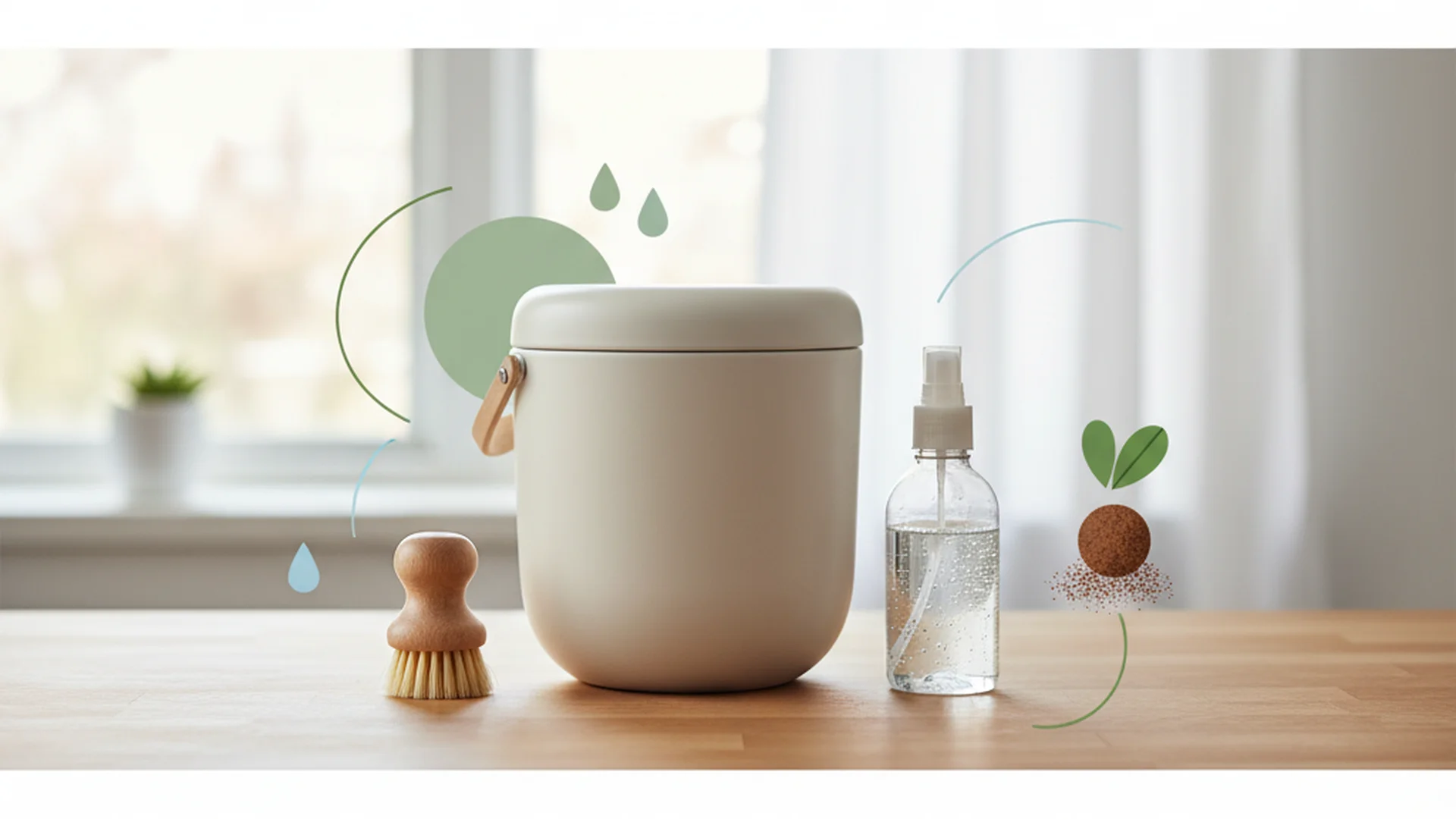
Spray a solution of 50% distilled white vinegar and 50% water directly onto the baking soda paste. The resulting fizzing reaction helps lift grime out of microscopic scratches in the bin’s surface. This 50/50 rule is considered the gold standard for natural disinfection in 2025.
Step 4: Scrub and Rinse
Use a soft sponge or a dedicated "bottle brush" to scrub the corners. Rinse thoroughly with hot water and dry the bin completely before adding a new liner.
Tip: After cleaning, rub a fresh lemon peel on the inside of the bin. The citric acid provides a secondary antimicrobial layer and leaves a natural, fresh scent that discourages fruit flies.
Material Matters: Stainless Steel vs. Plastic vs. Ceramic
The best way clean compost bin surfaces depends heavily on what the bin is made of. Not all materials handle heat or friction the same way.
| Material | Dishwasher Safe? | Best Cleaning Agent | Warning |
|---|---|---|---|
| Stainless Steel | Yes | Vinegar & Water | Avoid bleach; it can pit the metal. |
| HDPE Plastic | Yes (Top Rack) | Baking Soda Paste | No steel wool; it creates bacteria-harboring scratches. |
| Ceramic | No | Warm Soapy Water | Fragile; thermal shock from boiling water can crack it. |
| Bamboo Fiber | No | Mild Dish Soap | Do not soak; bamboo can swell and warp. |
Warning: Never use abrasive steel wool or harsh scouring pads on plastic bins. These create micro-scratches where bacteria and mold spores can hide, making it nearly impossible to get the bin truly clean in the future.
Pest Prevention: Fruit Flies and Maggots
One of the most common reasons people search for how to clean compost bin solutions is a sudden infestation of fruit flies. These pests are attracted to the fermentation of sugars.
Seal Maintenance
The number one way to prevent odors and pests is to maintain the seal of your bin. Experts recommend wiping the rubber gasket or lid seal with a damp cloth every single time you empty the bin. Debris trapped in the seal prevents an airtight fit, allowing smells to escape and flies to enter.
The "Rim" Strategy
Fruit flies often lay their eggs on the underside of the lid or around the rim. During your weekly clean, pay extra attention to these crevices. A quick wipe with a vinegar-saturated cloth can kill larvae before they hatch.
Note: If you are struggling with a persistent fruit fly problem, check your charcoal filter. A damp, old filter is the perfect nesting ground for pests.
Modern Trends: 2025–2026 Innovation in Composting
The world of kitchen waste management has evolved. If you are looking for a more "hands-off" approach, several new technologies have emerged this year.
UV-C Sterilization Bins
A major trend in 2025 is the rise of smart kitchen bins equipped with UV-C LED lights built into the lid. These lights automatically cycle to kill 99.9% of bacteria and mold spores on the surface of your food scraps. While you still need to wash the bin occasionally, the UV-C prevents the "slime" and mold growth that usually leads to deep-cleaning sessions.
Probiotic Cleaning Sprays
Instead of traditional soaps, many eco-conscious homeowners are turning to Bokashi-style probiotic sprays. These introduce "effective microorganisms" (EM) that suppress the bacteria responsible for rot. By spraying the interior of your bin after a clean, you create a microbial environment that favors fermentation over putrefaction.
Silicone "Easy-Flip" Liners
New for 2026, reusable silicone liners have become a favorite for those wanting to eliminate single-use bags. These liners are dishwasher safe and can be turned inside out, ensuring that no food residue is left in the corners of the primary bin.
Success: Transitioning to a freezer-based compost strategy (keeping a small bin in the freezer) can entirely eliminate the need for pest control and intensive scrubbing.
Common Mistakes to Avoid
Even with the best intentions, a few common errors can make your composting journey more difficult:
- Neglecting the Charcoal Filter: Many assume these filters last forever. In reality, they become saturated and actually trap moisture, becoming a mold hazard after 3-6 months.
- Trusting "Compostable" Bags Too Much: Even BPI-certified bags can leak or "sweat" liquids. You must still sanitize the bin base to prevent lingering odors.
- Adding "Wet" Items First: Always start a fresh bin with a "brown" layer—like a piece of crumpled newspaper or a paper towel—at the bottom to absorb liquids.
- Using Bleach: Bleach is generally discouraged for compost bins. Residual bleach can kill the beneficial bacteria needed for the composting process once the scraps reach the outdoor pile.
Frequently Asked Questions
How often should I deep clean my bin?
Is it safe to use bleach in my compost bin?
Can I put my compost bin in the dishwasher?
How do I get rid of fruit flies permanently?
What is the best liner to use?
Conclusion
Mastering how to clean compost bin setups doesn't have to be a chore. By implementing the 50/50 vinegar rule, staying on top of filter replacements, and utilizing modern tools like probiotic sprays, you can enjoy the benefits of composting without the unwanted scents or pests. A clean bin is the foundation of a sustainable, eco-friendly kitchen that smells as fresh as it looks.
Success: By following this routine, you’re not just cleaning a container; you’re supporting a healthier home environment and a more sustainable planet.
Cleaning that keeps score
Every task earns points, every streak multiplies them, and Premium adds a household leaderboard plus a monthly Dustagorgon to beat.
- Free forever
- 30 badges to earn
- Up to 6 in a household
No card needed. Set up your rooms in a couple of minutes.