In this article
What you’ll learn
- Always wipe your sink dry after use to prevent mineral buildup and mold.
- Use material-specific cleaners: Bar Keeper’s Friend for fireclay and wax for copper.
- Implement the 2026 'Steam Reset' for a chemical-free deep clean.
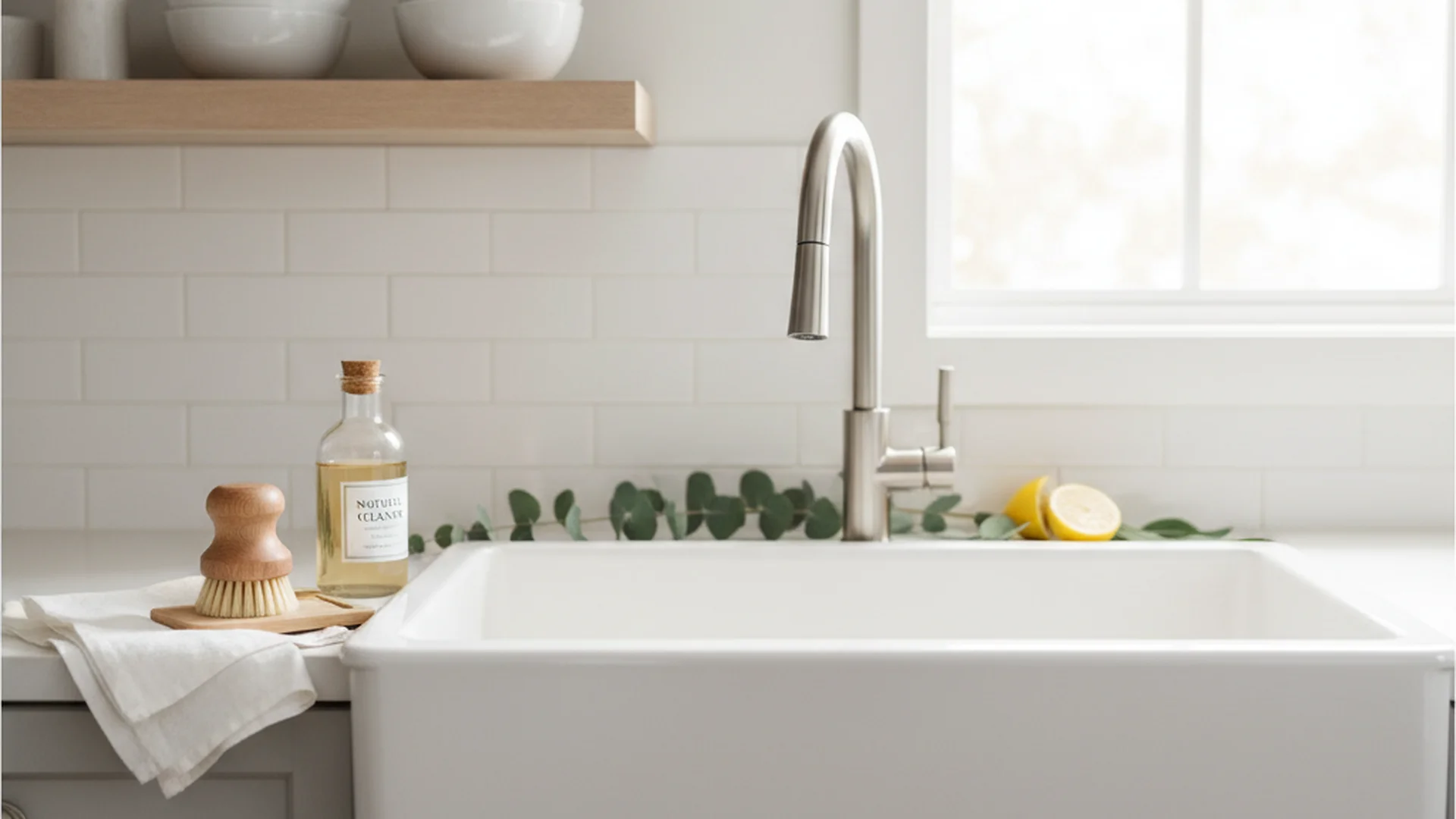
The farmhouse sink, or apron-front sink, has officially cemented its status as the sculptural centerpiece of the modern kitchen. Entering 2025 and 2026, it remains one of the top three most requested styles for home renovations. However, because these sinks are often made from specialized materials like fireclay, porcelain, or copper, knowing how to clean farmhouse sink surfaces correctly is essential to protecting your investment.
A farmhouse sink is more than just a basin; it is a high-traffic workstation that handles everything from heavy cast-iron skillets to delicate glassware. Because the kitchen is cleaned an average of 20 times per month, your sink bears the brunt of daily wear and tear. Without a dedicated maintenance routine, even the most expensive fireclay can succumb to "metal marks" and copper can lose its signature luster.
The Golden Rule: The Power of the Dry-Wipe
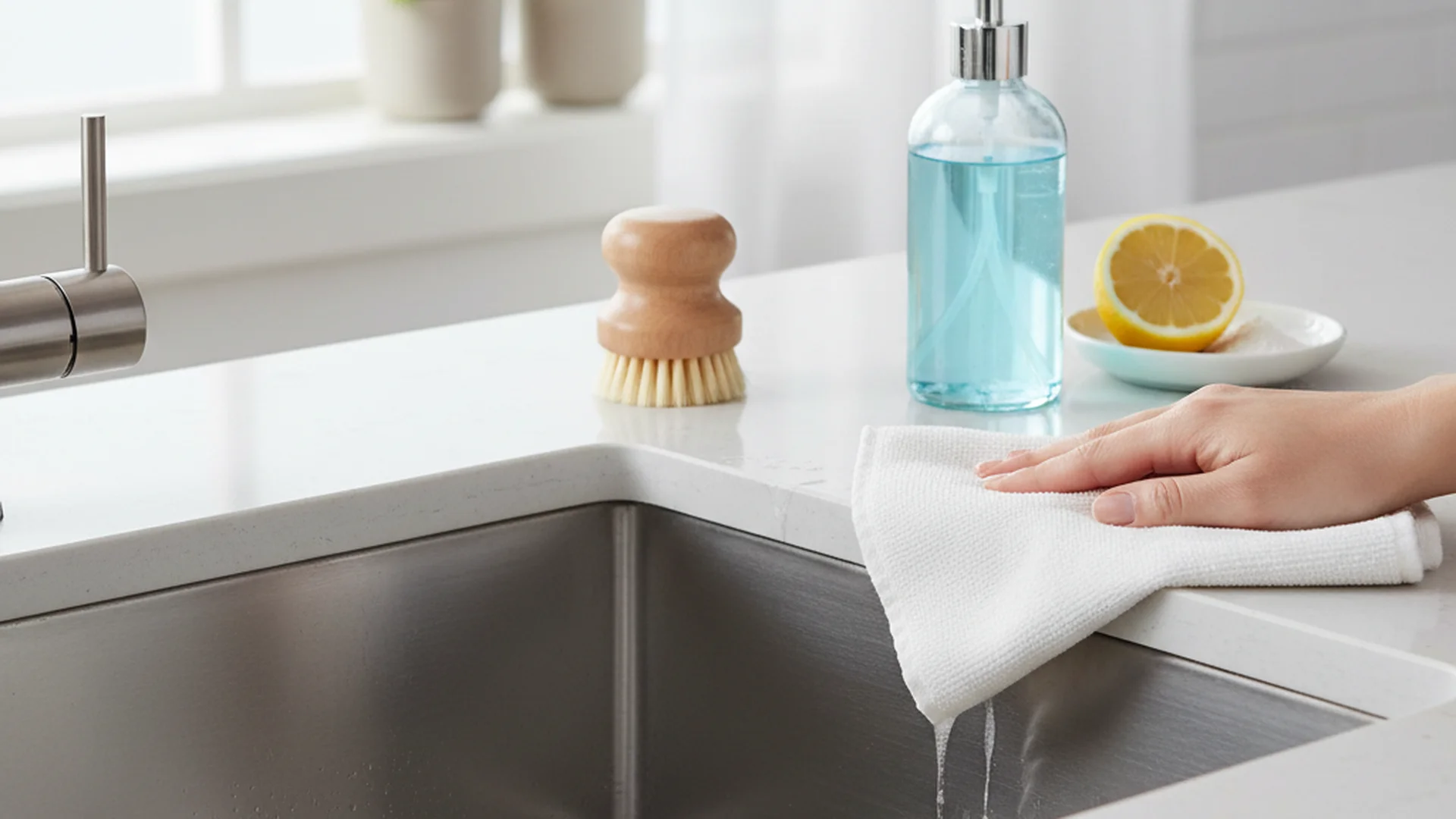
The most significant mistake homeowners make isn't using the wrong soap—it’s leaving the sink wet. In the professional cleaning world of 2026, the "dry-wipe" has become the gold standard for sink longevity. When water sits on the surface of your sink, it evaporates and leaves behind calcium and magnesium deposits (hard water spots). Over time, these minerals create a cloudy film that is difficult to remove without harsh chemicals.
To maintain that showroom shine, keep a dedicated microfiber cloth nearby. After every use, rinse the basin to remove food particles and immediately wipe the surface dry. This simple 30-second habit prevents 90% of common sink issues, including the "graying" often seen in older fireclay models.
Tip: Use a pH-neutral dish soap, such as Dawn, for 90% of your daily cleaning. It is gentle enough for all materials and effectively cuts through grease without damaging protective glazes.
Material-Specific Cleaning Guide
Not all farmhouse sinks are created equal. The best way clean farmhouse sink fixtures depends entirely on what they are made of.
Fireclay and Porcelain
Fireclay is a darling of the 2025 kitchen scene because it is fired at staggering temperatures between 1,600°F and 2,200°F. This makes it incredibly dense and non-porous. However, it is prone to "metal marks"—those gray scuff marks left behind by silver-toned pots and pans.
- Routine: Warm water and mild soap.
- Deep Clean: Use a mild abrasive like Bar Keeper’s Friend for scuff marks.
- Protection: Always use a sink grid to prevent heavy impacts.
Stainless Steel
Stainless steel farmhouse sinks are prized for their industrial-chic look. To keep them looking modern, you must clean in the direction of the "grain" (the faint lines in the metal).
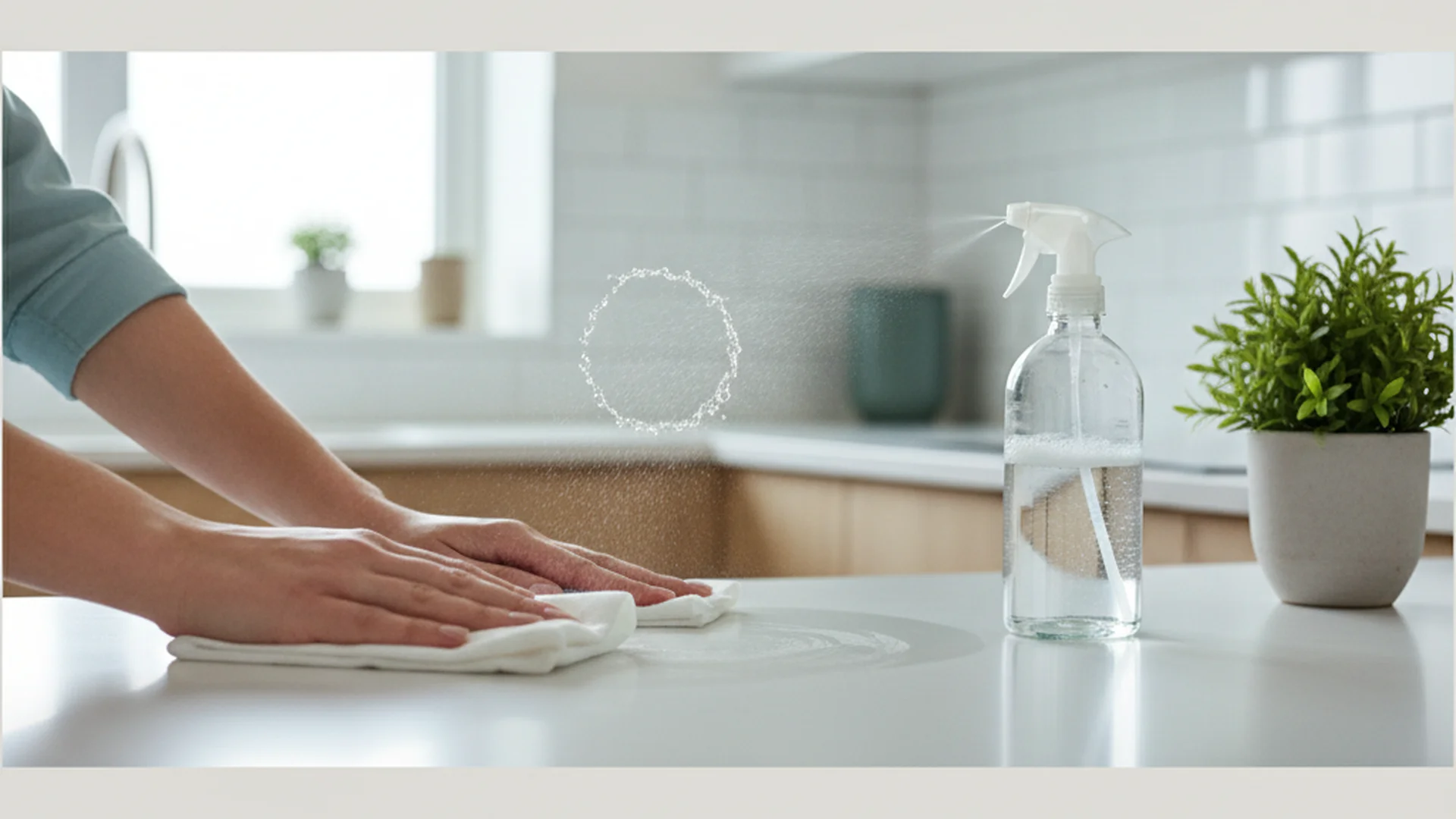
- Routine: 50/50 water and white vinegar spray to combat hard water.
- The 2025 Hack: Apply a tiny drop of olive oil to a dry stainless steel sink and buff it in. This creates a water-repellent barrier and a high-gloss finish.
Copper (The Living Finish)
Copper is a "living" material, meaning its patina changes over time. This is its natural defense mechanism against bacteria.
- Routine: Mild soap and water ONLY.
- Warning: Never use vinegar, lemon, or harsh acids on copper unless you want to strip the patina and create "bright spots."
- Maintenance: Apply a dedicated sink wax monthly to maintain the finish and encourage even aging.
| Material | Best Cleaning Agent | Avoid At All Costs | Key Benefit |
|---|---|---|---|
| Fireclay | Bar Keeper's Friend | Steel Wool | Stain-Resistant |
| Stainless | Vinegar/Water Spray | Bleach | Durability |
| Copper | Mild Dish Soap | Acidic Cleaners | Antimicrobial |
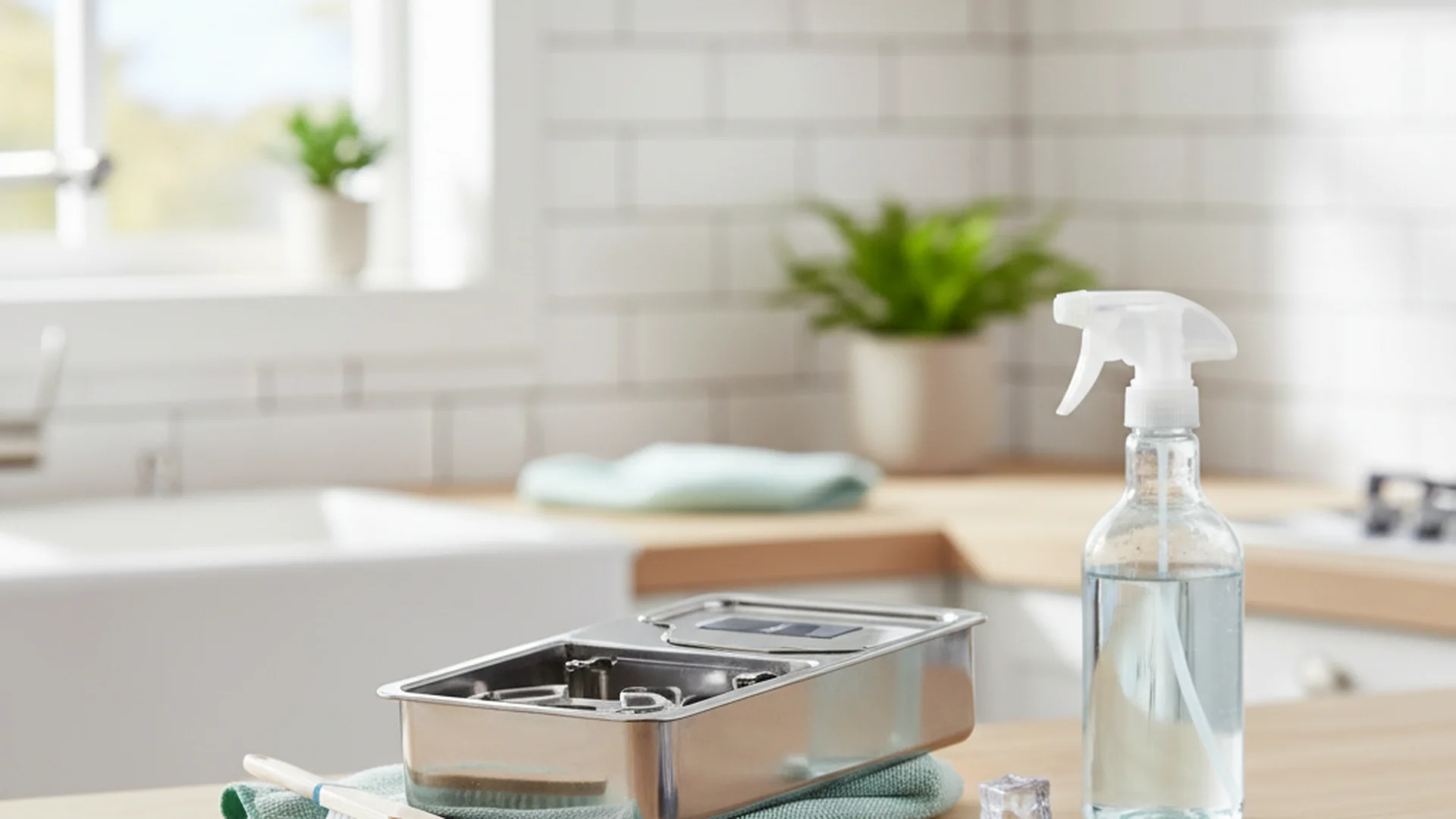
The 2026 Deep Clean: The "Steam Reset"
The steam reaches into the tight corners of the apron front and the crevices around the drain flange—areas where old-fashioned sponges simply can't reach. The high-heat steam loosens "corner gunk" and sanitizes the surface without a single drop of bleach.
Success: Using a steam cleaner once a month prevents the buildup of "biofilm" around the drain, keeping your kitchen smelling fresh and looking brand new.
Modern Workstation Maintenance
Modern farmhouse sinks are no longer just basins; they are integrated workstations. Many 2026 models feature built-in ledges for cutting boards, colanders, and drying racks.
- Sanitize the Grids: Stainless steel sink grids are magnets for food particles. Run them through the dishwasher weekly.
- Oil the Accessories: If your sink came with a wooden cutting board, treat it with food-grade mineral oil monthly to prevent cracking.
- The Drain Flange: Don't forget to scrub the underside of the rubber splash guard in your disposal. This is a primary source of kitchen odors.
Note: Many 2026 ceramic models now feature self-cleaning, silver-infused glazes that actively inhibit bacterial growth. If you have one of these, avoid heavy abrasives that might wear down this antimicrobial layer.
Common Mistakes to Avoid
Even with the best intentions, it’s easy to damage a high-end sink. Here are the top four mistakes professional cleaners see:
- Leaving Wet Sponges in the Sink: This is the #1 cause of "rust spots" in stainless steel and "graying" in fireclay. Always store sponges in a ventilated sink caddy.
- Using Steel Wool: Never use steel wool or abrasive scouring pads. Even on stainless steel, these create microscopic scratches that harbor bacteria and dull the finish.
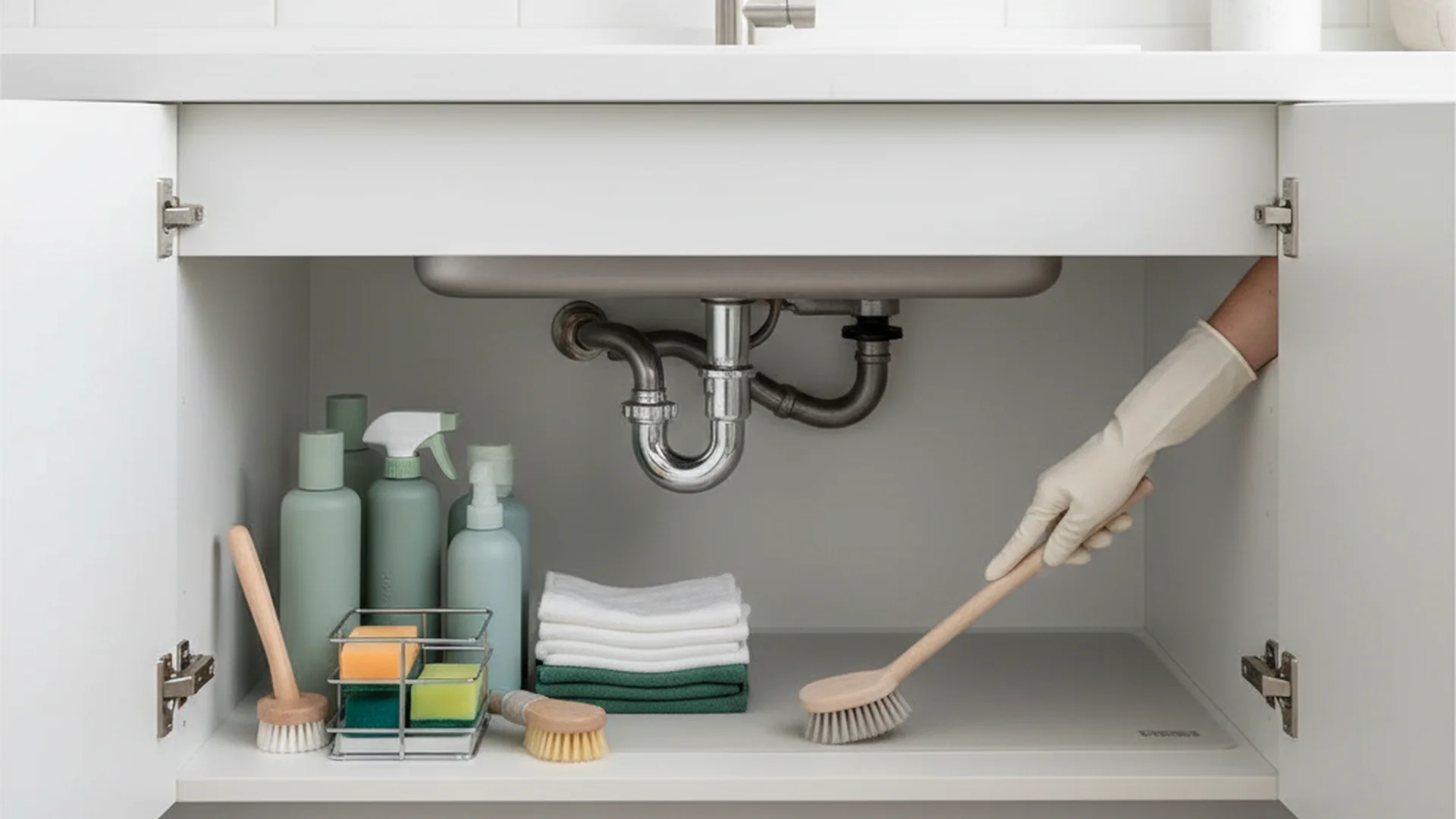
- Ignoring the Underside: For apron-front sinks, moisture often collects on the underside of the protruding apron. If not wiped, this can lead to mold growth on your cabinet face.
- Mixing Chemicals: Never mix bleach with vinegar or ammonia. As the 2026 trend shifts toward tablet-based cleaners (like Blueland), ensure you aren't combining different formulas in the basin.
Warning: Never leave cast iron cookware sitting in a wet fireclay or porcelain sink. The iron can oxidize quickly, leaving a stubborn rust stain that is difficult to remove without damaging the glaze.
Frequently Asked Questions
How do I remove grey scuff marks from my white farmhouse sink?
Is bleach safe for my farmhouse sink?
How do I prevent water spots on stainless steel?
Will a farmhouse sink ruin my cabinets?
Conclusion
A farmhouse sink is the heart of the home, but its beauty is only as lasting as the care it receives. By moving away from harsh chemicals and adopting the 2026 standards of steam cleaning, dry-wiping, and material-specific maintenance, you can ensure your kitchen remains a stunning and hygienic space. Whether you are buffing a stainless steel basin with olive oil or protecting a copper patina, consistency is key.
Success: Regular maintenance not only keeps your sink looking beautiful but also extends the life of your entire kitchen countertop and cabinetry system.
Cleaning that keeps score
Every task earns points, every streak multiplies them, and Premium adds a household leaderboard plus a monthly Dustagorgon to beat.
- Free forever
- 30 badges to earn
- Up to 6 in a household
No card needed. Set up your rooms in a couple of minutes.