In this article
What you’ll learn
- Ice is legally classified as food by the FDA and requires rigorous sanitation.
- 80% of machine failures are caused by mineral scale, not mechanical issues.
- Deep cleaning and sanitizing should occur every 3 to 6 months.
If you have ever looked into an ice storage bin and seen a faint pink or black slime along the walls, you are looking at a serious health hazard. Many homeowners and restaurant managers overlook a critical fact: the FDA officially classifies ice as "food." This means the standards for knowing how to clean ice machine components are just as high as those for cleaning a cutting board or a grill.
Neglecting your ice machine doesn't just result in "funny-tasting" cubes; it creates a breeding ground for dangerous pathogens. From mineral buildup that hikes up your energy bills to the growth of biofilm that can cause foodborne illnesses, keeping your unit pristine is an essential skill for any kitchen operator. In this guide, we will break down the professional process for maintaining your ice maker to ensure it runs efficiently and safely for years to come.
Why Ice Machine Hygiene is Non-Negotiable
It is a common misconception that the freezing temperatures inside an ice machine kill bacteria. In reality, many pathogens, such as Listeria, can survive and even thrive in the damp, 34°F environment of a storage bin. Drain pans, which stay wet and are rarely inspected, are a particularly reliable place to find harmful bacteria.
Beyond the health risks, there is a significant economic incentive to keep things clean. Roughly 80% of all ice machine malfunctions are caused by poor water quality and mineral scale buildup rather than mechanical failure. When lime and scale coat the evaporator plates, the machine has to work harder to harvest the ice, which can increase your energy costs by up to 15%.
Note: A dirty machine is an expensive machine. Mineral scale acts as an insulator, forcing the compressor to run longer cycles, which shortens the lifespan of the equipment.
The Professional 4-Step Cleaning Process
To achieve the best results, you must follow a specific order of operations. You cannot sanitize a machine that is covered in mineral scale, as the bacteria will simply hide underneath the deposits.
Step 1: Preparation and Water Removal
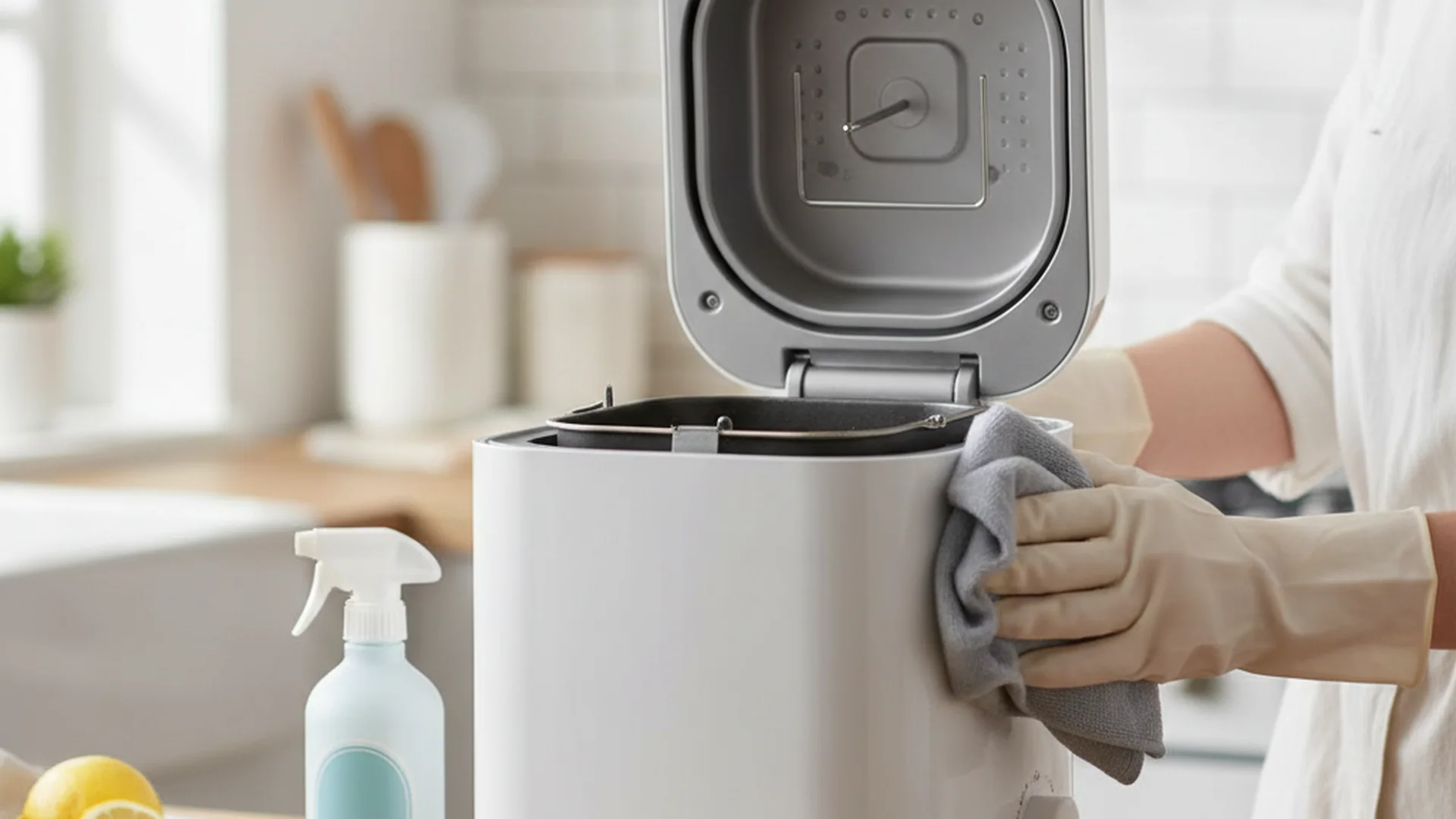
Before you begin, turn off the ice-making cycle and allow any remaining ice to drop. Remove all ice from the storage bin and discard it. You should never try to "clean around" the ice, as chemicals will inevitably contaminate the cubes.
Warning: Never use a screwdriver, ice pick, or any sharp object to clear "frozen-up" ice from the evaporator plates. This can puncture the refrigerant lines, permanently destroying the machine. Use warm water to melt stubborn ice instead.
Step 2: Descaling (The "Cleaning" Phase)
This step focuses on removing the "scale"—the hard mineral deposits left behind by water.
- Dilute your professional ice machine cleaner (descaler) according to the manufacturer’s instructions.
- Pour the solution into the water trough or follow the specific "Clean" cycle instructions for your model.
- Allow the solution to circulate for at least 20–30 minutes.
Tip: If you are cleaning a commercial machine with nickel-plated evaporators, you must use a "nickel-safe" commercial cleaner. Using standard acid cleaners will strip the plating and ruin the machine.
Step 3: Sanitizing (The "Killing" Phase)
Once the scale is gone, it is time to kill the microbes. Use an NSF-approved sanitizer. This step is critical for removing biofilm—the slippery slime often found in the "drop zone" and water lines.
- Mix the sanitizer with water.
- Apply it to all internal surfaces, including the bin walls, the underside of the lid, and the ice thickness probe.
- Do not rinse the sanitizer off unless the manufacturer's instructions specifically require it; many are designed to air-dry to provide lasting protection.
Step 4: Component Maintenance
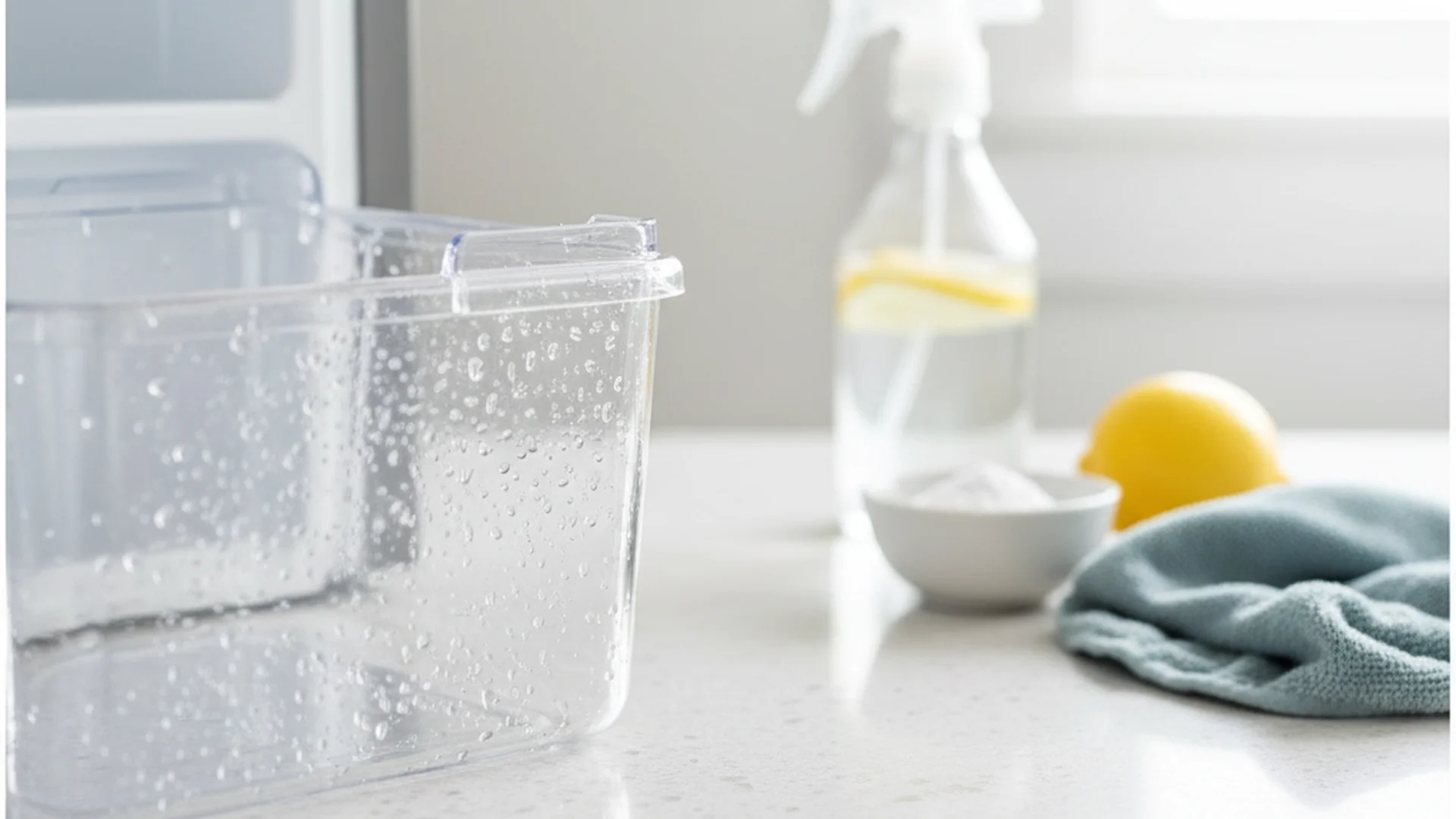
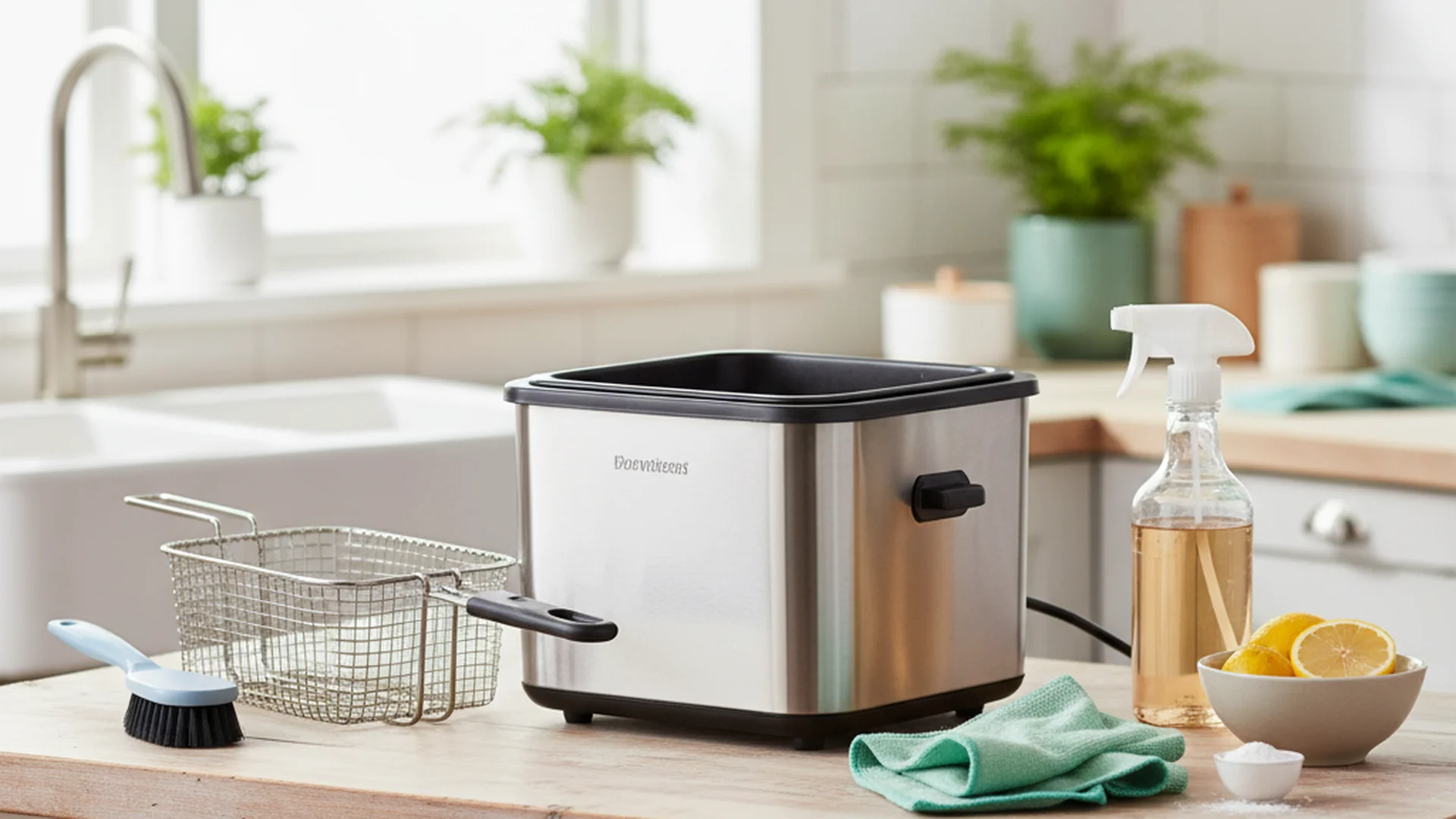
While the internal cycle is running, take the time to clean the removable parts. This includes the water curtain, the ice slides, and the gaskets. Use a soft brush to reach into the crevices of the water distribution tube.
| Component | Cleaning Method | Frequency |
|---|---|---|
| Air Filter | Vacuum or rinse with water | Monthly |
| Ice Bin Walls | Sanitize with food-safe solution | Weekly |
| Water Filter | Replace cartridge | Every 6 months |
| Condenser Coils | Vacuum dust and debris | Monthly |
Real-World Examples of Maintenance Scenarios
To understand the best way clean ice machine units, it helps to look at how environment dictates frequency.
- The Bakery & Brewery Example: Establishments that work with yeast—like bakeries, pizzerias, and breweries—often find a "pink slime" (Serratia marcescens) forming in their ice machines much faster. In these high-yeast environments, the machine may need a deep clean every 2 to 3 months rather than the standard 6.
- The Hard Water Case: A restaurant in a region with high mineral content in the tap water noticed their ice cubes were becoming thin and "shready." Upon inspection, the evaporator plates were coated in white calcium. After a thorough descaling, the machine's harvest time dropped by 4 minutes, saving the owner nearly $40 a month in electricity.
- The Clogged Condenser: A homeowner complained their under-counter ice maker was making a loud humming noise. The professional cleaning consultant found the air filter was clogged with pet hair. Once vacuumed, the machine's internal temperature stabilized, preventing a costly compressor replacement.
Common Mistakes to Avoid
Even with the best intentions, many people make errors that can damage their equipment or compromise safety.
- Using Bleach for Everything: While bleach is a powerful disinfectant, pure bleach is too corrosive for many internal ice machine parts and can damage sensitive sensors. Always use a dedicated ice machine sanitizer.
- Ignoring the "Drop Zone": The most common area for mold growth is the "drop zone"—the flap or curtain where ice falls into the bin. Because it is often splashed with water but not submerged, it stays damp and grows mold quickly. This should be wiped down weekly.
- The "Cold Kills" Myth: As mentioned, cold does not kill bacteria. In fact, many pathogens enter a dormant state in the ice and "wake up" the moment the ice melts in a customer's drink.
- Poor Placement: Placing an ice machine next to a deep fryer or oven is a recipe for disaster. Grease in the air clogs the filters almost instantly, leading to overheating and premature failure.
Success: Regularly replacing your water filter every 6 months will prevent 90% of the mineral scale issues that plague most machines.
Recent Trends in Ice Machine Technology (2025-2026)
The industry is moving toward "set it and forget it" hygiene. If you are in the market for a new unit, look for these emerging technologies:
- UV-C Integrated Disinfection: Many 2025 models now feature built-in UV-C light modules. These lights continuously treat the "cold zone," using ultraviolet rays to kill mold and bacteria between deep cleanings.
- IoT & Predictive Maintenance: High-end machines from brands like Manitowoc or Scotsman now use IoT sensors to monitor scale buildup. They can send a mobile alert to your phone when it is time to clean, before the ice quality begins to drop.
- Ozone Pulse Cycles: New 2026 technology includes "pulse" cleaning, which uses ozone-treated water to sanitize the internal lines automatically every 24 hours, reducing the need for harsh chemicals.
Frequently Asked Questions
How often should I clean my ice machine?
Why does my ice taste or smell like "old" refrigerator?
Can I use vinegar to clean my ice machine?
What is the difference between "cleaning" and "sanitizing"?
Conclusion
Mastering the process of how to clean ice machine units is an investment in both your health and your wallet. By following a consistent schedule of descaling and sanitizing, you ensure that your "food" remains safe for consumption and your equipment remains efficient. Remember the "clean-first" rule: remove the scale so the sanitizer can do its job. With proper care, your ice machine will provide crystal-clear, taste-free ice for years to come.
Success: Following this professional protocol will keep your kitchen hygienic, your energy bills low, and your ice tasting fresh.
Cleaning that keeps score
Every task earns points, every streak multiplies them, and Premium adds a household leaderboard plus a monthly Dustagorgon to beat.
- Free forever
- 30 badges to earn
- Up to 6 in a household
No card needed. Set up your rooms in a couple of minutes.