In this article
What you’ll learn
- Carbonized drip pans reduce cooking efficiency by up to 15%.
- The ammonia vapor method is the most effective way to remove heavy grease without scrubbing.
- Never use aluminum foil to line drip pans as it creates a significant fire hazard.
Learning how to clean drip pans is a task that most homeowners dread, often pushing it to the bottom of the "to-do" list until the kitchen starts to smell like burnt popcorn every time the stove is turned on. However, those crusty, blackened bowls beneath your electric heating elements are more than just an eyesore; they are critical components of your stove’s functionality. When neglected, they don't just look bad—they actually cost you money and compromise your family’s safety.
In this guide, we will explore the best way clean drip pans using both traditional methods and the latest 2025-2026 cleaning trends. Whether you are dealing with a year of baked-on grease or just looking for a sustainable weekly maintenance routine, these expert-backed strategies will restore your stove to its former glory.
Why Cleaning Your Drip Pans is Essential
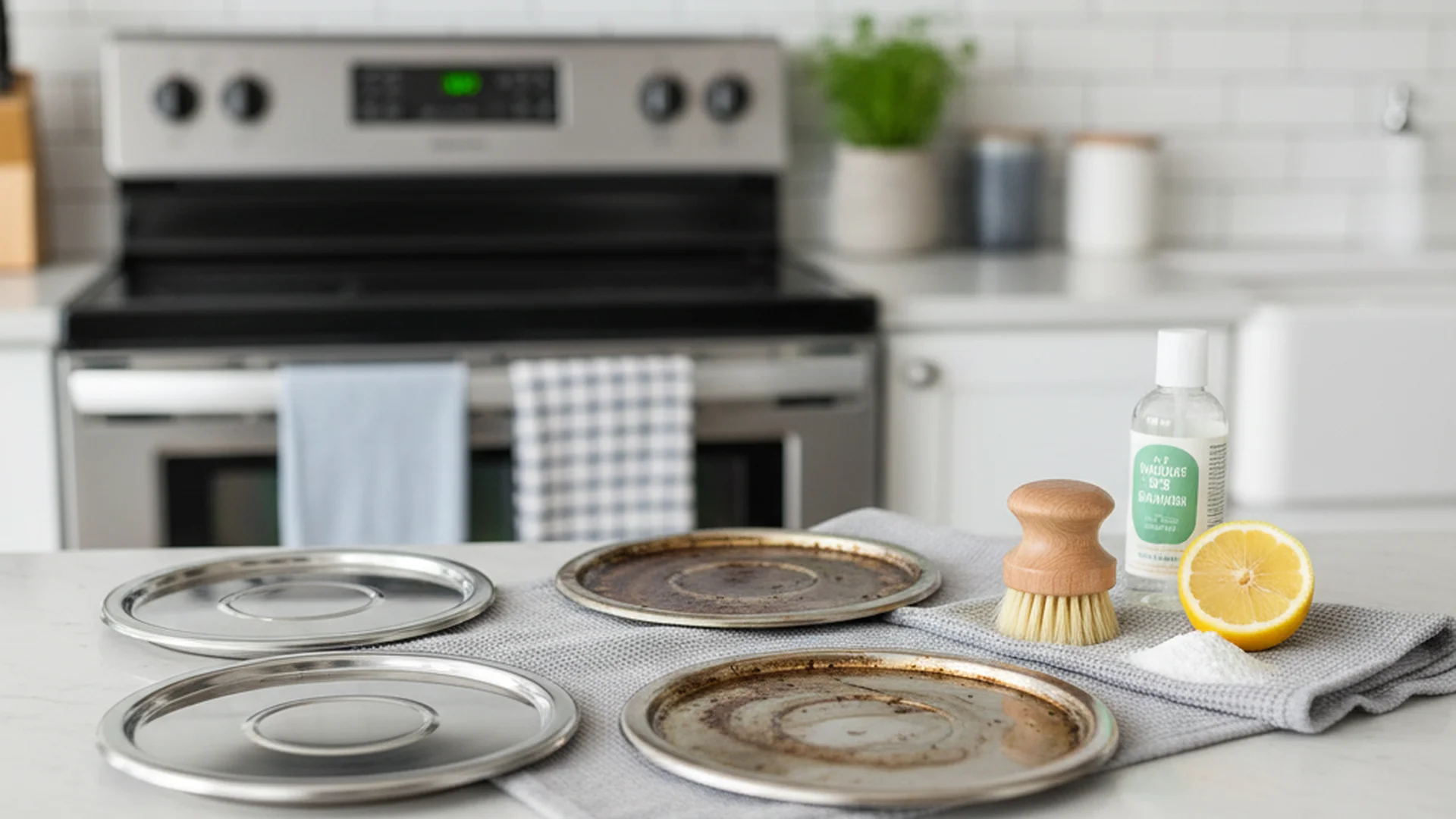
Before we dive into the "how," it is important to understand the "why." Your electric stove’s drip pans are not just there to catch spills. If they are made of chrome, they are specifically designed to reflect heat back up toward your pots and pans.
Efficiency and Your Energy Bill
According to appliance specialists, grimy, blackened drip pans absorb heat rather than reflecting it. This leads to a 10–15% decrease in heating efficiency. In a world where energy costs continue to rise, keeping these surfaces reflective ensures that your water boils faster and your food cooks more evenly.
Fire Safety and Prevention
Grease buildup in drip pans is a leading cause of small kitchen fires. The National Fire Protection Association (NFPA) notes that "cooking" remains the leading cause of home fires. When old grease and food particles accumulate in the tray, they can ignite at high temperatures, creating a dangerous flare-up that is difficult to extinguish.
Success: Keeping your drip pans clean can extend the life of your heating elements by preventing heat from being trapped against the stove’s internal wiring.
Method 1: The "Holy Grail" Ammonia Vapor Trick
If you are looking for the absolute best way clean drip pans with the least amount of physical labor, this is it. This method relies on chemical fumes to break the molecular bond between the burnt-on carbon and the metal.
The Steps
- Preparation: Remove your drip pans from the stove once they are completely cool.
- Bagging: Place each drip pan in a separate gallon-sized Ziploc bag.
- The Secret Sauce: Add 2–3 tablespoons of household ammonia to each bag.
- Seal and Wait: Seal the bags tightly. You do not need to submerge the pans; the fumes do the hard work of liquefying the grease.
- Dwell Time: Let the bags sit outside or in a well-ventilated garage for 12–24 hours.
- The Reveal: Open the bags (holding them away from your face to avoid the fumes) and rinse the pans under warm water. The carbonized gunk should slide right off with a light wipe.
Warning: Never mix ammonia with bleach, as this creates toxic chloramine gas. Always perform this method in a well-ventilated area or outdoors.
Method 2: The Eco-Friendly "Baking Soda Paste"
For those who prefer a non-toxic, food-grade approach, the baking soda and vinegar combination remains a powerhouse for kitchen cleaning in 2025.
The Steps
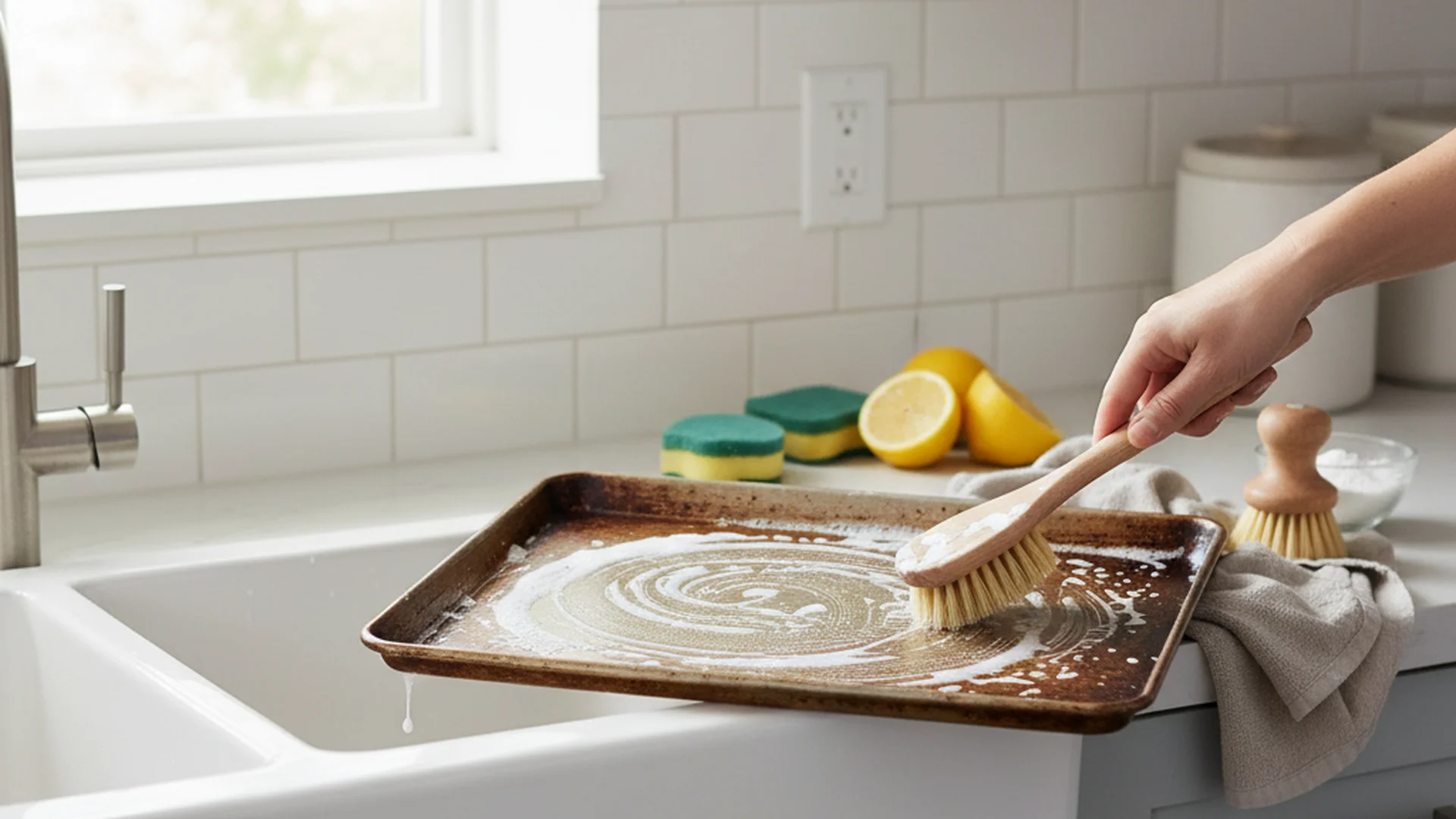
- Create the Paste: Mix baking soda and blue Dawn dish soap into a thick, frosting-like paste.
- Apply: Slather a thick layer onto the drip pans, focusing on the heavily charred areas.
- Wait: Let the mixture sit for at least one hour.
- Activate: Spray the pans with white vinegar. The resulting foaming action helps lift the remaining debris from the surface.
- Scrub: Use a non-abrasive nylon pad to work the paste into the stubborn spots before rinsing.
Tip: If you have sugar-based spills (like boiled-over jam), try boiling the pans in a large pot of water with one cup of vinegar for 15 minutes before applying the paste. This liquefies the hardened sugars.
2025-2026 Trends in Stove Maintenance
As we move into 2026, home maintenance is becoming more tech-driven and eco-conscious. Here are three trending ways professionals are cleaning stove components today:
Enzyme-Based Cleaners
There has been a massive shift away from harsh chemicals toward biological enzyme cleaners. These products use "grease-eating" bacteria to break down organic matter. They are safer for the environment and don't produce the toxic fumes associated with traditional oven cleaners.
Handheld Steam Cleaning
High-pressure handheld steam cleaners, such as the Bissell SteamShot, have become a viral sensation for a reason. They use pressurized steam to blast grease out of the tight crevices and rings of the drip pans in seconds, requiring zero chemicals and very little scrubbing.
The "Sonic Soak"
Ultrasonic cleaning tanks, once reserved for jewelry and medical equipment, are becoming popular home appliances in 2026. Homeowners are now using large-scale ultrasonic cleaners to vibrate grease off drip pans using nothing but water and a drop of soap, making it the most sustainable deep-clean method available.
Identifying Your Materials
Not all drip pans are created equal, and using the wrong method can ruin your stove's aesthetic.
| Material | Characteristics | Cleaning Advice |
|---|---|---|
| Chrome-Plated Steel | Shiny, mirror-like finish. | Highly reflective but prone to scratching. Avoid steel wool. |
| Porcelain-Coated Steel | Black or dark grey, matte. | Very durable. Usually dishwasher-safe. Can handle more aggressive scrubbing. |
| Ceramic-Coated (2026 Models) | Non-stick, colored or white. | Inherently non-stick. Use only soft sponges and mild soap. |
Common Mistakes to Avoid
Even the most well-intentioned cleaning session can go wrong if you fall for common "hacks" that actually damage your appliances.
1. Using Aluminum Foil
Many people line their drip pans with foil to "save time." This is a major hazard. Manufacturers like KitchenAid and GE warn that foil can cause electrical shorts if it touches the heating element. Furthermore, it traps heat that can damage the stove's internal wiring and cause uneven cooking.
2. Steel Wool on Chrome
While it’s tempting to grab a Brillo pad, steel wool creates micro-scratches on chrome surfaces. These scratches actually make it easier for grease to stick in the future, leading to faster carbonization.
3. The "Self-Clean" Cycle
Never put your drip pans in the oven during a self-clean cycle. The 800°F+ temperatures can warp the metal and permanently discolor chrome, turning it an iridescent blue or a dull, lifeless grey.
Note: Some viral hacks suggest using acetone (nail polish remover) for burnt-on grease. This is highly flammable and can leave toxic residues that release dangerous fumes the next time you cook. Avoid this at all costs.
Frequently Asked Questions
Can I put my drip pans in the dishwasher?
How often should I clean my drip pans?
When are they "too far gone" to clean?
Are drip pans universal in size?
Conclusion
Mastering how to clean drip pans is an essential skill for any home cook. By maintaining these small but mighty components, you ensure your kitchen remains a safe, efficient, and clean environment. Whether you choose the powerful ammonia vapor method or the modern ease of a steam cleaner, the effort pays off in lower energy bills and a more beautiful kitchen.
Success: A clean drip pan reflects 90% of heat back to your cookware, compared to less than 50% for a blackened, carbonized pan.
Cleaning that keeps score
Every task earns points, every streak multiplies them, and Premium adds a household leaderboard plus a monthly Dustagorgon to beat.
- Free forever
- 30 badges to earn
- Up to 6 in a household
No card needed. Set up your rooms in a couple of minutes.