In this article
What you’ll learn
- Deep clean every 3-6 months to extend appliance lifespan by up to 5 years.
- Never use the self-cleaning cycle on both ovens simultaneously.
- Use natural baking soda and vinegar methods for a fume-free, effective clean.
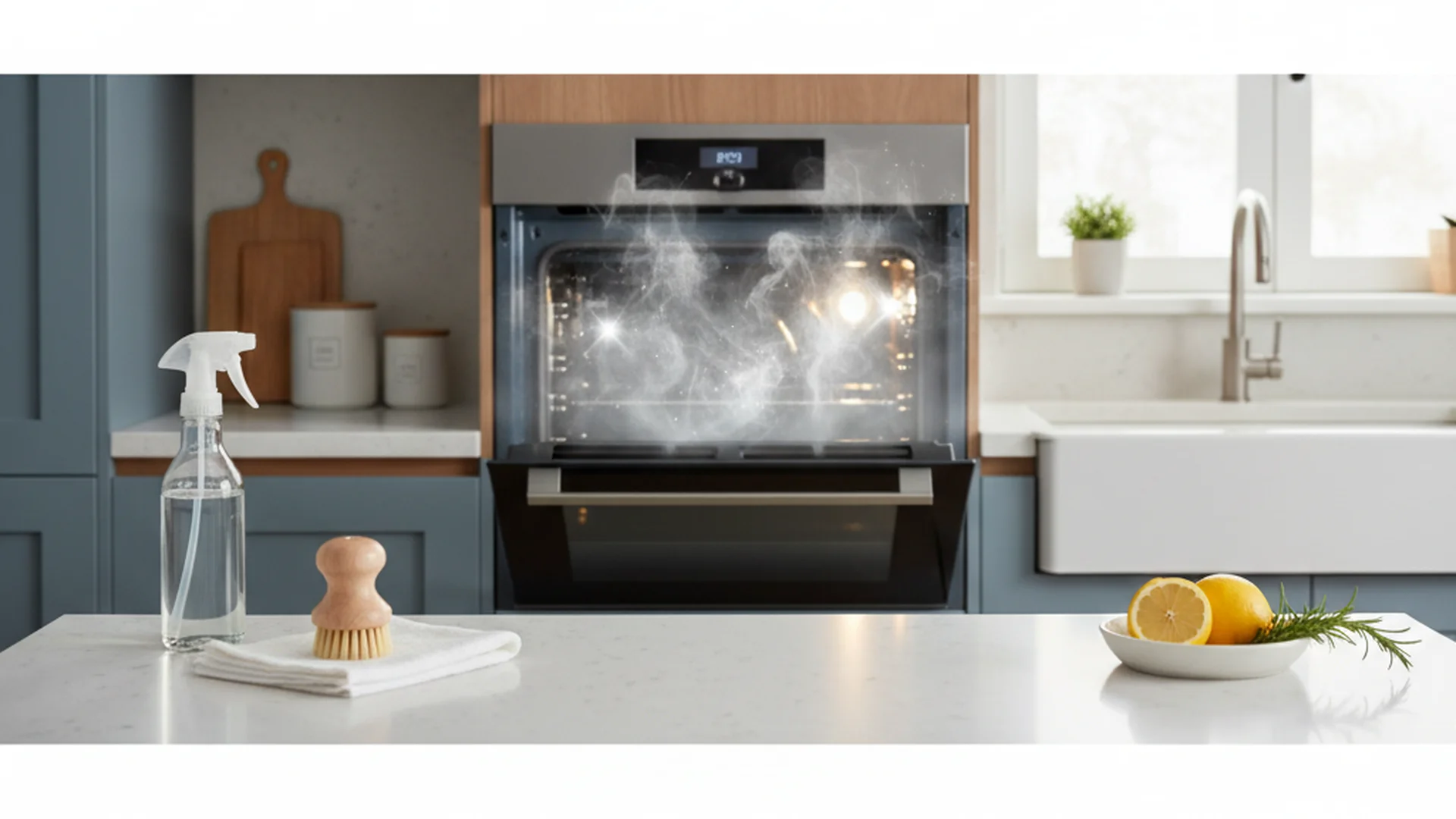
Owning a double oven is a dream for anyone who loves hosting Sunday roasts or holiday dinners, but the maintenance can feel like double the trouble. Knowing how to clean double oven units properly is essential not just for aesthetics, but for the performance and longevity of your appliance. Whether you are dealing with a stack of greasy residues from last night's chicken or stubborn carbonized spills in the bottom cavity, finding the best way clean double oven components will save you hours of scrubbing and ensure your kitchen stays energy-efficient and safe.
Why Regular Double Oven Maintenance Matters
Nearly every household has an oven, and it remains the heart of the modern kitchen. It is also one of the most widely neglected appliances in the house—plenty of people put the job off indefinitely, and a fair few have never cleaned theirs at all. This neglect comes at a cost.
When grease and grime build up in a double oven, the heating elements have to work significantly harder to reach the target temperature. By keeping your unit clean, you can extend its lifespan from an average of 8–10 years to a much more impressive 12–15 years. Furthermore, a clean oven distributes heat more evenly, meaning your delicate soufflés and heavy roasts cook exactly as intended without the risk of "hot spots" caused by burnt-on debris.
Preparing Your Double Oven for a Deep Clean
Before you apply any cleaning agents, you need to prepare the workspace. Double ovens have more surface area and more components than standard units, so organization is key.
Step 1: Vacuum the Crumbs
It sounds simple, but it is a step most people skip. Use a handheld vacuum or a crevice tool to remove dry crumbs, charred bits, and loose debris from both the upper and lower cavities.
Tip: Vacuuming first prevents you from creating a "muddy" mess once you apply liquid cleaners or baking soda pastes.
Step 2: Remove the Racks
Take out all the racks, side stays, and trays from both ovens. Trying to clean around them is inefficient and often leads to missed spots in the corners of the oven walls.
Step 3: Check the Seals
While the oven is empty, inspect the rubber gaskets or seals around the doors. If they are brittle or caked in grease, they won't create an airtight seal, leading to heat loss. This is particularly important in double ovens, where heat from one unit can affect the temperature regulation of the other if the seals are failing.
The Best Way Clean Double Oven Racks: The "Rack Soak"
The hardest part of cleaning any oven is usually the racks. Instead of scrubbing individual wires for hours, use the dishwasher pod method.
- Line your bathtub or a large plastic bin with old towels to prevent scratching.
- Place the racks on the towels and fill the tub with enough hot water to submerge them.
- Toss in two or three dishwasher pods.
- Let them soak for at least 4 hours (overnight is best).
The concentrated enzymes in the pods are designed to break down food proteins and grease. After soaking, the grime should literally slide off with a light wipe of a sponge.
Warning: Do not leave your oven racks inside during a high-heat "self-clean" cycle. Unless they are specifically labeled as "never-scrub" or porcelain-coated, the intense heat will strip the chrome finish, making them dull and making it much harder to slide them in and out.
How to Clean Double Oven Interiors Naturally
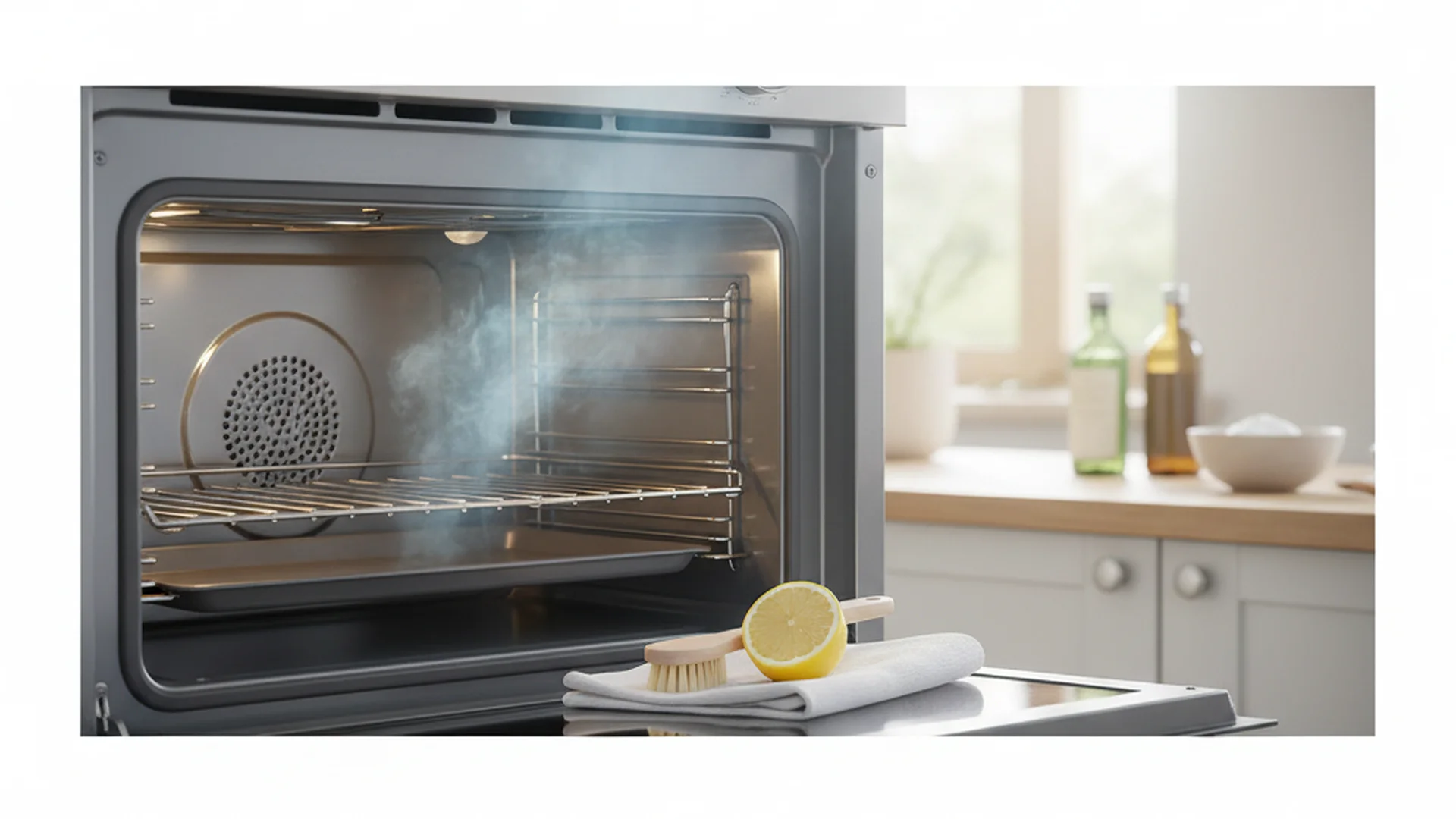
If you want to avoid the harsh, caustic fumes of store-bought oven cleaners—which is highly recommended for households with pets or children—the baking soda and vinegar method remains the gold standard.
The Baking Soda Paste Method
Mix 1/2 cup of baking soda with a few tablespoons of water until you have a spreadable paste. Coat the entire interior of both oven cavities, focusing on the areas with the most "baked-on" grease.
Note: Avoid getting any paste on the heating elements or the fan cover.
Let this paste sit for 12 to 24 hours. This gives the alkaline baking soda time to break down the acidic grease. After the waiting period, take a damp cloth and wipe out as much paste as possible.
The Vinegar Finish
Once the paste is removed, spray the interior with white vinegar. It will react with any remaining baking soda to create a gentle foam that lifts the last of the residue. Wipe everything down with a clean microfiber cloth for a sparkling finish.
Tackling the Glass Doors with Precision
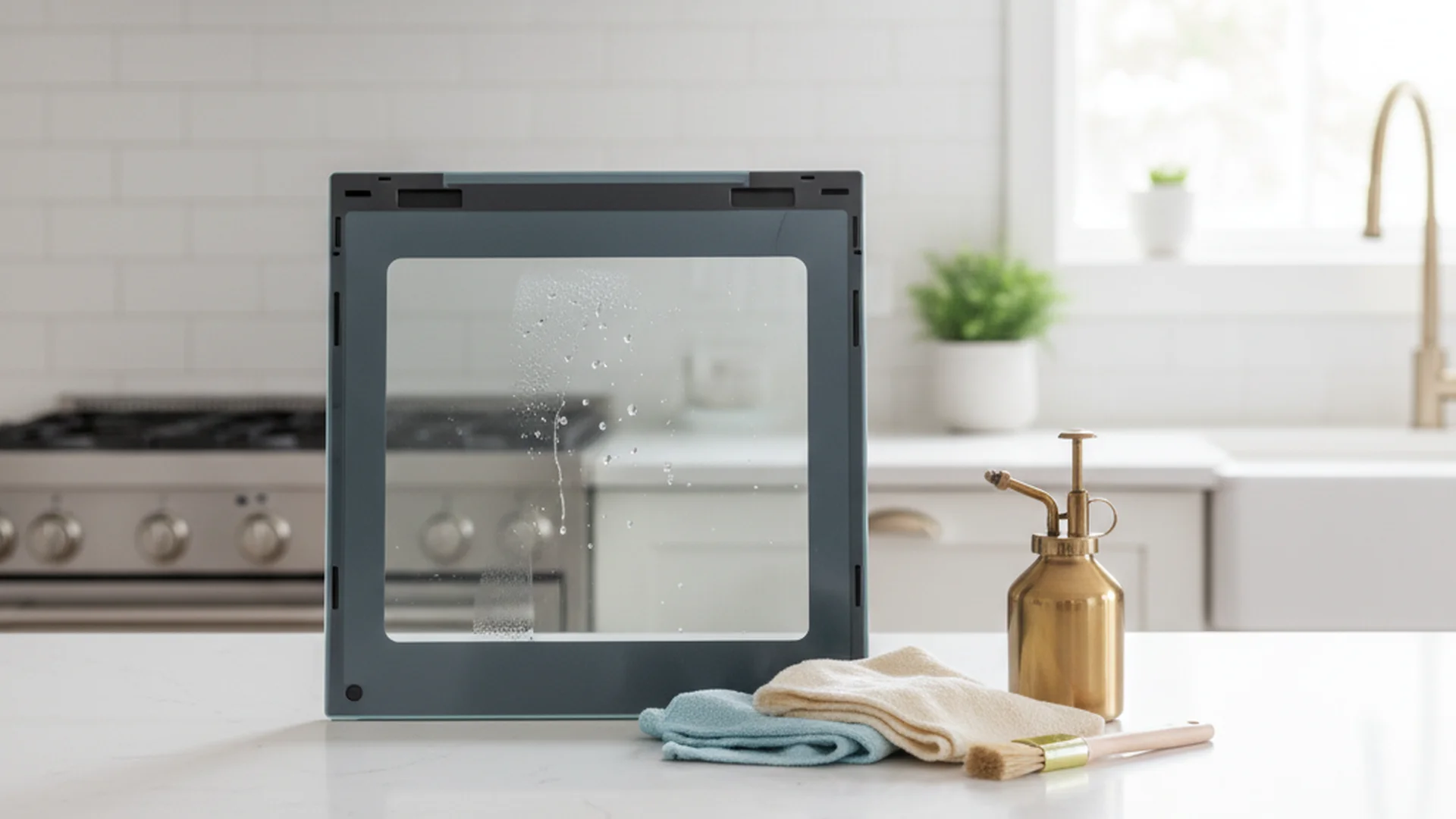
The glass door of a double oven often accumulates brown, translucent spots that seem impossible to remove. The secret used by professional cleaners is the lubricated razor blade scraper.
- Generously spray the glass with a glass cleaner or a water-vinegar mix.
- Hold a new, sharp razor blade at a 45-degree angle.
- Gently scrape the glass. The "burnt-on" spots will peel away like shavings without scratching the surface.
Success: This method is significantly faster than using abrasive sponges and results in a crystal-clear finish that makes your double oven look brand new.
Modern Trends in Double Oven Cleaning (2025-2026)
As we move through 2025 and into 2026, technology is changing how we maintain our appliances. We are seeing a massive shift toward AI-driven maintenance. Brands like Samsung and LG have introduced internal cameras that use AI to detect grime levels. You’ll receive a notification on your smartphone when it’s time to run a cleaning cycle, preventing grease from ever reaching the "burnt-on" stage.
Additionally, the industry is moving toward Eco-Pyrolytic cycles. These new modes use improved insulation to run self-cleaning cycles with lower energy bursts, reducing the energy cost of a self-clean by up to 30% compared to models from five years ago.
| Feature | Old Standard | 2025/2026 Trend |
|---|---|---|
| Cleaner Type | Caustic Soda | Bio-Based Enzymes |
| Interface | Physical Knobs | Seamless Touch Glass |
| Self-Clean | High Energy Use | Eco-Pyrolytic |
| Scheduling | Manual | AI-Triggered |
Common Mistakes to Avoid
When learning how to clean double oven systems, it's easy to fall into habits that can actually damage your appliance.
- Mixing Baking Soda and Vinegar Immediately: Many people mix them in a bowl first. This creates a chemical reaction that results in essentially salt water. For effective cleaning, the baking soda must sit on the grime first, with vinegar applied only at the end.
- Cleaning the "Hidden" Areas: Don't forget the area between the two oven cavities or the warming drawer at the bottom. Grease drifts can settle here, creating a fire hazard and causing unpleasant smells.
- Using Chemicals on Catalytic Liners: If your double oven has "easy-clean" or catalytic liners (which look like rough, grey sandpaper), never use chemical sprays on them. These liners are designed to absorb and burn off grease at high temperatures; chemicals will destroy their special coating.
Frequently Asked Questions
Can I use one oven while the other is in self-clean mode?
Why does my oven smell like smoke after I've cleaned it?
Is the self-cleaning cycle safe for my oven?
How often should I spot clean?
Conclusion
Mastering how to clean double oven units doesn't have to be a weekend-long chore. By using the "rack soak" method, the baking soda paste technique, and staying on top of crumbs with a quick vacuum, you can keep your appliance in top shape. Not only will your food taste better, but you'll also save money on energy bills and prevent the need for a costly replacement.
Success: A clean double oven reaches its target temperature faster and distributes heat more evenly, reducing your energy consumption and improving your cooking results.
Cleaning that keeps score
Every task earns points, every streak multiplies them, and Premium adds a household leaderboard plus a monthly Dustagorgon to beat.
- Free forever
- 30 badges to earn
- Up to 6 in a household
No card needed. Set up your rooms in a couple of minutes.