In this article
What you’ll learn
- Hand wash only; never put wooden spoons in the dishwasher.
- Use food-safe mineral oil monthly to prevent cracking and warping.
- Wood has natural antimicrobial properties that make it safer than plastic.
Wooden spoons are the unsung heroes of the kitchen. From stirring a simmering bolognese to folding delicate cake batter, they are durable, heat-resistant, and won't scratch your expensive non-stick pans. However, because wood is a living, porous material, it requires a different level of care than your stainless steel or silicone tools. Learning how to clean wooden spoons properly is the difference between a tool that lasts decades and one that ends up in the compost bin after six months.
In this guide, we will explore the science behind wood’s hygiene, the daily habits that keep your utensils pristine, and the 2025 trends that are changing the way we look at kitchen maintenance. Whether you’ve inherited a vintage set or just invested in handcrafted acacia, here is the best way clean wooden spoons while preserving their natural beauty.
The Science of Clean: Why Wood is More Hygienic Than Plastic
A common misconception in the kitchen is that because wood is porous, it is a "germ magnet." However, research tells a different story. Studies conducted by the University of California-Davis have shown that wooden cutting boards and utensils often harbor fewer bacteria than their plastic counterparts.
This is due to the unique cellular structure of wood. Through a process similar to capillary action, wood cells draw moisture and bacteria away from the surface. Once trapped in the lower layers of the wood, the bacteria are "choked out"—they are deprived of the moisture they need to survive and eventually die off. Furthermore, wood contains natural tannins, which serve as a defense mechanism against mold and bacteria even years after the tree has been harvested.
In contrast, plastic utensils develop deep scratches over time. These micro-crevices provide the perfect environment for bacteria to hide and multiply, and unlike wood, plastic has no natural antimicrobial properties to fight back.
Daily Maintenance: The Best Way Clean Wooden Spoons
If you want to maintain the integrity of your wood, consistency is key. Following these daily steps will prevent the most common issues like staining, odors, and "fuzzy" textures.
Step 1: Immediate Hand Washing
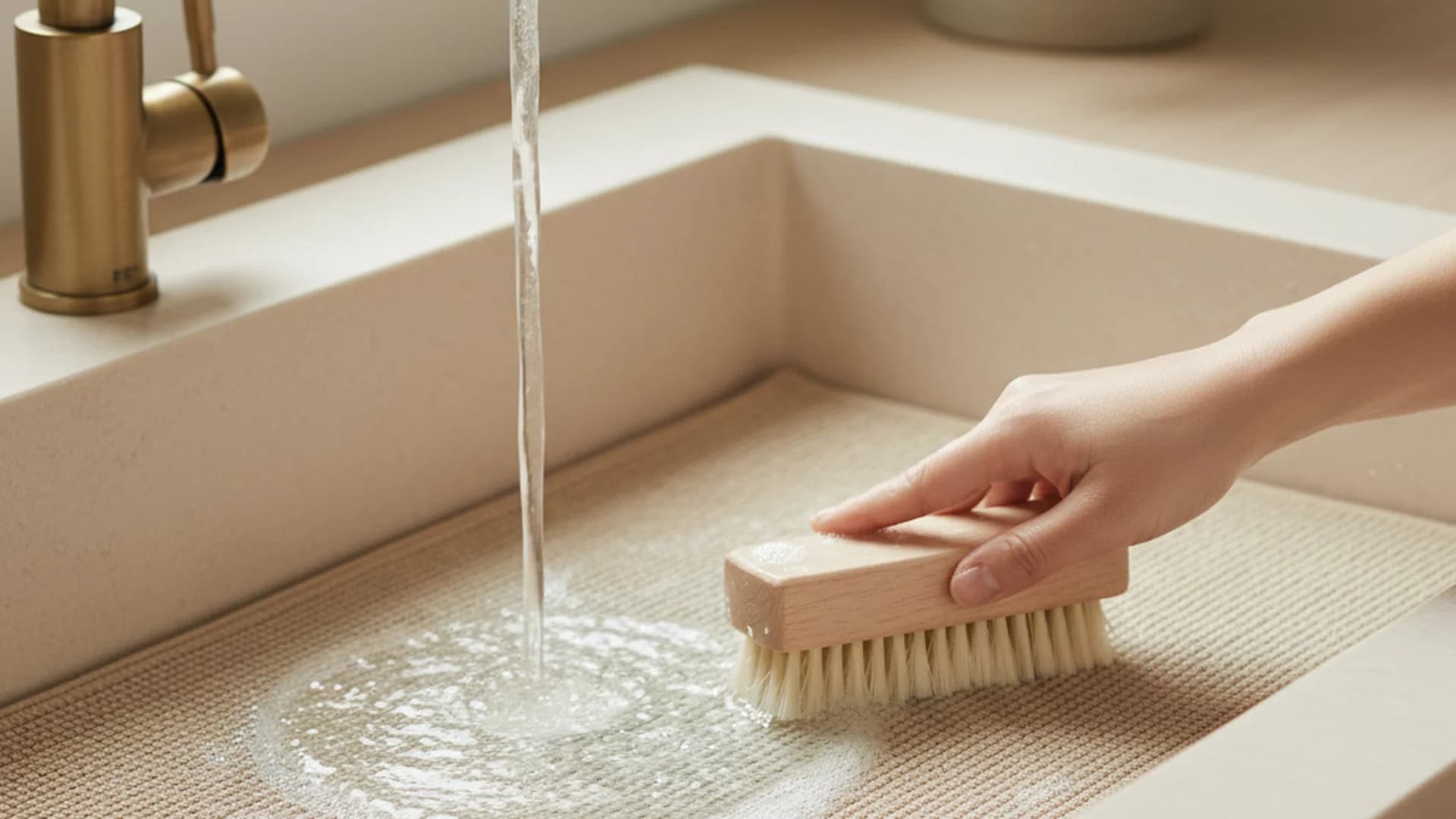
The golden rule of wooden kitchenware is to wash it immediately after use. Leaving a wooden spoon in a sink of water—or worse, sitting in a pot of acidic tomato sauce—allows the wood to absorb excess liquid and pigments. Use warm water and a mild dish soap.
Step 2: Use the Right Scrubbing Technique
For most tasks, a soft sponge is sufficient. If you have stuck-on food (like dried oatmeal or caramel), use the "scratchy" side of a dual-purpose sponge.
Warning: Avoid using abrasive metal scrubbers or steel wool. These can shred the wood fibers, leading to a rough texture and potentially creating splinters.
Step 3: The 24-Hour Dry Rule
Airflow is the secret to a long-lasting spoon. After towel-drying your spoons, do not put them directly into a dark, cramped drawer. Moisture trapped in a closed space is the leading cause of mold growth in wooden utensils.
Tip: In 2025, many "workstation sinks" now include integrated drying ledges. Use these to stand your spoons upright, ensuring 360-degree airflow for at least 24 hours before storage.
Deep Cleaning and Sanitizing
Even with perfect daily care, wooden spoons can eventually take on smells or look a bit dull. A monthly deep clean ensures they remain sanitary and aesthetically pleasing.
Neutralizing Persistent Odors
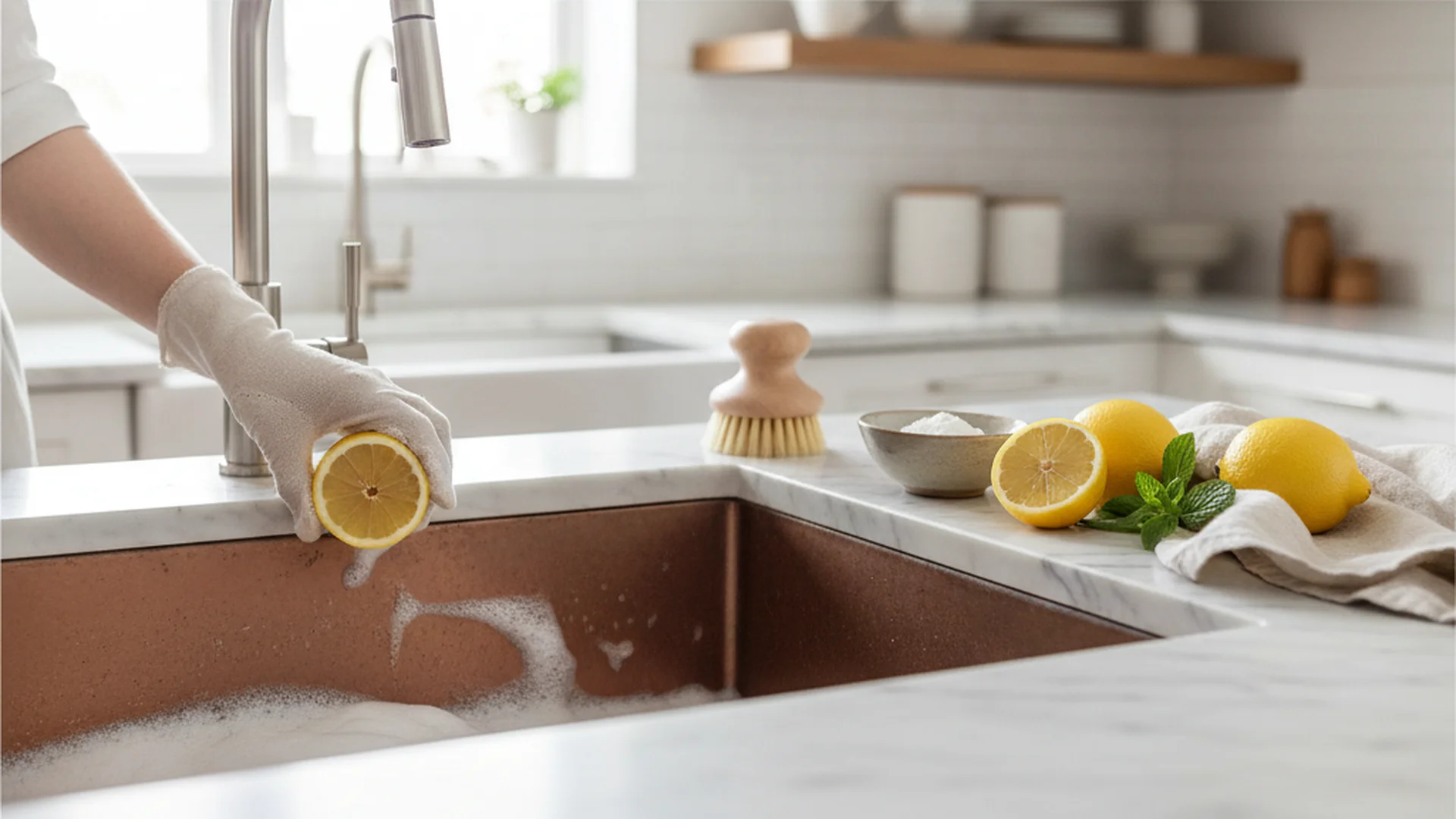
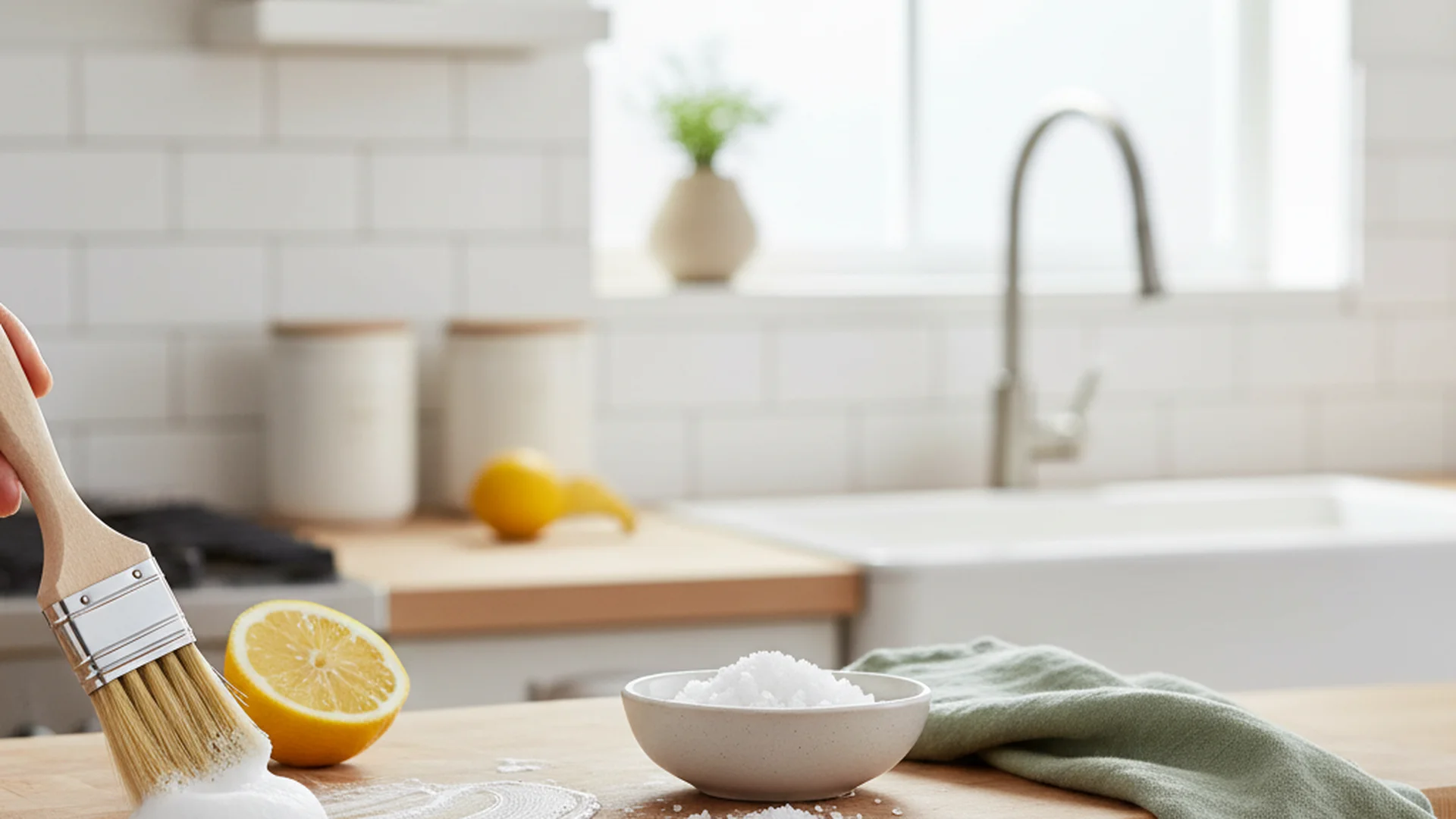
If you’ve been cooking with heavy aromatics like garlic, onions, or curry spices, the wood might retain the scent. To fix this, create a paste of baking soda and water, or simply rub the spoon with the cut side of a lemon. The citric acid and sodium bicarbonate work together to neutralize organic compounds.
Sanitizing Methods
For a deeper microbial reset, you can use one of these two methods once a month:
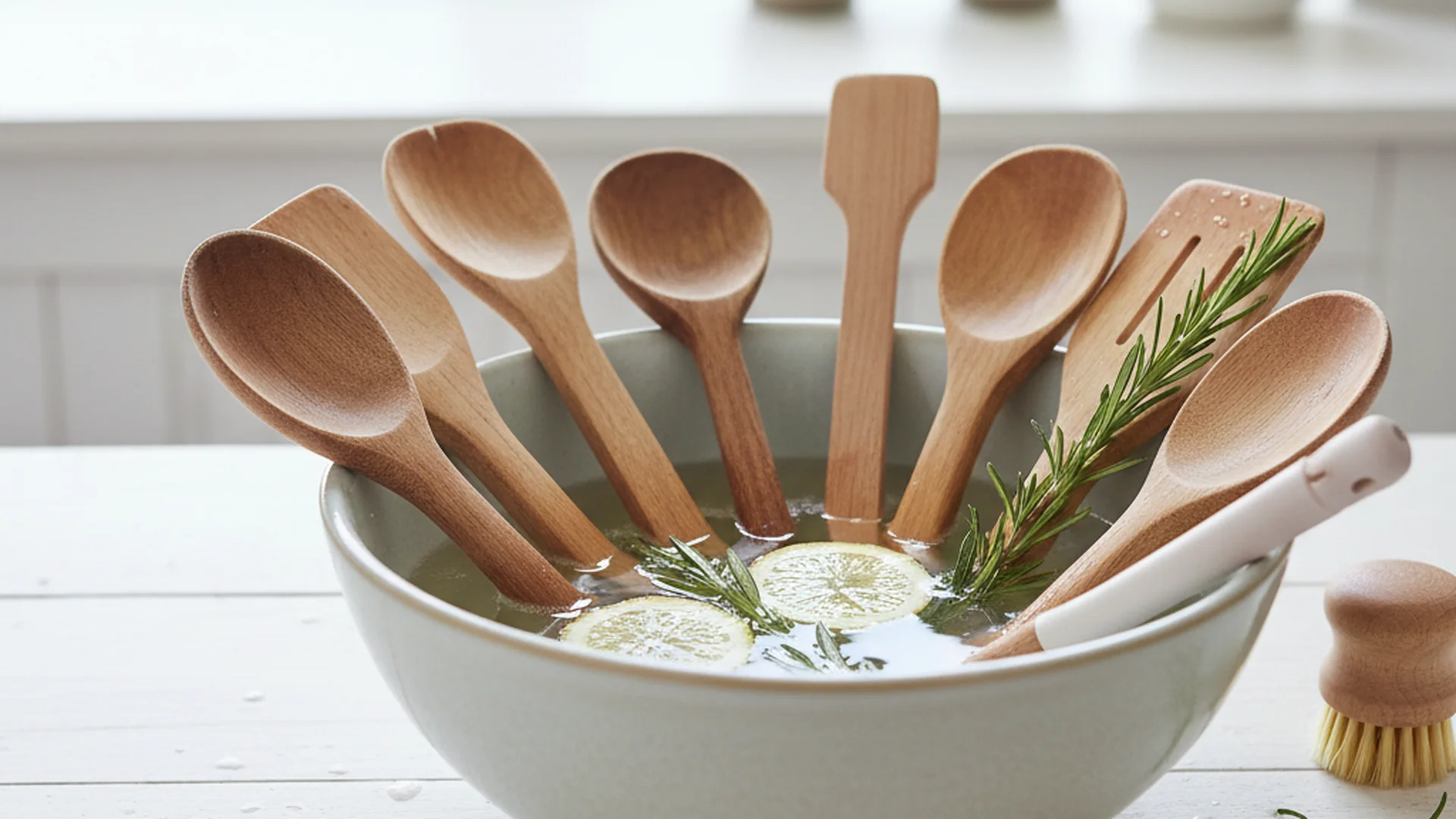
- The Vinegar Soak: Mix a 1:1 solution of white vinegar and water. Let the spoons soak for no more than 15 minutes, then rinse and dry thoroughly.
- Hydrogen Peroxide: Wipe the spoons down with 3% hydrogen peroxide. This is particularly effective if you’ve used the spoons for raw meat or eggs.
| Method | Best For | Frequency |
|---|---|---|
| Lemon/Baking Soda | Odor removal | As needed |
| White Vinegar | Deep sanitizing | Monthly |
| 3% Hydrogen Peroxide | Bacteria kill | After raw food contact |
The "Salt & Boil" Trend: A 2025 Perspective
Social media has recently popularized the "Salt & Boil" trend, where users boil their wooden spoons in a pot of salt water to "draw out" hidden oils and grime. While the sight of murky water can be satisfying, experts urge caution.
Note: Excessive boiling can weaken the wood’s structural integrity by breaking down the natural lignins that hold the fibers together. Only perform a salt boil once or twice a year for heavily used spoons.
Conditioning: Keeping Wood Supple
Wood is like skin; if it gets too dry, it cracks. Conditioning your spoons creates a hydrophobic (water-repelling) barrier that prevents food juices from soaking in and keeps the wood from becoming brittle.
How to Oil Your Spoons
- Ensure the spoon is completely dry.
- Apply a small amount of food-safe mineral oil, beeswax, or walnut oil.
- Rub the oil into the wood with a clean cloth until the wood stops absorbing it.
- Wipe off any excess and let it sit overnight.
Warning: Never use food-based oils like olive, vegetable, or canola oil to condition wood. These oils are organic and will go rancid over time, resulting in a sticky residue and a foul smell that is nearly impossible to remove.
Repairing "Fuzzy" Grain
If your spoon feels rough or "fuzzy," this is known as raised grain. It happens when water causes the wood fibers to swell and stand up. You can easily fix this by lightly sanding the dry spoon with 400-grit (fine) sandpaper and then immediately re-oiling it.
Common Mistakes to Avoid
To ensure your wooden spoons last for generations, avoid these four common pitfalls:
- The Dishwasher: This is the quickest way to kill a wooden spoon. The high heat and harsh detergents will cause the wood to warp, crack, and lose its natural oils in a single cycle.
- Prolonged Soaking: Leaving spoons in the sink leads to "checking"—small cracks that eventually become deep splits.
- Ignoring Cracks: If a spoon develops a visible split or a deep crack, it is time to replace it. These areas are impossible to clean thoroughly, and food particles trapped inside can become a breeding ground for bacteria.
- Using Rancid Oils: As mentioned, avoid kitchen pantry oils for conditioning. Stick to food-grade mineral oil.
The 2026 Kitchen Aesthetic: Wabi-Sabi and Sustainability
As we look toward 2026, kitchen trends are shifting toward the Wabi-Sabi aesthetic—a Japanese philosophy that finds beauty in imperfection and the passage of time. This trend has seen a surge in handcrafted, artisanal spoons made from sustainable woods like teak, acacia, and olive wood.
These woods are prized not only for their beauty but for their high natural oil content, which makes them more durable and water-resistant than traditional beech or maple. Embracing the "character" of a well-used, well-cared-for wooden spoon is now considered a mark of a seasoned home cook.
Frequently Asked Questions
Are wooden spoons sanitary?
Can I put wooden spoons in the dishwasher?
How do I get rid of strong odors like garlic?
Why does my spoon feel fuzzy or rough?
When should I throw away a wooden spoon?
Conclusion
Learning how to clean wooden spoons is a simple but essential skill for any home chef. By avoiding the dishwasher, hand washing promptly, and performing monthly conditioning with mineral oil, you can extend the lifespan of your utensils by up to 50%. In an era moving toward sustainability and the "Wabi-Sabi" aesthetic, these timeless tools are more than just kitchen implements—they are durable companions in your culinary journey.
Success: With just a few minutes of monthly maintenance, your wooden spoons will remain a safe, beautiful, and hygienic staple in your kitchen for years to come.
Cleaning that keeps score
Every task earns points, every streak multiplies them, and Premium adds a household leaderboard plus a monthly Dustagorgon to beat.
- Free forever
- 30 badges to earn
- Up to 6 in a household
No card needed. Set up your rooms in a couple of minutes.