In this article
What you’ll learn
- Wood has natural antimicrobial properties that make it safer than plastic.
- Never use food-based oils like olive or vegetable oil to season wood.
- Regular oiling is essential to prevent warping, cracking, and "cupping."
Butcher block countertops and cutting boards bring a warmth and organic texture to the kitchen that stone or laminate simply cannot match. However, many homeowners feel intimidated by the perceived high maintenance of wood. If you have been wondering how to clean butcher block without damaging the grain or compromising food safety, you are in the right place.
The truth is that wood is one of the most hygienic surfaces you can choose. Hardwoods like maple have natural antimicrobial properties. While bacteria can hide and multiply in the deep knife scars of a plastic board, they tend to die off quickly on a wooden surface. To keep this natural defense system working, however, you must follow a specific care routine.
The Daily Cleaning Routine: Scrape, Wash, and Dry
The best way clean butcher block on a daily basis is to focus on moisture control. Because wood is hygroscopic—meaning it actively absorbs and releases moisture—leaving it wet is the fastest way to cause damage.
Step 1: The Bench Scraper
Before you introduce water to the surface, use a stainless steel bench scraper. This tool is the secret weapon of professional chefs. It allows you to remove dried dough, vegetable bits, and stuck-on residue without over-saturating the wood with water.
Step 2: Mild Soap and Warm Water
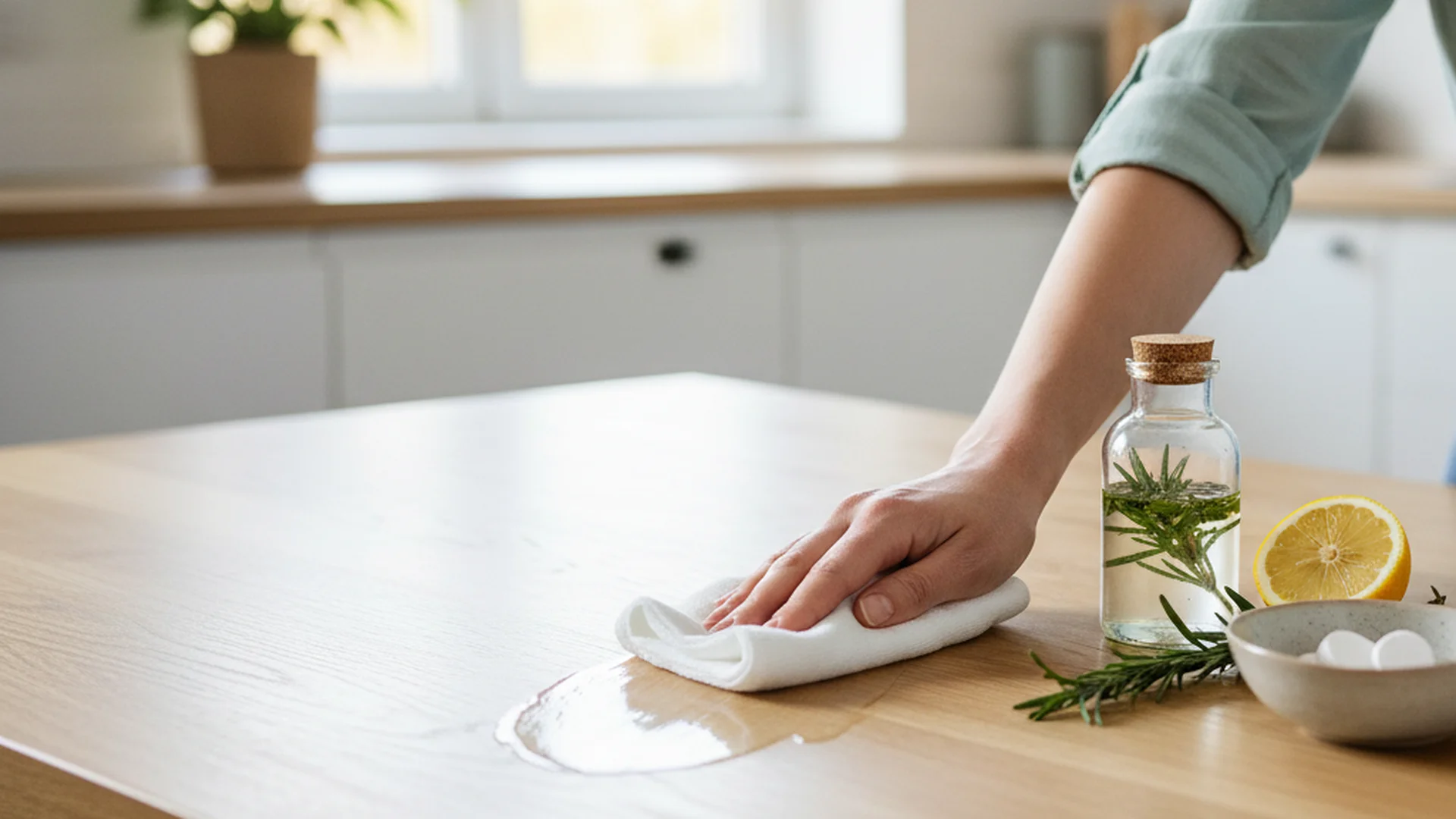
Dip a lint-free microfiber cloth into a bowl of warm water mixed with a few drops of mild dish soap. Wring the cloth out thoroughly so it is damp, not dripping. Wipe the surface in the direction of the wood grain.
Step 3: Immediate Drying
This is the most critical step. Never allow a butcher block to air dry. Use a clean, dry kitchen towel to buff away all remaining moisture immediately after cleaning.
Tip: If you notice water no longer beads on the surface and instead starts to soak in, it is a sign that your protective oil barrier has worn down and it is time for a maintenance "seasoning."
Deep Cleaning and Sanitization
While soap and water work for daily spills, certain tasks—like prepping raw proteins—require a more rigorous approach.
Sanitizing After Meat Prep
To sanitize your butcher block without using harsh chemicals that could dry out the fibers, reach for 3% hydrogen peroxide or white vinegar.
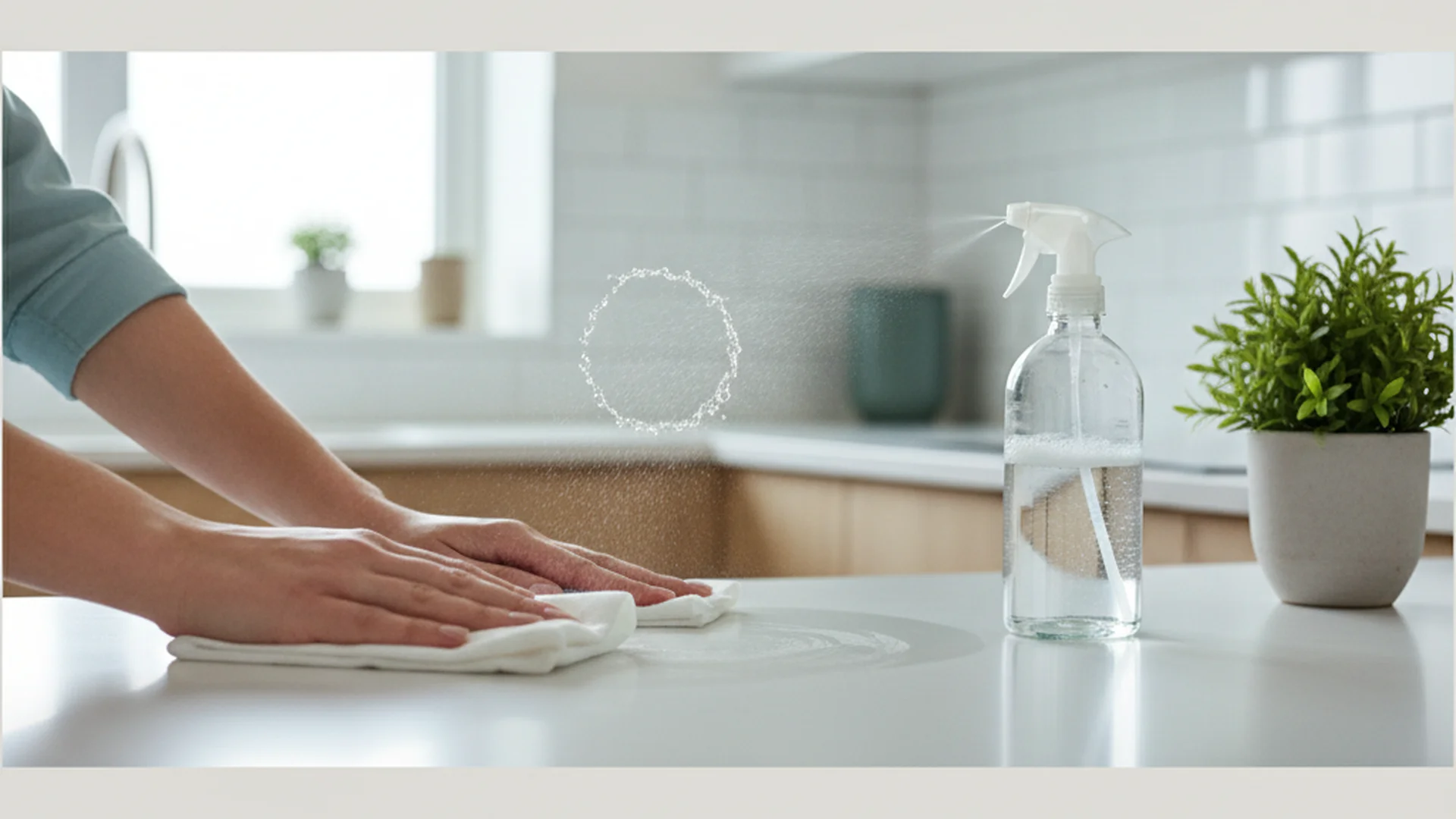
- Vinegar Method: Mix a 1:1 solution of white vinegar and water in a spray bottle. Spray the surface, let it sit for one minute, and wipe clean.
- Hydrogen Peroxide: For a deeper "food-safe" kill after handling raw chicken or beef, spray 3% hydrogen peroxide directly on the board. You may see it fizz—this is the oxidation process killing bacteria. Wipe and dry thoroughly.
Real-World Example: The "Saturday Night Roast"
Imagine you’ve just finished carving a large rib roast. The board is covered in fats and juices. To clean this properly, you would first scrape the surface, then use the dish soap method to break down the fats, and finally mist with the vinegar solution to ensure the surface is biologically clean for the next use.
Warning: Never use undiluted bleach on your butcher block. Bleach breaks down the lignin in wood fibers, leading to a "fuzzy" texture and eventually causing the wood to crack.
Removing Stains and Odors
Wood is porous, which means red wine, beet juice, or onion odors can occasionally linger. Fortunately, you don't need industrial chemicals to fix these issues.
The Lemon and Salt Method
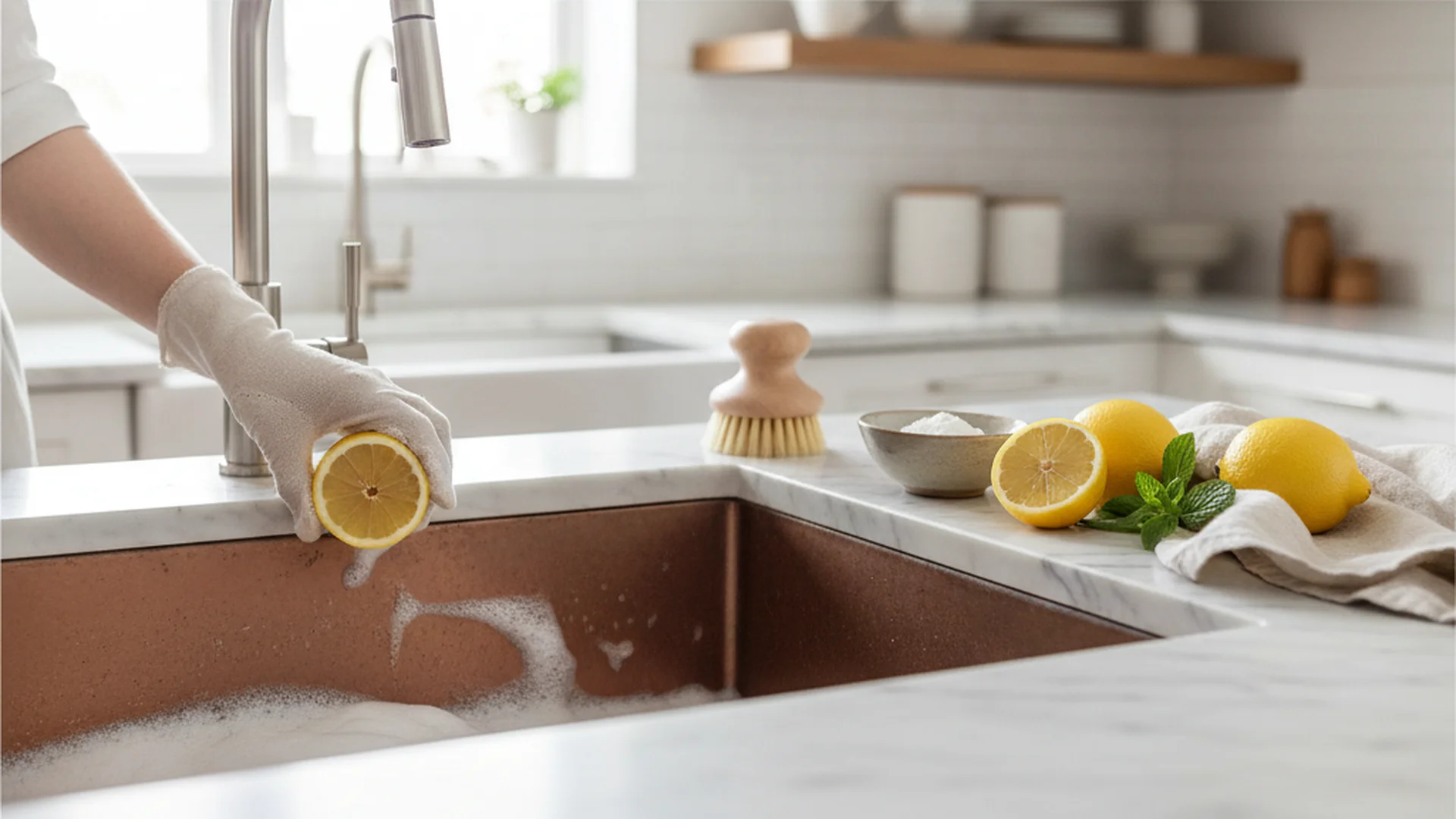
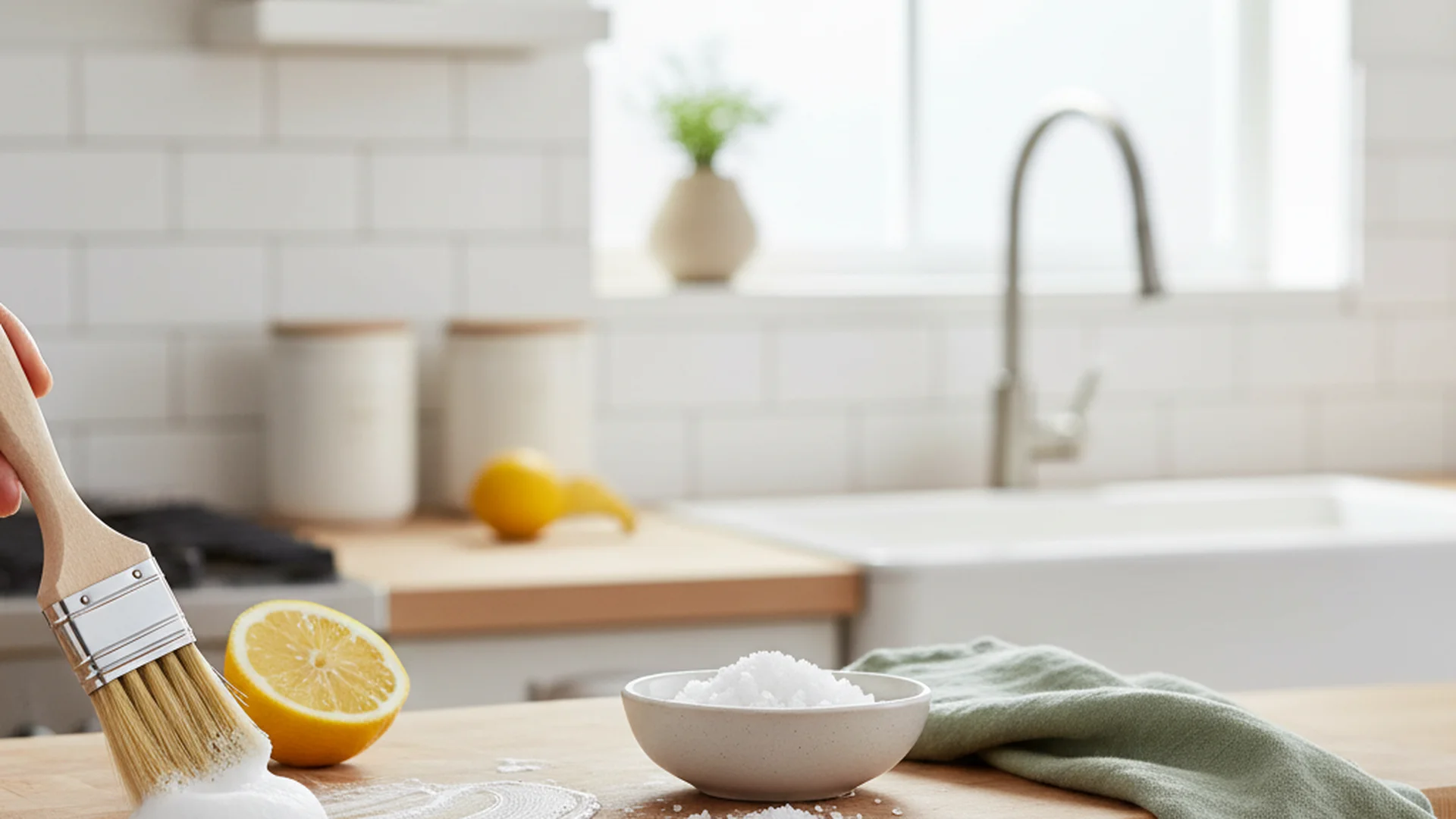
To lift a stubborn stain, sprinkle a generous amount of coarse sea salt over the affected area. Cut a lemon in half and use the flat side to scrub the salt into the wood in circular motions. The acidity of the lemon acts as a natural bleach and deodorizer, while the salt provides the abrasion needed to lift the pigment from the pores.
Note: For deep black mold spots, the lemon and salt method may not be enough. These usually require light sanding with 220-grit sandpaper followed by a hydrogen peroxide treatment.
The Monthly "Facial": Seasoning Your Butcher Block
Wood can expand or contract up to 1/8 of an inch depending on local humidity. Regular oiling "seals" the pores, preventing this moisture exchange and keeping the wood stable.
Step-by-Step Oiling Process
- Clean and Dry: Ensure the surface is spotless and has dried for at least 4 hours.
- Apply Mineral Oil: Use only food-grade mineral oil. Pour it generously over the surface.
- The Overnight Soak: Use a clean rag to spread the oil evenly. Let it sit overnight. The wood will drink up what it needs.
- Buff the Excess: In the morning, use a clean cloth to wipe away any oil that didn't soak in.
- Apply Conditioner: For the best results, finish with a beeswax-based conditioner. The wax creates a physical barrier that helps water bead off the surface more effectively.
Real-World Example: The "Thirsty" Island
A homeowner in a dry climate like Arizona noticed their butcher block island was beginning to "cup" (curve upward at the edges). This happened because they were only oiling the top. By oiling both the top and the underside, the wood moisture levels equalized, and the board flattened out within a week.
Common Mistakes to Avoid
- The "Vegetable Oil" Trap: Many people reach for olive or canola oil to "season" their wood. Do not do this. Food-based oils contain fats that will eventually oxidize and go rancid, creating a foul smell and a breeding ground for bacteria.
- Dishwasher Death: Never put a removable butcher block in the dishwasher. The intense heat and high-pressure water will dissolve the wood glue and cause the board to split instantly.
- Ignoring the Underside: As mentioned, wood must be treated equally on all sides. If you only oil the top, the bottom will dry out and shrink, causing the wood to warp.
- Abrasive Scrubbing: Avoid steel wool. It can leave tiny metal fragments in the wood that will rust and create permanent black stains.
2025-2026 Trends in Wood Care
The industry is currently shifting toward more sustainable, "Bio-Based" maintenance products. While petroleum-based mineral oil remains the gold standard for price, many homeowners are moving toward:
- Fractionated Coconut Oil: Unlike standard coconut oil, the "fractionated" version has the long-chain fatty acids removed, meaning it will never go rancid. It is a popular "vegan" alternative to mineral oil.
- Zero-VOC Hardwax Oils: Products like Rubio Monocoat are trending for 2026. These bond with the wood at a molecular level. While more expensive, they require much less frequent maintenance than traditional oils.
- Matte Aesthetics: The high-gloss "varnished" look is out. Modern kitchen design favors a natural matte finish that showcases the raw grain of Maple, Walnut, or Birch.
Frequently Asked Questions
Can I use dish soap on butcher block?
How often should I oil my butcher block?
Is vinegar safe for wood countertops?
How do I remove black mold spots?
Can I use a steam cleaner on butcher block?
Conclusion
A high-quality butcher block is an investment that can easily last 20 years or more with the right care. By sticking to the "Scrape, Clean, Sanitize, Seal" methodology, you ensure that your kitchen remains both beautiful and hygienic. Remember that wood is a living material; treat it with a little bit of oil and respect, and it will serve your kitchen for a lifetime.
Success: Regular maintenance not only keeps your kitchen safe but also increases the resale value of your home by preserving expensive permanent fixtures.
Cleaning that keeps score
Every task earns points, every streak multiplies them, and Premium adds a household leaderboard plus a monthly Dustagorgon to beat.
- Free forever
- 30 badges to earn
- Up to 6 in a household
No card needed. Set up your rooms in a couple of minutes.