In this article
What you’ll learn
- Different materials require specific cleaning agents to avoid damage.
- Vacuuming before wiping is essential to prevent surface scratching.
- Steam cleaning and enzymatic cleaners are leading the 2025 cleaning trends.
The kitchen is often called the heart of the home, but it is also one of the most high-traffic zones for germs and grime. While we are usually diligent about wiping down countertops and mopping floors, we often overlook the very seats we occupy every day. Knowing how to clean kitchen chairs effectively is about more than just aesthetics; it is about maintaining a hygienic environment for your family. A well-used chair can harbour a surprising population of bacteria—including E. coli—making your seating a hidden hotspot for cross-contamination.
Whether you are dealing with sticky fingerprints on mahogany or a red wine spill on cream upholstery, this guide will walk you through the professional-grade methods to restore your furniture.
Why Kitchen Chair Hygiene Matters
In a busy household, kitchen chairs endure a lot. From toddlers with sticky fingers to the "dust bunnies" that gather on the rungs, these pieces of furniture act as magnets for organic debris. Most of us clean our kitchens several times a week, yet the furniture remains one of the most frequently forgotten items in the routine.
Beyond the hygiene factor, there is a significant mental health benefit to a deep-cleaned home. Most people find that a meticulously cleaned environment directly boosts their mood. Furthermore, using the correct cleaning methods ensures the longevity of your investment. Oversaturation is the number one cause of finish degradation in wooden furniture. By mastering the best way clean kitchen chairs, you aren’t just cleaning—you are preserving.
Preparation: The Golden Rule of Cleaning
Before you reach for a spray bottle, there is one step you can never skip: removing loose debris.
Warning: Never start wiping a chair that still has crumbs or dust on it. These particles act like sandpaper when pressed against wood or metal, causing micro-scratches that dull the finish over time.
Always begin by using a vacuum with a brush attachment to clear the seams, the underside of the seat, and the leg rungs. This ensures that when you apply a liquid cleaner, you aren't simply moving wet dirt around the surface.
How to Clean Kitchen Chairs by Material
Different materials require vastly different approaches. Using a wood cleaner on leather or a harsh chemical on rattan can lead to permanent damage.
Wooden Kitchen Chairs
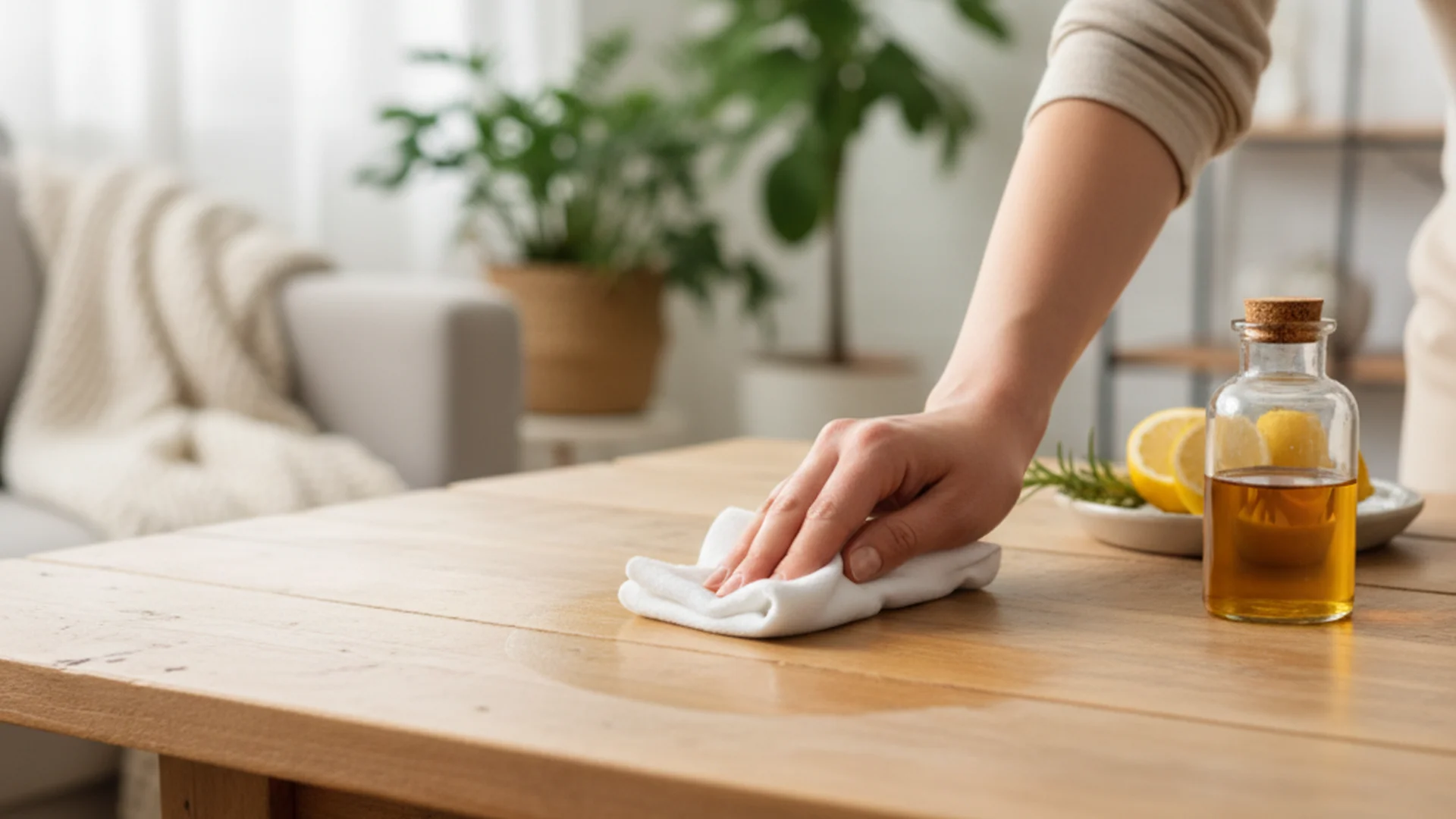
Wooden chairs are classic but sensitive to moisture. The goal is to remove grease and "human oils" (which accumulate on the top of the chair back where people grab them) without soaking the wood.
- The Process: Mix a few drops of mild dish soap with warm water. Dampen a microfiber cloth, wring it out until it is barely damp, and wipe in the direction of the grain.
- Real-World Example: Imagine a Sunday roast where several guests have handled the chair backs with greasy hands. A simple water wipe won't cut it. For stubborn grease, use a highly diluted vinegar solution, but always test an inconspicuous area first.
Tip: Avoid oil or silicone-based polishes. While they look shiny initially, they actually attract dust and create a sticky buildup over time that is difficult to remove.
Upholstered and Fabric Chairs
Fabric chairs are the most comfortable but also the most prone to deep-set stains. In 2025, the trend has shifted toward "proactive" maintenance rather than reactive scrubbing.
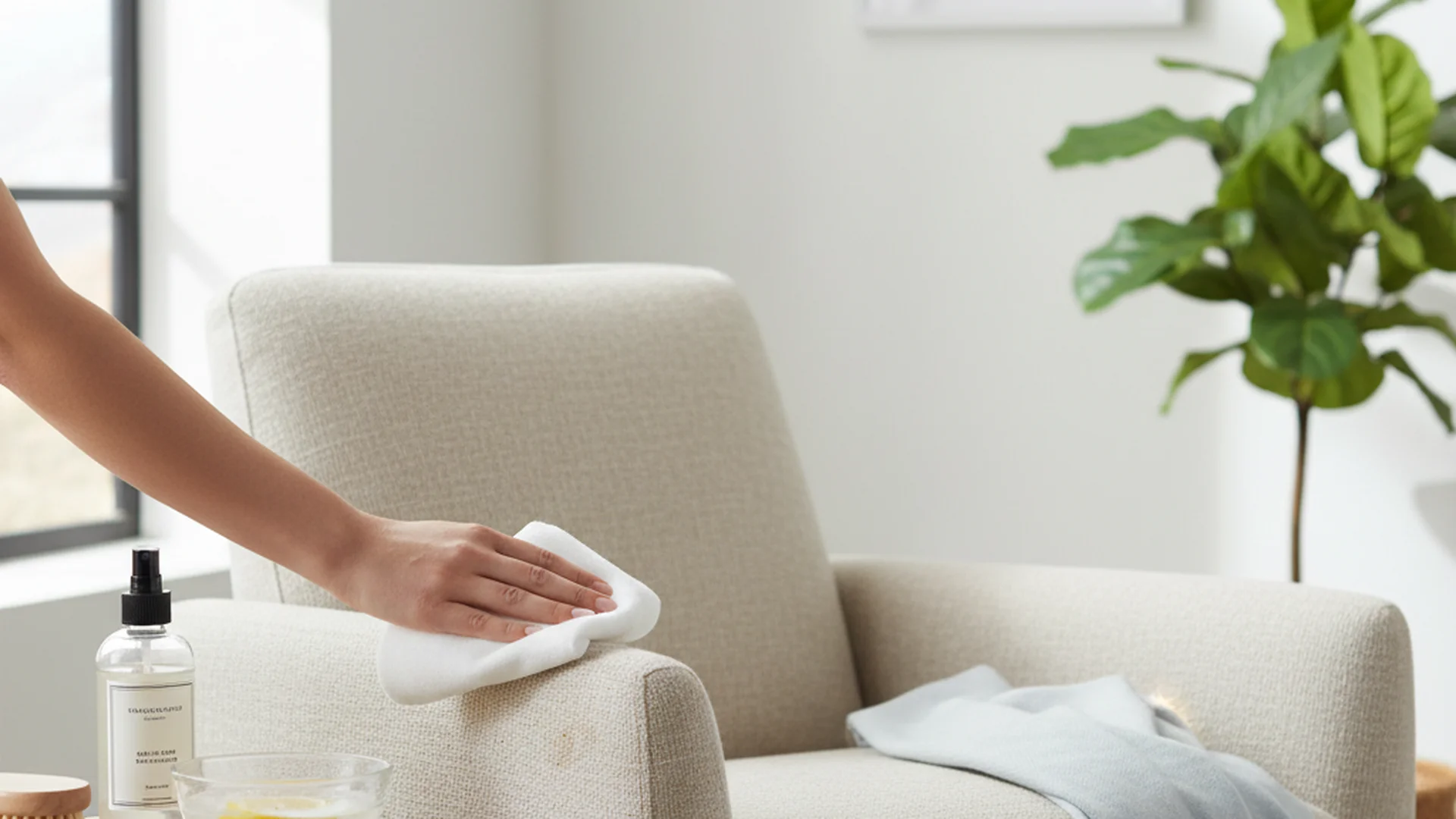
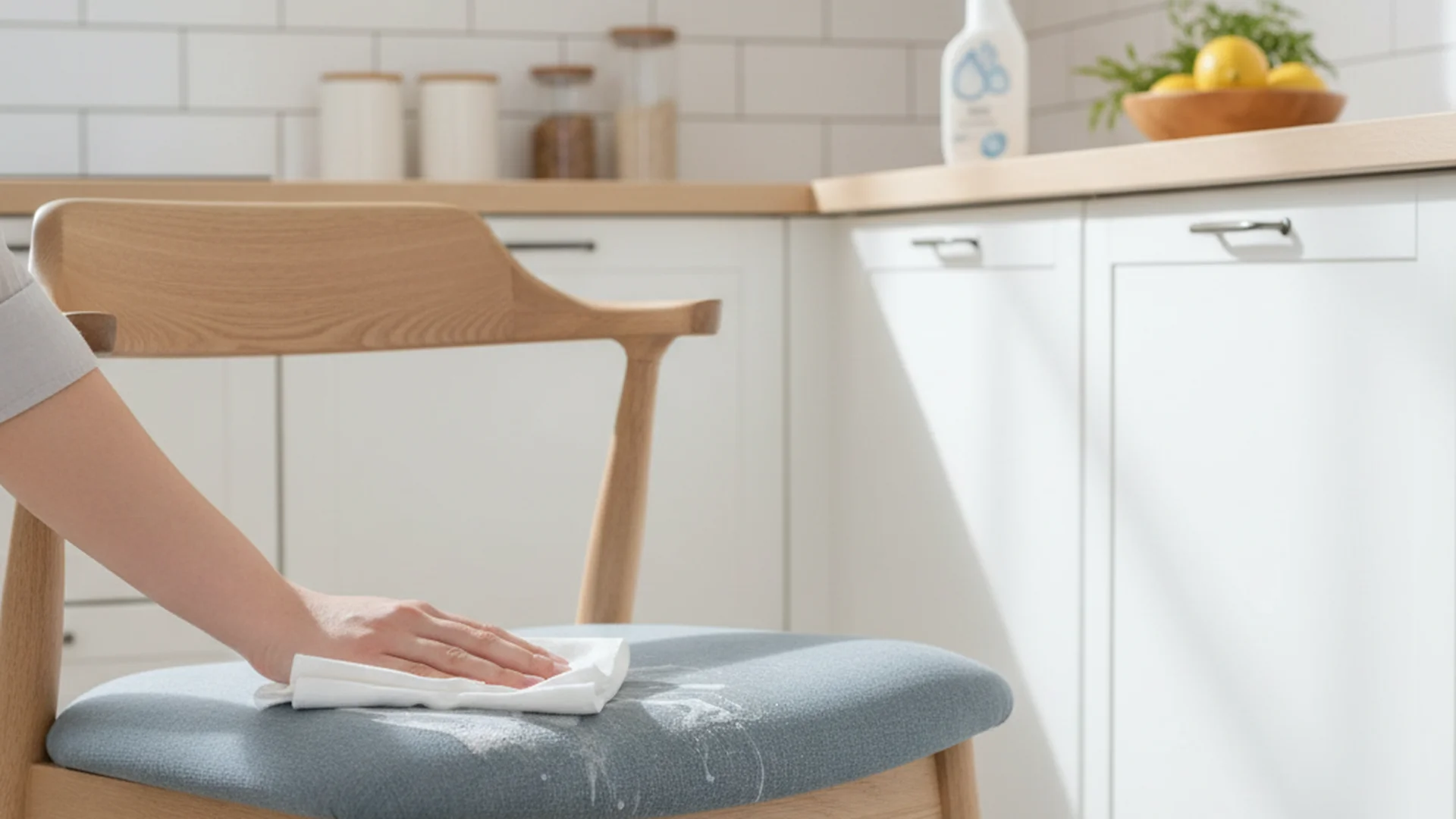
- The Process: After vacuuming, use a steam cleaner for sanitization. If you are dealing with a stain, use the "blotting" method.
- DIY Solution: For white or cream fabrics, a "Dawn and Vinegar" mixture works well. Mix 1 tablespoon of dish soap, 1 tablespoon of white vinegar, and 2 cups of warm water.
Success: For older fabric chairs that show "pilling" (those small fuzzy balls), gently use a pumice stone to shave them off. This makes the fabric look brand new without the need for reupholstering.
Leather and Faux-Leather
Leather is durable but can crack if it dries out. Never use multi-purpose sprays or bleach on leather, as they strip the natural oils.
- The Process: Wipe with a damp microfiber cloth to remove surface grime. Follow up immediately with a dedicated leather conditioner to keep the material supple.
- Real-World Example: If a child spills a juice box on a leather seat, the liquid will bead up initially. Blot it immediately. If left to sit, the acidity in the juice can stain the hide permanently.
Metal and Plastic Chairs
These are the easiest to maintain but are prone to water spots and rust if not handled correctly.
- The Process: Use warm soapy water and a soft sponge. For "scuff marks" on plastic chairs (often caused by shoes or moving the chairs), a paste of baking soda and water acts as a gentle abrasive to lift the mark without scratching.
Note: Always dry metal chairs immediately after cleaning. Moisture trapped in joints or screw holes can lead to oxidation and rust.
Rattan and Woven Materials
Rattan chairs are beautiful but have thousands of tiny crevices where crumbs can hide.
- The Process: Use a soft-bristle brush (or a clean paintbrush) to flick crumbs out of the weave before vacuuming. Use a very lightly dampened cloth for wiping.
- Warning: Avoid soaking rattan. It is highly porous and susceptible to mold and mildew if it doesn't dry within a few hours.
Advanced Cleaning Trends for 2025–2026
The cleaning industry is evolving, moving away from harsh chemicals toward smarter, safer technology.
Enzymatic "Green" Cleaning
One of the biggest shifts in 2025 is the use of enzymatic cleaners. These products contain "good" bacteria that produce enzymes to break down organic proteins, fats, and oils. They are perfect for kitchen chairs because they literally "eat" the food residue left behind by messy eaters without leaving toxic residues.
UV-C Sanitization
For high-touch areas like the tops of chair backs and the arms, portable UV-C light wands are becoming a popular "no-touch" sanitizing method. This is an excellent shortcut for busy families who want to kill bacteria between deeper cleaning sessions.
Proactive Soil Repellents
Instead of waiting for a spill, 2026 design trends suggest applying antimicrobial and soil-repellent coatings quarterly. These "proactive" sprays create an invisible barrier that prevents liquids from soaking into the fibers, making the best way clean kitchen chairs as simple as a quick wipe.
Common Mistakes to Avoid
Even with the best intentions, it is easy to damage your furniture. Here are the most common pitfalls:
- Over-Wetting Upholstery: If water seeps into the foam padding, it can take days to dry, leading to a musty smell and potential mold growth.
- Scrubbing Stains: Scrubbing fays the fabric fibers and pushes the stain deeper. Always blot from the outside of the stain toward the center.
- Using Bleach: While great for floors, bleach can permanently discolor wood finishes and weaken the structural integrity of fabric fibers.
- Forgetting the Underside: Dust and cobwebs frequently accumulate under the seat. If left unchecked, these can migrate to the floor and contribute to overall kitchen grime.
- Skipping the Test Patch: Never use a new cleaner on the entire chair without testing it on the underside of a rung or the bottom of the seat first.
Frequently Asked Questions
How often should I deep clean my kitchen chairs?
Is steam cleaning safe for all chairs?
How do I remove sticky grease from wooden chairs?
What is the best way to clean white or cream fabric chairs?
Conclusion
Mastering how to clean kitchen chairs is a vital skill for maintaining a healthy, beautiful home. By understanding the specific needs of your furniture's material—from the grain of the wood to the weave of the fabric—you can ensure your dining area remains a safe and welcoming space. Remember to start with a thorough vacuum, choose "green" enzymatic cleaners when possible, and always avoid the temptation to over-saturate.
With the right tools and a proactive mindset, you can keep your kitchen chairs looking showroom-new for years to come, all while protecting your family from the hidden bacteria that high-traffic furniture often hides.
Success: By implementing these methods, you aren't just cleaning your home; you're improving your indoor air quality and extending the life of your furniture.
Cleaning that keeps score
Every task earns points, every streak multiplies them, and Premium adds a household leaderboard plus a monthly Dustagorgon to beat.
- Free forever
- 30 badges to earn
- Up to 6 in a household
No card needed. Set up your rooms in a couple of minutes.