In this article
What you’ll learn
- Clutter is a major, often invisible source of everyday stress.
- Visible dust is only one indicator; mental fog and poor sleep are 'invisible' signs.
- Modern methods like the 20/10 rule and 'Closing Shifts' prevent burnout.
If you have ever walked into your living room and felt an immediate wave of unexplained anxiety, you are likely experiencing one of the most common signs need to clean house. In 2025, we have moved beyond the idea that a "dirty" house is simply one with visible mud on the floor. Today, professional cleaning consultants view the home as an ecosystem where environmental hygiene and mental well-being are inextricably linked. When your environment becomes cluttered or biologically "heavy" with dust and allergens, your brain and body are often the first to send out distress signals.
Understanding the subtle signs need to clean house guide is the first step toward reclaiming your space and your sanity. Whether it is the physical buildup of grime or the psychological weight of "decision fatigue" caused by visual clutter, your home is constantly communicating its needs to you.
The Psychological Toll: When Your Brain Signals a Mess
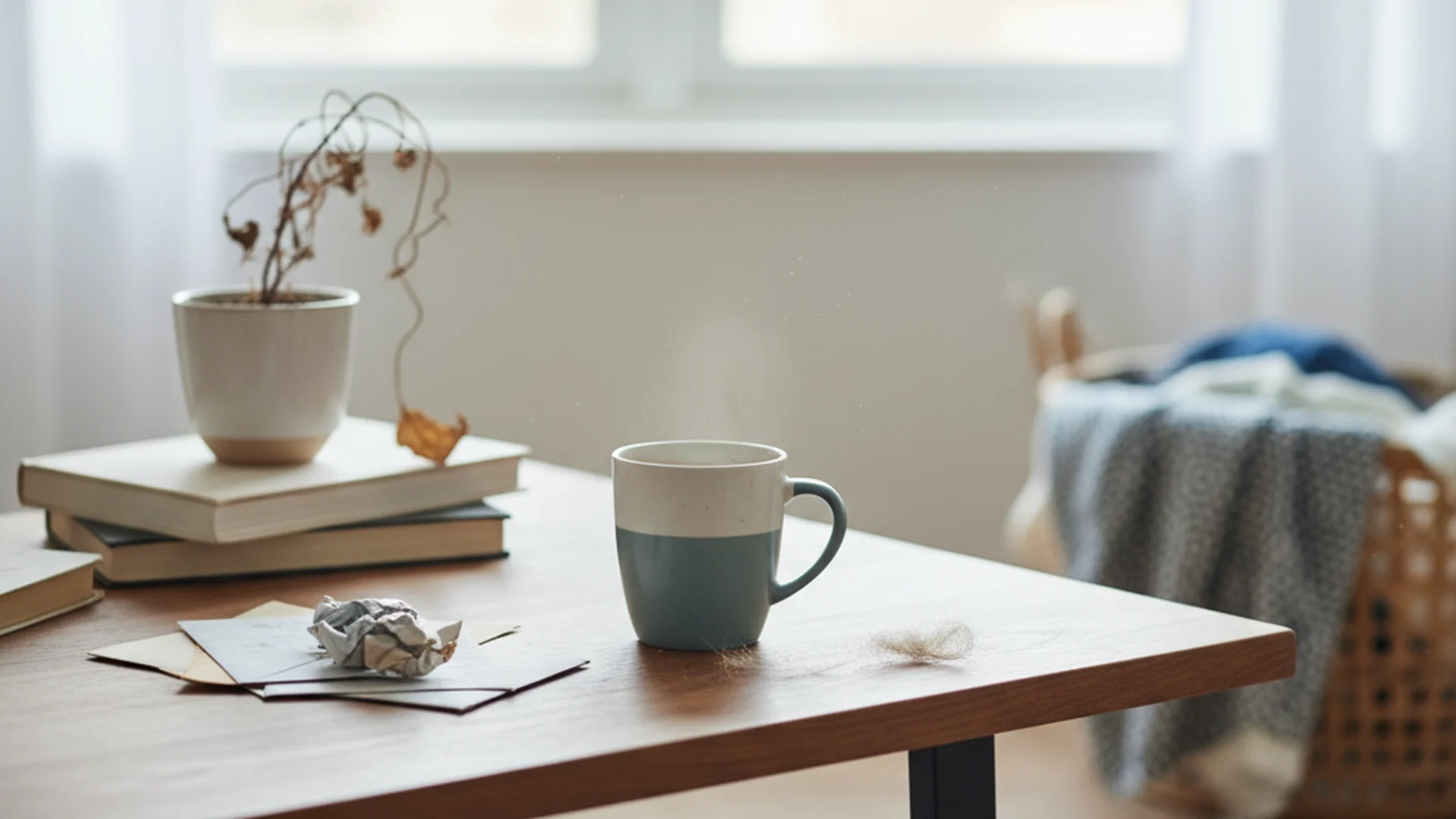
The most overlooked indicators that a deep clean is overdue aren't found on your baseboards, but in your mood. Our homes tend to act as a physical manifestation of our mental state. When the boundaries between "stuff" and "space" blur, your brain struggles to process information efficiently.
Decision Fatigue and Focus Loss
Have you noticed that it takes you longer to choose an outfit in the morning or that you’re struggling to focus on a remote work task? Visual clutter competes for your attention. Too much visual stimulus in a home environment quietly drains your ability to think clearly. This is often referred to as "decision fatigue"—the more items your eyes have to scan and ignore, the less energy you have for important tasks.
The Cortisol Connection
For many, especially women, a chaotic home environment triggers the release of cortisol, the body’s primary stress hormone. Most of us feel that low hum of stress when the house is cluttered. If you find yourself feeling irritable the moment you step through the front door, your house isn't just messy; it's actively impacting your nervous system.
Tip: If you feel "stuck" or overwhelmed, try the 10-item toss. Find ten items that don't belong in the room and put them away immediately. This small win can break the cycle of cortisol-induced paralysis.
Visible Indicators: The "Physical" Signs Need to Clean House Tips
While the mental signs are profound, the physical indicators are the traditional "red flags" that maintenance is required. In 2025, we use specific "tests" to determine if a house has transitioned from "lived-in" to "unhygienic."
The Plant Leaf and Baseboard Test
One of the most effective signs need to clean house tips is to look at your indoor plants. If the leaves of your Monstera or Snake Plant are coated in a grey film, your Indoor Air Quality (IAQ) is likely poor. Dust on plants acts as a magnet for more particles and restricts the plant’s ability to "clean" your air. Similarly, check your baseboards. Most homeowners prioritize eye-level surfaces, but a thorough deep clean starts at the floors and baseboards, where hidden allergens sit waiting to circulate every time the HVAC turns on.
Persistent Odors and "Aroma Blindness"
We all get "nose blind" to our own homes. However, if you return after an hour away and notice a musty, stale, or "organic" scent, it is a sign of biological buildup. This could be anything from a neglected dishwasher filter to mold spores in the laundry room.
| Sign | Indicator | Action Required |
|---|---|---|
| Dust on Plants | Poor Air Filtration | HEPA Vacuum & Leaf Wipe |
| Sticky Counters | Bacterial Biofilm | Degrease & Sanitize |
| Greasy Windows | Aerosolized Cooking Oils | Professional Glass Clean |
| Slow Drains | Organic Buildup | Enzymatic Cleaner |
Warning: Lingering odors are often a sign of bacteria or mold. Simply using an air freshener masks the problem; you must remove the organic source to ensure a healthy home microbiome.
The Invisible Health Impact: Air Quality and Sleep
In 2025 and 2026, the focus of residential cleaning has shifted from "visual" to "atmospheric." You might not see the pollutants, but your body feels them.
Respiratory Sensitivity and Allergies
If you find yourself sneezing more often or waking up with a "stuffy" feeling that disappears once you leave the house, your home is likely harboring a high load of dust mites, pet dander, or pollen. Poor indoor air quality takes a real toll on how well you feel and function. A house that "needs a clean" in 2025 is often defined by its particle count rather than its floor shine.
Poor Sleep Quality
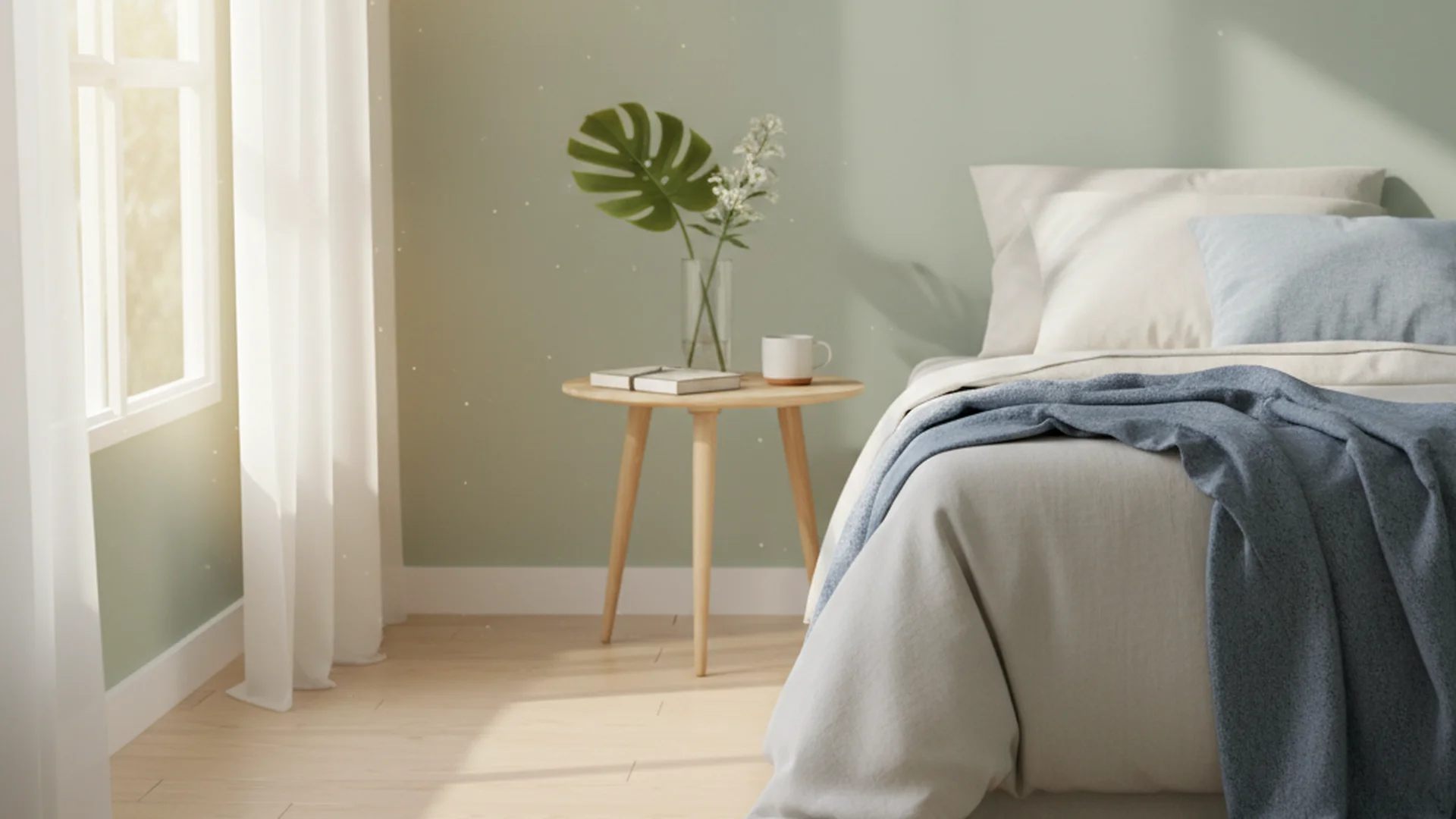
There is a direct correlation between bedroom cleanliness and sleep latency (how long it takes to fall asleep). A cluttered bedside table or dusty curtains can irritate the respiratory system and create a "mental to-do list" that prevents the brain from entering deep REM cycles.
Success: Homeowners who adopt a "Clean Room, Clear Mind" policy for the bedroom usually notice they fall asleep faster and rest better.
Modern Strategies: The 2025 Guide to Cleaning Smarter
Gone are the days of the "marathon Saturday" clean. Sustainable, high-frequency habits work far better, and prevent the "dirty house" signals from ever appearing.
The 20/10 Method
Developed to combat burnout, the 20/10 method involves cleaning for 20 minutes followed by a 10-minute restorative break. This is particularly effective for those dealing with the "stress link" mentioned earlier. It breaks the overwhelming task of a whole-house clean into manageable, bite-sized pieces.
The "Closing Shift" Concept
Borrowed from the restaurant industry, the "Closing Shift" is a 15-minute nightly reset.
- Wipe counters: Remove the day's crumbs and spills.
- Clear floors: Ensure no tripping hazards for the morning.
- Load dishwasher: Start the day with a clean sink.
- The Tidy Toss: Use a designated basket to collect items that belong in other rooms.
Zoning Strategy
Instead of trying to tackle everything, focus on one "zone" per week.
- Week 1: Kitchen (including appliance interiors).
- Week 2: Bathrooms and Linens.
- Week 3: Living Areas and Dusting.
- Week 4: Bedrooms and Closets.
Note: Zoning ensures that "deep-clean" tasks—like cleaning the coils behind your refrigerator or your dryer vent—actually get done rather than being perpetually postponed.
Common Mistakes to Avoid
Even with the best intentions, many homeowners fall into traps that actually make their homes dirtier over time.
- The "Vinegar is Universal" Myth: While eco-friendly, vinegar is highly acidic. Using it on marble, granite, or quartz can cause permanent etching. Always use pH-neutral cleaners for natural stone.
- Using Bleach as a General Cleaner: Bleach is a disinfectant, not a detergent. If you spray bleach on a dirty surface, the organic matter can "shield" the germs. You must clean the dirt away with soap and water before disinfecting with bleach.
- Over-Product Usage: More soap does not mean more clean. Using too much laundry detergent or floor cleaner leaves a sticky residue. This residue acts like a magnet, attracting dust and dirt faster than a clean surface would.
- Cleaning Windows in Direct Sunlight: This is a classic error. The sun dries the solution before you can squeegee it off, leading to streaks. Aim for overcast days or early mornings.
Future Trends: AI and Biophilic Cleaning in 2026
As we look toward 2026, technology and biology are merging to keep our homes cleaner with less effort.
AI-Integrated Maintenance
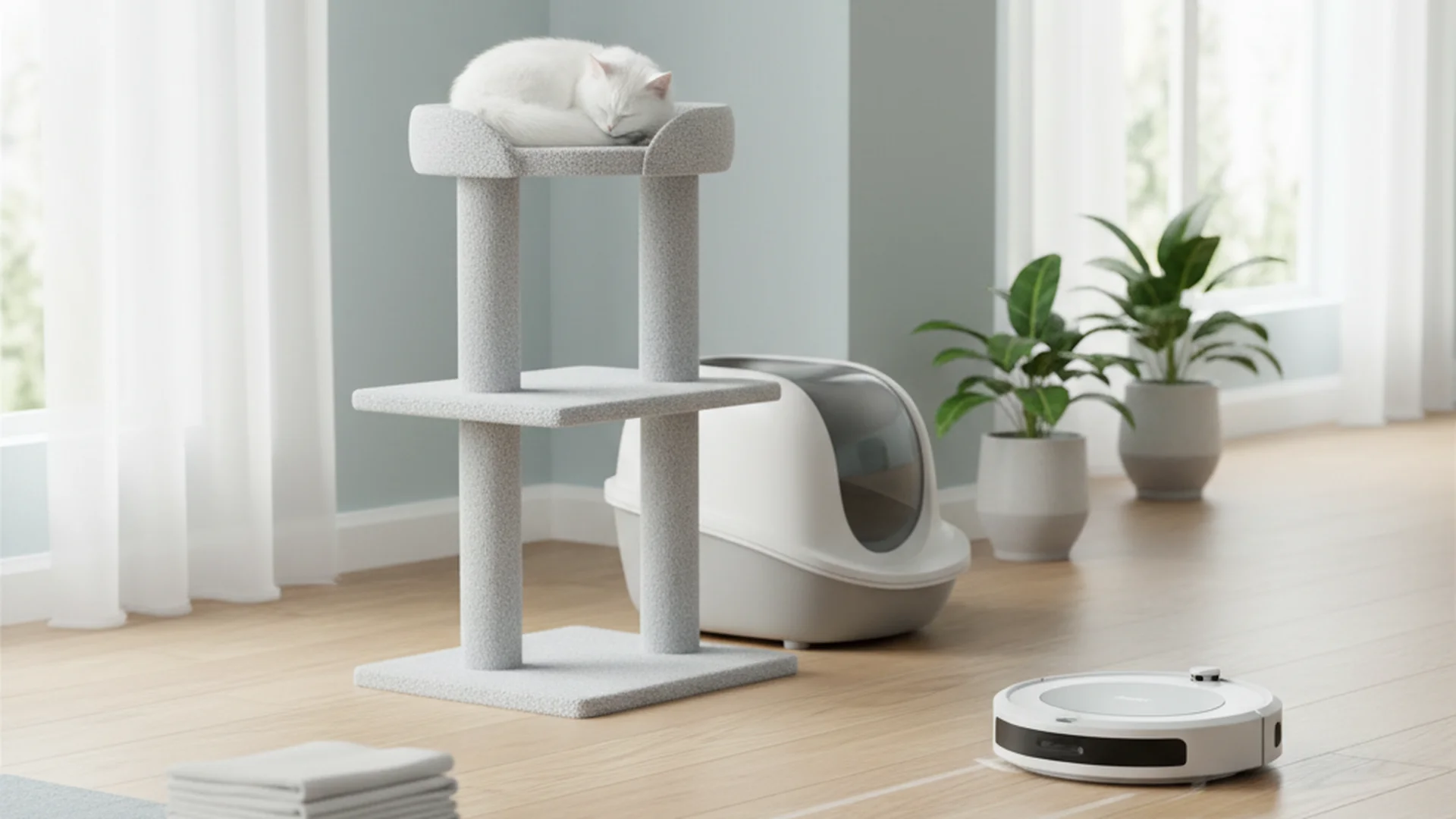
Robotic vacuums have become a fixture in a huge number of homes. The newest 2026 models feature AI sensors that can detect "high-traffic" grime levels, automatically increasing suction or mopping frequency in areas like the entryway or kitchen during "muddy seasons."
Probiotic Cleaning
We are seeing a substantial market shift toward probiotic cleaners. Rather than just "killing" all bacteria (including the good ones), these plant-based cleaners introduce beneficial microbes that continue to "eat" organic waste on surfaces long after you’ve finished wiping.
Frequently Asked Questions
How can I tell if my house is actually dirty or just messy?
Is professional cleaning worth the cost in 2025?
What are the first signs that clutter is affecting my mental health?
How often should I perform a "deep clean" using 2025 standards?
Conclusion
Recognizing the signs need to clean house is about more than just aesthetics; it is about protecting your health and your mental clarity. In an era where so many of us feel the weight of home-based stress, your cleaning routine is a vital form of self-care. By implementing modern strategies like the 20/10 method and staying mindful of the "invisible" signs like air quality and cortisol spikes, you can transform your home from a source of anxiety into a true sanctuary.
Success: A clean home provides the optimal environment for productivity, rest, and overall longevity. Start small, stay consistent, and watch your quality of life improve.
Cleaning that keeps score
Every task earns points, every streak multiplies them, and Premium adds a household leaderboard plus a monthly Dustagorgon to beat.
- Free forever
- 30 badges to earn
- Up to 6 in a household
No card needed. Set up your rooms in a couple of minutes.