In this article
What you’ll learn
- Focus on sustainable systems rather than achieving a "museum-perfect" home.
- Implement a "toy rotation" to reduce visual clutter and increase child focus.
- Utilize age-appropriate chores to build long-term organizational skills in children.
If you have ever felt like trying to keep house clean with kids is the equivalent of brushing your teeth while eating Oreos, you are not alone. It is a sentiment shared by millions of parents navigating the chaotic, crumb-filled years of child-rearing. In the modern era, our homes have become more than just living spaces; they are offices, classrooms, and playgrounds all rolled into one.
However, as we move through 2025, the conversation around domestic management has shifted. We are moving away from the "Pinterest-perfect" pressure and toward a philosophy of systems over perfection. This guide will provide you with the latest research, trends, and actionable strategies to maintain a functional, healthy, and happy home without losing your mind in the process.
The Science of a Tidy Home
Maintaining a clean environment isn't just about aesthetics; it is a fundamental component of family mental health. Most people simply feel better when their home is clean, and living surrounded by clutter leaves parents frazzled and short-tempered. For children, a cluttered environment can lead to sensory overload, making it harder for them to focus on play or learning.
The benefits of a tidy home also extend far into the future. Growing up in an orderly house tends to serve children well long after they have moved out. This is likely because a clean home models organizational skills and provides a sense of stability that carries into adulthood.
Note: Maintaining a "functional home" where items have a designated place is more beneficial for development than achieving a sterile, untouchable environment.
Establishing "Clean Zones" vs. "Mess Zones"
One of the most effective keep house clean with kids tips is to stop viewing the entire house as one single cleaning project. Instead, divide your home into "Clean Zones" and "Mess Zones."
The Clean Zones
These are high-traffic or high-visibility areas that remain tidy to preserve your mental well-being. Usually, this includes the kitchen, the entryway, and the primary living room area. In these zones, the "10-Minute Tidy" is enforced strictly.
The Mess Zones
These are designated spaces where kids are allowed to be kids. A playroom, a corner of the basement, or the child's bedroom can be a "Mess Zone." Here, toys can stay out for a few days, and the "Daily Reset" isn't as intensive. This balance allows parents to breathe while giving children the creative freedom they need.
Tip: Use a physical marker, like a specific rug or a line of masking tape, to define where the "Mess Zone" ends and the "Clean Zone" begins.
Managing the Toy Explosion
The biggest hurdle in the quest to keep house clean with kids guide is almost always the toys. We often believe we need more storage, but the reality is usually that we have too much stuff.
The Toy Rotation Method
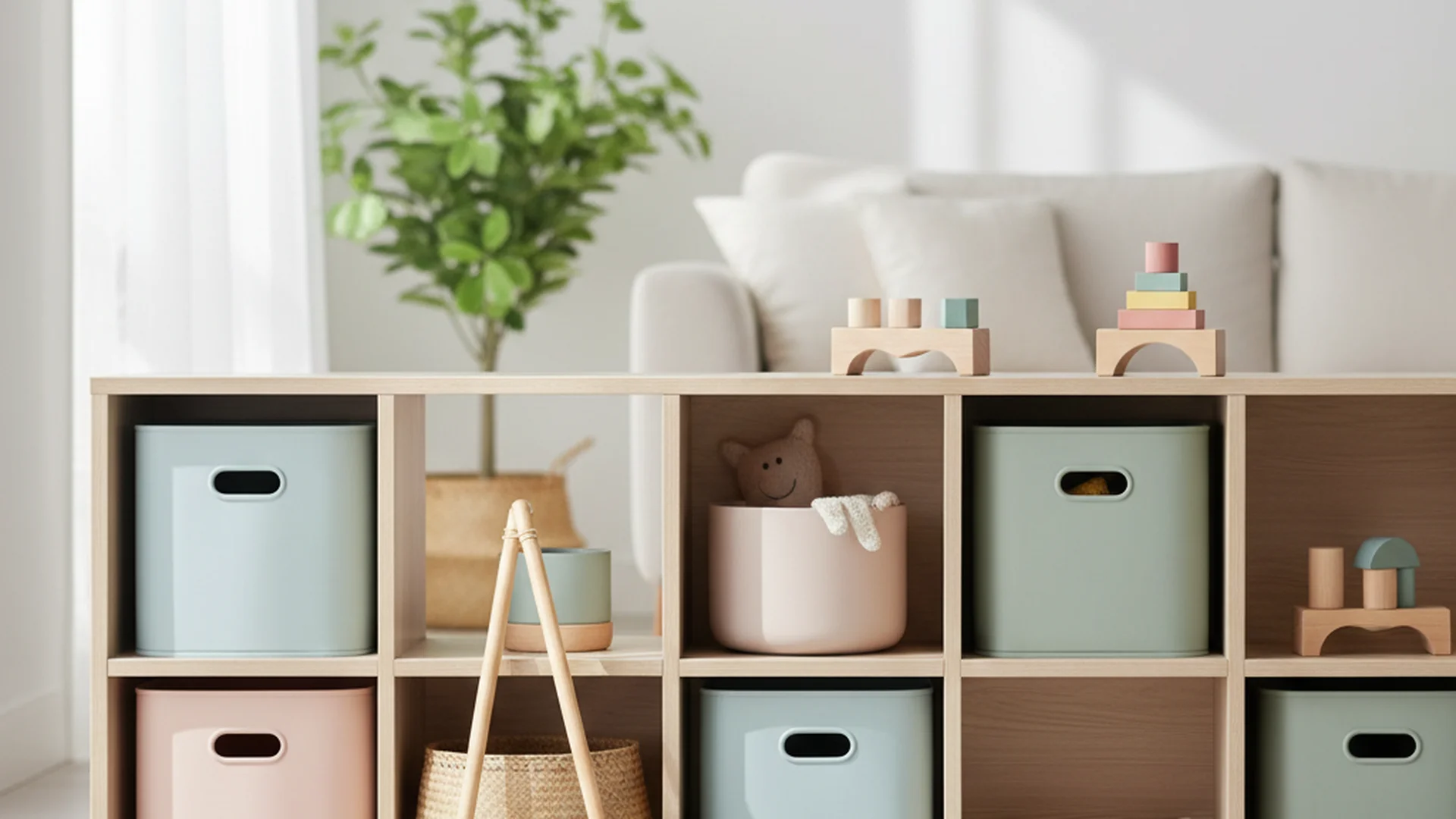
Instead of having every toy accessible at once, implement a rotation. Keep only 25% of toys out in clear bins. Store the remaining 75% in a closet or garage. Every month, swap the bins.
- Reduced Clutter: Less visual noise for you.
- Increased Interest: For the child, "old" toys feel new again.
- Easier Cleanup: With fewer items out, the "Clean-Up 10" takes three minutes instead of thirty.
The "One-In, One-Out" Rule
To prevent "clutter creep," establish a rule that for every new toy or clothing item that enters the house (birthdays, holidays, etc.), one must be donated or recycled. This teaches children the value of curation over accumulation.
Warning: Avoid buying opaque storage bins. If kids can't see what's inside, they will dump the whole bin out just to find one specific toy.
Age-Appropriate Chores: Building a Team
Many parents fall into the mistake of cleaning while the kids play, or waiting until they are asleep. This reinforces the idea that cleaning is a "parent task." In 2025, the trend is toward "Family-Centered Cleaning," where even toddlers have a role.
| Child's Age | Task Examples | Skill Developed |
|---|---|---|
| Ages 2–3 | Putting toys in bins, matching socks | Categorization |
| Ages 4–5 | Setting the table, feeding pets | Responsibility |
| Ages 6–9 | Emptying dishwasher, sweeping floors | Fine motor skills |
| Ages 10+ | Doing their own laundry, simple meal prep | Independence |
Real-World Example: The "Laundry-a-Day" Method
Consider the "Johnson Family System." Instead of a grueling "Laundry Saturday" that leaves the house in disarray for 48 hours, they do one small load every single morning. The 7-year-old is responsible for bringing the hamper down, the parent starts the wash, and by the evening, the whole family spends 10 minutes folding together while listening to a podcast or music. This prevents the "mountain of laundry" that causes so much stress.
Success: Children who participate in chores from a young age develop a greater "locus of control" and feel like more integral members of the family unit.
The Power of the "Daily Reset"
The "Daily Reset" is the practice of "putting the house to bed." This isn't a deep clean; it is a 15-minute sweep of the main living areas after the kids are in bed.
- Clear the Counters: Wipe down the kitchen surfaces.
- The Floor Sweep: Use a cordless vacuum or broom for a quick pass.
- The "Doom Pile" Check: Pick up any items that don't belong in the room and put them in a "transit basket" to be moved the next morning.
- Start the Dishwasher: Never wake up to a sink full of dirty dishes.
Note: Using AI tools like ChatGPT can help you generate a custom "Daily Reset" checklist tailored specifically to your home's layout and your family's schedule.
2025–2026 Trends in Home Organization
As we look toward the future of home management, several key trends are emerging that make it easier to keep house clean with kids.
AI-Driven Organization
Parents are increasingly using AI to manage domestic loads. From asking an AI to "create a 15-minute cleaning schedule for a house with a toddler and a dog" to using smart appliances that notify you when filters need changing, technology is reducing the "mental load" of cleaning.
Sustainable "Natural-core"
There is a massive shift away from plastic bins toward sustainable materials like bamboo, jute, and glass. This trend, known as "Natural-core," is driven by the number of parents who now want to clean without harsh chemicals. Natural materials are not only eco-friendly but also create a more calming, neutral aesthetic that hides the "visual noise" of kids' brightly colored toys.
Tidying for Mental Health
The mindset has shifted from "chores as a burden" to "tidying as self-care." Parents are viewing a clear kitchen counter as essential for their emotional regulation. This perspective shift makes it easier to stay motivated.
Common Mistakes to Avoid
Even with the best intentions, many parents find themselves stuck in a cycle of constant cleaning. Avoid these common pitfalls:
- Buying More Storage Instead of Decluttering: A new bin won't solve a "too much stuff" problem. You must purge before you organize.
- Aiming for Perfection: A "Museum Home" is not realistic. Aim for a "Functional Home" where you can tidy up in under 20 minutes if a guest calls to say they are stopping by.
- Cleaning Alone: If you do it all while they sleep, they never see the effort required to maintain a home. Make it a visible, shared family activity.
- Using Complex Systems: If your labeling system requires a legend to understand, your 5-year-old won't use it. Keep it simple: "Cars go here. Blocks go there."
Warning: Be wary of "all-natural" DIY cleaners that mix vinegar and baking soda. While they fizz impressively, they actually neutralize each other, leaving you with just salty water. Use verified non-toxic commercial brands or follow scientifically backed DIY recipes.
Frequently Asked Questions
How do I get my kids to actually help without a fight?
What is the best way to handle "Sentimental Clutter"?
Is it okay if my house isn't spotless every day?
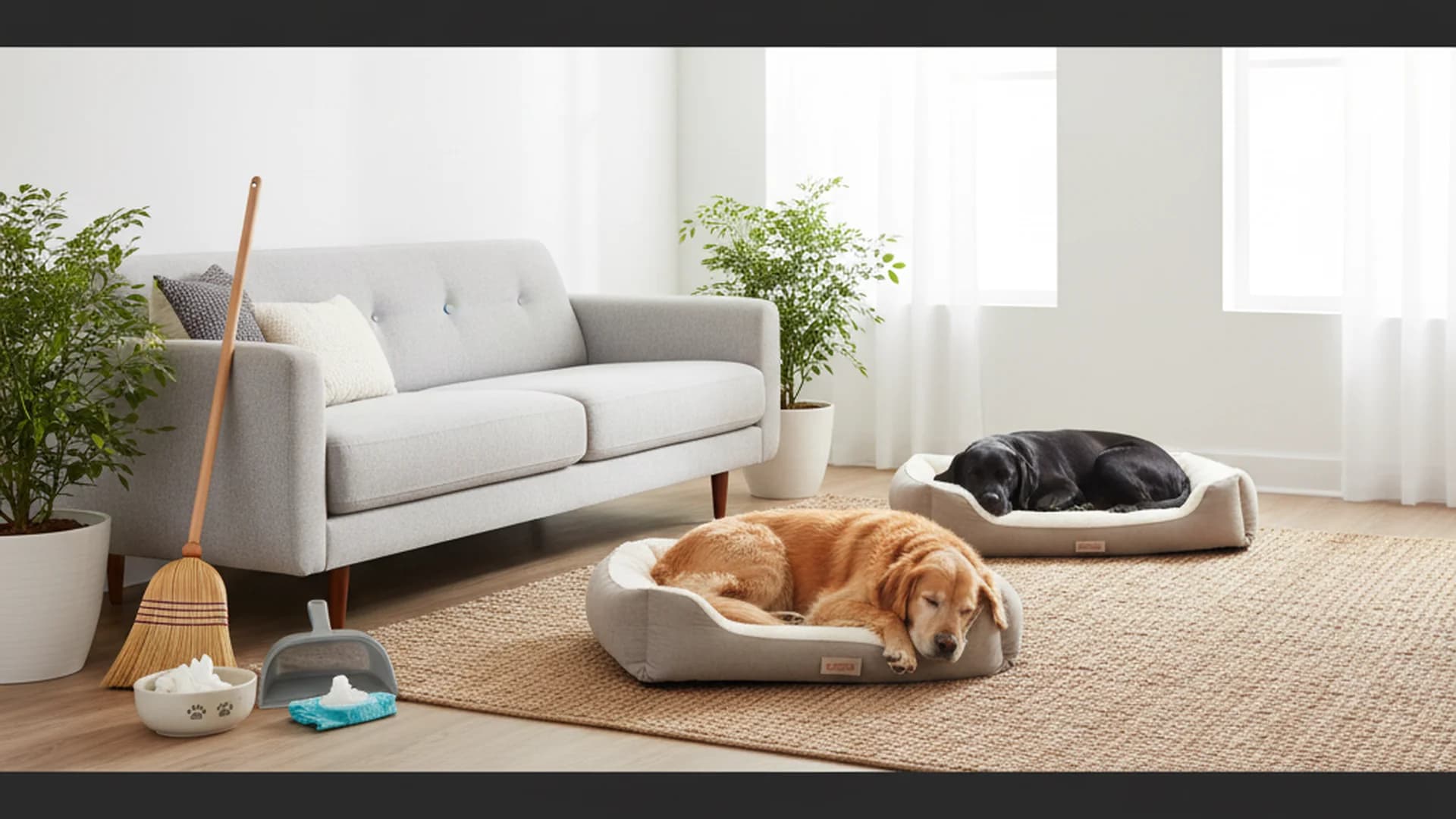
How do I manage pet hair alongside kid messes?
Conclusion
Keeping a house clean with kids is a marathon, not a sprint. By focusing on systems over perfection, implementing a toy rotation, and involving the whole family in age-appropriate chores, you can reclaim your time and your sanity. Remember that the goal is to create a home that supports your family's lifestyle, not a space that requires you to be a full-time janitor.
Embrace the 2025 trends of AI assistance and "natural-core" aesthetics to create a calming environment. Most importantly, give yourself grace. A few crumbs on the floor are a sign of a life well-lived and children who feel comfortable enough to play and grow.
Success: Implementing just two of these strategies—like the "Daily Reset" and "Toy Rotation"—can cut hours off your weekly cleaning time.
Cleaning that keeps score
Every task earns points, every streak multiplies them, and Premium adds a household leaderboard plus a monthly Dustagorgon to beat.
- Free forever
- 30 badges to earn
- Up to 6 in a household
No card needed. Set up your rooms in a couple of minutes.