In this article
What you’ll learn
- Consistency is better than intensity to prevent cleaning burnout.
- Follow the top-to-bottom rule to save time and effort.
- Hybrid cleaning (AI + human) is the most efficient modern approach.
Walking into a spotless home is one of the most underrated feelings in the world. It is about more than just aesthetics; keeping a tidy space is a vital component of mental well-being and physical health. However, in our fast-paced world, many people struggle to figure out exactly how often clean house tasks should be performed. Is vacuuming once a week enough? Should you be scrubbing the shower every day?
As we move into the 2025-2026 era, cleaning habits are shifting toward high-tech automation and "wellness-first" routines. This guide provides a structured breakdown of how often you should clean your house, to help you find a balance that works for your lifestyle.
Understanding the Benchmarks: Cleaning in 2025
Before we dive into the schedules, it helps to understand how the global cleaning landscape looks today. Understanding how others maintain their homes can help you benchmark your own routine and set realistic expectations.
Housework takes up a meaningful slice of the week in most homes — usually a few hours spread across small daily jobs and one longer session. How much time it takes varies a lot from country to country and household to household, so there is no single "normal" to measure yourself against.
There is also a significant psychological component to tidying up. Many people find that a messy home leaves them feeling anxious, and plenty clean specifically as a way to unwind. This has led to the rise of "cleaning as self-care," a trend where the act of tidying is treated as a mindfulness ritual rather than a burdensome chore.
Habits shift between generations too. Younger households tend to tidy their common areas (living rooms and bedrooms) more often than older ones. Frequency alone doesn't tell the whole story, though: it is very common to "hide" clutter so a room looks tidy without actually being cleaned.
The Master Cleaning Schedule: A Tiered Approach
To avoid "cleaning burnout," use a tiered approach. Instead of trying to clean everything at once, break your tasks down into daily, weekly, monthly, and seasonal buckets.
| Frequency | Essential Tasks |
|---|---|
| Daily | Wash dishes, wipe kitchen counters, make the bed, "close" the kitchen, and one load of laundry. |
| Weekly | Vacuum and mop floors, clean bathrooms (toilets, sinks, mirrors), change linens, and dust surfaces. |
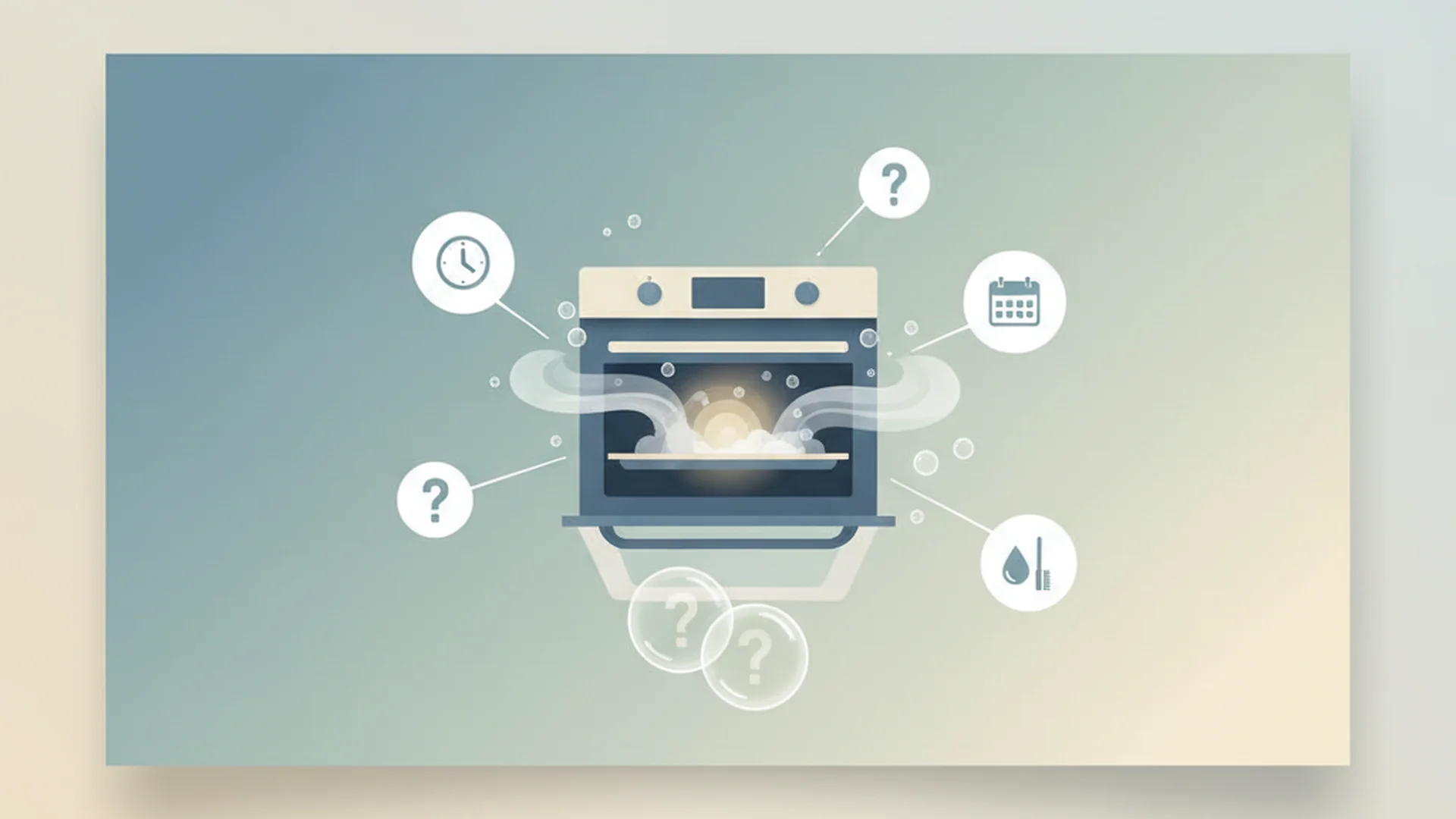
| Monthly | Deep-clean appliances (oven, dishwasher), wipe baseboards, clean window sills, and vacuum upholstery. |
| Seasonally | Wash curtains, deep-clean carpets, organize the pantry/closet, and clean behind large appliances. |
| Annually | Clean gutters, deep-clean the dryer vent (fire safety), and professional mattress cleaning. |
Daily Maintenance: The "Closing Shift"
The concept of the "Closing Shift" has gained massive popularity in 2025. This involves spending 15–20 minutes at night "closing" your home much like a restaurant manager closes a shop. By washing the dishes, wiping down the kitchen counters, and doing a quick five-minute sweep, you ensure that you wake up to a fresh start.
Tip: Focus on "high-traffic" zones for daily cleaning. If you only have ten minutes, prioritize the kitchen counters and the living room floor.
Weekly Deep Cleans
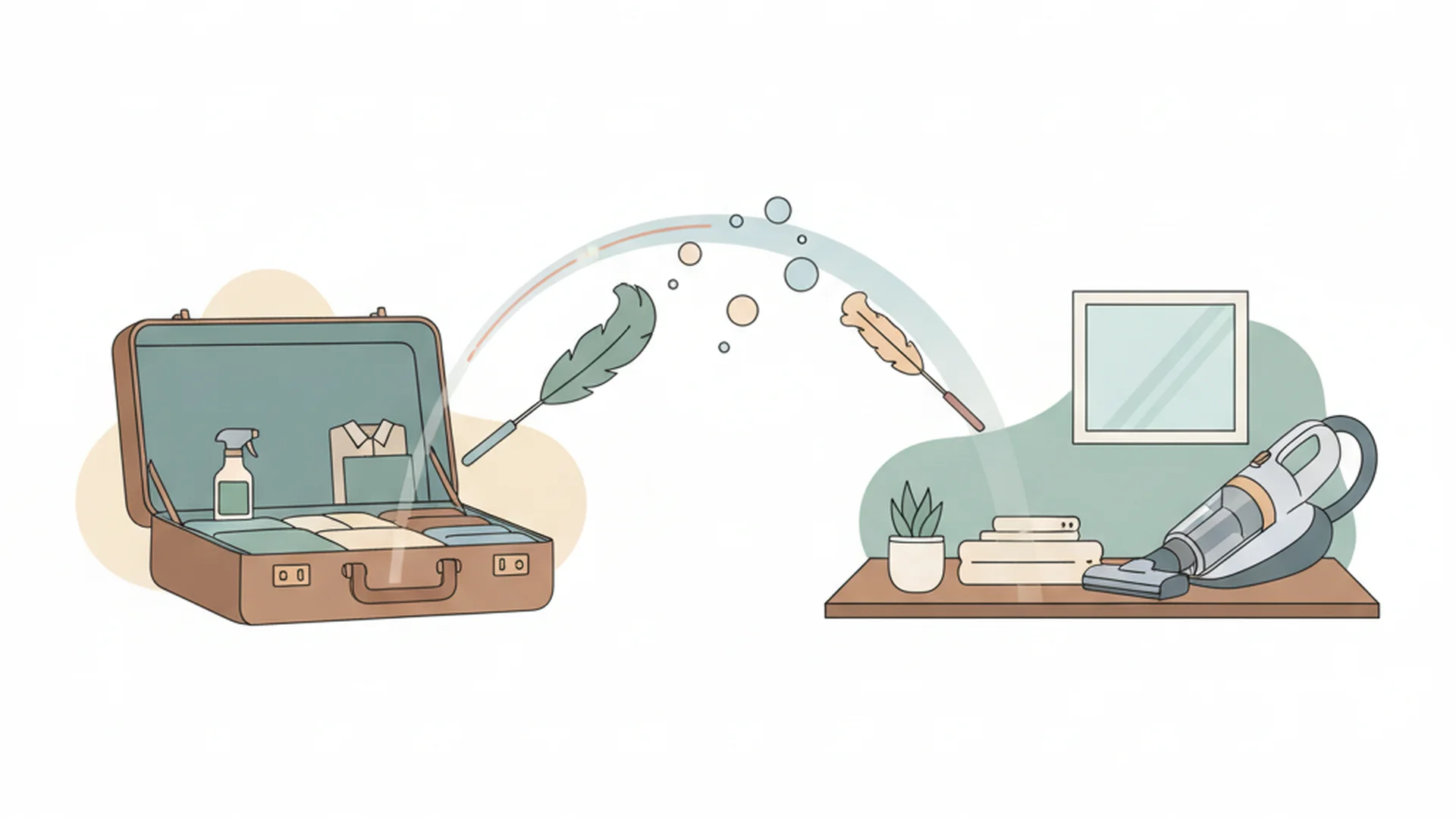
Weekly tasks are designed to handle the dirt that accumulates through regular use. This is when you should focus on sanitizing the bathroom and removing allergens from your floors. In 2025, many households are moving toward "Hybrid Cleaning," where robot vacuums handle the daily maintenance, allowing the weekly human-led session to focus on detail-oriented tasks like scrubbing the grout or dusting picture frames.
Note: If you have pets or children, your weekly vacuuming frequency may need to increase to two or three times per week to manage dander and outdoor debris.
Real-World Example: The "Sunday Reset" Ritual
Consider the case of the "Sunday Reset." This is a popular routine used by busy professionals to prepare for the week ahead.
Example 1: The Busy Professional Take Mark, a software engineer who works from home. Mark uses his robot vacuum daily to keep pet hair at bay. However, every Sunday, he performs a "Reset." He changes his bed linens, cleans the bathroom thoroughly, and does a "fridge audit" where he wipes down shelves and tosses expired food. This 90-minute investment on Sunday saves him hours of stress during the work week.
2025-2026 Trends: The Future of Home Hygiene
The way we clean is being revolutionized by technology and a better understanding of environmental science. If you are looking for how often clean house tips, staying updated on these trends can save you both time and money.
1. Microbiome-Friendly Cleaning
There is a significant move away from "killing 99.9% of bacteria." There is a growing view that constant over-sanitizing is neither necessary nor especially helpful at home. The new trend is probiotic cleaners—solutions that leave healthy bacteria on surfaces to naturally combat pathogens. Instead of a sterile environment, we are aiming for a balanced one.
2. AI and Hybrid Cleaning
Robot vacuums have become a fixture in a great many homes. The 2025 trend is "Hybrid Cleaning," where smart devices are programmed to handle the "ground-level" grime daily. This allows the homeowner to focus on "high-level" cleaning, such as disinfecting light switches, remotes, and door handles.
3. UV-C Sanitization
Portable UV-C light tools are becoming a staple in modern homes. These tools allow for "dry sanitizing" of high-touch electronics like smartphones, remotes, and keyboards without the need for harsh chemicals that can damage screens or internal components.
Success: Using a robot vacuum for daily maintenance can noticeably cut the manual cleaning time you need each week.
Common Mistakes to Avoid
Even if you follow a strict how often clean house guide, your efforts can be wasted if you use the wrong techniques. Here are the most common errors to watch for in 2025.
Cleaning from Bottom to Top
Many people start by vacuuming the floor and then move to dusting the shelves. This is a major mistake. Dust and debris fall as you clean. If you vacuum first and then dust the ceiling fans, you will have to vacuum again. Always clean from top to bottom.
Using Vinegar on Everything
While vinegar is a fantastic eco-friendly tool, it is not a "universal" cleaner. Vinegar is an acid that can dull or etch natural stone (granite, marble) and can eventually damage the protective coating on hardwood floors. Use pH-neutral cleaners for these surfaces instead.
The Dirty Sponge Dilemma
Sponges are the dirtiest items in most homes, often harboring more bacteria than a toilet seat. Replace them every 1–2 weeks, or switch to machine-washable microfiber cloths that can be sanitized in the laundry.
Warning: Never mix bleach with vinegar or ammonia. This creates toxic gases that are extremely dangerous to your health.
Overusing Cleaning Products
More product does not equal better results. Using too much cleaner leaves a sticky residue that actually attracts more dust and dirt. This means your surfaces get dirty faster than they would if you used the recommended amount.
Real-World Example: The Eco-Conscious Family
Example 2: The Green Household The Thompson family decided to move away from chemical-heavy cleaners in 2025. Instead of using bleach-based sprays every day, they switched to a probiotic floor cleaner and steam mops. By using high-heat steam, they effectively kill bacteria on their tile floors without leaving chemical residues that their toddler might touch. They found that by cleaning with steam once a week, their floors stayed "grippy" and clean longer than when they used soapy detergents.
Room-by-Room Breakdown: Germ Hotspots
The kitchen is the room most households clean most often. However, frequency doesn't always equal efficacy.
The Kitchen
Focus on the "triangle" of the sink, stove, and fridge. Deep-clean your dishwasher monthly to prevent mold growth and ensure your dishes are actually being sanitized.
The Bathroom
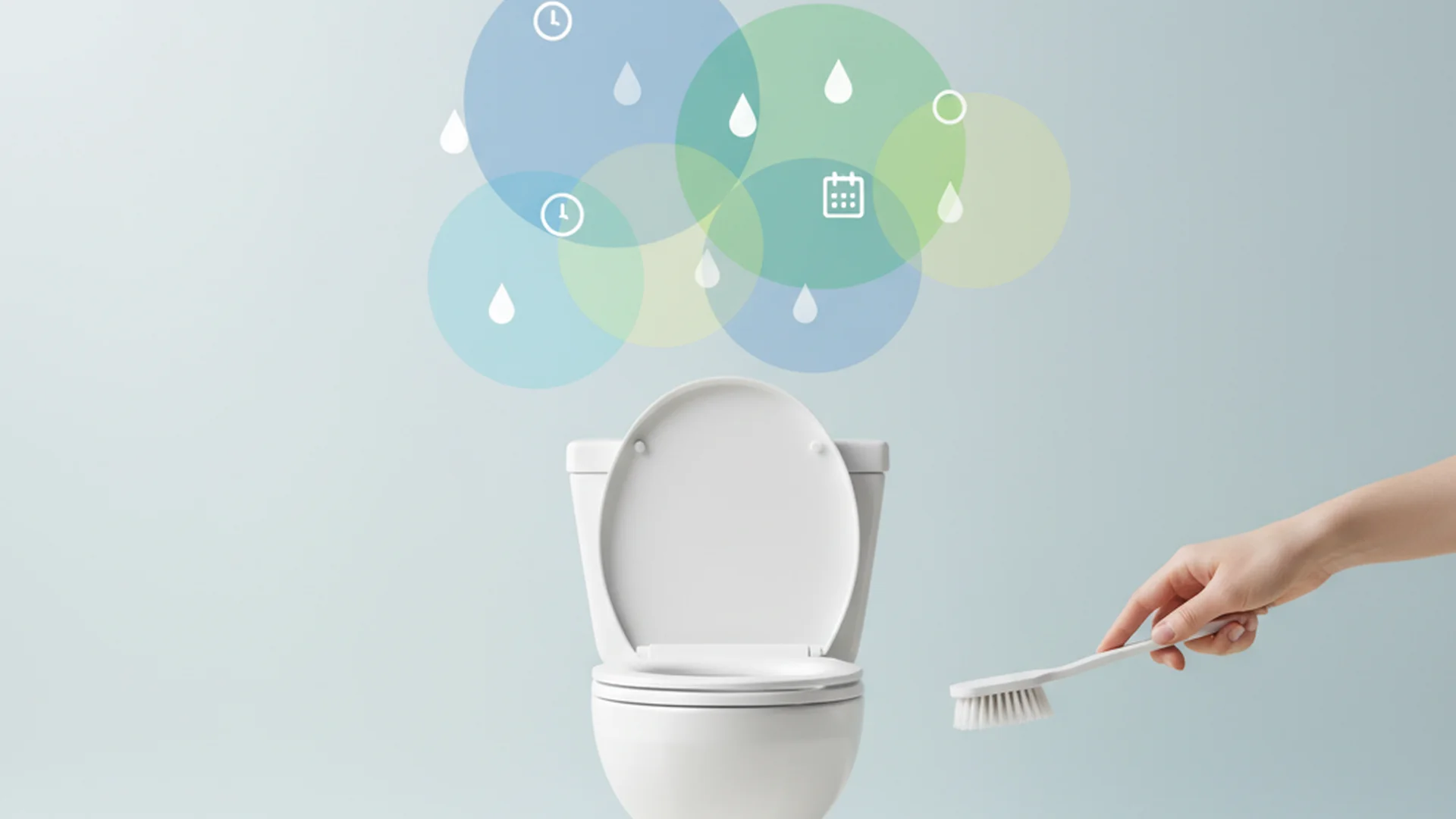
Moisture makes the bathroom a breeding ground for mold. Beyond the weekly scrub, ensure you are using a squeegee on glass doors daily and running the exhaust fan for at least 20 minutes after every shower.
The Bedroom
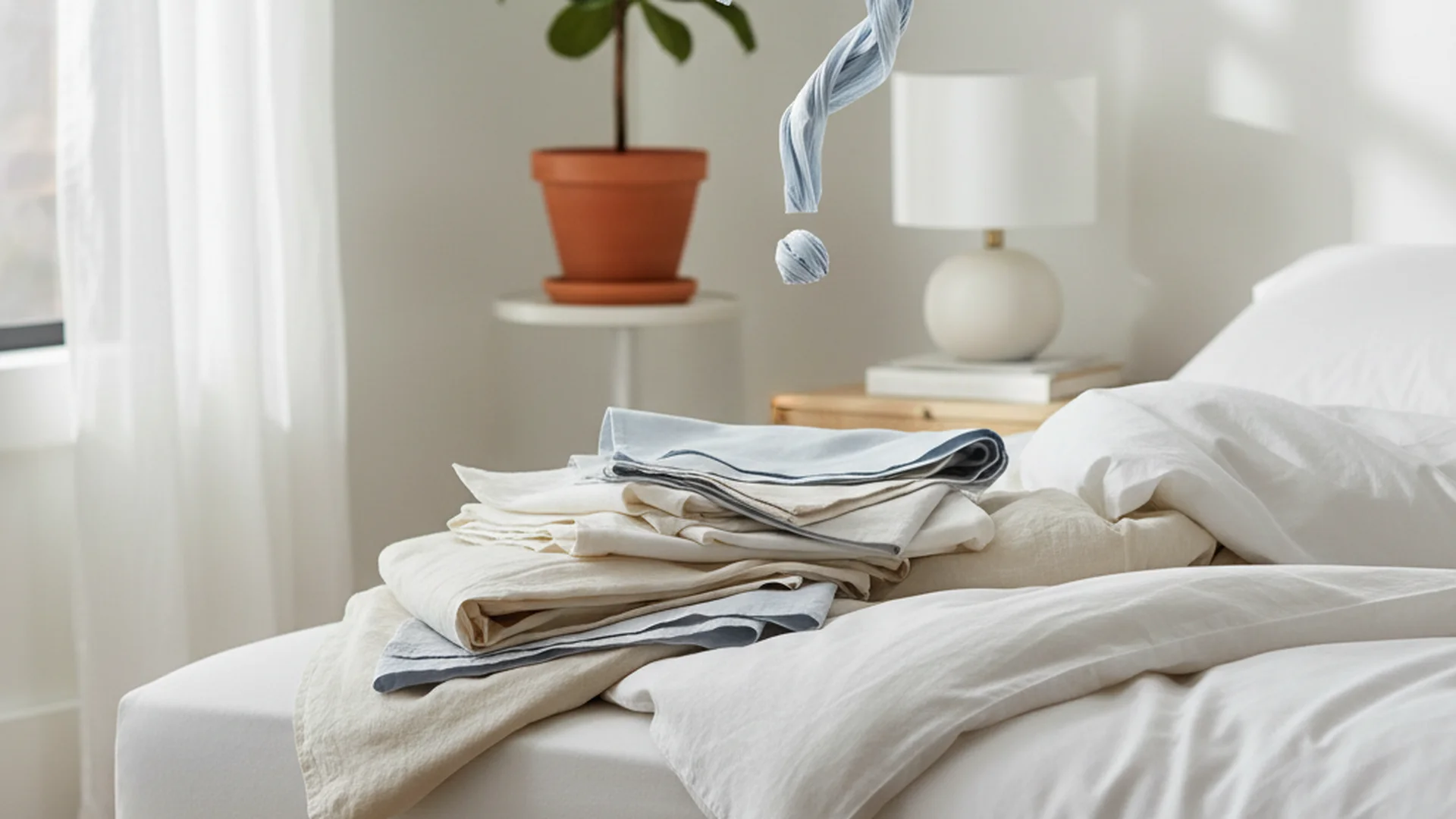
Your bed is a sanctuary, but it’s also a magnet for dead skin cells and dust mites. Beyond washing sheets weekly, you should vacuum your mattress once a season to improve indoor air quality and reduce allergy symptoms.
Example 3: The Ritual Clean Elena, a teacher, found that she was too tired to clean on Fridays. She shifted her "Weekly Deep Clean" to Saturday mornings. She turns on a podcast, opens the windows for air circulation, and spends two hours going through the bathrooms and floors. By making it a "ritual" with audio entertainment, she transformed a chore into a period of personal downtime.
Frequently Asked Questions
How often should I wash my bed sheets?
Do I really need to mop every week?
Is "Spring Cleaning" still necessary if I clean weekly?
How often should I clean my smartphone?
Conclusion: Finding Your Flow
There is no one-size-fits-all answer to how often clean house tasks should be done. Your schedule should depend on your household size, whether you have pets, and your personal tolerance for clutter. The goal isn't to live in a museum; it's to create a healthy, functional environment that supports your lifestyle.
By adopting 2025 trends like hybrid cleaning and microbiome-friendly products, you can maintain a high standard of hygiene without spending your entire weekend with a scrub brush in hand. Remember: start from the top, don't over-use products, and don't forget the power of a 15-minute "closing shift" to keep the chaos at bay.
Success: A consistent, manageable routine is always more effective than a once-a-month "marathon" cleaning session.
Cleaning that keeps score
Every task earns points, every streak multiplies them, and Premium adds a household leaderboard plus a monthly Dustagorgon to beat.
- Free forever
- 30 badges to earn
- Up to 6 in a household
No card needed. Set up your rooms in a couple of minutes.