In this article
What you’ll learn
- Always start with a dry brush to remove loose surface dirt.
- Avoid the washing machine and dryer to prevent structural damage.
- Use material-specific tools like horsehair brushes for delicate fabrics.
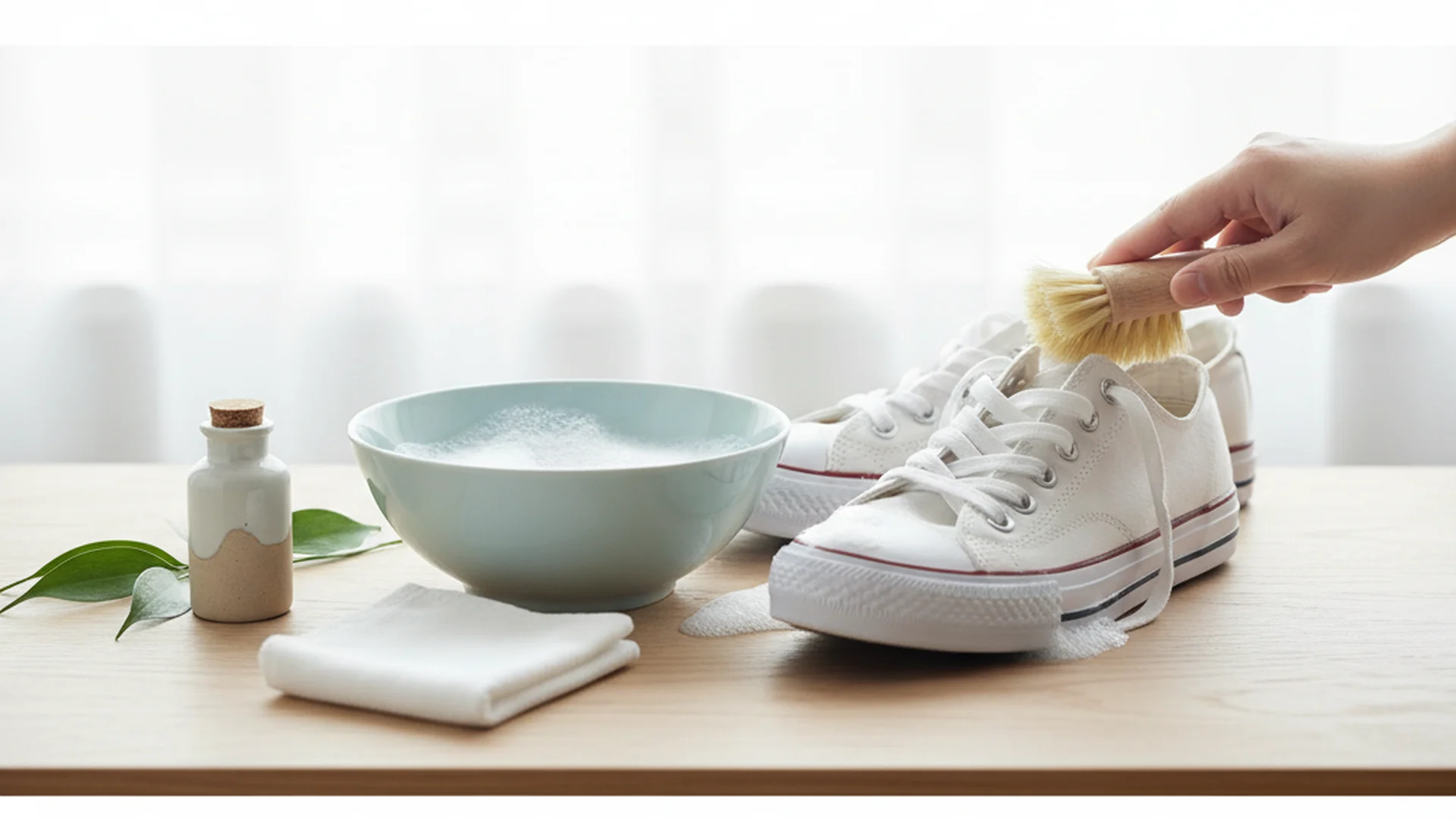
In the modern fashion landscape, footwear is no longer just a functional necessity; it is a high-value investment. Whether you are maintaining a pair of vintage Grails or your daily commuters, learning how to clean sneakers properly is essential for preserving both their aesthetic appeal and their resale value. In this guide, we will break down the expert-approved methods to ensure your rotation stays "factory fresh."
The Golden Rules of Sneaker Maintenance
Before diving into material-specific techniques, every sneakerhead needs to understand the fundamental principles of footwear care. The biggest mistake people make when trying to clean sneakers at home is rushing the process.
The Dry Brush Rule
Never apply a wet solution to a shoe that is covered in loose dust or dried mud. Doing so creates a "muddy slurry" that pushes grime deeper into the fibers of the material, especially in porous fabrics like mesh or knit. Always use a soft-bristle brush to clear the surface first.
The No-Heat Policy
It might be tempting to speed up the drying process by placing your shoes near a radiator or using a hairdryer. However, direct heat is the leading cause of "sole separation." High temperatures melt the adhesives holding the midsole to the upper and can cause leather to shrink or crack.
Warning: Never put your sneakers in a tumble dryer. The centrifugal force can warp the silhouette, while the heat will almost certainly compromise the structural integrity of the glue.
Essential Tools for Your Cleaning Kit
To achieve the best way clean sneakers, you need more than just an old rag and some water. Investing in a dedicated kit significantly extends the life of your shoes.
| Tool | Purpose | Material Compatibility |
|---|---|---|
| Soft Bristle Brush | Agitating delicate uppers | Suede, Knit, Mesh |
| Medium Bristle Brush | General cleaning | Leather, Plastic, Rubber |
| Stiff Bristle Brush | Scrubbing outsoles | Rubber, Foam |
| Microfiber Cloth | Wiping away excess foam | All Materials |
| Suede Eraser | Removing dry scuffs | Suede, Nubuck |
Note: While many people use old toothbrushes, they are often too stiff for premium suede and too small to effectively clean large midsole areas.
Step-by-Step Guide by Material
Different materials require different levels of care. A method that works for a rugged leather boot could permanently ruin a delicate knit runner.
1. How to Clean Leather Sneakers
Leather is the most durable common sneaker material, but it requires conditioning to prevent cracking.
- Example: Imagine you are cleaning a pair of classic white Nike Air Force 1s.
- Process: After dry brushing, apply a specialized cleaning solution to a medium-bristle brush. Scrub in small circular motions to lift dirt from the grain.
- The Finish: Wipe away the lather with a microfiber cloth immediately. Once dry, apply a leather conditioner to keep the hide supple.
2. The Delicate Art of Suede and Nubuck
Suede is notorious for being water-averse. If you saturate suede, you risk "burning" the nap (the fuzzy texture), making it feel flat and crusty.
- Example: You’ve spent a day in a pair of New Balance 990s and they’ve picked up some street dust.
- Process: Use a dry suede brush to lift the nap. For specific stains, use a suede eraser to gently "rub out" the mark. If you must use liquid, ensure it is a specialized suede cleaner and use a "dry foam" method to minimize moisture.
3. Cleaning Mesh and Knit (The "Yeezy" Method)
Mesh and knit shoes are essentially fabric, meaning they act like a sponge for liquids and dirt.
- Example: Your Adidas Ultraboosts have developed a yellowed tint from sweat and outdoor use.
- Process: Use a soft-bristle brush and plenty of cleaning foam. Because the fabric is porous, you may need to repeat the lathering process twice.
- The Stuffing Trick: After cleaning, stuff the shoes with white microfiber towels. This absorbs moisture from the inside out and helps the shoe maintain its shape while drying.
Success: Using the "stuffing method" can reduce drying time by up to 40% and prevents the "shrunken" look common with air-dried knit shoes.
2025–2026 Trends: The Future of Sneaker Care
As we move into 2026, the industry is shifting toward sustainability and high-tech solutions.
Eco-Friendly Innovations
The market has pivoted heavily toward PFAS-free and biodegradable solutions. Brands are now offering "RE:FILL" stations where you can bring your empty cleaning bottles back to the store, reducing plastic waste. If you are looking for the best way clean sneakers while staying eco-conscious, look for water-based formulas that avoid harsh chemicals.
High-Tech Tools
Consumer-grade ultrasonic cleaners are becoming a staple in serious collections. These devices use high-frequency sound waves to create microscopic bubbles that "implode" against the dirt, lifting it from hard-to-reach areas without the need for aggressive scrubbing. Additionally, UV-C sanitizing wands are now widely used at home to kill odor-causing bacteria without using moisture.
Common Mistakes to Avoid
Even seasoned collectors make mistakes. To ensure you clean sneakers at home safely, avoid these common pitfalls:
- Using Household Chemicals: Avoid bleach, dish soap, or toothpaste. Dish soap is designed to strip grease and can be far too harsh for the oils in natural leather. Toothpaste often contains bleaching agents that can leave permanent yellow stains on white canvas.
- Ignoring the Laces: A pristine upper paired with gray, dirty laces will never look truly clean. Always remove your laces and soak them in a solution of warm water and cleaner for at least 20 minutes.
- Cleaning Over Dirt: Never apply a waterproof protector spray to a dirty shoe. This "seals" the grime against the material, making it almost impossible to remove later.
- The "Washing Machine" Trap: While some mesh shoes can survive a cold cycle, the risk of the midsole glue failing is high. If you must use a machine, always use a mesh laundry bag and a "delicates" setting.
Tip: If your white midsoles have turned yellow due to oxidation, a standard cleaner won't work. You will need a "deoxidation" cream containing hydrogen peroxide and a UV light source to restore the original color.
Frequently Asked Questions
Can I put sneakers in the washing machine?
How do I clean suede without ruining it?
Should I clean sneakers before waterproofing them?
How do I remove "yellowing" from midsoles?
How often should I clean my shoes?
Conclusion
Mastering how to clean sneakers is a rewarding skill that saves money and keeps your style sharp. By following the "Dry Brush" rule, using material-specific tools, and avoiding the heat of a dryer, you can extend the lifespan of your footwear by years. As we look toward 2026, the integration of eco-friendly solutions and UV technology makes it easier than ever to maintain a professional-grade rotation at home.
Success: Regularly maintaining your sneakers can increase their resale value by up to 50% compared to neglected pairs.
Cleaning that keeps score
Every task earns points, every streak multiplies them, and Premium adds a household leaderboard plus a monthly Dustagorgon to beat.
- Free forever
- 30 badges to earn
- Up to 6 in a household
No card needed. Set up your rooms in a couple of minutes.