In this article
What you’ll learn
- Hand washing is the safest method to preserve technical coatings and structural integrity.
- Always air-dry backpacks upside down to prevent mold and moisture buildup in seams.
- Regular maintenance dramatically cuts the bacteria your bag carries around.
Did you know that your daily commuter bag could be harboring as many germs as a public restroom floor? Most of us carry our lives in our bags—laptops, gym clothes, snacks, and keys—yet we rarely think about how to clean backpack surfaces until a visible stain or a lingering odor appears. A bag that spends its days on train floors, gym benches and café chairs picks up a remarkable number of germs, easily rivalling the grubbier surfaces in your bathroom.
Whether you are a student, a hiker, or a professional, knowing the best way clean backpack materials is essential for both hygiene and the longevity of your investment. From removing stubborn gym odors to preserving specialized waterproof coatings, this guide will walk you through everything you need to know to clean backpack at home safely and effectively.
Why Backpack Hygiene Matters
We often set our bags on subway floors, gym benches, and coffee shop tables. Gym bags in particular tend to carry a heavy bacterial load, and it is not unusual for one to be harbouring coliform bacteria picked up from a changing-room floor.
Cleaning your backpack isn't just about looks; it's about health. Fortunately, a thorough wash strips away the overwhelming majority of what your bag has collected.
Step 1: Pre-Cleaning Preparation
Before you submerge your bag in water, you must prepare the material. Skipping these steps can lead to permanent stains or damage to the fabric.
Check the Care Label
Most modern backpacks have a care label located inside the main compartment. This is your "source of truth." It will tell you if the bag is machine washable or if it requires hand washing only.
Warning: Never ignore the "Hand Wash Only" instruction on hiking packs or bags with internal frames. Doing so can ruin the ergonomic support and strip away Durable Water Repellent (DWR) coatings.
The "Upside Down" Vacuum Method
Before applying any liquid, empty every pocket. Turn the bag upside down and shake out loose debris.
Tip: Use a vacuum crevice tool to remove "seam-grit" from the corners of pockets. If you wet the bag while it still contains crumbs or dust, you may accidentally create "mud" that stains the fabric further.
| Material Type | Machine Washable? | Best Cleaning Agent |
|---|---|---|
| Nylon/Polyester | Usually Yes | Mild Detergent |
| Canvas | Yes | Mild Soap/Baking Soda |
| Leather/Suede | No | Specialized Leather Cleaner |
| RPET (Recycled) | Yes (Cold Only) | Bio-based Enzyme Cleaner |
Step 2: How to Clean Backpack by Hand
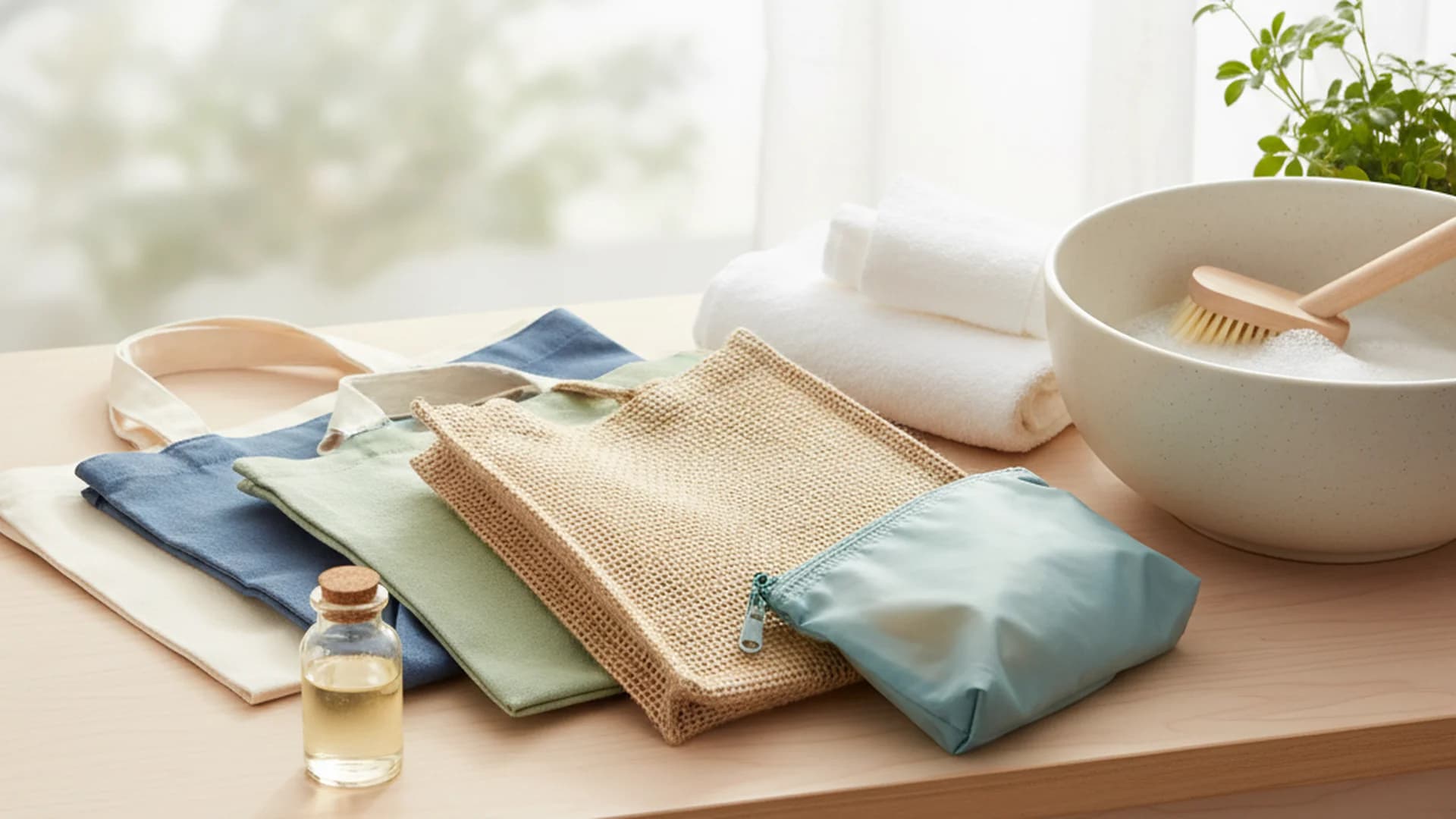
Hand washing is generally considered the best way clean backpack items because it allows for precision and prevents mechanical damage to buckles and zippers.
- Fill a Basin: Use lukewarm water. Avoid hot water, as it can cause colors to bleed or damage synthetic fibers.
- Add Soap: Use a mild, fragrance-free soap like Dr. Bronner’s or a specialized technical cleaner.
- Spot Treat: Focus on the straps and the back panel, as these areas absorb the most sweat. Use a soft brush or cloth.
- Rinse Thoroughly: Ensure no soap residue remains, as dried soap can attract more dirt later.
Note: If you are cleaning a high-end hiking pack, consider using an enzyme-based cleaner to protect the fabric's technical integrity.
Step 3: Machine Washing Guidelines
If your care label allows for machine washing (common for standard school bags and nylon totes), follow the pillowcase technique.
The Pillowcase Technique
Place the backpack inside a large mesh laundry bag or an old pillowcase. This prevents the straps and plastic buckles from getting tangled in the machine’s drum or hitting the sides, which can cause cracking.
Tip: Use a gentle cycle with cold water. For 2025–2026 models made from RPET (recycled plastics), keep the temperature below 30°C (86°F) to prevent microplastic shedding.
Dealing with Odors and Stubborn Stains
Persistent smells are common in bags used for the gym or daily travel. The "stinky bag" syndrome is usually caused by bacteria trapped in the foam of the shoulder straps.
- Baking Soda Miracle: For general odors, place a small bowl of baking soda inside the bag overnight or sprinkle it directly into the compartments before vacuuming.
- Vinegar for Mildew: If you notice a musty smell from moisture, a solution of one part white vinegar to two parts water can help kill mold spores.
- Enzyme Cleaners: Modern "circular cleaning" trends favor bio-based enzyme cleaners. These are excellent for organic stains like food spills or sweat salts.
Drying: The "Upside Down" Rule
How you dry your bag is just as important as how you wash it.
Warning: Never put a backpack in a dryer. High heat can melt synthetic fibers, ruin waterproof laminates, and warp the bag’s shape.
The professional recommendation is to hang the bag upside down to air-dry. This prevents water from pooling in the bottom of the pockets, which is the leading cause of mold growth post-wash. Avoid direct sunlight for long periods, as UV rays can fade colors and make plastic components brittle over time.
Material-Specific Maintenance Trends (2025-2026)
As we move into 2026, the materials used in backpacks are becoming more advanced.
- Sustainable Materials (RPET): Many bags are now made from recycled ocean plastics. These require "cold-wash" cycles to maintain their structural bonds.
- Antimicrobial Fabrics: Brands like Targus and Bellroy are introducing silver-ion infused linings. These bags require less frequent deep cleaning but should still be wiped down monthly.
- Leather and Suede: These are porous and "spongy," making them hotspots for bacteria. Never submerge leather; instead, use a damp cloth and a pH-balanced leather cleaner.
Common Mistakes to Avoid
- The Bleach Blunder: Never use bleach. It weakens nylon fibers and destroys waterproof coatings.
- Ignoring the Frame: Always remove internal metal frames before washing to prevent rust and fabric tearing.
- The "Clean is Enough" Myth: Just because a bag looks clean doesn't mean it is. Invisible sweat salts in the straps can degrade foam padding over time. Regular rinsing is key.
- Scrubbing Zippers: Aggressive scrubbing can damage zipper teeth. Use a soft toothbrush and apply a silicone-based lubricant afterward.
Frequently Asked Questions
Can I put my backpack in the washing machine?
How do I get rid of a persistent smell?
How often should I clean my backpack?
Can I use a dryer to speed things up?
Conclusion
Keeping your backpack clean is a vital part of home organization and personal hygiene. By following the "Upside Down" rule for drying and the pillowcase technique for washing, you can ensure your bag stays germ-free and durable for years to come. Remember that as sustainable and antimicrobial fabrics become the standard in 2026, checking your specific material requirements is more important than ever.
Success: Regularly cleaning your backpack not only extends its life but also protects you from the thousands of invisible germs collected during your daily adventures.
Cleaning that keeps score
Every task earns points, every streak multiplies them, and Premium adds a household leaderboard plus a monthly Dustagorgon to beat.
- Free forever
- 30 badges to earn
- Up to 6 in a household
No card needed. Set up your rooms in a couple of minutes.