In this article
What you’ll learn
- Always start with the gentlest method (soap and water) before moving to chemical cleaners.
- The baking soda and aluminum foil method is an effective electrolytic process for solid sterling silver.
- Proper storage in anti-tarnish bags is the best way to prevent future oxidation.
If you have noticed your favorite jewelry or family heirlooms looking a bit dull lately, you aren’t alone. As we move through 2025 and into 2026, silver has reached a record-breaking market value, surpassing $80 per ounce. This economic surge has sparked a massive trend in "cleaning to sell" and restoring vintage pieces. Learning how to clean silver properly is no longer just about aesthetics; it is about protecting a high-value asset. Whether you are prepping a tea set for resale or trying to find the best way to clean silver jewelry for daily wear, using the right technique is essential to avoid permanent damage.
Understanding the Science of Tarnish
Before you grab your cleaning supplies, it is helpful to understand what you are actually fighting. That dark, dull film on your silver isn't just dirt—it is silver sulfide. This chemical reaction occurs when silver is exposed to sulfur compounds in the air.
Most items you own are likely "Sterling Silver," marked with a "925" stamp. This means the item is 92.5% pure silver and 7.5% other metals, usually copper. While the copper adds necessary strength, it also makes the item more susceptible to tarnishing. In today's environment, higher humidity levels and urban pollutants can accelerate this process, making it necessary to clean silver at home more frequently than in previous decades.
Method 1: The Gentle Routine (Soap and Water)
Experts, including the archivists at Tiffany & Co., always recommend the "Gentle First" rule. This is the safest way to maintain your silver without risking the removal of the metal itself.
When to Use This Method
This should be your go-to for daily-wear jewelry, lightly used flatware, or silver-plated items that have only a hint of dullness.
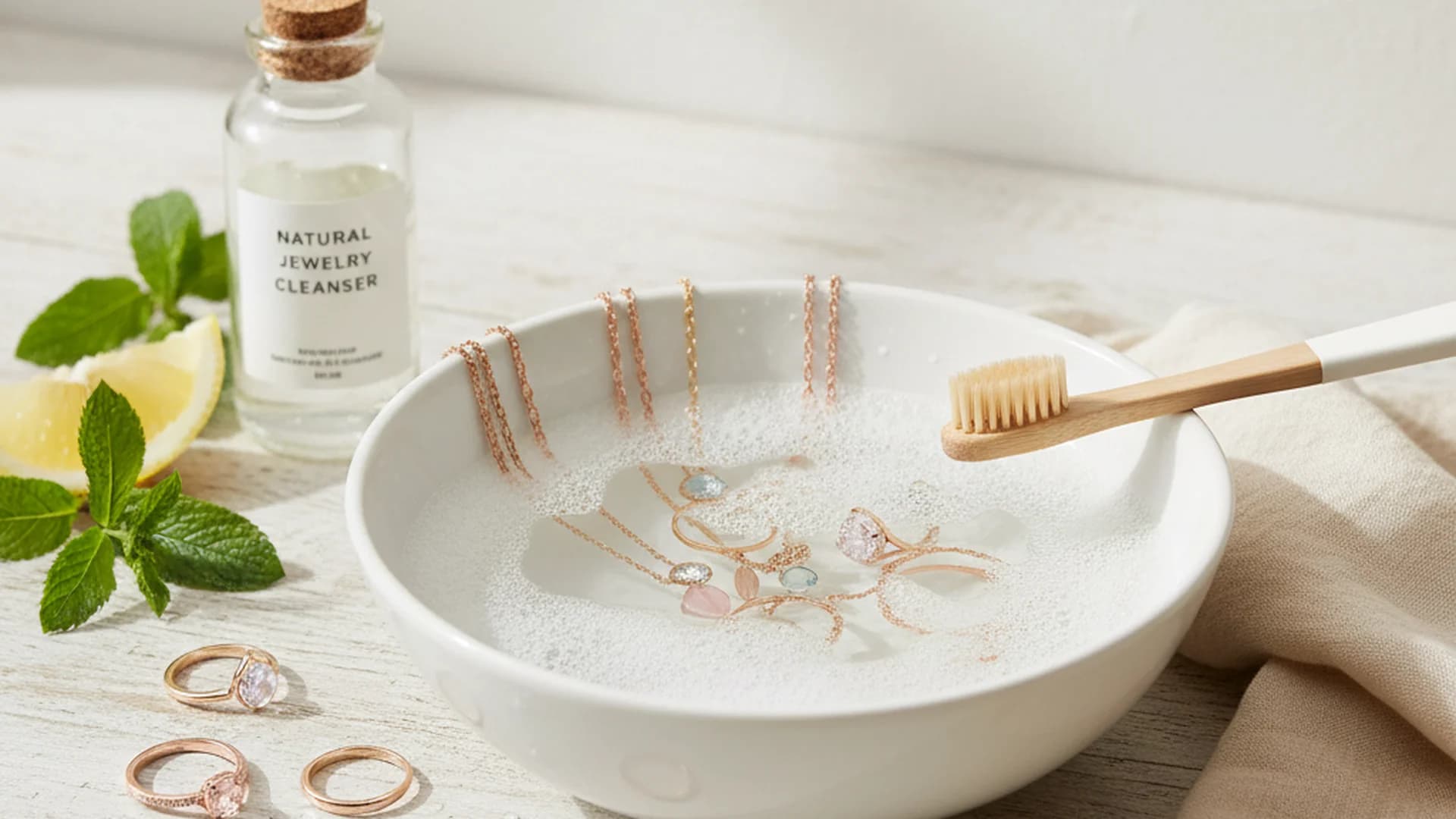
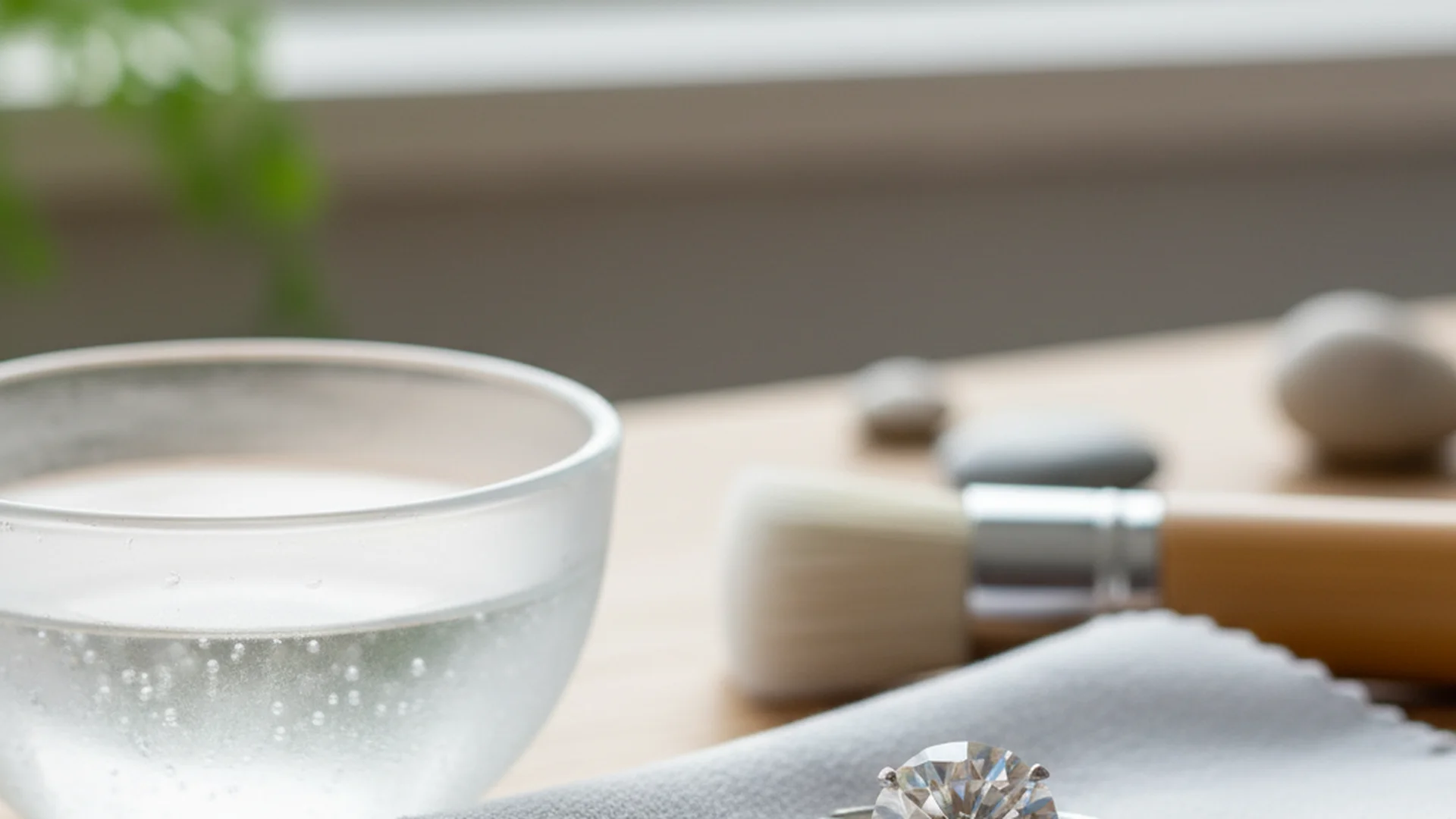
- Prepare the solution: Mix a few drops of phosphate-free, mild dish soap with warm water.
- Wash gently: Use a soft sponge or a high-quality microfiber cloth to wipe the surface.
- Rinse: Run the item under lukewarm water to remove all soap residue.
- Dry immediately: This is the most important step. Use a 100% cotton cloth to buff the silver dry. Leaving it to air dry can cause water spots.
Tip: Always use a fresh microfiber cloth. Paper towels and tissues contain tiny wood fibers that can leave micro-scratches on highly polished silver surfaces.
Method 2: The Aluminum Foil and Baking Soda Hack
This is often cited as the best way to clean silver when dealing with heavy tarnish on solid sterling pieces. It uses a scientific process called "electrolytic action" to transfer the tarnish from the silver onto the aluminum foil.
Step-by-Step Process
- Line a glass dish: Cover the bottom of a heat-resistant glass container with aluminum foil (shiny side up).
- Add the catalyst: Pour in boiling water and add one tablespoon of baking soda for every cup of water. It will bubble and hiss.
- Submerge the silver: Place your silver items in the dish, ensuring they are touching the aluminum foil.
- Wait for the magic: In 2–5 minutes, you will see the tarnish disappear from the silver and appear as a yellowish stain on the foil.
- Rinse and buff: Remove the items with tongs, rinse thoroughly, and buff with a soft cloth.
Warning: Do not use this method for antique silver that has a "patina" (intentional darkness in the grooves of a design). This method will strip all darkness away, potentially lowering the value of the antique.
Method 3: The Eco-Friendly DIY Paste
As "Green Cleaning" continues to dominate home care trends in 2025, many homeowners are opting for biodegradable alternatives to harsh chemical dips.
Cornstarch or Flour Paste
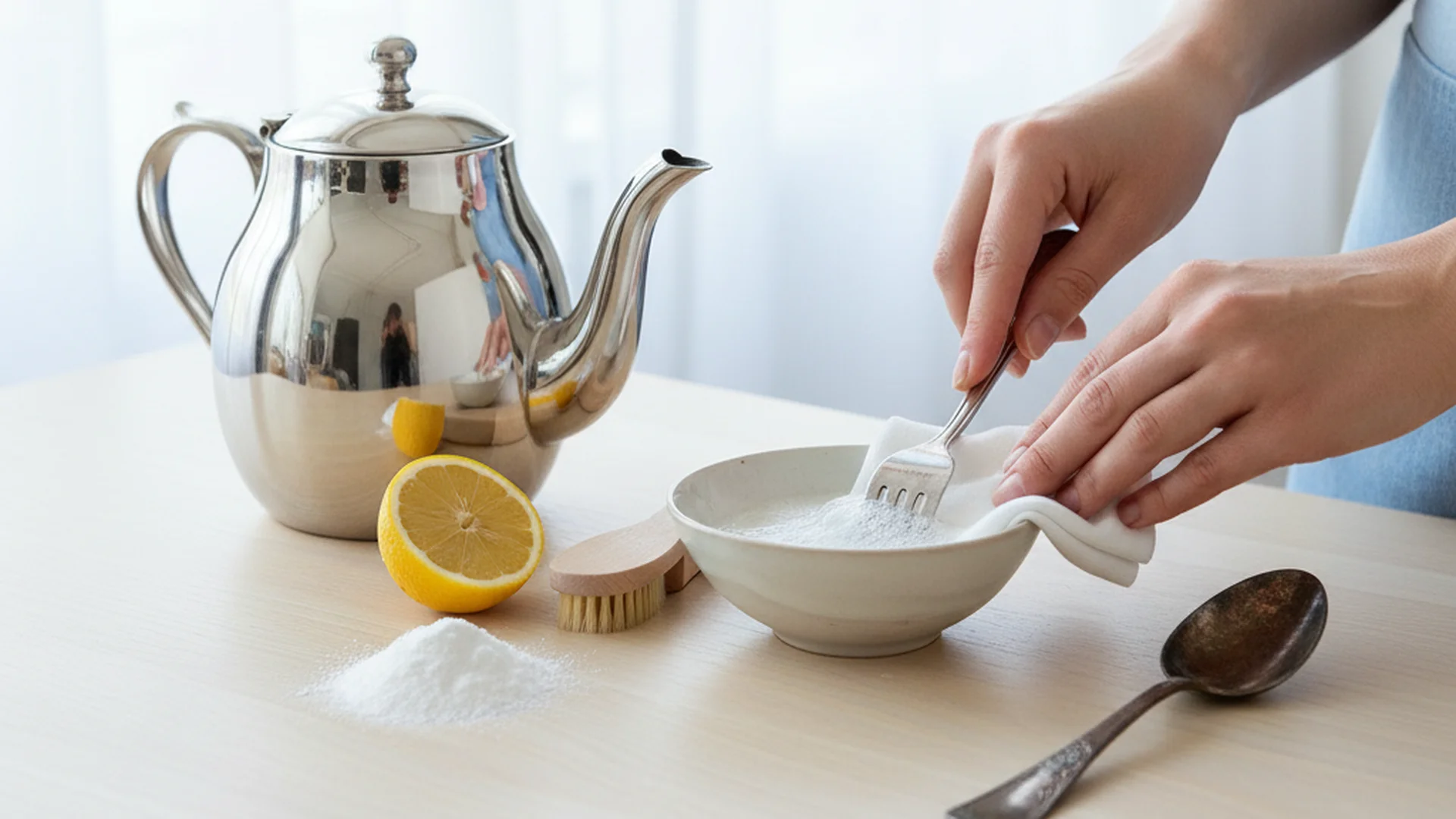
If your silver is heavily tarnished but you don't want to use the foil method, a cornstarch paste is a fantastic alternative. Mix three parts cornstarch with one part water to create a thick paste. Apply it to the silver and let it dry completely. Once dry, rub it off with a soft cloth. The mildly abrasive nature of the dried starch lifts the tarnish without scratching the underlying metal.
Note: Vinegar and lemon juice are also popular, but use them with caution. Their acidic nature can be too harsh for silver-plated items, potentially "eating through" the thin silver layer to the base metal underneath.
Comparing Cleaning Methods
| Method | Best For | Pros | Cons |
|---|---|---|---|
| Soap & Water | Daily Maintenance | Safest, non-abrasive | Won't remove heavy tarnish |
| Foil & Soda | Heavy Tarnish | Fast, hands-off | Can damage plated items |
| Silver Polish | Antiques & Valuables | Leaves protective coating | Can be expensive |
| Cornstarch Paste | Eco-friendly cleaning | Biodegradable, gentle | Messy to clean up |
Common Mistakes to Avoid
Even well-intentioned cleaning can ruin precious silver. Avoid these common pitfalls to keep your collection in mint condition:
- The Toothpaste Trap: While older generations used toothpaste, modern versions often contain silica or whitening agents that are far too abrasive for silver.
- The Dishwasher Disaster: Never put silver in the dishwasher. The intense heat and harsh detergents (especially citrus-scented ones) can cause permanent "clouding" and may even cause the cement in knife handles to fail.
- Bleach Exposure: Chlorine is the enemy of silver. If you wear silver rings while cleaning with bleach or swimming in a pool, the metal can turn black or become pitted.
- Over-Polishing: Every time you polish silver, you are removing a microscopic layer of the metal. For the sake of longevity, only polish when absolutely necessary.
Warning: Never use rubber bands to bundle silver spoons or forks. Rubber contains sulfur, which causes deep, black corrosion marks that are nearly impossible to remove without professional grinding.
Storage Secrets: How to Stop Tarnish Before It Starts
Prevention is the most effective way to clean silver at home. If you can keep sulfur away from the metal, it will stay bright for years.
- Anti-Tarnish Bags: Store your silver in flannel bags treated with silver particles. These particles "catch" the sulfur in the air before it reaches your jewelry.
- Silica Gel Packets: Toss those little packets that come in shoeboxes into your silver chest. They absorb humidity, which is a major catalyst for tarnish.
- Avoid Plastic Wrap: A common myth suggests wrapping silver in plastic wrap. In reality, many plastics contain sulfur or trap moisture, leading to unsightly "clouding."
- Wear It Often: Interestingly, the natural oils in your skin help prevent tarnish. The more often you wear your silver jewelry, the slower it will tarnish.
Frequently Asked Questions
Is the aluminum foil and baking soda trick safe for all silver?
Can I use vinegar to clean my silver?
Why does my silver turn black so quickly in my house?
Should I clean my silver coins before selling them?
Conclusion
With silver prices at historic highs, taking the time to learn how to clean silver is an investment in your own net worth. By starting with the gentlest methods, avoiding abrasive household products like toothpaste, and storing your items in moisture-controlled environments, you can ensure your silver remains a brilliant centerpiece of your home for generations to come.
Success: By following these professional guidelines, you’ve not only restored the shine to your silver but also protected its structural integrity and market value.
Cleaning that keeps score
Every task earns points, every streak multiplies them, and Premium adds a household leaderboard plus a monthly Dustagorgon to beat.
- Free forever
- 30 badges to earn
- Up to 6 in a household
No card needed. Set up your rooms in a couple of minutes.