In this article
What you’ll learn
- Follow the "Rule of Three" (Clean, Condition, Protect) for maximum longevity.
- Never use a washing machine or direct heat to dry leather footwear.
- Cedar shoe trees are essential for moisture control and shape retention.
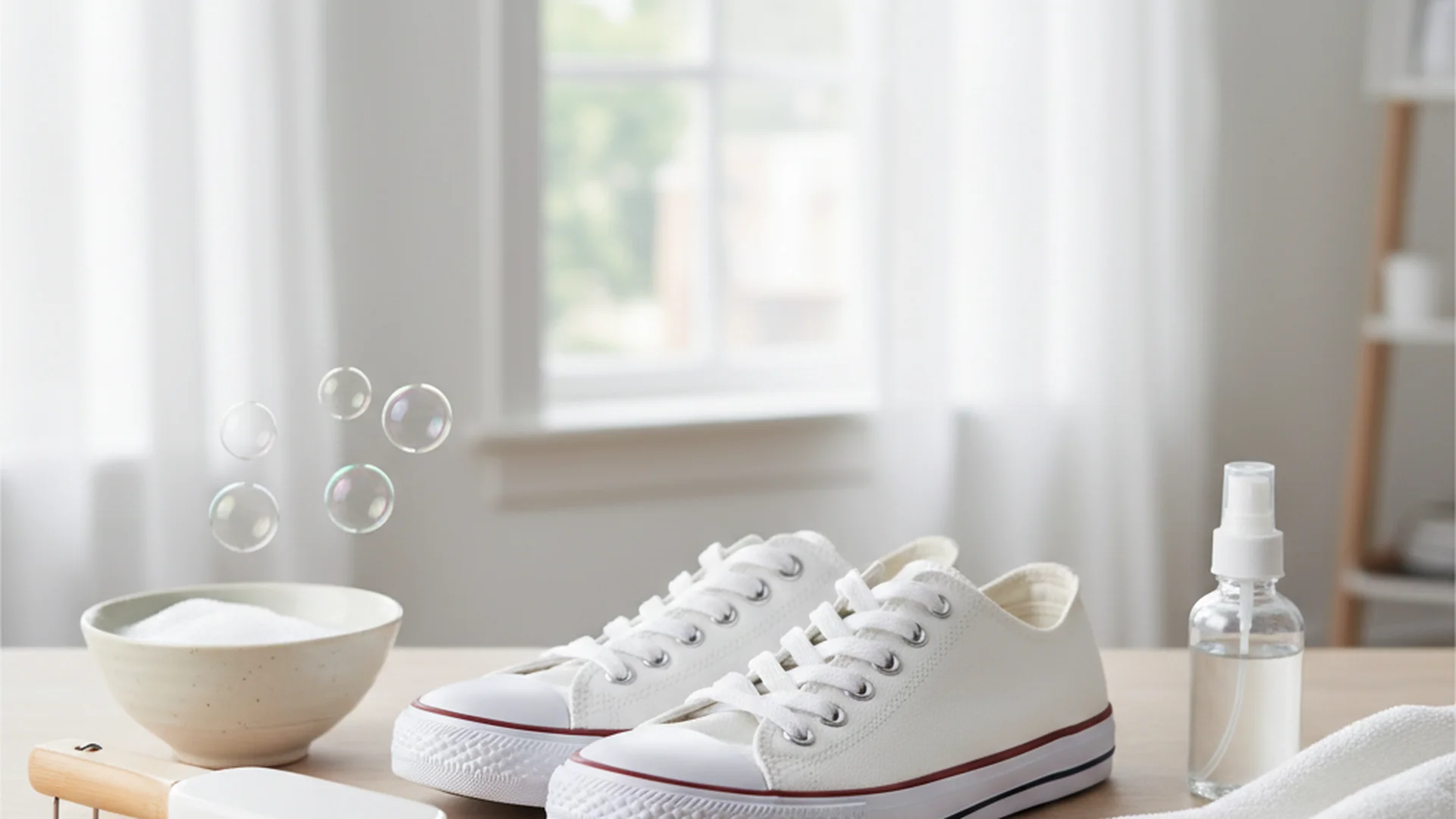
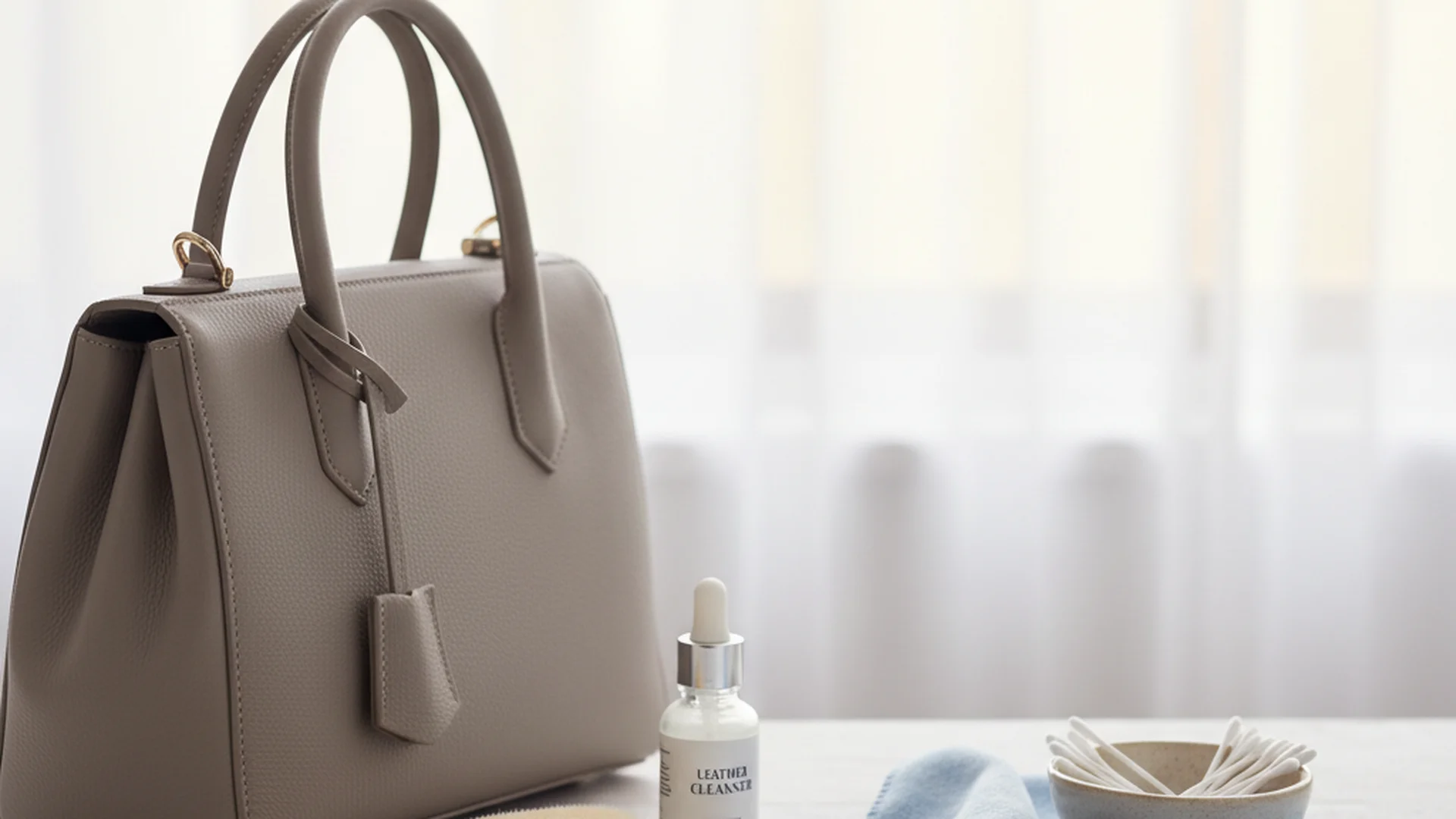
High-quality footwear is more than just a fashion statement; in 2025, it is increasingly viewed as a long-term financial investment. However, knowing how to clean leather shoes correctly is the difference between a pair that lasts two years and a pair that lasts twenty.
If you neglect your leather, you aren't just letting them get dirty—you are actively shortening their life. Research from the Leather Research Institute of Europe (LRIE) shows that poor maintenance can reduce the lifespan of luxury footwear by up to 48%. This guide provides the most up-to-date, expert-backed methods to clean leather shoes at home, ensuring your investment remains in pristine condition.
Why Leather Care Matters in 2025
The shift toward sustainability has brought leather care back into the spotlight. Leather is a skin; it has pores, it breathes, and it requires hydration. In 2025, we are seeing a massive trend toward vegetable-tanned leathers and eco-friendly footwear. These materials are beautiful but sensitive to harsh chemicals.
By learning the best way clean leather shoes, you are participating in a circular economy. Professional restoration services are booming, but 90% of the work can be done in your living room with the right tools and a little patience.
The Essential Toolkit
Before you begin, you need the right supplies. Using the wrong products—like household glass cleaners or dish soap—can strip the natural oils from the leather, leading to irreparable cracks.
| Tool | Purpose | Importance |
|---|---|---|
| Horsehair Brush | Removing surface dust/dirt | Essential |
| Cedar Shoe Trees | Maintaining shape & absorbing moisture | Non-negotiable |
| Saddle Soap | Deep cleaning and removing grime | High |
| Leather Conditioner | Restoring oils and flexibility | Critical |
| Cotton Chamois | Buffing and applying polish | High |
| Distilled Vinegar | Removing salt stains | Situational |
Note: Always use a horsehair brush rather than synthetic bristles. Synthetic fibers can be too abrasive and create micro-scratches on the delicate finish of high-end calfskin.
Step-by-Step: The "Rule of Three"
To achieve a professional-grade finish, experts recommend the "Rule of Three": Clean, Condition, and Protect. This systematic approach ensures the leather is hygienic, hydrated, and shielded from the elements.
Step 1: Deep Cleaning the Surface
The first step in how to clean leather shoes is removing the laces. This allows you to reach the tongue and the eyelets where dirt often hides.
Use your horsehair brush to vigorously remove loose dust. Once the surface is clear, apply a small amount of saddle soap to a damp (not soaking) cloth. Create a light lather and rub in circular motions.
Warning: Never drench your leather shoes in water. Excessive moisture can cause the leather to swell and warp, and it may even dissolve the internal glues holding the sole together.
Real-World Example: The Monday Morning Revival Imagine you wore your favorite loafers to an outdoor wedding over the weekend. They are covered in dried mud and grass dust. Instead of just wiping them with a damp paper towel, you remove the laces, brush away the dried crust, and use saddle soap to pull the organic matter out of the leather's pores. This prevents the mud from "baking" into the grain.
Step 2: Conditioning and Hydration
After cleaning, the leather may feel slightly stiff or "crusty." This is because soaps can strip away natural oils. Conditioning is the most skipped step, yet it is the most vital for preventing cracks.
Apply a leather-specific conditioner (look for high-quality options like Saphir Renovateur) using a cotton chamois. Let the conditioner sit for at least 15 minutes to be fully absorbed by the pores.
Tip: If your shoes are made of vegetable-tanned leather, choose a conditioner specifically labeled for it. Some standard conditioners can significantly darken the natural patina of veg-tanned hides.
Step 3: Protecting and Polishing
The final step is to seal in the moisture and provide a barrier against rain and dirt. You have two main choices here:
- Cream Polish: Best for restoring color and adding a soft glow.
- Wax Polish: Best for a high-shine "spit-shine" finish and superior waterproofing.
Apply a thin layer of polish, let it dry for 5-10 minutes, and then buff it out with a clean section of your horsehair brush or a buffing cloth.
Success: A well-polished shoe doesn't just look good; the wax layer acts as a sacrificial barrier. Scuffs will hit the wax instead of the leather grain.
2025 Trends: Smart Care and Eco-Innovation
The way we clean leather shoes at home is evolving with technology. In 2025, several new trends have emerged:
- Smart Insole Monitoring: New app-connected insoles can now track the "flex cycles" of your shoes. They alert you via smartphone when the leather is likely becoming too dry based on usage and local humidity levels.
- Plant-Based Cleaners: There is a move away from petroleum-based polishes. Leading brands have released biodegradable kits using carnauba wax and organic oils, which are safer for both the user and the environment.
- The Welt Focus: Enthusiasts are now paying more attention to the "welt"—the area where the upper meets the sole. Using a small "welt brush" to clean this gap prevents the stitching from rotting, a common cause of sole detachment.
Common Mistakes to Avoid
Even with the best intentions, it is easy to ruin leather if you follow outdated advice.
- Using Heat to Dry: If your shoes get soaked in a rainstorm, your first instinct might be to put them by a radiator or use a hairdryer. Stop. Heat "bakes" the leather fibers, making them brittle. Always air-dry at room temperature.
- The Washing Machine Myth: No matter what you see on social media, leather shoes should never go in the washing machine. The agitation and heat will destroy the structure and the finish.
- Household Chemicals: Dish soap, Windex, and bleach have high pH levels that are "toxic" to leather. They will cause the leather to peel and discolor.
- Over-Polishing: Do not apply thick layers of wax every day. This creates a "suffocating" buildup. Every few months, use saddle soap to strip old wax and start fresh.
Real-World Example: The Winter Salt Rescue In colder climates, road salt is the enemy of leather. Salt creates white, crusty lines that can permanently "burn" the hide. To fix this, mix a 1:1 solution of water and white distilled vinegar. Dab it onto the salt stains; the acidity of the vinegar neutralizes the alkaline salt. Follow up immediately with conditioner to restore the pH balance.
Frequently Asked Questions
How often should I clean my leather shoes?
Can I use olive oil to condition leather?
How do I stop my leather shoes from creasing?
What is the best way to remove a scuff mark?
Real-World Example: The "Unyellowing" Trend If you have leather sneakers with white soles that have turned yellow, 2025 has seen a boom in "unyellowing" creams. These use a mild peroxide base and UV light to restore the white color without damaging the leather uppers.
Conclusion
Maintaining your footwear is a hallmark of a well-prepared professional. By understanding how to clean leather shoes at home using the "Rule of Three" and avoiding the pitfalls of heat and harsh chemicals, you can double or even triple the life of your favorite pairs. Remember that leather is a natural material that rewards consistent, gentle care.
Success: Following this routine ensures your shoes look as good in year five as they did on day one, saving you money and keeping your style sharp.
Cleaning that keeps score
Every task earns points, every streak multiplies them, and Premium adds a household leaderboard plus a monthly Dustagorgon to beat.
- Free forever
- 30 badges to earn
- Up to 6 in a household
No card needed. Set up your rooms in a couple of minutes.