In this article
What you’ll learn
- Reusable bottles build up a startling amount of bacteria if they are not cleaned properly.
- Always disassemble lids and remove silicone gaskets to prevent hidden mold.
- Vinegar and baking soda are the best natural tools for removing persistent odors.
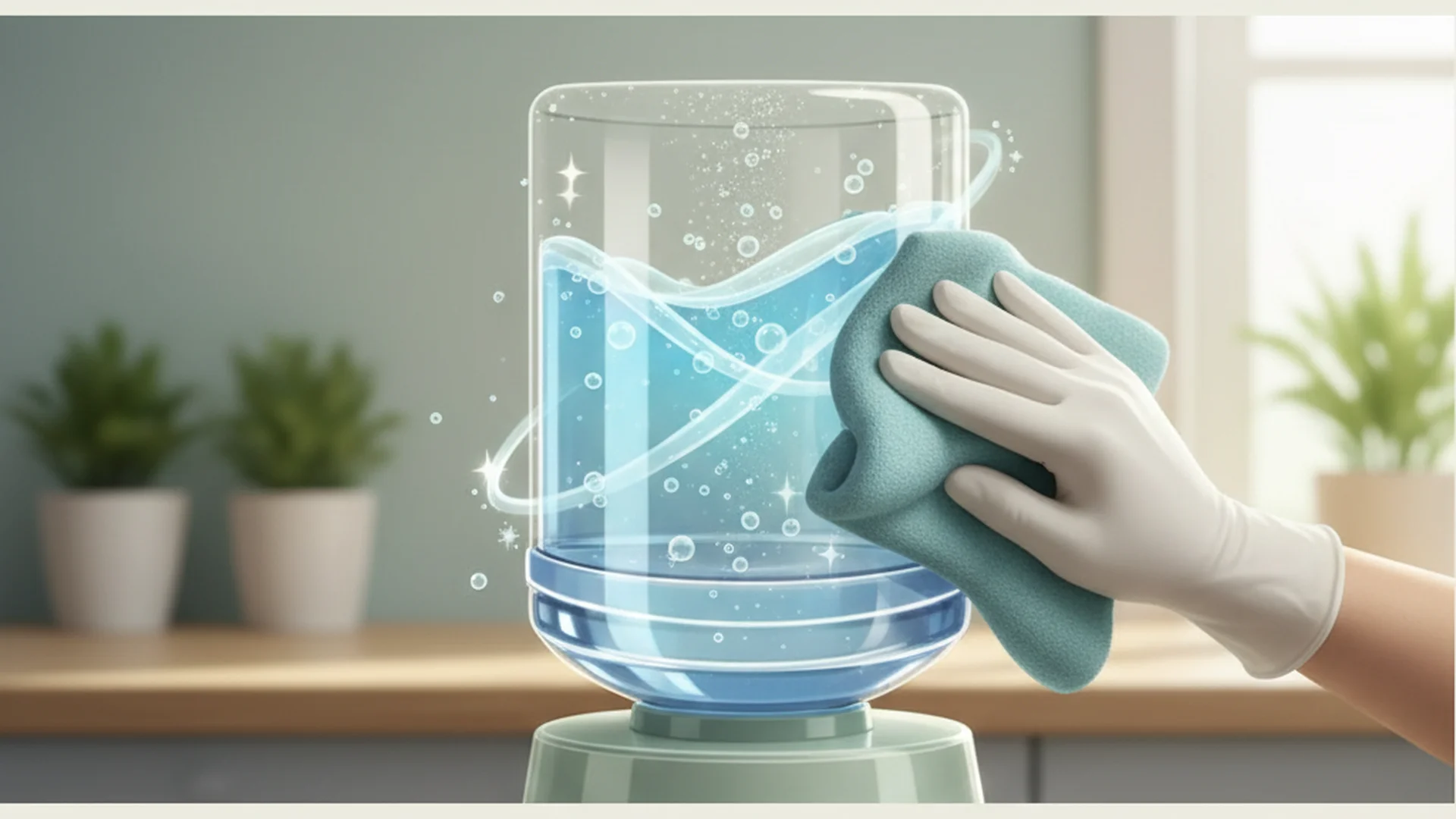
You carry it to the gym, keep it on your office desk, and bring it to your bedside table every night. But when was the last time you truly gave your reusable water bottle a deep scrub? If you are wondering how to clean water bottle surfaces effectively, you aren't alone—but what is growing inside might surprise you. A reusable bottle that only ever gets a quick rinse can build up a thriving colony of bacteria, easily rivalling the grubbiest surfaces in your home.
As a home organization expert, I’ve seen how quickly a healthy habit like staying hydrated can turn into a hygiene hazard. Whether you use stainless steel, glass, or plastic, simply rinsing with water isn't enough to break down the biofilm that accumulates from backwash and environmental exposure.
Why Your Water Bottle is a Bacterial "Petri Dish"
Most people assume that because they only fill their bottle with filtered water, the container stays clean. Unfortunately, this is a dangerous misconception. Every time you take a sip, you introduce "backwash"—a mixture of saliva, food particles, and skin cells (including Staphylococcus and Streptococcus)—into the water.
Material choice plays a massive role in how these microbes multiply. Soft PET plastic bottles let bacteria take hold quickly, sometimes within a few hours of use, because the surface is porous and easily scratched. Stainless steel and glass are far more forgiving. Regardless of the material, if you only clean your bottle a few times a month, you are likely drinking from a significant source of contamination.
Warning: Reusing single-use "disposable" plastic bottles is highly discouraged. These plastics are porous and can leach chemicals like BPA when washed with hot water or when the interior becomes scratched.
The Best Way Clean Water Bottle at Home: Daily Routine
To maintain a truly hygienic bottle, you must move beyond the "quick rinse." The best way clean water bottle components is to focus on mechanical agitation—that means scrubbing.
Step 1: Complete Disassembly
This is the most skipped step. You must remove the straw, the lid, and specifically the silicone gaskets or O-rings. Mold loves to hide in the dark, damp crevices under these seals. Use a small pick or the edge of a spoon to gently pop them out.
Step 2: The Soapy Scrub
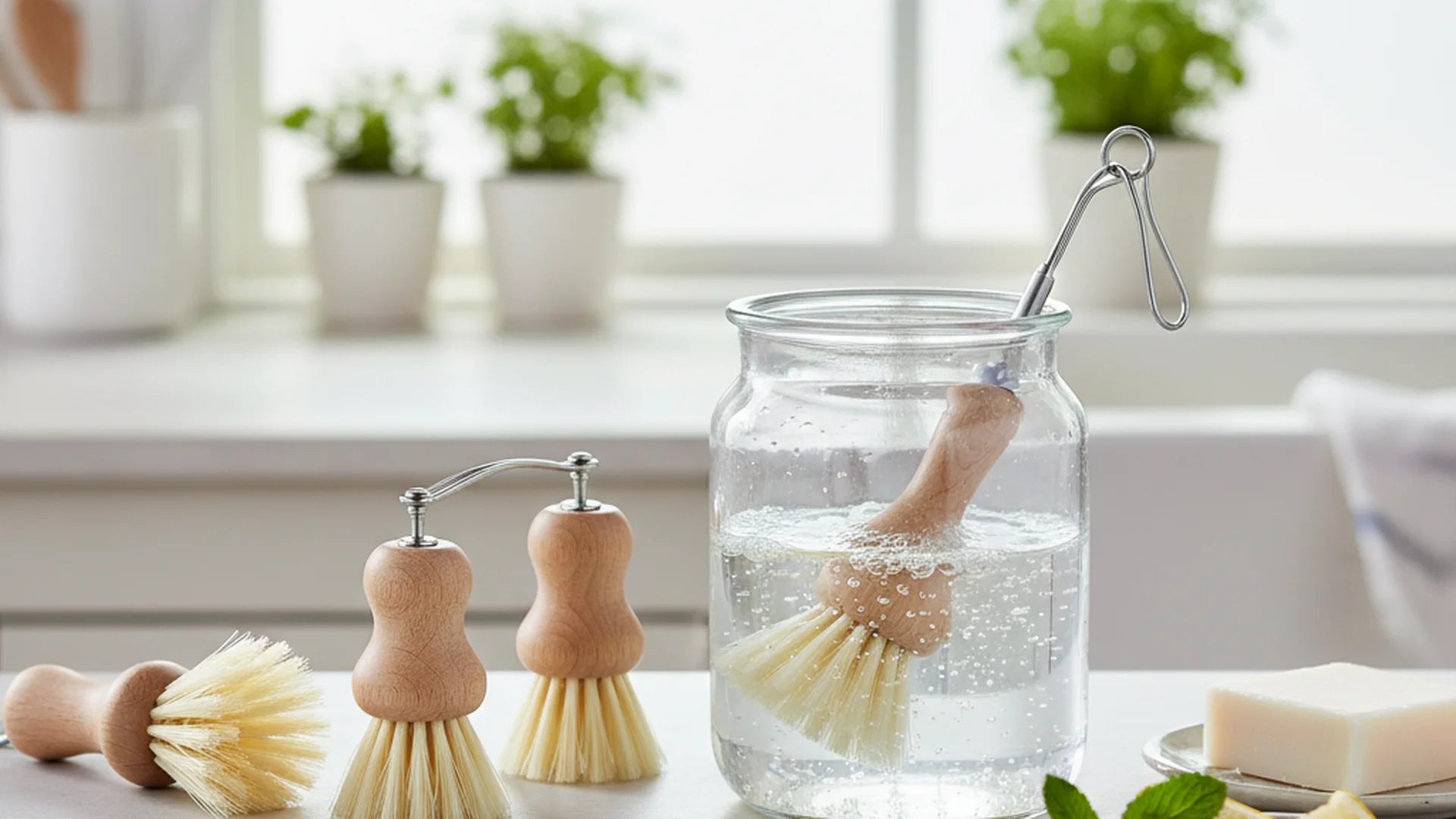
Use warm, soapy water and a dedicated bottle brush. A brush is essential because it provides the friction necessary to break down "biofilm"—that slimy layer of microbes that adheres to the walls.
Step 3: Air Dry Upside Down
Moisture is the primary driver of mold growth. After washing, place all components on a drying rack.
Tip: Never reassemble or put the lid on your bottle until every single part is 100% dry. Storing a damp bottle with the lid tightened creates a "greenhouse" effect for bacteria.
Deep Cleaning Methods for Persistent Odors
If you’ve noticed a "funky" smell, it’s a sign that bacteria or mold has already taken root. Here are the most effective ways to clean water bottle at home using pantry staples.
The Vinegar Method
White vinegar is an excellent acetic acid cleaner that kills most household germs and neutralizes odors.
- Fill the bottle halfway with white vinegar and halfway with cool water.
- Let it sit overnight.
- Rinse thoroughly the next morning.
The Baking Soda Scrub
For stubborn stains or visible mold, baking soda is your best friend.
- Mix two tablespoons of baking soda with a small amount of water to create a thick paste.
- Use a clean toothbrush to apply the paste to the threads of the lid and the mouthpiece.
- Let it sit for 15 minutes before scrubbing and rinsing.
The Rice Method (For Narrow Necks)
If you have a bottle with a narrow opening that a brush can’t reach (like some S'well models), use uncooked rice.
- Add a tablespoon of uncooked rice, a drop of dish soap, and a little warm water.
- Shake vigorously. The rice acts as a natural abrasive, scrubbing the internal walls for you.
| Method | Best For | Frequency |
|---|---|---|
| Soap & Brush | Daily Maintenance | Every Use |
| Vinegar Soak | Odor Removal | Weekly |
| Baking Soda | Mold & Stains | As Needed |
| Rice Shake | Narrow Bottles | Weekly |
Real-World Cleaning Scenarios
Example 1: The "Forgotten" Gym Bottle
We’ve all done it—left a protein shake or electrolyte drink in the car for three days in the heat. In this case, a simple wash isn't enough. You should use a diluted bleach solution (1 teaspoon of unscented bleach per gallon of water) and soak for 5–10 minutes. This is the "nuclear option" for extreme bacterial growth.
Example 2: The Coffee-Stained Commuter Mug
Stainless steel mugs used for tea or coffee often develop a brown patina. This isn't just a stain; it's a surface where bacteria can easily attach. A baking soda paste left overnight will lift these organic stains without scratching the steel.
Example 3: The Kid’s Straw Bottle
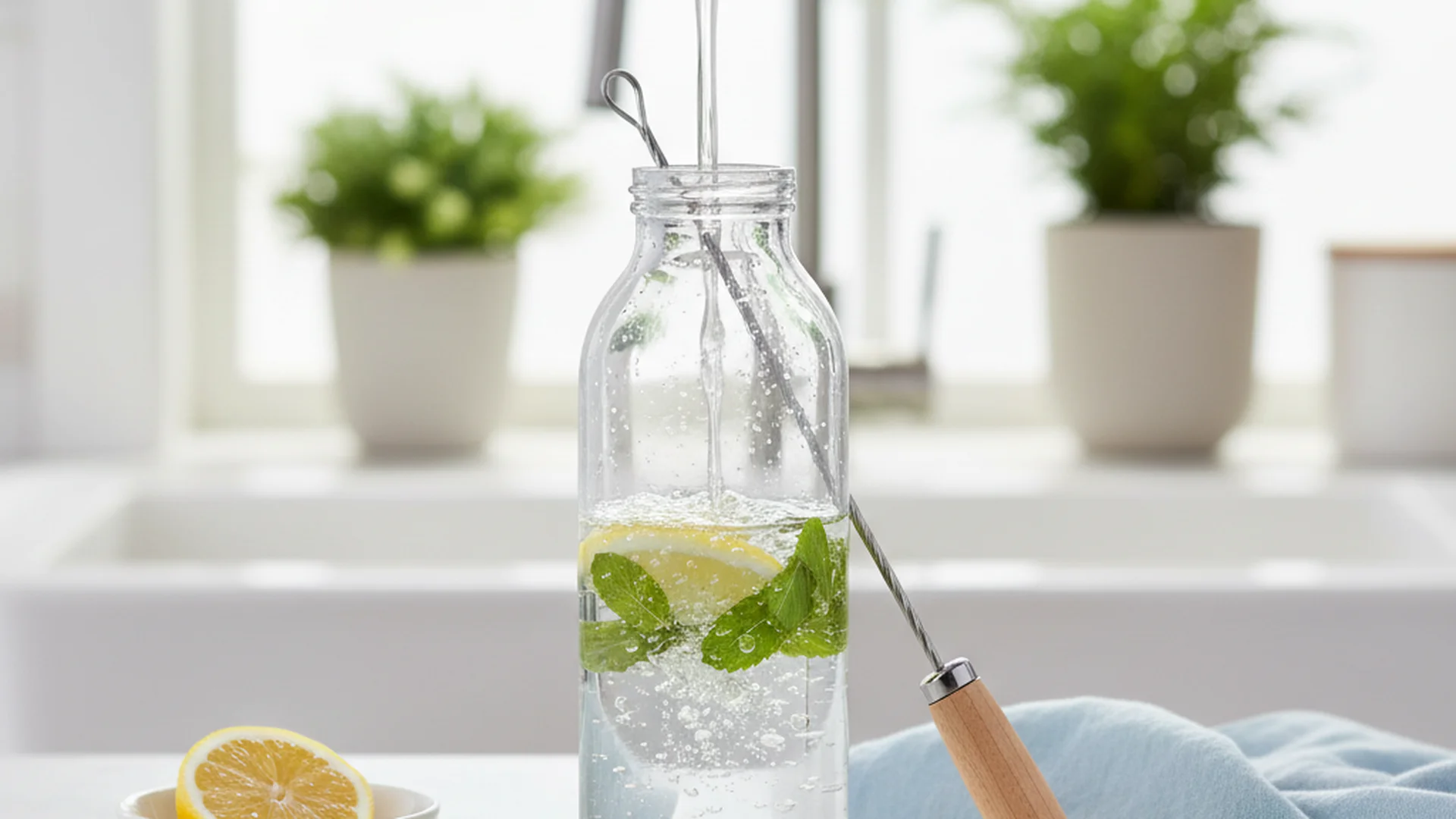
Children’s bottles are notorious for mold in the bite valves. Because these are complex shapes, the best approach is to use a dedicated "straw brush" (a very thin pipe cleaner) and soak the silicone parts in a 50/50 vinegar-water solution every weekend.
2025-2026 Trends in Bottle Hygiene
The technology surrounding how we stay hydrated is evolving rapidly. We are seeing a shift away from manual scrubbing toward automated and "green" solutions.
- UV-C Self-Cleaning Tech: Bottles like LARQ use built-in UV-C LED lights in the cap to neutralize 99% of bacteria every few hours. This is becoming a standard for travelers.
- Probiotic Cleaners: A major 2026 trend involves "microbiome-friendly" tablets. These use enzymes and probiotics to "eat" the biofilm in crevices that brushes can't reach.
- Smart Sensors: New "Smart Bottles" now sync with apps to alert you when it's time to clean, based on how many times the lid has been opened and the ambient temperature.
Note: Even if you have a UV-C self-cleaning bottle, you still need to manually wash the lid's exterior and mouthpiece to remove physical debris and lip balms.
Common Mistakes to Avoid
- Ignoring the "Nooks and Crannies": Most bacteria live in the lid's threads and under the rubber seals, not just on the bottom of the bottle. Failing to remove the silicone ring is the #1 cause of hidden mold.
- Relying Solely on the Dishwasher: While many modern bottles (like Stanley or Hydro Flask) are now labeled dishwasher safe, the high heat can degrade silicone seals and exterior powder coatings over time. Hand-washing remains the "gold standard" for longevity.
- Storing with the Lid On: As mentioned before, trapping moisture is an invitation for mold. Always store your bottles open.
- Using Abrasive Steel Wool: Never use steel wool on stainless steel bottles; it creates micro-scratches where bacteria can hide and may lead to rusting.
Frequently Asked Questions
Can’t I just rinse it with water?
How do I get rid of the "funky" smell?
Is it safe to use bleach?
Is my bottle dishwasher safe?
Conclusion
Keeping your water bottle clean is about more than just aesthetics; it is a vital part of your personal health. By implementing a daily soapy scrub and a weekly deep clean with vinegar or baking soda, you can ensure your hydration habit remains a healthy one. Remember to always disassemble the parts and let them dry completely before your next use.
Success: Regularly cleaning your bottle not only prevents illness but also extends the life of your favorite gear, saving you money and reducing plastic waste.
Cleaning that keeps score
Every task earns points, every streak multiplies them, and Premium adds a household leaderboard plus a monthly Dustagorgon to beat.
- Free forever
- 30 badges to earn
- Up to 6 in a household
No card needed. Set up your rooms in a couple of minutes.