In this article
What you’ll learn
- Always perform a patch test on an inconspicuous area before applying any cleaner.
- Never use alcohol-based wipes or hairspray on leather as they cause permanent damage.
- Regular maintenance can preserve up to 90% of a luxury handbag's resale value.
Your handbag is likely the hardest-working item in your wardrobe. It travels from your car seat to restaurant floors, office desks, and grocery carts. However, despite being a constant companion, it is often the most neglected when it comes to hygiene. Recent studies have shown that 20% of handbag handles carry more bacteria than the average toilet seat, making the knowledge of how to clean purse surfaces not just a matter of aesthetics, but one of personal health.
Whether you are carrying a high-end designer investment or a beloved everyday tote, learning the best way clean purse materials at home can save you hundreds of dollars in professional restoration fees. In this guide, we will explore the science of material care, the "Golden Rules" of handbag maintenance, and step-by-step instructions to clean purse at home safely and effectively.
The Golden Rules of Purse Cleaning
Before you reach for the soap and water, you must understand that handbags are complex structures. They often contain internal glues, structural cardboard reinforcements, and delicate dyes that react poorly to moisture.
Always Perform a Patch Test
No matter how "gentle" a cleaner claims to be, every dye lot is different. Apply a tiny amount of your cleaning solution to an inconspicuous area—such as the bottom of the bag or the inside of a strap—and wait 24 hours to check for discoloration or texture changes.
Less is More
When cleaning any accessory, the goal is to use the minimum amount of moisture necessary. Over-saturating a bag can lead to "tide marks" (permanent water rings) or cause the internal structure to collapse.
Warning: Never submerge a structured handbag in water. The internal reinforcements are often made of heavy-duty cardboard or bonded fibers that will disintegrate if soaked.
Cleaning by Material: A Step-by-Step Guide
The most critical factor in your cleaning process is the material. Treating suede like leather, or nylon like silk, can result in irreversible damage.
Finished Leather
Most everyday leather bags (like those from Coach or Michael Kors) have a protective topcoat.
- Dusting: Wipe the exterior with a dry microfiber cloth.
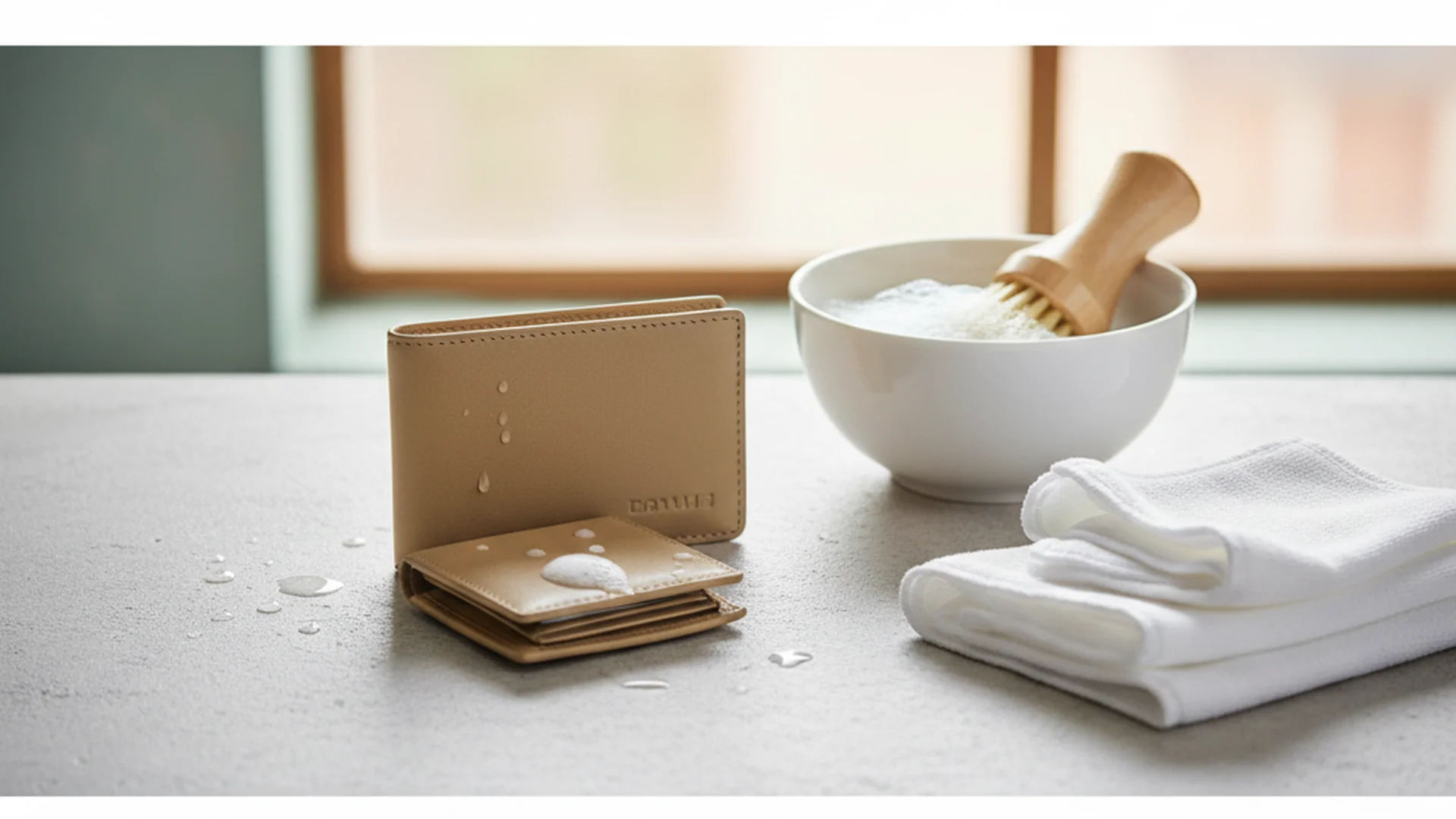
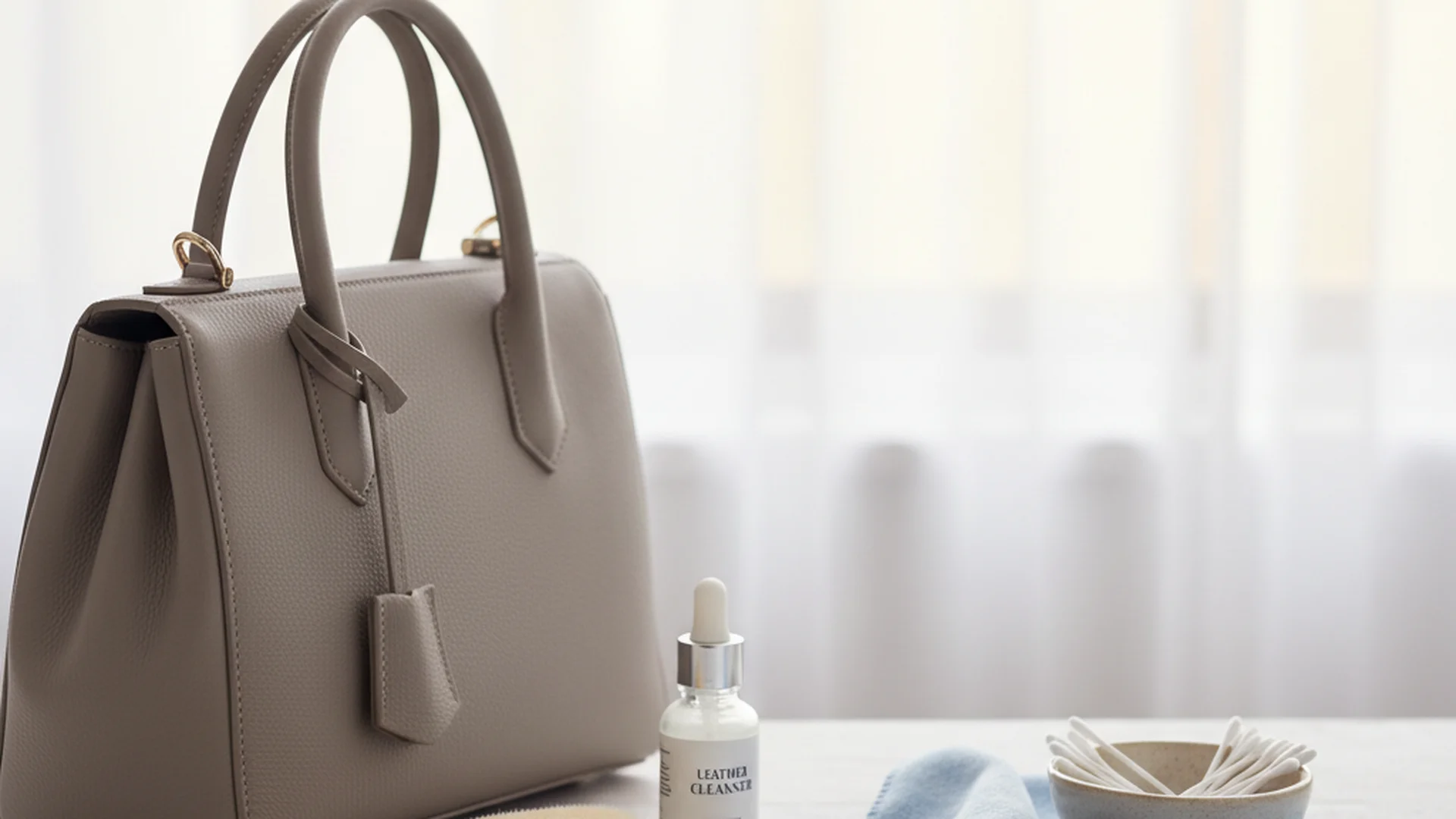
- Cleaning: Use a pH-balanced leather cleaner. Apply the cleaner to the cloth first, never directly onto the bag.
- Circular Motion: Gently rub the surface in small circles.
- Conditioning: This is the most forgotten step. Leather is skin; it needs moisture to prevent cracking. Apply a high-quality leather conditioner every six months.
Suede and Nubuck
Suede is notoriously difficult because it is highly absorbent.
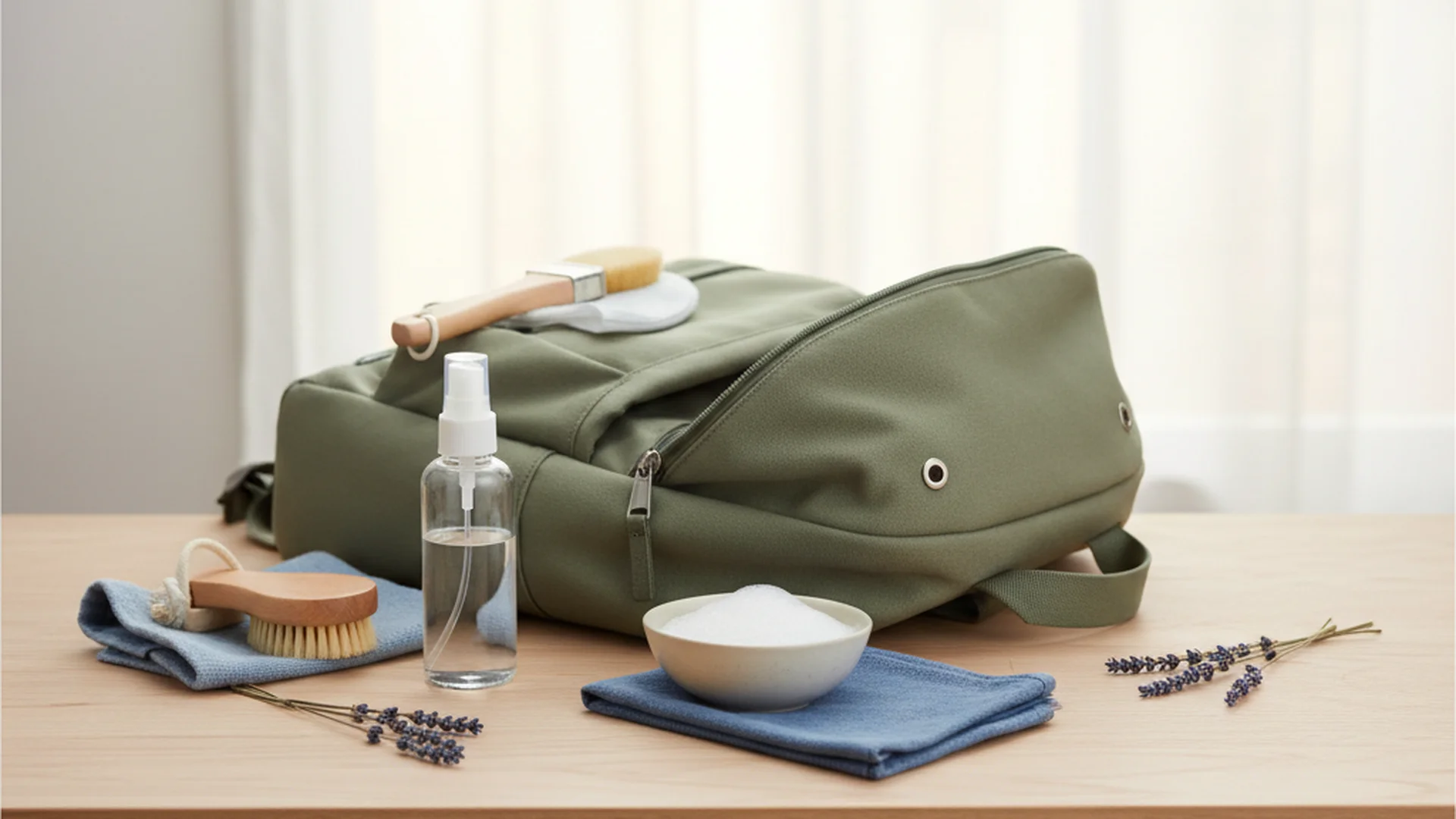
- The Brush Method: Use a dedicated suede brush to lift the "nap" and remove surface dust.
- The Eraser Trick: For localized spots, use a suede eraser (or a clean white pencil eraser) to gently "crumble" the stain away.
- Protection: Since you cannot effectively "wash" suede, prevention is key. Use a fluorocarbon-free water and stain repellent spray immediately after purchase.
Canvas and Nylon
Nylon bags, such as those by Longchamp or Prada, are the most resilient.
- Soap Solution: Mix a drop of mild dish soap with warm water.
- Scrubbing: Use a soft-bristled toothbrush to gently agitate stains.
- Rinsing: Use a damp (not dripping) cloth to "rinse" the soap away.
| Material | Cleaning Agent | Tool | Drying Method |
|---|---|---|---|
| Leather | pH-Balanced Cleaner | Microfiber Cloth | Air dry (no heat) |
| Suede | Suede Eraser | Suede Brush | Room Temperature |
| Canvas | Mild Dish Soap | Soft Toothbrush | Air dry |
| Nylon | Probiotic Spray | Lint Roller | Air dry |
Note: For modern "eco-leathers" (made from pineapple or mushroom), avoid traditional leather oils. These materials respond better to simple damp-cloth wiping and specialized vegan-care kits.
Restoring the Interior
The lining of your purse is often where the most "invisible" dirt resides—think spilled coffee, crumbled granola bars, and leaked pens.
Debris Removal
The easiest way to clean the interior is to pull the lining inside out (if possible) and use a lint roller or a vacuum hose attachment to suck up crumbs and dust from the corners.
Sanitization and Odor Removal
To sanitize without harsh chemicals, many professionals in 2025 are turning to probiotic cleaners. These use "good bacteria" to consume organic stains and odors. If your bag has a musty smell or cigarette smoke odor, place an open container of baking soda or an activated charcoal sachet inside the bag, then seal the bag in a large container for 48 hours.
Tip: Avoid spraying perfume directly into your bag to mask odors. The alcohol content in perfume can damage the lining and create a sticky residue that attracts more dirt.
Real-World Examples of Purse Care
Example 1: The Indigo Transfer Disaster A common issue occurs when a new pair of dark denim jeans "bleeds" color onto a light-colored leather bag (like a beige Chanel). To fix this, you need a specialized "dye transfer remover." Standard soap will not work because the denim dye has chemically bonded with the leather's topcoat.
Example 2: The Louis Vuitton Vachetta Louis Vuitton uses "Vachetta" leather (untreated cowhide) on handles. This leather is designed to darken over time (patina). Many owners mistake this natural aging for "dirt" and try to scrub it off with baby wipes, which only causes the leather to dry out and crack.
Example 3: The "Handbag Spa" Trend In 2026, the circular economy has made "handbag spas" mainstream. For bags valued over $1,000, professionals use ultrasound cleaning for hardware and color-matching pigments to "repaint" scuffed corners, effectively resetting the bag to like-new condition.
Common Mistakes to Avoid
- The Hairspray Myth: You may have heard that hairspray removes ink. In the past, hairspray had high alcohol content which dissolved ink. Modern hairsprays contain oils and resins that will leave a permanent, greasy "halo" on your leather that no professional can remove.
- Alcohol Wipes and Sanitizers: Since 2020, many bags have been ruined by high-alcohol hand sanitizers. Alcohol strips the protective finish and the pigment off the leather, leaving white, bleached spots.
- Direct Sunlight: Never leave your bag to dry in the sun. UV rays act as a bleaching agent and will cause the leather fibers to become brittle and shrink.
- Baking Soda on Grease: While baking soda is great for odors, rubbing it directly onto a grease stain on leather can be too abrasive. Use cornstarch or talcum powder instead; let it sit overnight to "pull" the grease out of the pores.
Success: By avoiding these common pitfalls and sticking to pH-balanced cleaners, you can keep your favorite handbag looking brand new for decades.
Frequently Asked Questions
Can I put my purse in the washing machine?
How do I get rid of bad odors like cigarette smoke?
Is it safe to use baby wipes on leather?
How do I maintain the shape of my bag when not in use?
Conclusion
Your handbag is an investment in your personal style and daily organization. By learning how to clean purse surfaces properly, you aren't just cleaning an accessory; you are participating in a sustainable "circular economy" that values quality over disposability. Whether you are performing a weekly wipe-down of the handles or a deep quarterly condition, these small steps ensure your bag remains a beautiful, hygienic, and valuable part of your collection for years to come.
Cleaning that keeps score
Every task earns points, every streak multiplies them, and Premium adds a household leaderboard plus a monthly Dustagorgon to beat.
- Free forever
- 30 badges to earn
- Up to 6 in a household
No card needed. Set up your rooms in a couple of minutes.