In this article
What you’ll learn
- Marble is acid-sensitive; avoid vinegar and lemon at all costs.
- Daily cleaning requires only pH-neutral soap and microfiber.
- The "poultice method" is the gold standard for natural stain removal.
Marble has long been the crown jewel of interior design, offering a timeless elegance that synthetic materials simply cannot replicate. However, as we move into 2026, homeowners are discovering that the secret to long-lasting stone isn't found in harsh industrial chemicals, but in understanding the unique science of the material. Learning how to clean marble countertops correctly is a balance of preserving luxury and managing the high-maintenance nature of natural stone. Whether you are dealing with a classic Carrara or a modern honed finish, the right approach ensures your investment remains a centerpiece for decades.
The Science Behind the Stone: Why Marble is Different
To understand how to clean marble countertops without chemicals, you must first understand what marble actually is. Unlike granite, which is an igneous rock formed from cooled magma, marble is a metamorphic rock composed primarily of calcium carbonate.
This chemical composition is marble’s "Achilles' heel." Calcium carbonate reacts instantly when it comes into contact with acids. This reaction is known as "etching." Many people mistake etching for a stain, but it is actually a physical change to the stone’s surface—essentially a dull "burn" where the top layer of the stone has dissolved.
Furthermore, marble is significantly more porous than other surfaces.
Daily Maintenance: The 3-Minute Routine
The best way to maintain your stone is through a simple, consistent routine. You don't need expensive kits to keep your surfaces pristine.
Step 1: Dust and Debris Removal
Before applying any liquid, use a dry, soft microfiber cloth to wipe away crumbs or dust. Dust can contain silica or small outdoor particles that act as abrasives if dragged across the surface during wet cleaning.
Step 2: The pH-Neutral Wash
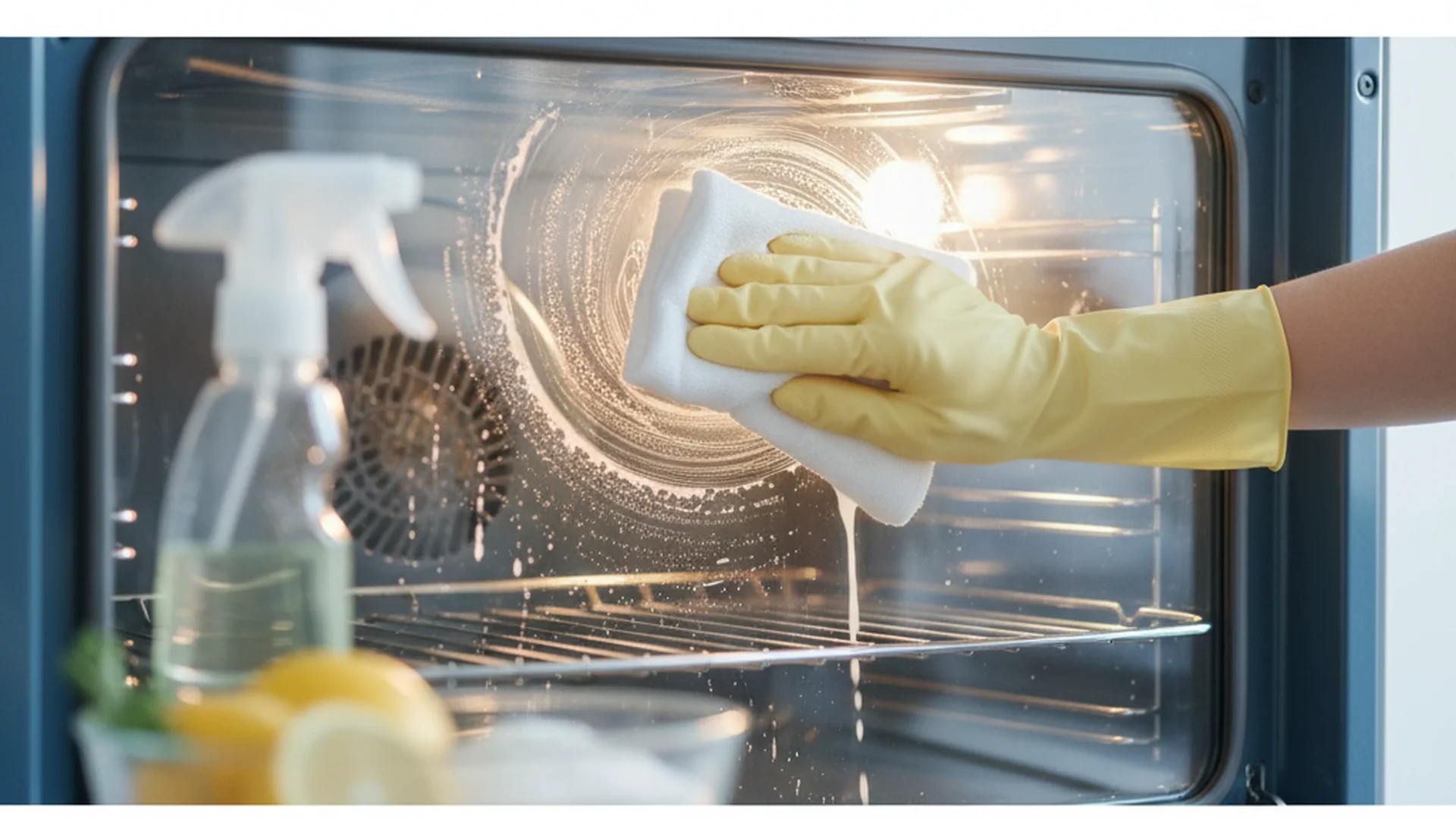
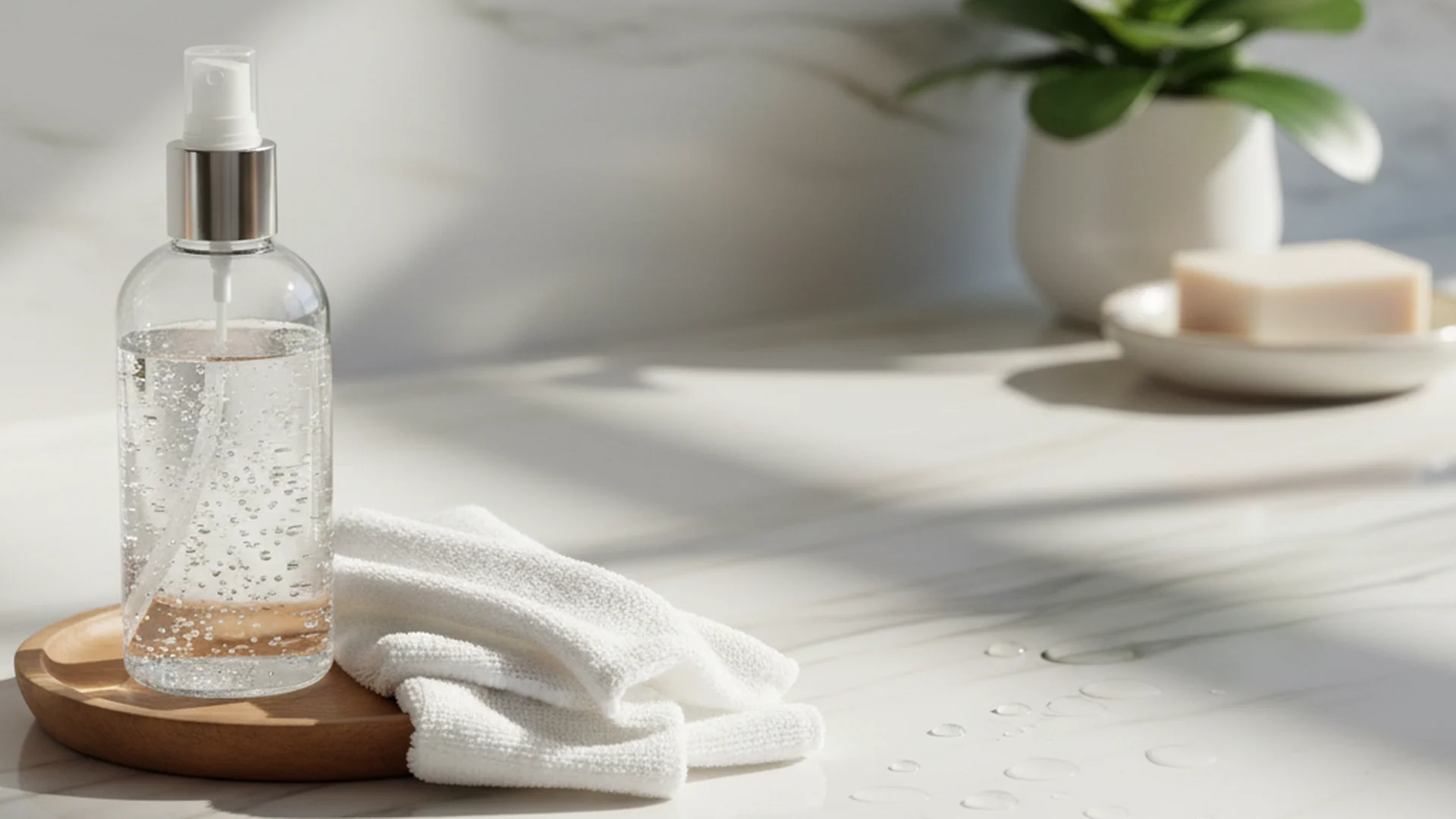
Mix a few drops of pH-neutral dish soap with warm water in a spray bottle. Spray the surface lightly.
Tip: If you are looking for a specialized solution, 2026 trends show a 35% increase in the use of bio-enzymatic cleaners. These "eat" organic matter without affecting the stone’s pH balance.
Step 3: Rinse and Dry
Wipe the soap away with a damp cloth, then—most importantly—buff the surface dry with a fresh microfiber towel. Leaving marble to air dry can lead to "ghosting" or water spots, especially in areas with hard water.
Warning: Never use the "scrubby" side of a kitchen sponge. Even "non-scratch" pads can eventually dull the factory polish of your marble.
How to Clean Marble Countertops Naturally (The Poultice Method)
When a spill happens, it often migrates into the pores of the stone before you can reach for a cloth. If you want to know how to clean marble countertops naturally to remove deep-set stains, the "Poultice Method" is your best friend. This technique uses capillary action to pull the stain out of the stone and into a drying paste.
For Oil-Based Stains (Cooking Oil, Milk, Cosmetics)
- Create the Paste: Mix baking soda and water until it reaches the consistency of peanut butter.
- Apply: Slather the paste over the stain about 1/4 inch thick.
- Seal: Cover the area with plastic wrap and tape down the edges. Poke 2-3 tiny holes in the plastic for ventilation.
- Wait: Let it sit for 24 to 48 hours until the paste is completely bone-dry.
- Remove: Gently scrape the dry paste off with a plastic spatula and wipe with water.
For Organic Stains (Coffee, Tea, Wine)
For light-colored marble, you can swap the water in the baking soda mix for a small amount of 12% hydrogen peroxide. This acts as a natural bleaching agent that breaks down organic pigments without the use of harsh surfactants.
Success: A homeowner recently saved a $5,000 island after a red wine spill by using a baking soda and peroxide poultice. The stain, which had sat overnight, was completely lifted after 48 hours of treatment.
2026 Design Trends: Embracing the "Living Finish"
The way we view marble care is changing. In 2026, the "Matte Revolution" has taken hold of the luxury market. High-gloss finishes are trending downward in favor of honed (matte) and leathered (textured) surfaces.
| Finish Type | Maintenance Level | Best For | 2026 Popularity |
|---|---|---|---|
| Polished | High | Formal Kitchens | Decreasing |
| Honed | Medium | Busy Families | High |
| Leathered | Low | Outdoor/Rustic | Increasing |
Honed finishes are the preferred choice for those who want to clean marble countertops without chemicals and stress. Because the surface is already matte, etch marks from lemon juice or vinegar are much less visible than they are on a reflective, polished surface.
Furthermore, the "Patina Movement" suggests that we should treat marble like a "living finish," similar to how Europeans view the worn marble steps of historic villas. Minor etches and scratches are becoming accepted as part of the stone’s natural history.
Common Mistakes to Avoid
Even with the best intentions, it is easy to damage marble by applying "general" cleaning knowledge to this specific stone.
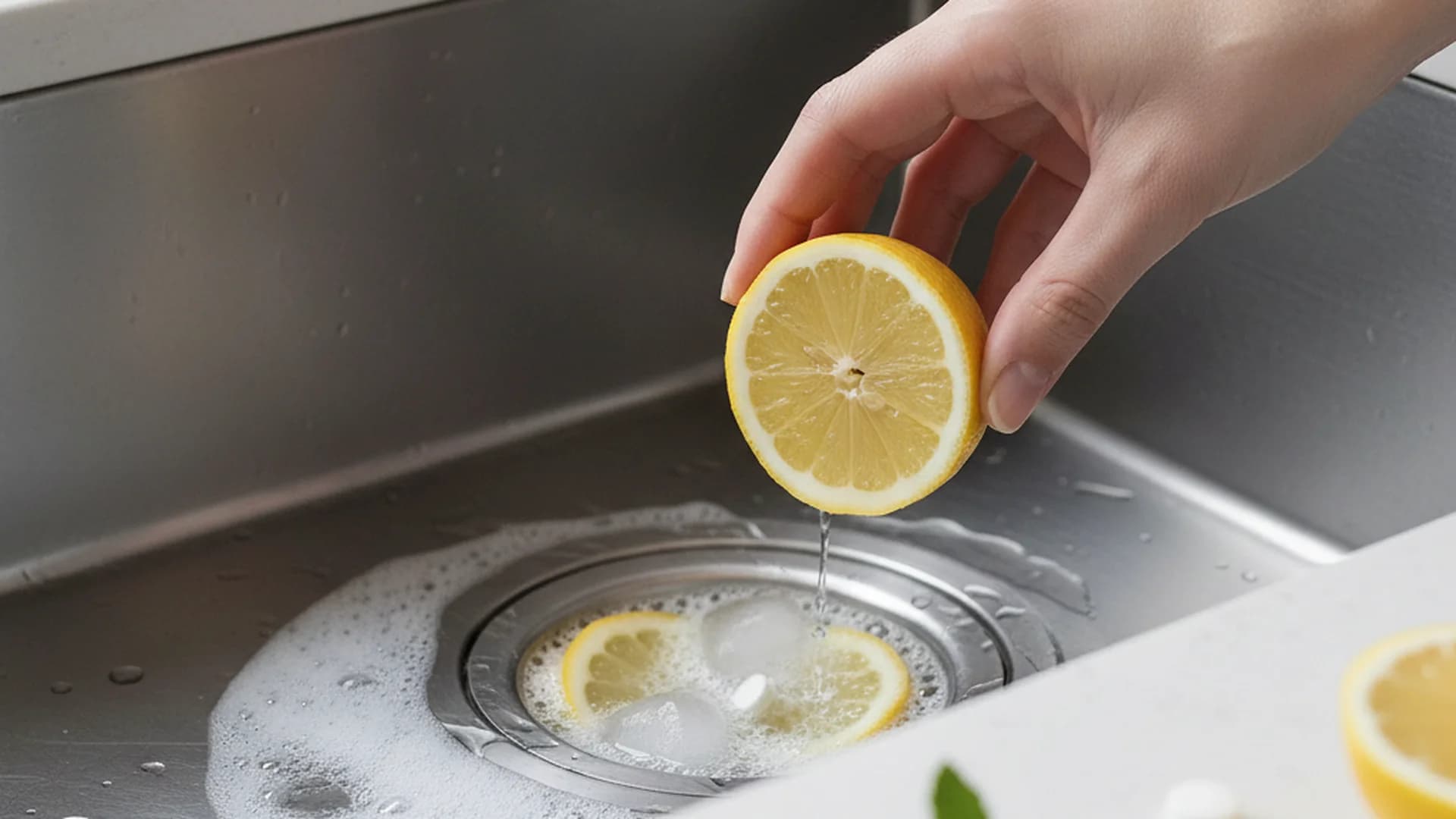
- Using Vinegar or Lemon Juice: These are fantastic for windows and chrome, but they are "acidic toxins" for marble. They will etch the stone on contact.
- The "Natural" DIY Trap: Many DIY blogs suggest "natural" cleaners that include citrus oils or vinegar. For marble, "natural" does not always mean "safe."
- Neglecting the Water Test: Many homeowners assume their sealer lasts forever.
- Cutting Directly on the Surface: This results in physical scratches (not just etches) that usually require professional diamond-pad sanding to remove.
Note: Sealing does not make your marble "stain-proof." It is a "stain-resistant" barrier that buys you time. An acidic spill will still etch a sealed surface instantly.
Real-World Examples of Marble Care
Example 1: The Holiday Party Spill
During a dinner party, a glass of red wine is knocked over. The host immediately blots the spill with a paper towel. By blotting instead of wiping, they prevent the wine from being pushed deeper into the pores of the stone. They then clean the area with pH-neutral soap and dry it immediately. The result: No stain.
Example 2: The Hidden Olive Oil Ring
An olive oil bottle is left on the counter, leaving a dark, greasy ring. The homeowner applies a baking soda and water poultice. After 24 hours, the baking soda has absorbed the lipids, and the dark spot is gone. This is the ultimate way to clean marble countertops without chemicals.
Example 3: The "Etch" realization
A guest slices a lime directly on a polished marble island. A dull, cloudy spot appears. Because this is an etch (physical damage) and not a stain, the homeowner uses a specialized marble polishing powder (buffing compound) to manually restore the shine, rather than trying to "clean" it away.
Frequently Asked Questions
Can I use Windex or other glass cleaners on marble?
How can I tell if my marble needs to be resealed?
Is a stain the same as an etch?
Can I use disinfecting wipes on my marble counters?
Conclusion
Maintaining the beauty of your stone doesn't have to be a daunting task. By focusing on pH-neutral cleaning, utilizing the natural power of the baking soda poultice for stains, and avoiding acidic "natural" cleaners, you can keep your surfaces looking brand new. As we embrace the 2026 trends of matte finishes and sustainable care, remember that marble is a natural material that thrives on gentle, consistent attention.
Success: With proper care, your marble countertops will not only last a lifetime but will actually improve in character as they age with your home.
Cleaning that keeps score
Every task earns points, every streak multiplies them, and Premium adds a household leaderboard plus a monthly Dustagorgon to beat.
- Free forever
- 30 badges to earn
- Up to 6 in a household
No card needed. Set up your rooms in a couple of minutes.