In this article
What you’ll learn
- Natural cleaning agents like baking soda and vinegar are safer and more effective when used sequentially.
- Cooking is the leading cause of home fires, making regular oven maintenance a critical safety task.
- Modern "green" methods like steam softening and washing soda are replacing toxic caustic cleaners.
For many homeowners, learning how to clean oven interiors is often cited as the "most hated chore" in the domestic calendar. It is messy, physically demanding, and historically associated with eye-stinging fumes. However, as we move through 2025, the landscape of home maintenance has shifted. We are no longer settling for harsh, corrosive chemicals that require gas masks and rubber gloves. Instead, the focus has moved toward sustainable, high-tech, and health-conscious maintenance that protects both your family and your appliance.
Why Oven Maintenance is a Safety Priority
Beyond the aesthetic appeal of a sparkling kitchen, keeping your oven clean is a fundamental matter of home safety. Cooking remains the leading cause of home fires and fire-related injuries.
The primary culprit? Grease, fat, and carbonized food residue. These flammable materials are often the initial fuel source. When you ignore that crusty layer at the bottom of your oven, you aren't just dealing with an eyesore—you are hosting a potential fire hazard.
Warning: Grease buildup can ignite during preheating. If you see smoke or smell burning food before you’ve even put your dish in, turn the oven off immediately and schedule a deep clean.
The Hidden Health Hazards of Traditional Cleaners
In the past, the go-to solution was a can of heavy-duty aerosol spray. However, traditional oven cleaners are among the most toxic products found under the kitchen sink. Many contain sodium hydroxide (caustic soda), a high-pH substance that can cause severe chemical burns to the skin, eyes, and lungs upon contact or inhalation.
There is a growing concern, too, that conventional cleaning products emit hazardous Volatile Organic Compounds (VOCs) that linger in your indoor air long after the "clean" scent has faded. This is why more households are looking for ways how to clean oven naturally to preserve indoor air quality.
The Truth About the Self-Cleaning Function
Most modern ovens come equipped with a pyrolytic self-cleaning cycle. While it sounds like a dream come true, it comes with significant caveats. This cycle heats the oven to extreme temperatures—between 800°F and 900°F—to incinerate food residue into ash.
While convenient, this process carries risks:
- Mechanical Failure: The extreme heat can blow thermal fuses or damage electronic control boards.
- Toxic Fumes: The breakdown of food waste and the degradation of non-stick Teflon coatings can release carbon monoxide and other toxic fumes into your home.
- Appliance Longevity: Frequent use of high-heat cycles can shorten the lifespan of your oven's heating elements.
Note: If you choose to use the self-clean function, ensure the room is well-ventilated with windows open and pets (especially birds, who are highly sensitive to fumes) are moved to another room.
How to Clean Oven Naturally: The Expert "Paste & Wait" Method
If you want to know how to clean oven without chemicals, the most effective professional-grade secret is the "Paste & Wait" method. This relies on chemistry rather than elbow grease.
Step 1: Create Your Natural Degreaser
Instead of buying a commercial spray, mix a paste consisting of 3 parts baking soda to 1 part water. For a standard oven, half a cup of baking soda usually suffices.
Step 2: The Application
Remove the oven racks and thermometers. Spread the paste over the entire interior surface, avoiding the heating elements. The paste will likely turn brown as it comes into contact with grease—this is a sign that it is working.
Step 3: The 12-Hour Rule
This is where most people fail: they don't wait long enough. For the alkaline baking soda to effectively break down acidic grease, it needs at least 12 hours (or overnight) to sit.
Step 4: The Sequential Finish
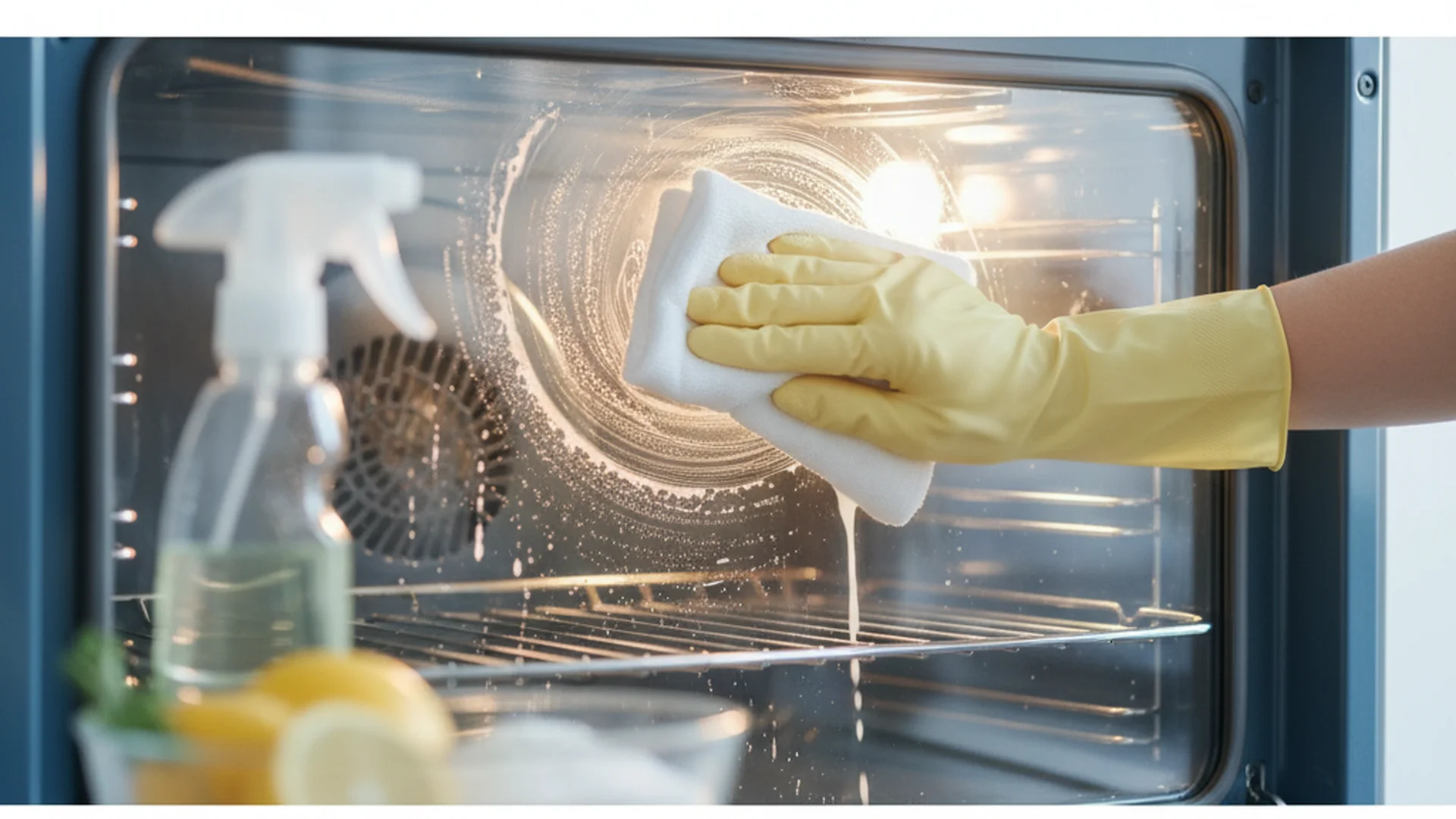
After 12 hours, take a damp microfiber cloth and wipe out as much of the dried paste as possible.
Tip: Do not mix vinegar into your baking soda paste initially. While the "fizz" looks impressive, the chemical reaction actually neutralizes the cleaning power of both substances, leaving you with simple salty water.
Instead, once you have wiped away the bulk of the paste, spray a light mist of white vinegar over any remaining residue. The vinegar will react with the leftover baking soda to create a gentle foaming action that lifts the final layers of grime.
Advanced 2025 Techniques: Beyond Baking Soda
While baking soda is the gold standard for light-to-moderate soil, 2025 has brought new "pro" trends to the DIY cleaning world.
The Power of Washing Soda
For heavy-duty grease, reach for sodium carbonate (washing soda) instead of standard baking soda. Washing soda has a higher pH (around 11) compared to baking soda (around 8 or 9). This higher alkalinity makes it a much more aggressive degreaser for ovens that haven't been cleaned in years.
Steam Softening with Lemon
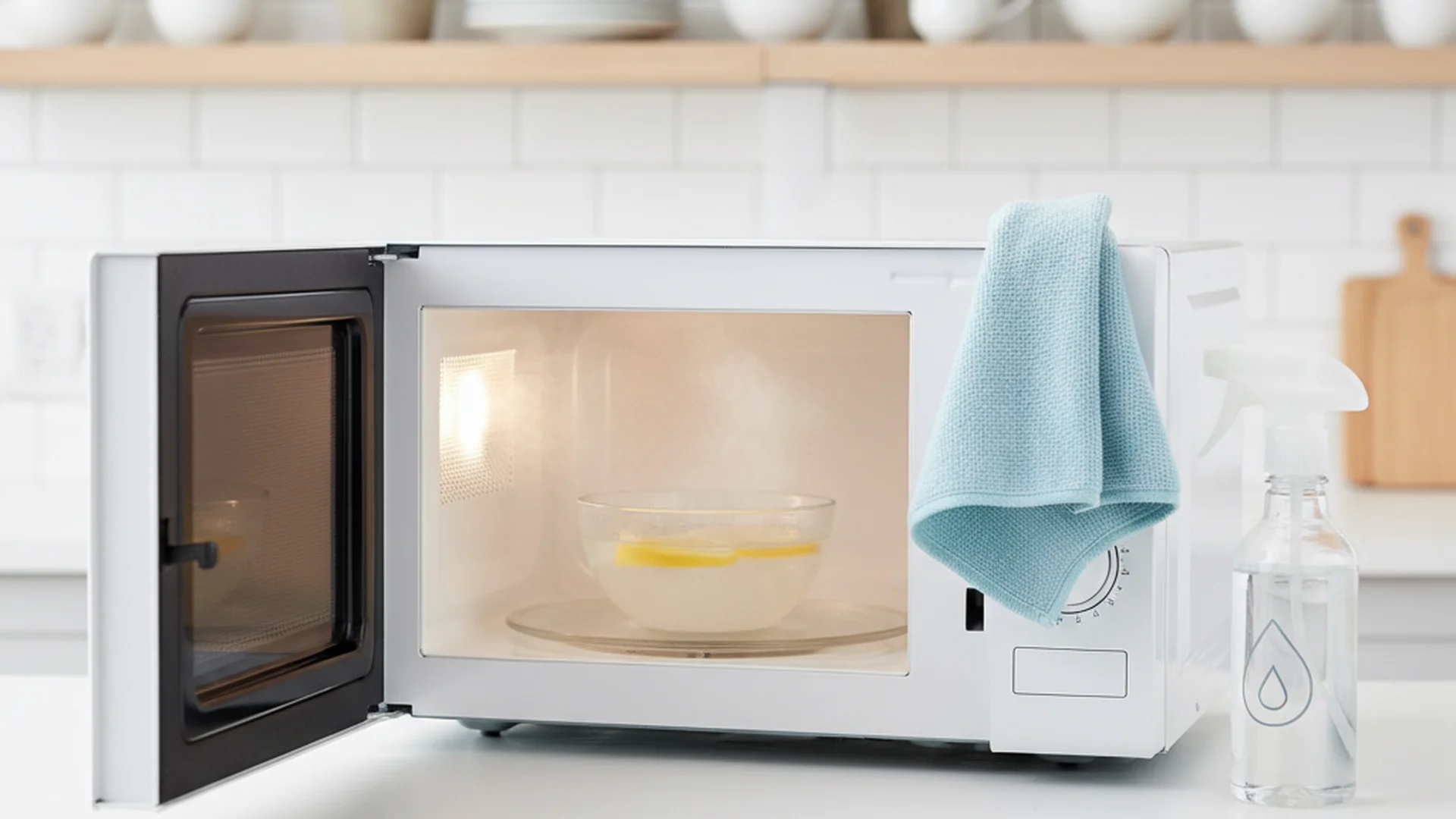
Before you even begin the scrubbing process, you can use the power of steam to loosen "baked-on" debris.
- Fill a heat-safe glass bowl with water and two sliced lemons.
- Place it in the oven at 250°F for 30 minutes.
- The citrus oils (limonene) and water vapor will penetrate the grease, making it significantly easier to wipe away.
| Method | Best For | Pros | Cons |
|---|---|---|---|
| Baking Soda Paste | Routine Deep Clean | Non-toxic, very cheap | Requires 12+ hours |
| Washing Soda | Heavy Grease | Stronger than baking soda | Can be drying to skin |
| Steam & Lemon | Light Maintenance | Fast, smells great | Won't remove thick carbon |
| Fume-Free Gels | Vertical Surfaces | Clings to walls | More expensive than DIY |
Cleaning Oven Racks Without the Scrubbing
Oven racks are notoriously difficult to clean because of their thin wires and large surface area. Here are two real-world examples of how to handle them efficiently:
Example 1: The Bathtub Soak
Line your bathtub with old towels (to prevent scratching) and fill it with very hot water and a scoop of laundry detergent or dish soap. Submerge the racks and let them soak overnight. By morning, the grease will literally slide off with a light sponge wipe.
Example 2: The 2025 "Eco-Hack" (Grass Cleaning)
A popular trend gaining traction among eco-conscious homeowners involves placing dirty oven racks on damp grass overnight. The morning dew, combined with the natural enzymes in the grass, helps break down the grease. While it sounds unconventional, many users swear by it for chemical-free results!
Common Mistakes to Avoid
Even with the right tools, it is easy to make mistakes that can damage your appliance or compromise your safety.
- Cleaning a Hot Oven: Never apply cleaners (even natural ones) to a scorching hot oven. This can cause the liquids to vaporize instantly, leading to inhalation risks or even cracks in the porcelain finish.
- Lining with Aluminum Foil: Many people line the bottom of their oven with foil to catch spills. This is a fire hazard. Foil can melt onto the heating element or reflect heat unevenly, which may shatter the oven glass or damage the interior coating.
- Leaving Racks in During Self-Clean: Unless your manual explicitly states they are "self-clean ready," remove your chrome racks. The high heat of a self-clean cycle will strip the finish, making them hard to slide in and out.
- The "Salt Trick" Delay: While the salt trick (sprinkling table salt on a fresh spill while the oven is still warm) is brilliant for absorbing grease, many forget to scrape it out once it cools. If left until the next time you cook, the salt and grease will bake into a rock-hard mass.
Frequently Asked Questions
How often should I clean my oven?
Can I clean the glass door with these same methods?
Is there a way to clean my oven quickly without waiting 12 hours?
What should I do if my oven starts smoking after cleaning?
Conclusion
Mastering how to clean oven interiors doesn't have to be the toxic, back-breaking chore it once was. By transitioning to a "Paste & Wait" methodology and utilizing the power of steam and natural alkalinity, you can maintain a safe, high-performing appliance without sacrificing your health or the environment. Remember, the key to a clean oven isn't found in a pressurized chemical can; it’s found in patience and the right sequential application of simple household staples.
Success: Regular maintenance not only reduces fire risks but also improves the flavor of your food by eliminating "burnt-grease" odors that can permeate your baking.
Cleaning that keeps score
Every task earns points, every streak multiplies them, and Premium adds a household leaderboard plus a monthly Dustagorgon to beat.
- Free forever
- 30 badges to earn
- Up to 6 in a household
No card needed. Set up your rooms in a couple of minutes.