In this article
What you’ll learn
- Cleaning radiators can improve heating efficiency by up to 25%.
- Always turn off the heating before cleaning to prevent convection currents.
- Avoid flammable scents and abrasive tools to protect your home and equipment.
In the energy-conscious landscape of 2026, every homeowner is looking for ways to maximize their home’s thermal performance. While many focus on insulation or smart thermostats, one of the most effective methods is often hiding in plain sight: your radiators. Learning how to clean radiators is no longer just a task for spring cleaning; it is a vital part of household energy management that can significantly impact your wallet and your health.
Dust and lint are more than just an eyesore; they act as an insulating layer on your radiator's internal fins, trapping heat and forcing your boiler to work harder. By mastering the best way how to clean radiators, you can ensure your system operates at peak performance during the coldest months of the year.
Why Radiator Maintenance Matters in 2026
The importance of a clean radiator goes far beyond aesthetics. A neglected radiator can lose a staggering amount of its output.
Energy Efficiency and Cost Savings
In the 2025–2026 energy climate, household budgets are under constant pressure. Removing dust and debris from radiator fins can improve heating efficiency by as much as 25%. For the average household, this translates to a direct saving of between £65 and £225 ($80–$280) per year. When heat can flow freely into the room instead of being blocked by a "blanket" of dust, your rooms warm up faster and stay warm longer.
Indoor Air Quality
Radiators function through convection. As the air warms, it rises, pulling cooler air (and everything in it) through the bottom of the unit. If your radiator is filled with dust, pet hair, and allergens, the unit effectively becomes a distribution hub for indoor pollutants. For asthma and allergy sufferers, a deep-cleaned radiator is essential for maintaining a healthy respiratory environment.
Essential Tools for the Job
Before you begin, gather the following supplies to ensure you can how to clean radiators quickly and effectively:
- A Vacuum Cleaner: Ideally with a crevice tool or brush attachment.
- A Radiator Brush: A long, flexible microfibre brush designed to reach into the fins.
- A Hairdryer: For the "hairdryer hack" to dislodge stubborn particles.
- Microfibre Cloths: Soft enough for modern matte finishes.
- Warm Soapy Water: Use a mild, plant-based detergent.
- White Vinegar: Perfect for buffing and removing yellowing on white paint.
- A Large Towel or Sheet: To catch the dust that falls.
Note: If you do not have a specialized radiator brush, you can create a DIY version by securing a microfibre cloth to a yardstick or a long piece of wood with tape.
The Professional Step-by-Step Guide
To achieve a professional-grade finish, we recommend a "top-down" methodology. This ensures that any dust dislodged from the top doesn't settle on surfaces you have already cleaned.
Step 1: Safety First
The most important step is to turn your heating off. You must wait until the radiator is completely cold to the touch.
Warning: Never attempt to clean a radiator while it is hot. Not only do you risk burns, but the convection current created by a warm radiator will actively pull dust back into the fins while you are trying to remove it. Furthermore, cleaning solutions can dry too quickly on hot metal, leaving unsightly streaks.
Step 2: The Interior "Deep Clean"
This is where the majority of the efficiency gains are made. If your radiator has a top grill, remove it carefully (usually by popping the side clips).
- The Hairdryer Hack: Place a damp towel on the floor directly beneath the radiator. Point your hairdryer on its highest and coolest setting into the top of the fins. This will "blast" the loose dust out of the bottom and onto the towel.
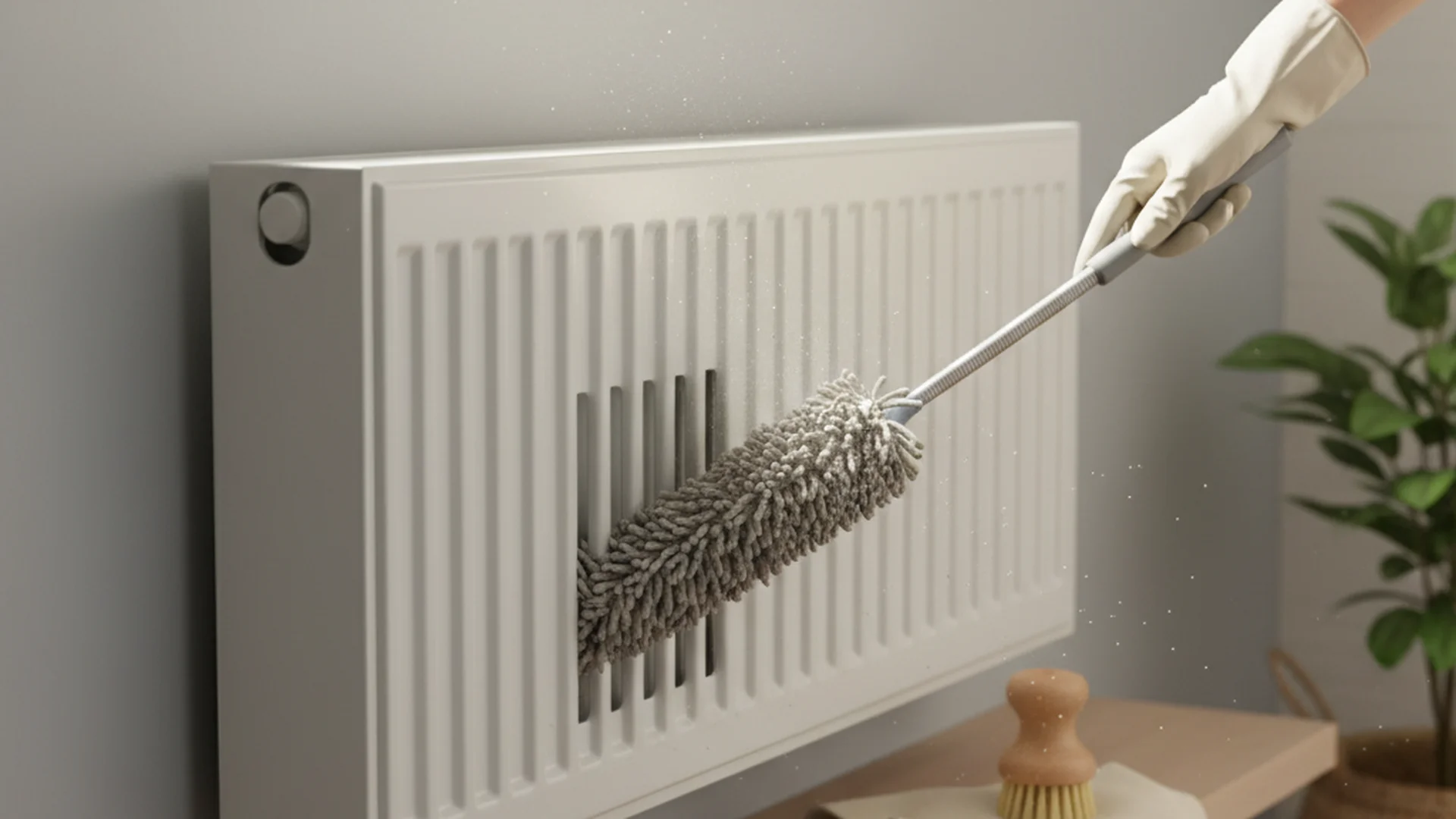
- The Radiator Brush: Feed your flexible brush through the fins from top to bottom. This will catch the heavier clumps of dust that the hairdryer couldn't move.
Step 3: Vacuuming the Surroundings
Once the internal dust has been pushed to the floor, use your vacuum's crevice tool to clear the area underneath the radiator and the space between the radiator and the wall.
Step 4: Wiping the Exterior
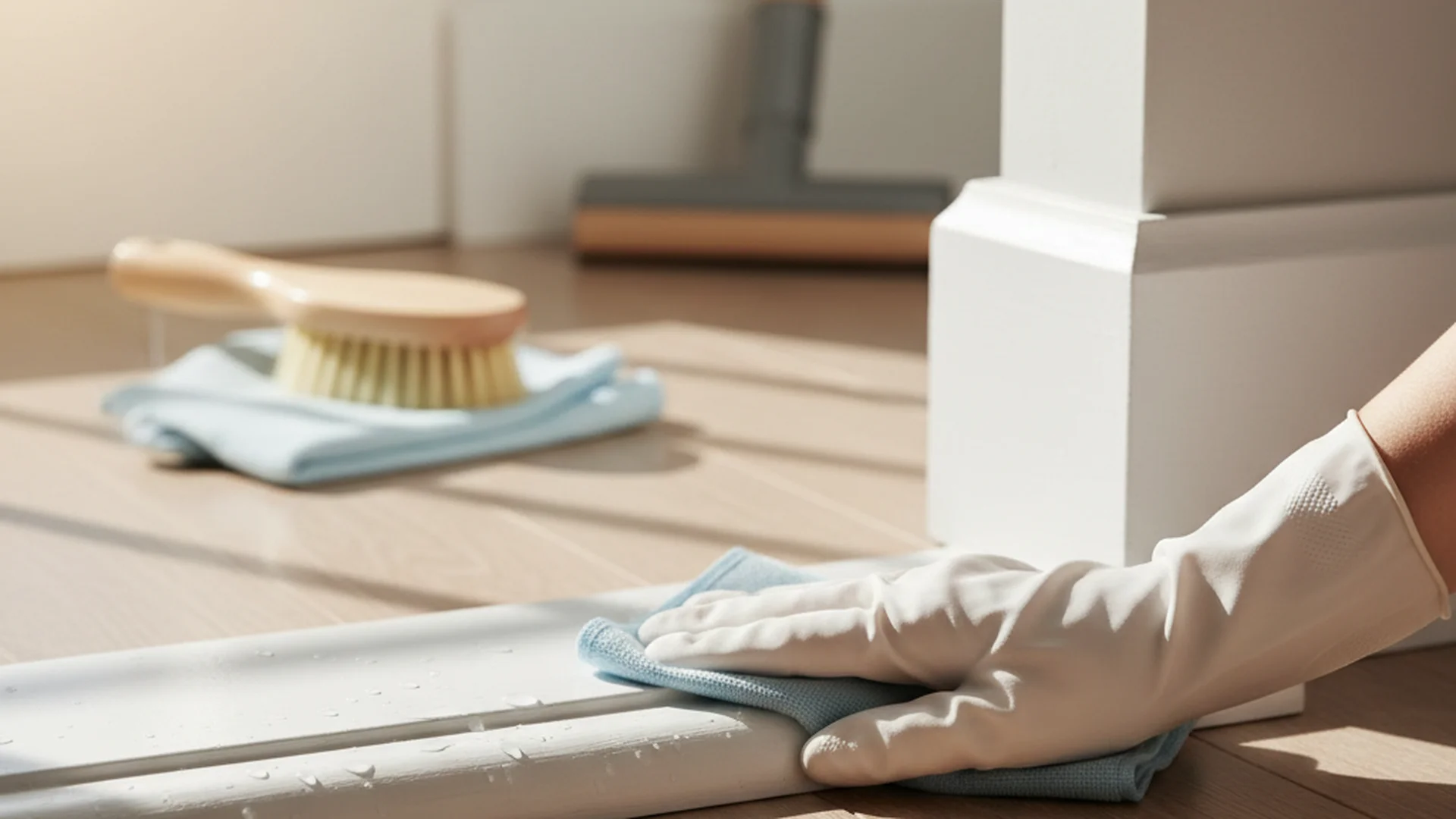
Using a bucket of warm, soapy water and a microfibre cloth, wipe down the exterior panels and the pipes.
Tip: For white radiators that have started to yellow, mix a 50/50 solution of warm water and white vinegar. This natural acid helps restore the "glossy" finish without damaging the paint.
Step 5: Don't Forget the Wall
A common mistake is ignoring the wall behind the radiator. Because of the heat, dust often sticks to the wall, creating "radiator tide marks." Gently wipe the wall with a damp cloth to prevent permanent staining.
2026 Trends in Radiator Care
As home technology evolves, so do our cleaning methods. Here are the latest trends for the 2025-2026 season:
Dry Steam Cleaning
There has been a significant shift toward using "dry steam" cleaners. Unlike traditional steam mops, dry steam uses very little water, making it safe for metal surfaces. It provides a chemical-free way to sanitize and "blast" out grime from tight corners without the mess of soapy buckets.
Smart Radiator Integration
Many homes now utilize IoT-enabled smart radiator valves. These devices can monitor the temperature differential between the radiator and the room. If the valve detects that the radiator is getting hot but the room temperature isn't rising, it may send a notification to your smartphone suggesting that the unit needs cleaning or bleeding.
Designer Finishes
Modern homes in 2026 frequently feature matte black, anthracite, or flat-panel radiators. These require extra care.
Warning: Avoid using any abrasive pads, steel wool, or harsh chemicals on designer finishes. These can leave permanent micro-scratches that ruin the matte effect. Stick exclusively to soft microfibre cloths.
Common Mistakes to Avoid
Even with the best intentions, certain cleaning habits can do more harm than good.
- The "Scented Spray" Risk: A recurring social media trend involves spraying antibacterial aerosols or laundry softeners (like Zoflora) directly onto radiators to scent the home. This is a severe fire risk. Many of these products contain flammable alcohols which can ignite when the radiator heats up.
- Using Bleach: Harsh bleach can react with the metal and the paint, leading to premature rusting or permanent streaking on colored units.
- Ignoring Electric Radiators: While you can clean electric radiators, you must unplug them first. Never use water near the internal electrical components or control panels.
| Cleaning Mistake | Potential Consequence |
|---|---|
| Spraying Flammable Liquids | Fire Hazard / Explosion |
| Using Abrasive Pads | Stripped Paint / Rusting |
| Cleaning While Hot | Watermarks / Streaks |
| Ignoring the Wall | Permanent Wall Staining |
Frequently Asked Questions
Do I need to turn the heating off before cleaning?
How do I clean the radiator fins without taking it apart?
Can I use a vacuum cleaner on a radiator?
Is it safe to clean an electric radiator?
How often should I clean my radiators?
Conclusion
Mastering how to clean radiators is one of the simplest yet most rewarding home maintenance tasks you can perform. By dedicating just 45 minutes to a deep clean twice a year, you aren't just improving the look of your home; you are actively contributing to a more sustainable lifestyle, reducing your carbon footprint, and keeping your energy bills under control.
Whether you use the hairdryer hack for a quick refresh or invest in a 2026-style dry steam cleaner, the result is the same: a warmer, healthier, and more efficient home.
Success: Regular radiator cleaning can save you up to £225 a year while significantly reducing the dust and allergens circulating in your living space.
Cleaning that keeps score
Every task earns points, every streak multiplies them, and Premium adds a household leaderboard plus a monthly Dustagorgon to beat.
- Free forever
- 30 badges to earn
- Up to 6 in a household
No card needed. Set up your rooms in a couple of minutes.