In this article
What you’ll learn
- Clean the heating element every 5–10 uses to prevent smoke and health risks.
- Use the lemon steam hack to loosen stubborn grease without harsh scrubbing.
- Avoid aerosol cooking sprays to protect the longevity of the non-stick coating.
Now a fixture in kitchens everywhere, these countertop powerhouses have officially become the most popular kitchen appliance after the microwave. We love them for their ability to make everything from Brussels sprouts to chicken wings perfectly crispy, but there is a greasy downside: the "gunk" factor. If you are wondering how to clean air fryer components without damaging the delicate non-stick coating, you aren't alone. Keeping your unit spotless is about more than just aesthetics; it is essential for food safety and extending the lifespan of your favorite gadget.
In this guide, we will explore the best techniques to maintain your appliance, focusing specifically on how to clean air fryer naturally to ensure your meals stay free of synthetic chemicals and lingering fragrances.
Why Proper Air Fryer Maintenance Matters
Before we dive into the scrubbing, it is important to understand what is at stake. Neglected heating elements harbor carbonized food particles. When these particles are reheated repeatedly, they can release acrylamide—a chemical linked to health risks—directly into your food.
Furthermore, regular cleaning can add years to the working life of an air fryer. By preventing grease buildup from clogging the fan motor, you ensure the internal components don't have to work twice as hard to circulate air.
Tip: Always unplug your air fryer and let it cool for at least 30 minutes before you begin the cleaning process to avoid burns or electrical hazards.
How to Clean Air Fryer Naturally: The Power Trio
Many homeowners are moving away from heavy degreasers, preferring "non-toxic" methods for food-contact surfaces. Here is how to clean air fryer without chemicals using three pantry staples: baking soda, lemon, and vinegar.
1. The Baking Soda Deep Clean
For those stubborn, baked-on grease spots that seem impossible to move, baking soda is your best friend. Its mild abrasiveness lifts grime without scratching the non-stick surface.
- The Method: Mix three parts baking soda with one part water to create a thick paste.
- The Process: Apply the paste to the crusty areas of the basket or tray. Let it sit for 20 minutes.
- The Result: Use a soft-bristled brush or silicone scrubber to gently lift the softened residue and rinse with warm water.
2. The Lemon Steam Hack
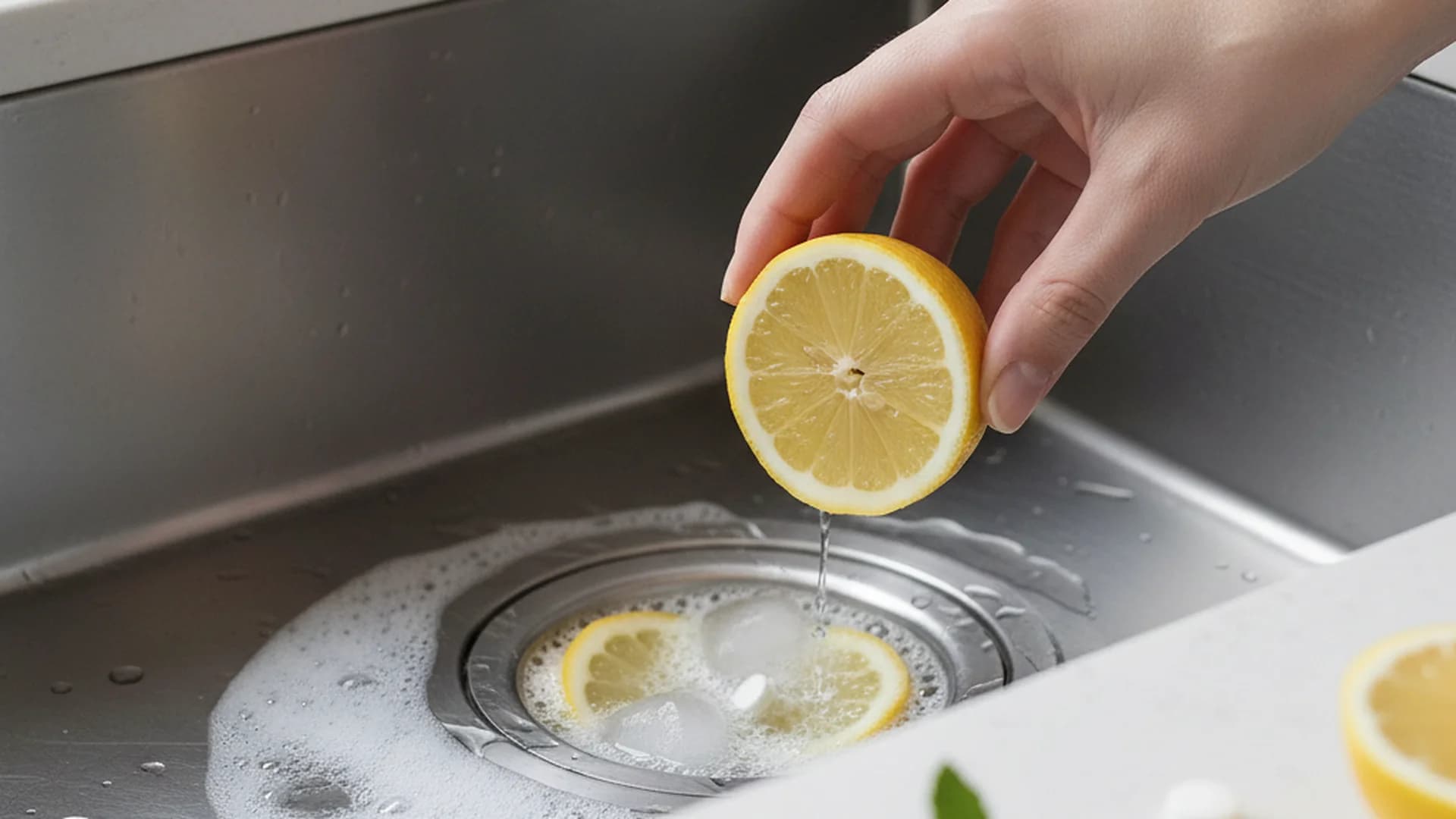
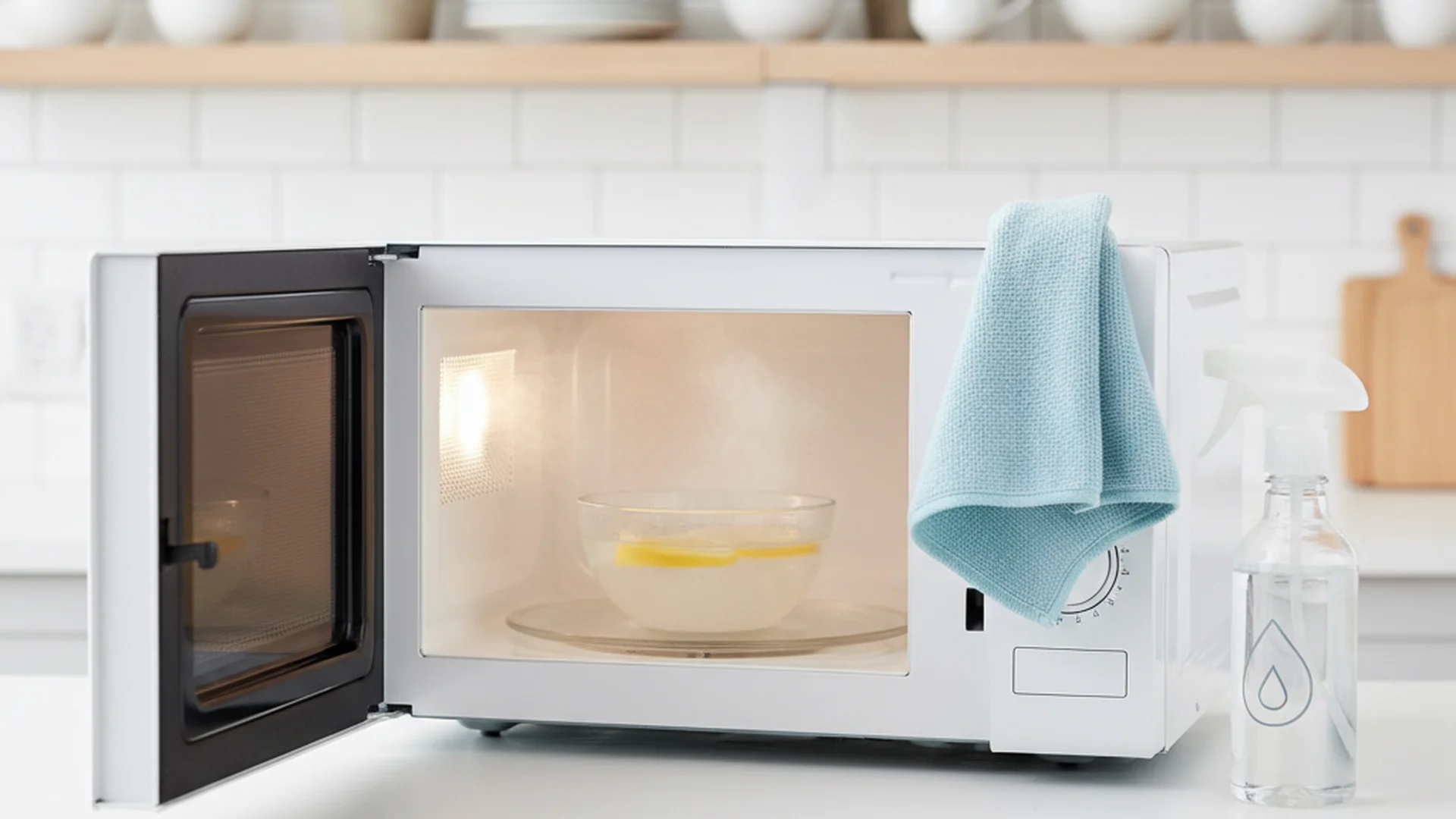
This is the ultimate "set it and forget it" method for loosening grease from the basket and the internal walls.
- The Method: Place a heat-safe bowl filled with water and several lemon slices (or 2 tablespoons of lemon juice) into the air fryer basket.
- The Process: Run the air fryer at 400°F for 5 minutes.
- The Result: The steam circulates throughout the unit, breaking down oils. Once the unit cools slightly, simply wipe the interior with a microfiber cloth.
3. The Vinegar Odor Neutralizer
If you’ve cooked fish or garlicky wings, the smell can linger for days. White vinegar is a natural deodorizer and streak-remover.
- The Method: Create a 1:1 mixture of white vinegar and distilled water in a spray bottle.
- The Process: Lightly mist the exterior and the interior walls (avoiding the heating element).
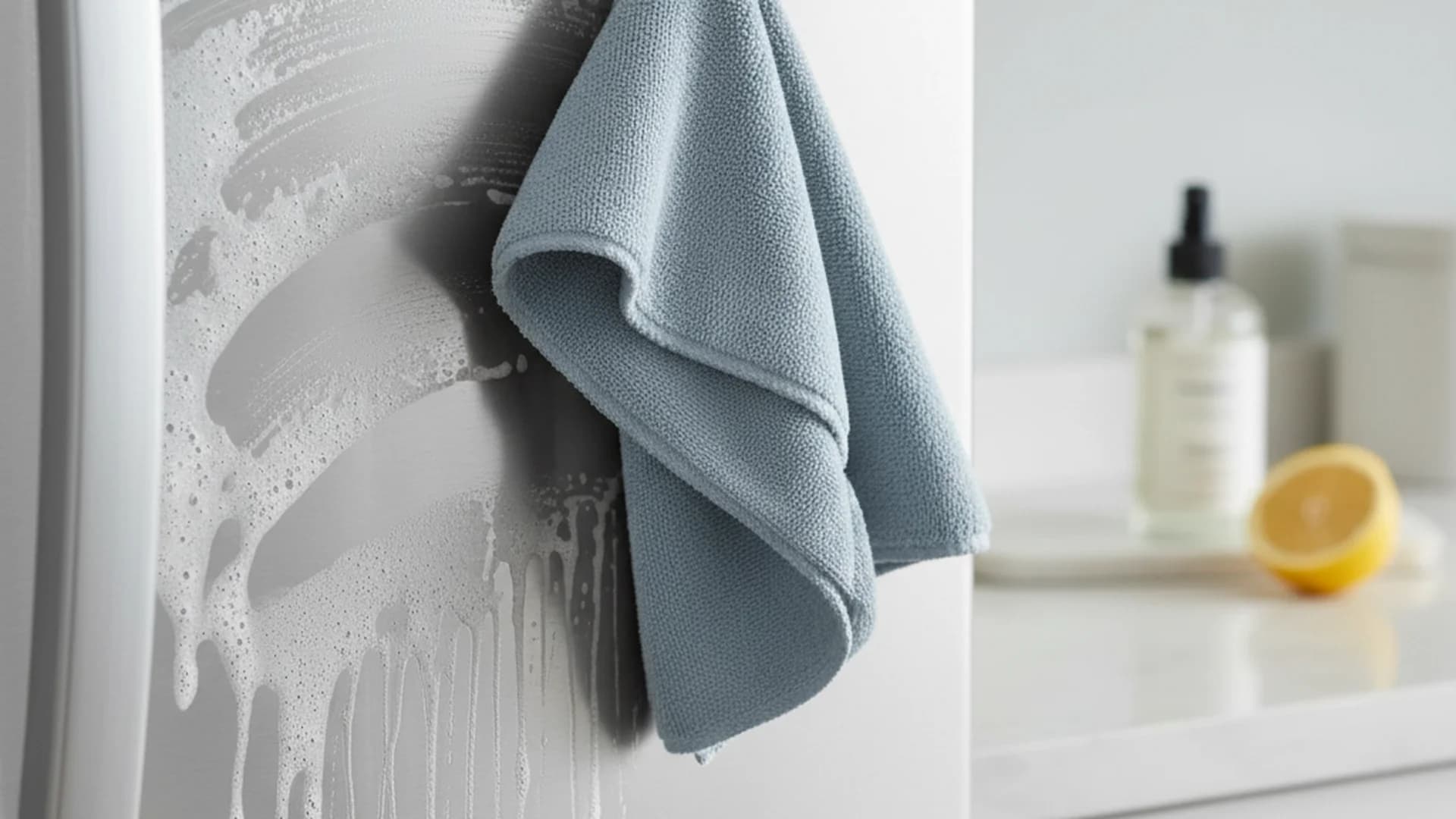
- The Result: Wipe down with a soft cloth for a smudge-free, odorless finish.
Success: Using the lemon steam hack once a week can reduce your deep-cleaning time by 50% by preventing grease from hardening in the first place.
Don’t Forget the Heating Element
The most common mistake people make is only cleaning the basket. The "roof" of the air fryer—where the heating element and fan are located—is a magnet for aerosolized grease. If your air fryer starts smoking during use, this is likely the culprit.
How to clean the heating element safely:
- Turn the unit upside down: Once the unit is completely cool and unplugged, flipping it over provides easier access to the "ceiling."
- Use a soft toothbrush: Dampen a toothbrush with a little lemon juice or a mild bio-enzymatic cleaner.
- Gently scrub the coil: Avoid using excessive water, as you don't want moisture seeping into the motor housing.
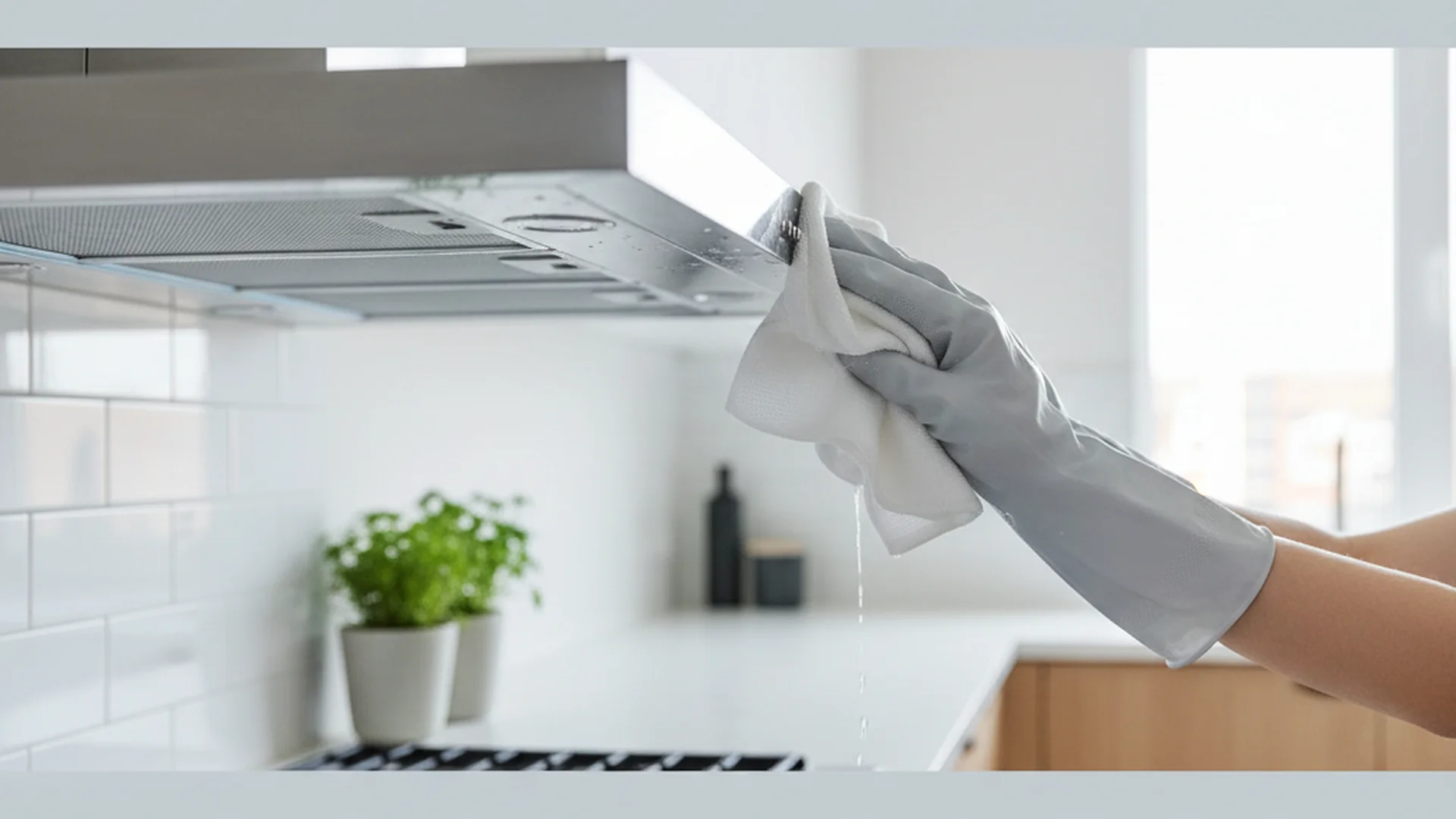
- Wipe clean: Use a damp microfiber cloth to remove the loosened debris.
Warning: Never use steel wool or metal scouring pads on the heating element or the basket. This will permanently strip the protective coatings and can lead to rusted metal and fire hazards.
2025-2026 Trends in Air Fryer Care
As technology evolves, so do our cleaning methods. If you want to stay ahead of the curve, consider these trending tools and techniques:
- Ultrasonic Cleaners: Many enthusiasts are now using small portable ultrasonic cleaners to deep-clean racks and trays. These devices use sound waves to remove grease from microscopic crevices that brushes can't reach.
- Medical-Grade Silicone Mats: There is a massive shift away from disposable parchment paper toward perforated silicone liners. These are eco-friendly, dishwasher-safe, and keep the main basket significantly cleaner.
- Bio-Enzymatic Kitchen Sprays: For those who want a commercial solution without the "chemical" smell, enzyme-based cleaners are trending. They use natural proteins to break down organic fats and oils on contact.
| Cleaning Tool | Best For | Eco-Friendly? |
|---|---|---|
| Baking Soda Paste | Baked-on Grease | Yes |
| Lemon Steam | Interior Walls | Yes |
| Silicone Mats | Prevention | Yes |
| Soft Toothbrush | Heating Element | Yes |
Common Mistakes to Avoid
Even seasoned home cooks can make mistakes that shorten the life of their appliances. Here are the top "don'ts":
- Using Aerosol Cooking Sprays: Commercial sprays like Pam often contain lecithin. This ingredient creates a gummy, plastic-like residue on non-stick surfaces that is nearly impossible to remove without damaging the coating. Use an oil mister with pure olive or avocado oil instead.
- Thermal Shock: Never submerge a hot air fryer basket in cold water. The sudden temperature change can warp the metal or cause the non-stick coating to crack and flake off.
- Over-soaking the Main Unit: While soaking the basket is fine, never submerge the main power unit. Moisture entering the control panel or the fan housing is a leading cause of electrical failure.
- Neglecting the Exterior: Dust and grease can settle in the air intake vents. Periodically wipe these down to ensure the fan can pull in enough air to operate efficiently.
Note: Even if you use liners, a fine mist of oil still settles on the internal fan during the cooking process. You still need to perform a deep clean periodically!
Frequently Asked Questions
Can I put my air fryer basket in the dishwasher?
How do I get rid of the "burnt plastic" smell in a new air fryer?
How often should I clean the heating element?
Why is my air fryer smoking?
Conclusion
Mastering how to clean air fryer units doesn't require expensive chemicals or hours of scrubbing. By embracing natural solutions like baking soda and the lemon steam hack, you can maintain a hygienic kitchen while protecting the longevity of your appliance. Remember to prioritize the "hidden" areas like the heating element and avoid the common pitfalls of aerosol sprays and abrasive tools.
With a consistent maintenance routine, your air fryer will continue to produce crispy, delicious, and—most importantly—safe meals for years to come.
Success: A clean air fryer uses less energy and cooks food more evenly. Your taste buds (and your electricity bill) will thank you!
Cleaning that keeps score
Every task earns points, every streak multiplies them, and Premium adds a household leaderboard plus a monthly Dustagorgon to beat.
- Free forever
- 30 badges to earn
- Up to 6 in a household
No card needed. Set up your rooms in a couple of minutes.