In this article
What you’ll learn
- Deep clean every 3-6 months to extend appliance life by up to 5 years.
- Cleaning condenser coils can improve energy efficiency by 25%.
- Natural solutions like vinegar and activated charcoal are safer and more effective than harsh chemicals.
Learning how to clean refrigerator units properly is one of the most impactful maintenance tasks you can perform in your home. As the heart of your kitchen, the refrigerator is responsible for keeping your food fresh and your family safe from foodborne illnesses. However, many homeowners overlook the technical side of this appliance. Beyond just wiping up a spill, a truly effective clean involves managing airflow, maintaining mechanical parts, and ensuring the interior environment is free of harmful bacteria.
In this guide, we will explore the professional methods for sanitizing your fridge, the rise of "microbiome-friendly" cleaning, and why reaching for natural ingredients is often superior to industrial cleaners.
Why Refrigerator Maintenance Matters
Most of us treat the refrigerator as a "set it and forget it" appliance. In practice, plenty of households have never looked at the manufacturer recommendations for cleaning and maintaining their refrigerators. That knowledge gap leads to higher energy bills and premature appliance failure.
Energy Efficiency and Appliance Longevity
The most compelling reason to look behind and beneath your fridge is the condenser coils. Over time, these coils collect pet hair, dust, and kitchen grease. When coated in debris, they cannot shed heat efficiently, forcing the motor to work significantly harder. This can reduce your refrigerator’s efficiency by up to 25%.
Success: Regular maintenance doesn't just lower your electric bill; it protects your investment. While a modern fridge typically lasts 10 years, regular deep cleaning and coil maintenance can extend that lifespan by 3–5 years.
Food Safety Standards
We often think of the fridge as a "safe zone," but bacteria like Listeria can actually thrive in cold, damp environments. Standard food safety guidance is that cooked leftovers stay safe for only 4 days, while raw poultry should be used or frozen within 1–2 days. A weekly "toss day" combined with a quarterly deep clean is the gold standard for preventing cross-contamination.
How to Clean Refrigerator Naturally
Many people are moving away from harsh bleach-based products in favor of food-safe alternatives. Knowing how to clean refrigerator naturally ensures that no toxic residues come into contact with your produce or open containers.
The "Without Chemicals" Toolkit
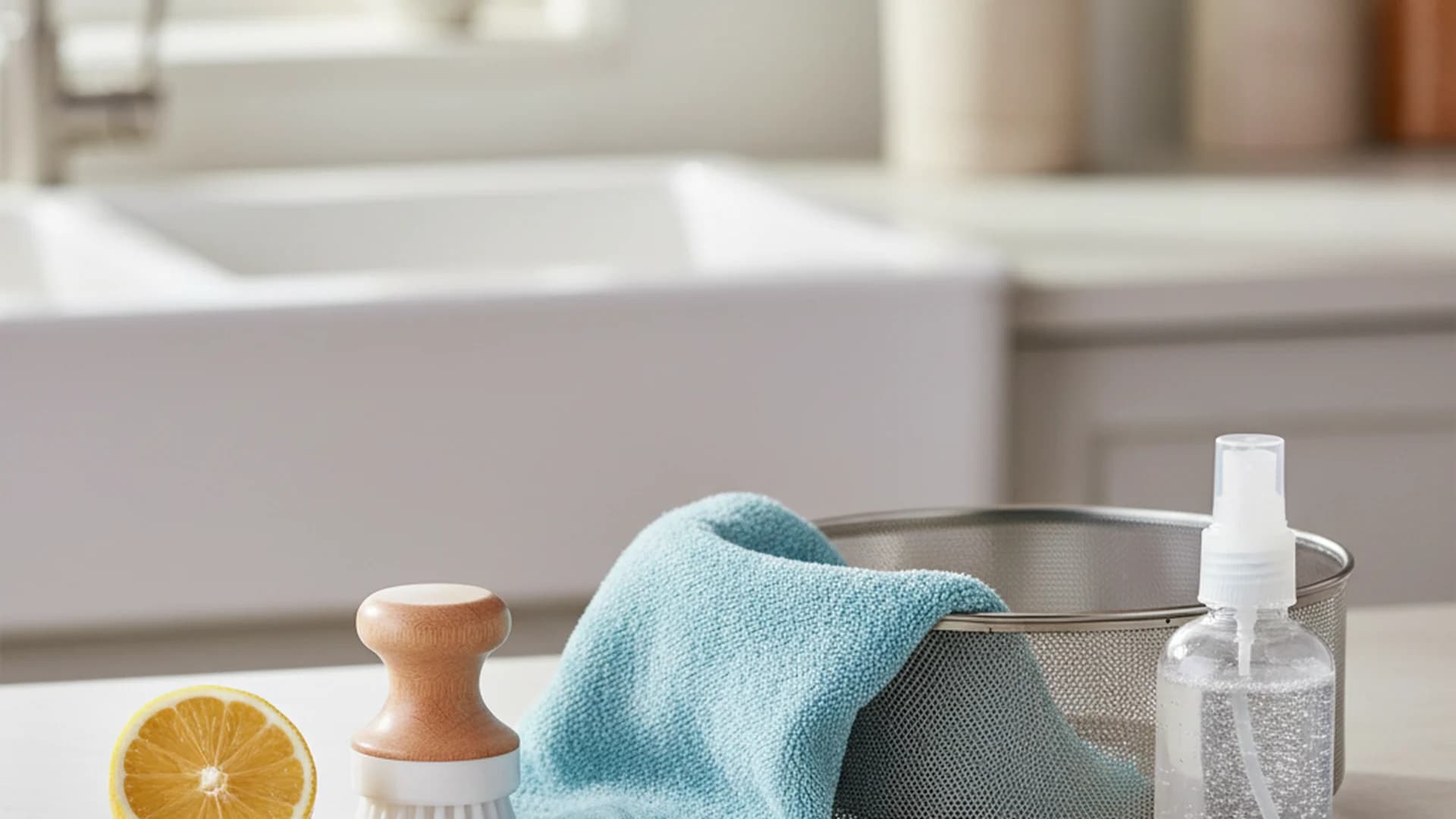
Learning how to clean refrigerator without chemicals is simpler than you might think. A few pantry staples do most of the work:
- DIY Vinegar Spray: Mix 1 part white vinegar with 2 parts hot water and a teaspoon of mild dish soap. The acidity of the vinegar breaks down grease and acts as a natural deodorizer.
- Baking Soda Paste: For those stubborn, "crusty" stains (like dried jelly or meat juices), create a paste using baking soda and a small amount of water.
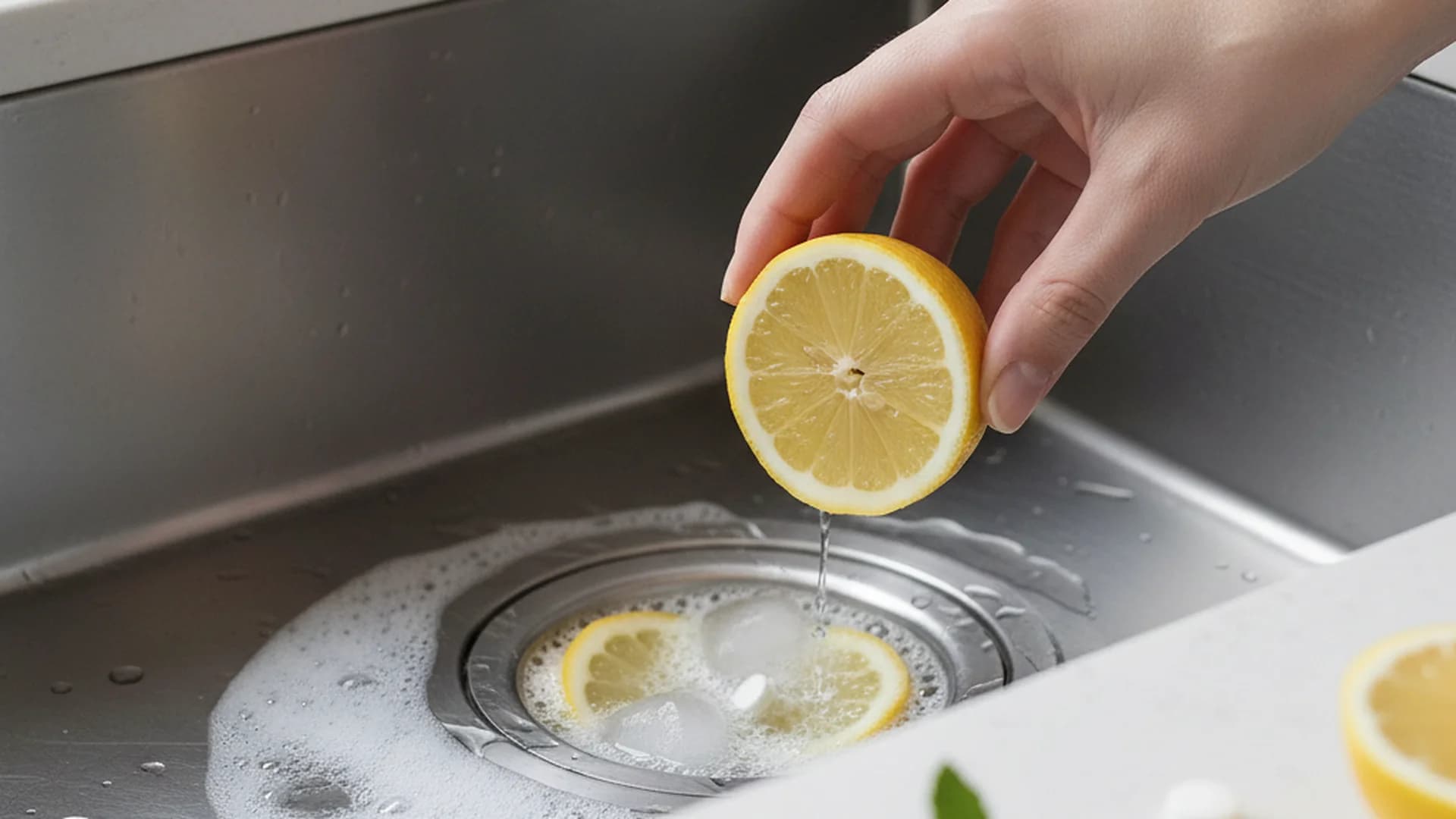
- Lemon Juice Finish: Add a few drops of lemon juice to your natural spray for a fresh, citrus scent without synthetic fragrances.
Note: Vinegar is safe for most refrigerator interiors, but avoid using it on natural stone surfaces if your fridge has custom marble or granite exterior accents.
Step-by-Step Deep Cleaning Process
To achieve a professional-grade result, follow this systematic approach. This ensures you don't miss hidden bacteria or mechanical components.
Step 1: The Purge
Empty every single item from the refrigerator. This is the time to be ruthless. Check expiration dates and discard anything that is past its prime.
Example: If you find a jar of condiment that hasn't been opened in six months, it’s likely taking up valuable airflow space. Clear it out to improve the unit's efficiency.
Step 2: Soak and Sanitize
Remove all drawers, shelves, and door bins.
Warning: Never put cold glass shelves directly into hot water. This can cause "thermal shock," leading the glass to shatter instantly. Allow shelves to reach room temperature before washing.
Soak these components in a bathtub or large sink with warm, soapy water and a cup of vinegar. This loosens stuck-on food and sanitizes the plastic and glass.
Step 3: Interior Wipe Down
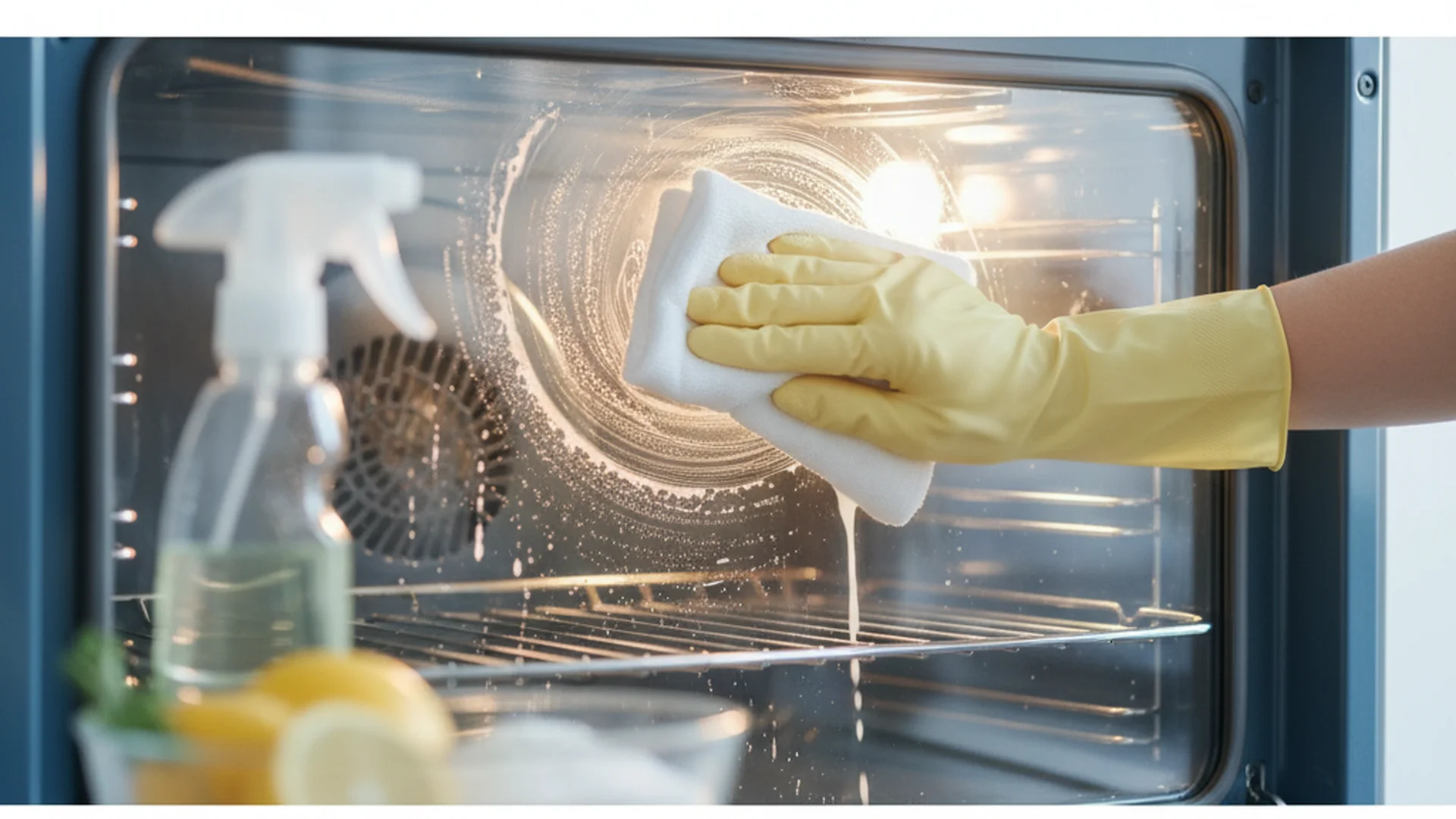
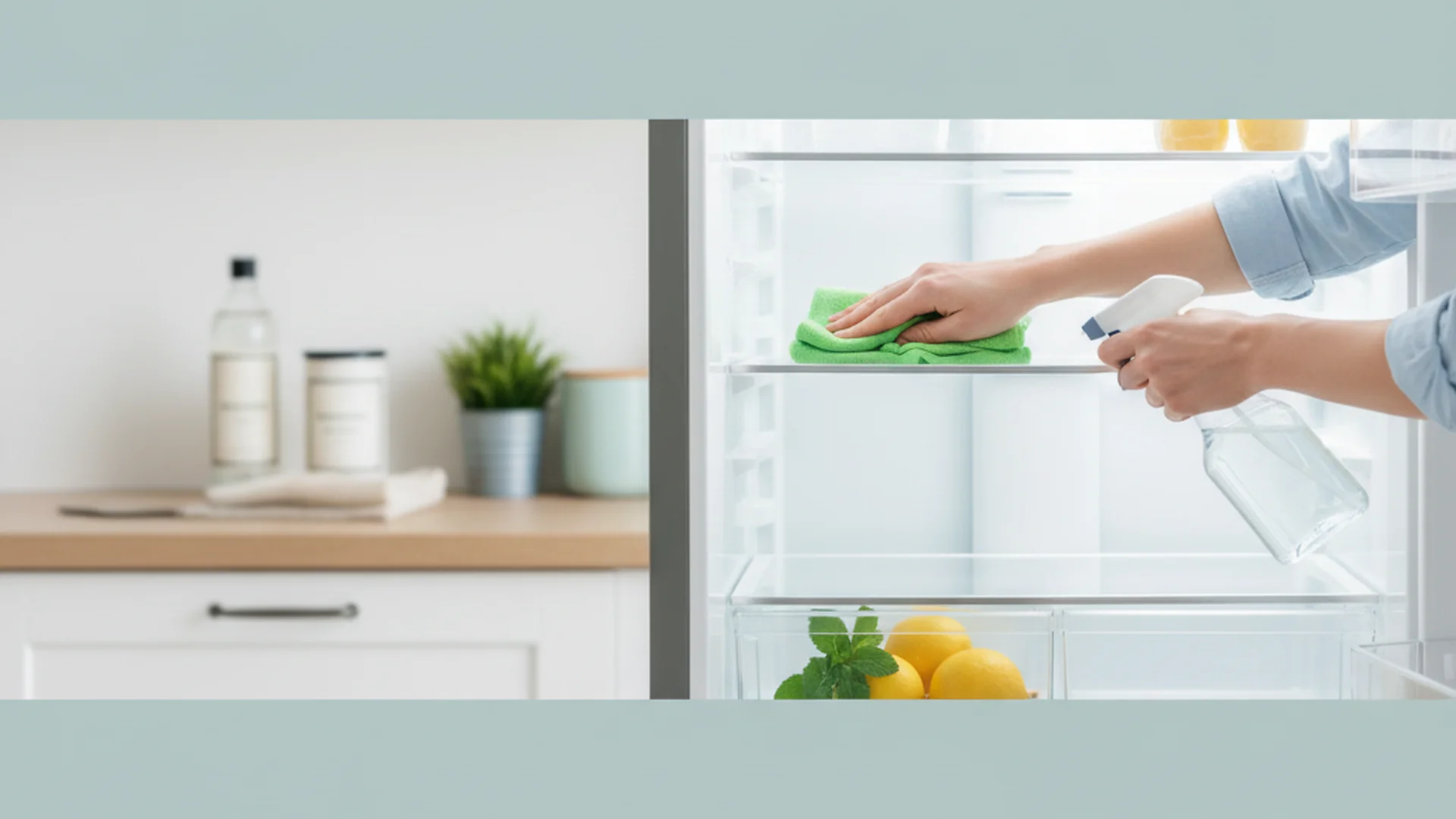
While the shelves are soaking, spray the interior walls with your DIY solution. Always work from top to bottom so that drips fall onto uncleaned surfaces.
- Door Gaskets: Use an old toothbrush to scrub the rubber seals around the door. Crumbs often hide here, preventing a tight seal and letting cold air escape.
- Vents: Use a damp cloth to wipe the air vents, ensuring they aren't blocked by ice or debris.
Step 4: The "Forgotten" Parts
This is where the real maintenance happens.
- Condenser Coils: Unplug the unit. Use a coil brush or a vacuum with a narrow attachment to remove dust from the coils at the back or bottom of the fridge.
- Drip Tray: Many refrigerators have a tray at the bottom to catch condensation. If left uncleaned, this becomes a breeding ground for mold and odors.
Step 5: Dry and Buff
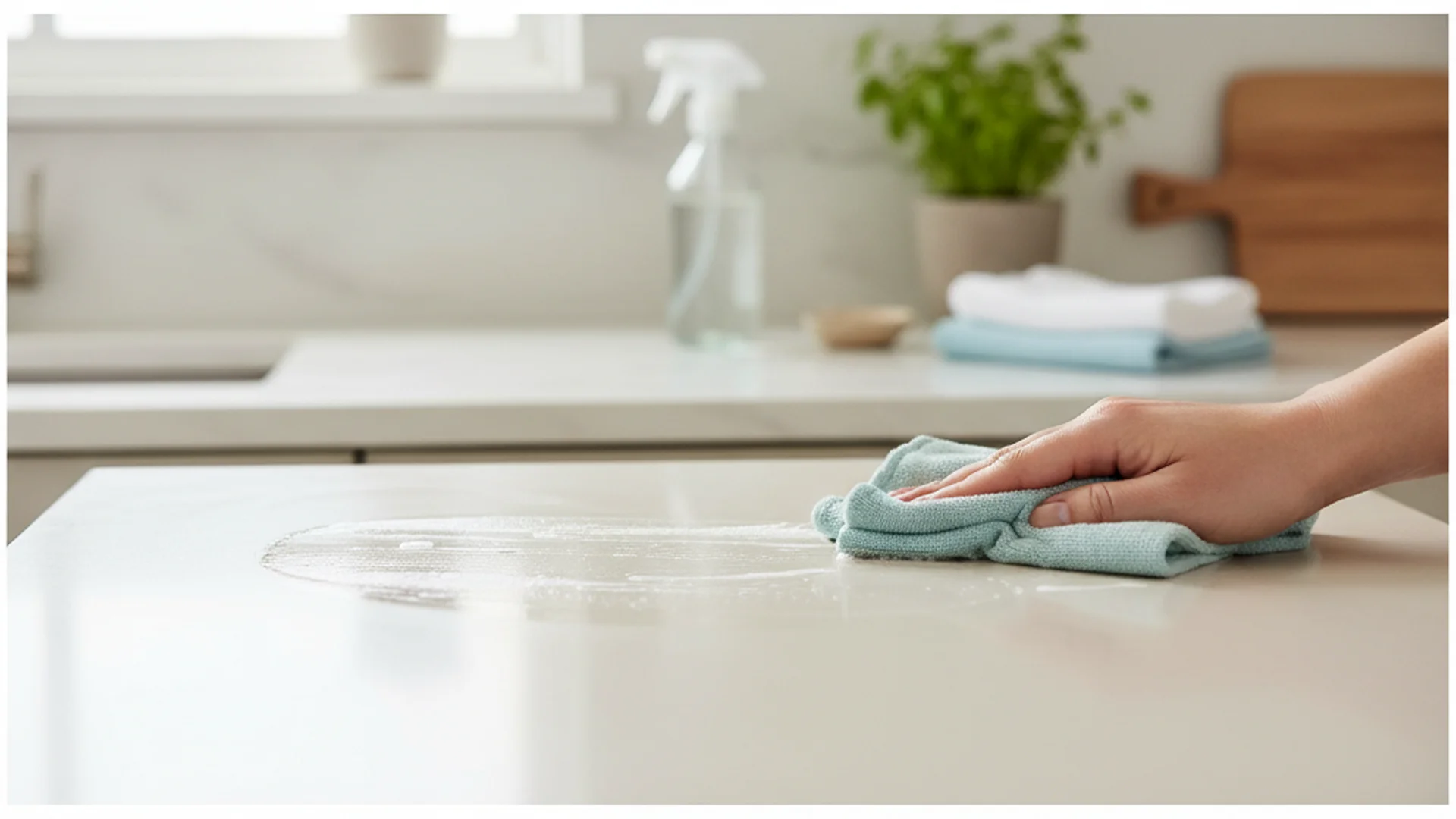
Use a clean microfiber cloth to dry all surfaces. This prevents streaks on glass and prevents the formation of ice crystals in the freezer compartment.
| Component | Cleaning Method | Frequency |
|---|---|---|
| Interior Walls | Vinegar/Water Spray | Monthly |
| Drawers/Bins | Warm Soapy Soak | Quarterly |
| Condenser Coils | Vacuum/Brush | Every 6 Months |
| Door Gaskets | Toothbrush/Mild Soap | Monthly |
2025-2026 Trends in Refrigerator Care
The world of appliance maintenance is evolving. Here are the latest trends we are seeing in 2025 and 2026.
Probiotic Cleaners
A major shift this year is the rise of probiotic-based formulations. Unlike traditional disinfectants that kill 99.9% of all bacteria (including the good ones), probiotic cleaners leave behind beneficial microbes. these "microbiome-friendly" bacteria continue to fight odor-causing germs for days after you finish cleaning.
Smart Cleaning Integration
Modern 2025/2026 refrigerator models now feature internal sensors. These connect to smartphone apps to alert you when air filters need replacing or when high moisture levels suggest a drainage clog. This takes the guesswork out of maintenance.
Sustainable Packaging and Antimicrobial Surfaces
Consumer demand has pushed the market toward concentrated refill tablets and glass spray bottles, significantly reducing plastic waste. Additionally, 2026 design trends include refrigerators with silver-infused gaskets that naturally inhibit bacterial growth on high-touch areas.
Common Mistakes to Avoid
Even the most diligent cleaners can make mistakes that damage their appliances.
- The "Cool Down" Myth: Many people believe they must let hot food cool completely on the counter before refrigerating it. This is a safety risk. It is much safer to place warm food in shallow containers and refrigerate it immediately to move it through the "danger zone" (40°F - 140°F) quickly.
- Overloading: Cramming a fridge too full blocks airflow. This creates "warm spots" where food can spoil even if the thermostat is set correctly.
- Ignoring the Drainage Hole: Often located on the back wall, this small hole can clog with food debris. Example: If you notice a puddle of water at the bottom of your vegetable crisper, a clogged drainage hole is the likely culprit.
- Using Abrasives on Stainless Steel: Never use paper towels or abrasive sponges on stainless steel. They leave micro-scratches that dull the finish over time. Always wipe with the grain of the metal using a microfiber cloth.
Tip: If you aren't sure which way the grain runs, look closely for faint horizontal or vertical lines on the metal surface. Always move your cloth in that same direction.
Frequently Asked Questions
How often should I deep clean?
Can I put cold glass shelves in hot water?
Does baking soda actually remove odors?
Should I unplug the fridge to clean it?
Conclusion
Mastering how to clean refrigerator components is a fundamental skill for any homeowner. By utilizing natural cleaners and following a structured maintenance schedule, you ensure your food stays fresh, your energy bills stay low, and your appliance lasts for years to come. Whether you are switching to 2025's probiotic cleaners or sticking to the tried-and-true vinegar method, the key is consistency and attention to the "forgotten" parts like coils and gaskets.
Success: A clean refrigerator uses less energy, smells better, and provides a safer environment for your family's food.
Cleaning that keeps score
Every task earns points, every streak multiplies them, and Premium adds a household leaderboard plus a monthly Dustagorgon to beat.
- Free forever
- 30 badges to earn
- Up to 6 in a household
No card needed. Set up your rooms in a couple of minutes.