In this article
What you’ll learn
- Always use pH-neutral cleaners to protect the cellular structure of the cork.
- Never use steam mops or excessive water, as cork is highly absorbent.
- Regular grit removal is the most important factor in preventing surface scratches.
Cork flooring has seen a massive resurgence in 2025, thanks to the rise of "Biophilic Design" and a global shift toward sustainable, plastic-free homes. Often referred to as the "Goldilocks" of flooring, cork is soft, warm, and environmentally friendly, yet it requires a specific touch when it comes to maintenance. If you are wondering how to clean cork floors without damaging their unique cellular structure, you are in the right place. Because cork is a natural material filled with suberin—a waxy, water-resistant substance—it offers built-in protection, but it is far from invincible.
Understanding the Nature of Cork
Before grabbing your mop, it is essential to understand what makes cork different from hardwood or laminate. A single cubic centimeter of cork contains approximately 40 million cells. This structure acts like a microscopic sponge; while the suberin provides some resistance to mold and mildew, the material itself is highly porous. If the protective seal on your floor is breached, moisture can seep in, causing the cells to swell and the planks to warp.
The Sensitivity of the Finish
Most modern cork floors are finished with either a polyurethane coating or a natural wax. In 2025, we are seeing a trend toward "Ultra-Matte" finishes that mimic the raw look of the forest floor. These finishes are beautiful but can be dulled by the wrong chemicals. Using the best way to clean cork floors involves maintaining this finish rather than fighting against it.
Daily Maintenance: The "Dry-First" Rule
The secret to a 60-year lifespan for your cork floor isn't found in a bottle of expensive cleaner; it is found in your broom. Dust, sand, and pet grit act like sandpaper under your feet. Every time you walk across a dirty floor, you are effectively grinding away the protective wear layer.
Sweeping and Vacuuming
You should aim to sweep or vacuum high-traffic areas daily. However, there is a catch:
Warning: Never use a vacuum with the beater bar turned on. The stiff bristles of a rotating brush can leave micro-scratches on the cork surface that eventually lead to a dull, cloudy appearance.
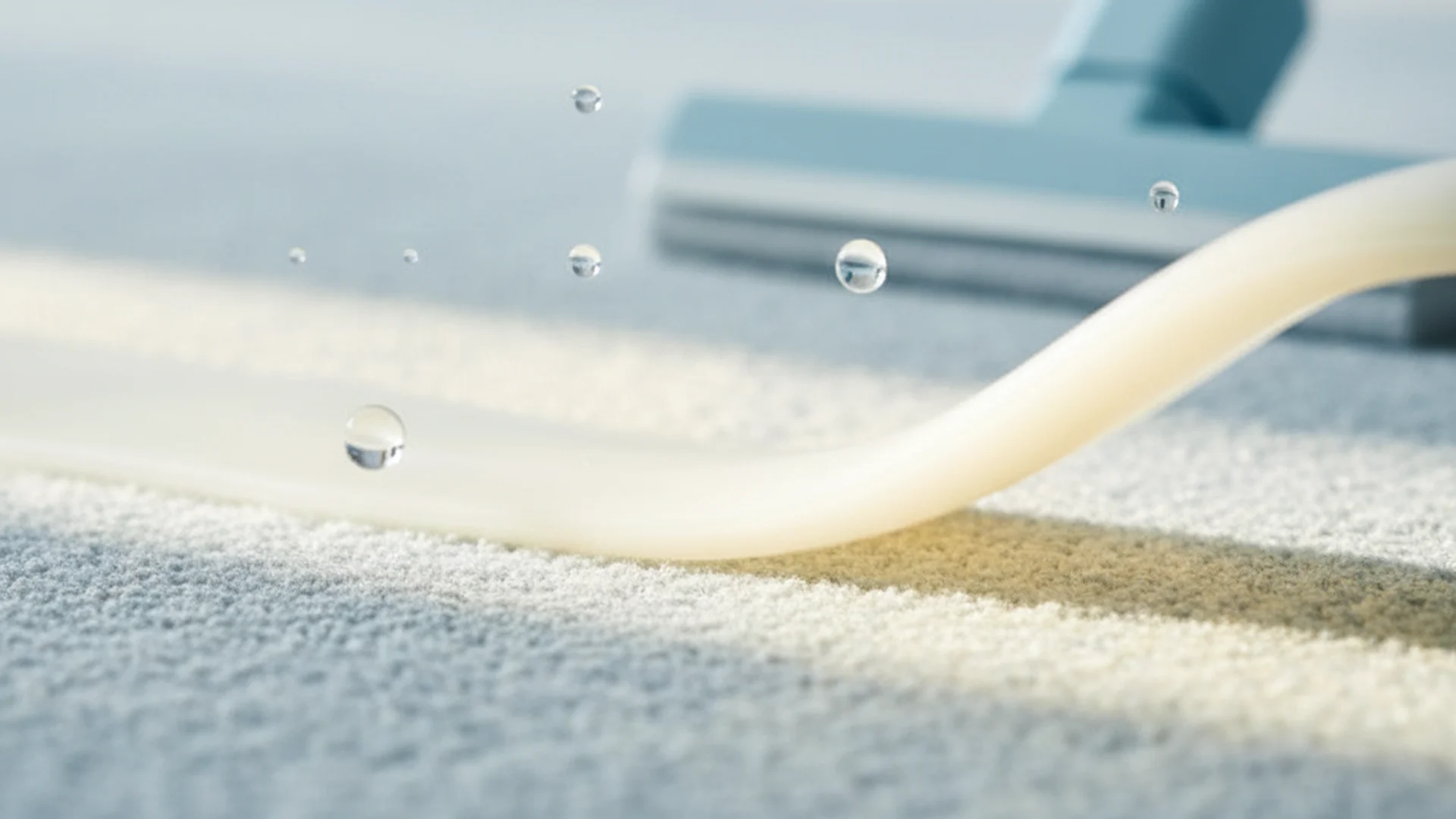
For the best results, use a soft-bristle broom or a vacuum set to the "Hard Floor" mode. This ensures that only suction is touching the floor, removing the grit without the friction.
The Deep Clean: Step-by-Step
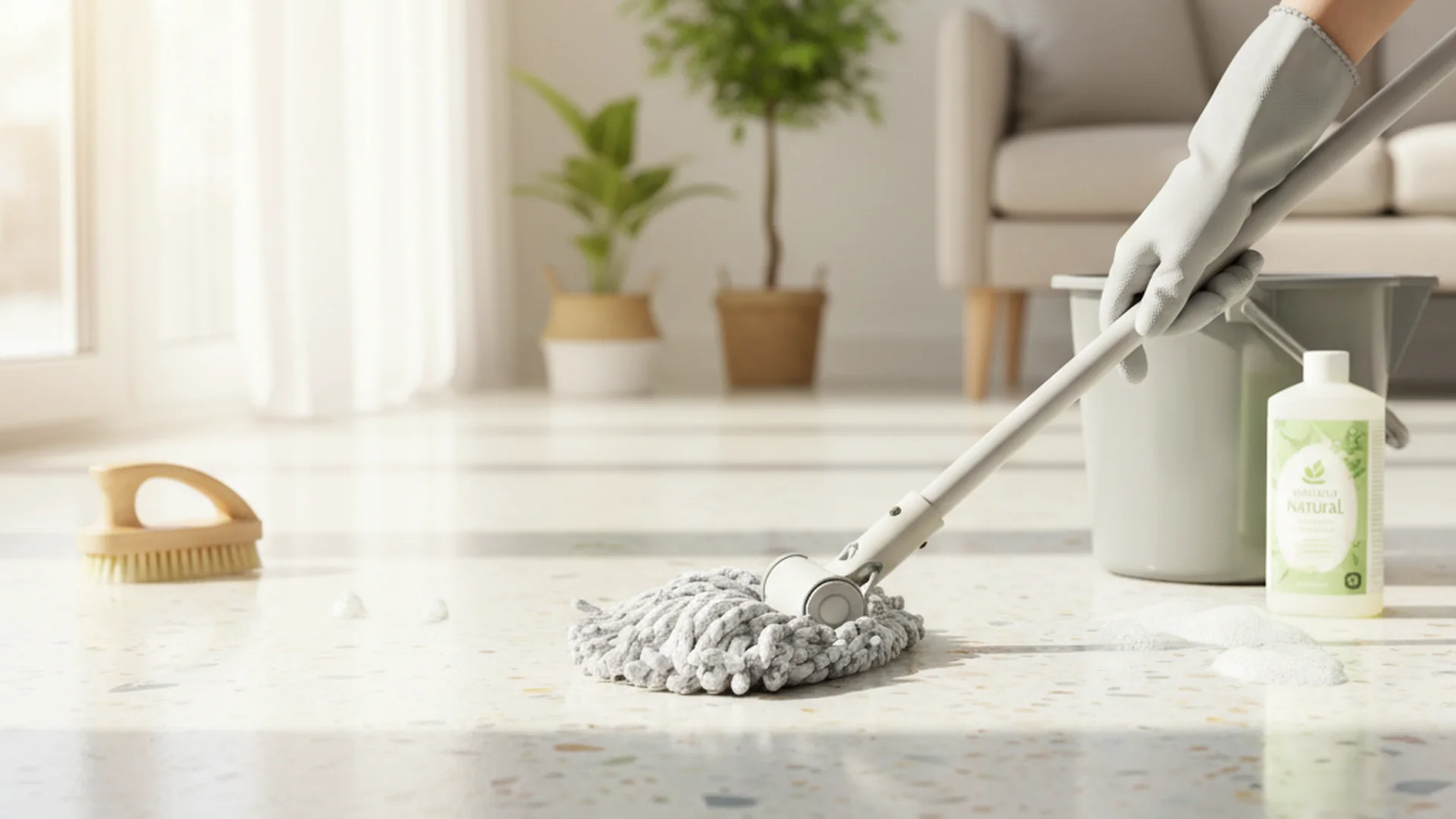
While daily sweeping handles the debris, a bi-weekly damp mop is necessary to remove stuck-on grime and allergens. Here is the professional method for a deep clean that won't compromise the integrity of your floor.
Step 1: Choose Your Solution
The most important of all cork floor cleaning tips is to stay pH-neutral. Harsh acidic or alkaline cleaners will break down the polyurethane seal over time.
- Option A (Pro Choice): Specialized pH-neutral cleaners like Bona or Lobadur.
- Option B (DIY): A very diluted solution of 1/4 cup white vinegar to 1 gallon of warm water.
Note: While vinegar is a popular DIY choice, many experts in 2025 prefer enzymatic cleaners which are gentler on the cellular structure of the cork.
Step 2: The "Damp-Only" Mop Technique
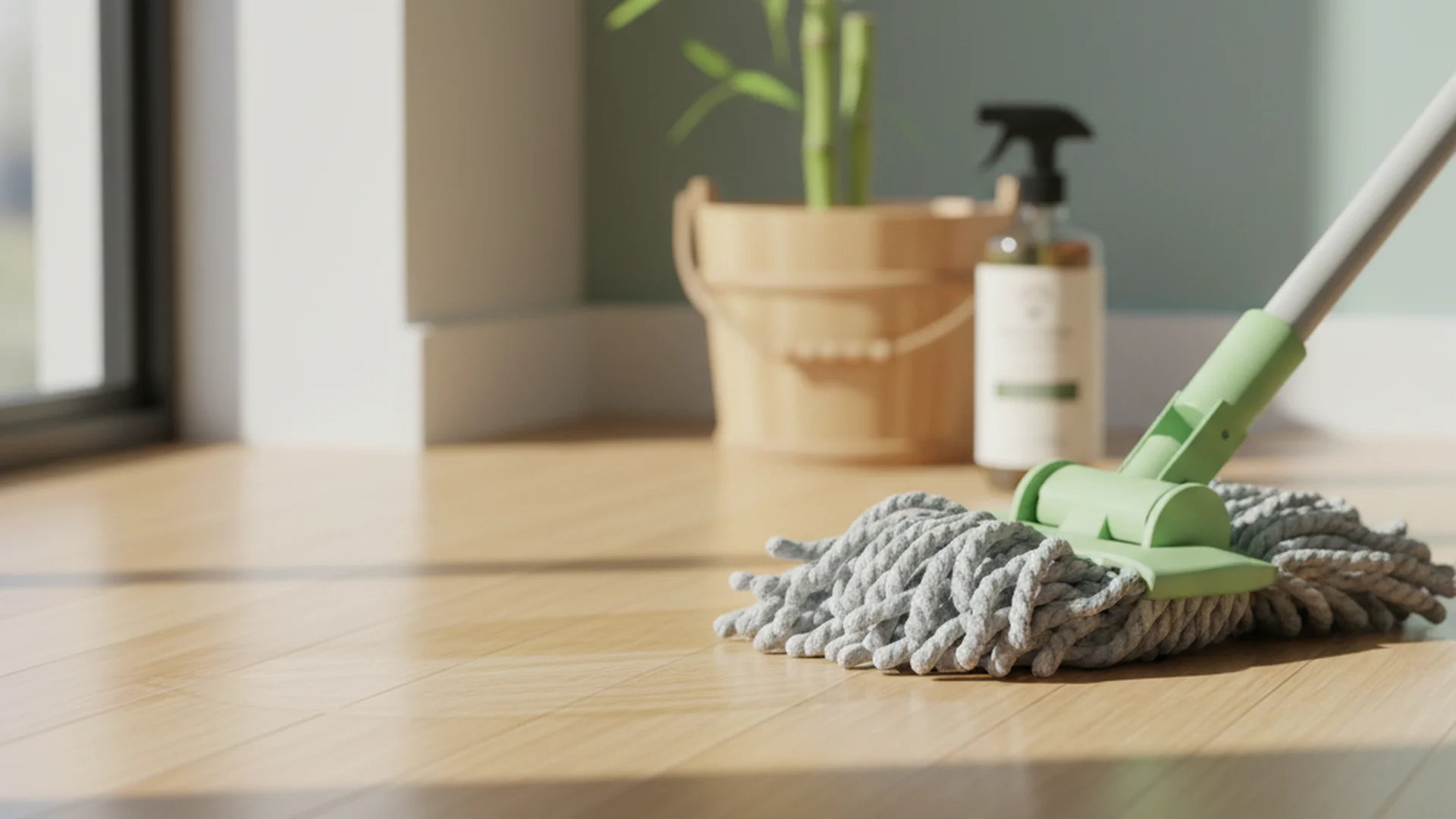
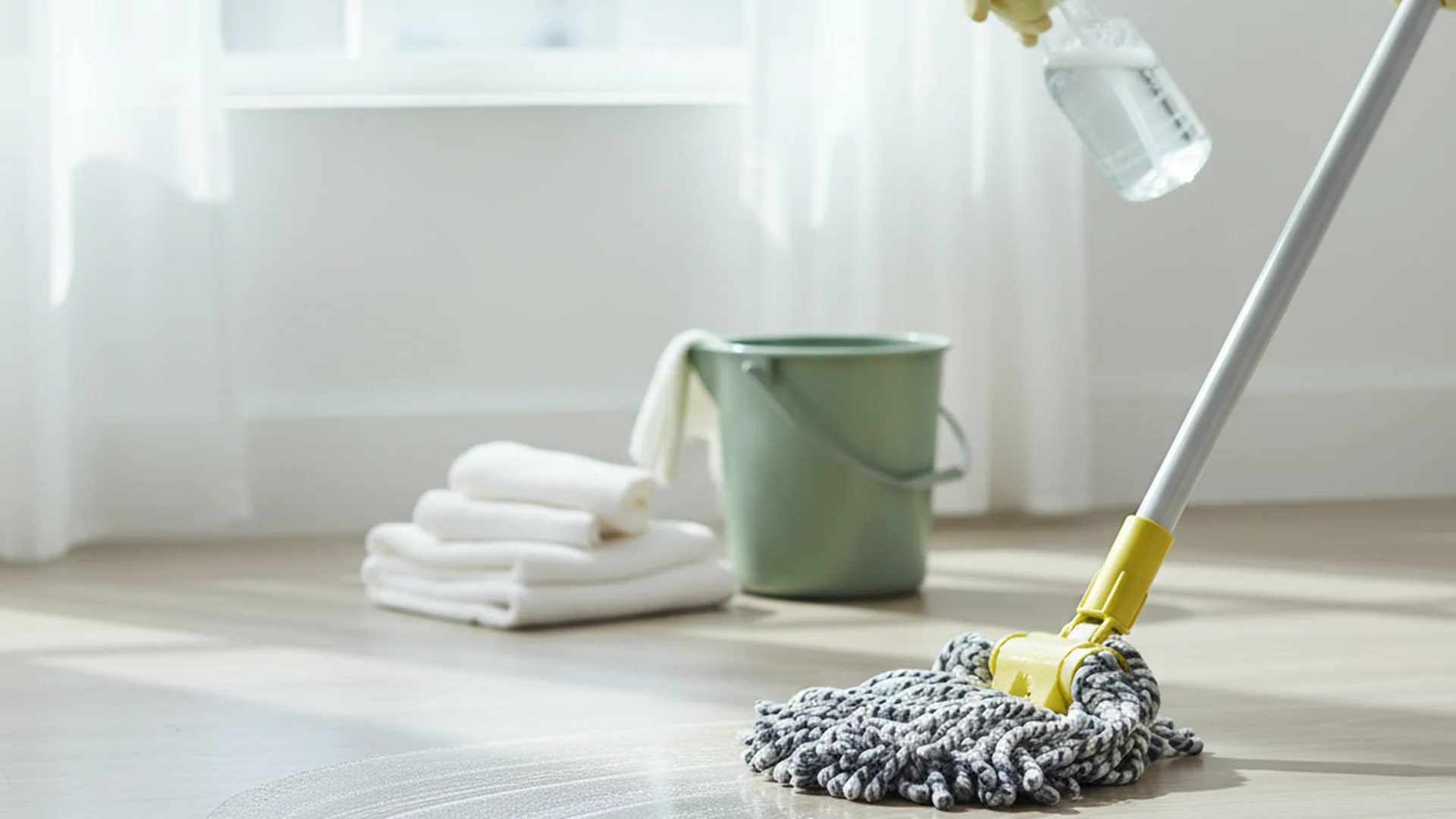
Never use a traditional string mop or a sponge mop that holds a lot of water. Instead, use a microfiber flat mop.
- Dip the microfiber pad into your cleaning solution.
- Wring it out until it is barely damp to the touch. It should feel like a rung-out washcloth, not a wet towel.
- Mop in the direction of the grain (if applicable) or in smooth, even strokes.
- If you see any standing water on the floor, dry it immediately with a clean towel.
Success: Correct damp-mopping prevents "crowning," where the edges of the cork planks lift due to moisture absorption.
Essential Tools for Cork Maintenance
| Tool | Purpose | Frequency |
|---|---|---|
| Soft Bristle Broom | Daily debris removal | Daily |
| Microfiber Flat Mop | Controlled damp mopping | Bi-weekly |
| pH-Neutral Cleaner | Breaking down surface oils | Bi-weekly |
| UV-Filtering Window Film | Preventing sun-fading | Permanent |
| Felt Floor Protectors | Preventing furniture gouges | Permanent |
2025 Trends in Cork Care
As home technology evolves, so do the methods we use to maintain our surfaces. Here are the latest trends for 2025 and 2026.
Robotic Mops and AI Integration
Many homeowners are now using AI-driven robot mops (like the latest Roborock or Roomba models). If you use one of these on cork, you must adjust the settings. Use the "Low Flow" or "Static Mop" setting. These settings ensure the robot doesn't spray excessive water, which could sit in the seams of the cork while the robot navigates.
Probiotic and Enzymatic Cleaners
There is a massive shift away from harsh chemicals toward probiotic cleaners. These products use "good bacteria" to consume organic stains and odors without damaging the polyurethane seal. This is particularly useful for pet owners, as it tackles biological messes at the molecular level.
Ultra-Matte Aesthetics
The current trend for "Biophilic" home design favors extra-matte finishes. If your floor has this look, avoid any cleaners that promise a "high-gloss shine." These often contain waxes or silicones that build up and create a sticky residue, eventually requiring a professional strip-and-wax service.
Common Mistakes to Avoid
Even the most well-intentioned cleaning can go wrong if you use the wrong tools. Avoid these common pitfalls:
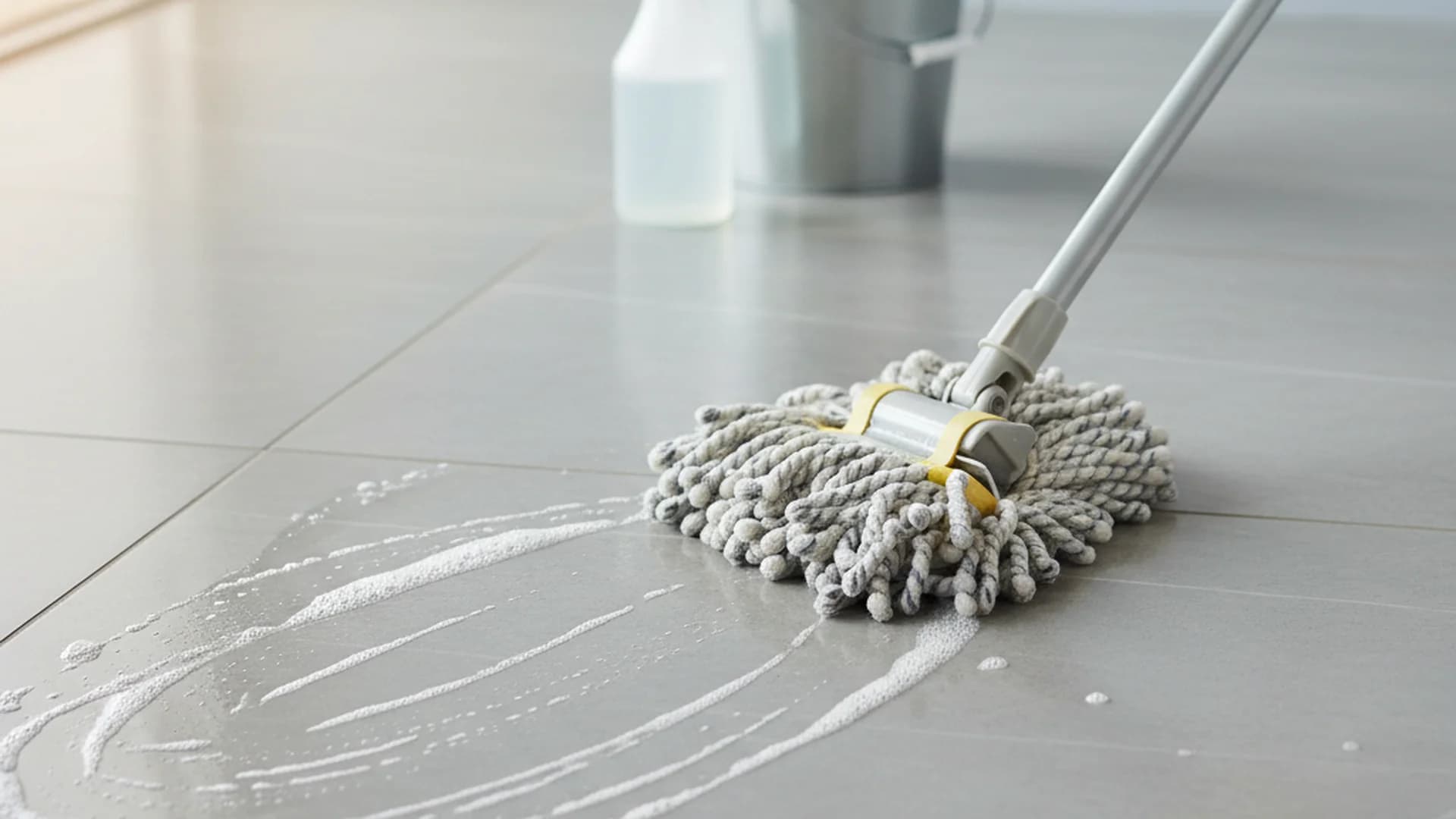
- The Steam Mop Trap: While steam is great for tile, it is the enemy of cork. The high heat and pressurized moisture can force water into the joints, causing the cork to swell or the finish to delaminate.
- Bleach and Ammonia: These chemicals will yellow the finish almost instantly and can degrade the natural suberin in the cork.
- Abrasive Scrubbers: Never use steel wool or green scouring pads. If a stain is stubborn, use a soft cloth and a bit more elbow grease—never an abrasive.
- Over-Washing: You do not need to damp-mop every day. Over-washing increases the chance of moisture-related damage.
Warning: High heels and pet claws are the most common causes of physical "piercing" in cork. Keep pet nails trimmed and encourage a "no-shoes" policy in the home.
Real-World Scenarios
Example 1: The Kitchen Spill
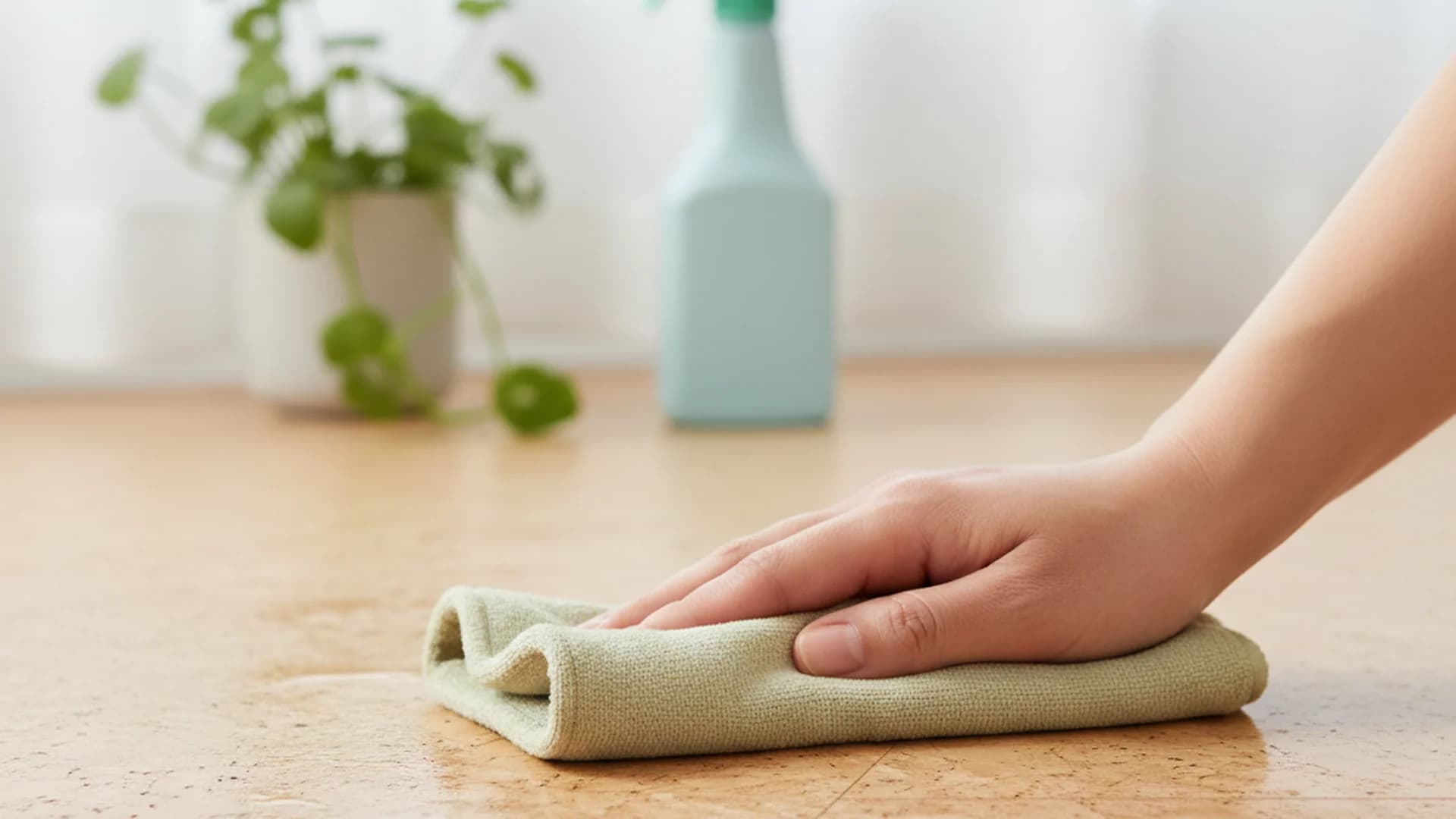
In a busy kitchen, a spilled glass of red wine can be a disaster for a porous floor. On cork, the key is speed. Because of the cellular density, the liquid won't soak in instantly. Wipe it up with a dry paper towel, then follow up with a microfiber cloth dampened with a pH-neutral cleaner to ensure no sugar residue remains.
Example 2: The Sun-Drenched Hallway
Cork is highly photosensitive. In a South-facing hallway, the floor can fade significantly within a year. In 2025, the best practice is to use UV-filtering window films or strategically placed area rugs. Remember to move your rugs occasionally so the floor fades evenly.
Example 3: The Muddy Paw Print
For pet owners, dried mud can be difficult. Instead of scrubbing, spray a tiny amount of pH-neutral cleaner directly on the dried mud and let it sit for 30 seconds. This softens the dirt so it can be wiped away without scratching the finish.
Frequently Asked Questions
Can I use a steam mop on cork?
Can I use vinegar and water?
How often should I reseal my cork floors?
Is cork floor scratch-resistant?
Conclusion
Cleaning cork floors doesn't have to be a daunting task. By following the "dry-first" rule, using pH-neutral solutions, and avoiding the heat of steam mops, you can ensure your flooring remains a beautiful, sustainable part of your home for decades. Whether you are leaning into the 2025 trend of robotic cleaning or sticking to the tried-and-true microfiber mop, the key is always moderation and protection.
Success: With consistent, gentle care, your cork floors can easily last 40 to 60 years, making them one of the best long-term investments for your home.
Cleaning that keeps score
Every task earns points, every streak multiplies them, and Premium adds a household leaderboard plus a monthly Dustagorgon to beat.
- Free forever
- 30 badges to earn
- Up to 6 in a household
No card needed. Set up your rooms in a couple of minutes.