In this article
What you’ll learn
- Use a pH-neutral cleaner and avoid acidic solutions like vinegar.
- Never use a steam mop, as pressurized heat damages bamboo fibers.
- Maintain indoor humidity between 35% and 55% to prevent warping.
Homeowners are increasingly drawn to its sustainability and incredible durability. However, because bamboo is technically a grass rather than a hardwood, many people are unsure of how to clean bamboo floors without causing permanent damage. Whether you have classic horizontal bamboo or ultra-tough strand-woven planks, maintaining that "just-installed" glow requires a specific approach that balances gentle care with high-efficiency techniques.
Understanding Your Bamboo Floor
Before grabbing a mop, it is vital to understand the material under your feet. While strand-woven bamboo can score over 3,000 on the Janka hardness scale—making it twice as hard as Oak—it remains highly sensitive to moisture and pH imbalances. Unlike traditional hardwoods, bamboo fibers are more porous, meaning they react more quickly to standing water and harsh chemicals.
The Rise of Modern Finishes
As we move into 2025 and 2026, the trend of "quiet luxury" has shifted flooring preferences toward matte and satin finishes. These finishes are excellent for hiding dust and minor scuffs, but they require different care than the high-gloss coatings of a decade ago. High-density strand-woven bamboo is now the industry standard for busy households, offering superior dent protection for those prioritizing long-term performance.
The Best Way to Clean Bamboo Floors: A Tiered Approach
To keep your floors pristine, you should follow a tiered maintenance schedule. This prevents the buildup of abrasive particles that act like sandpaper on your floor's finish.
Daily Maintenance: The First Line of Defense
The most important step in bamboo floor care is removing grit. Small pebbles, dust, and pet dander can create micro-scratches that dull the finish over time.
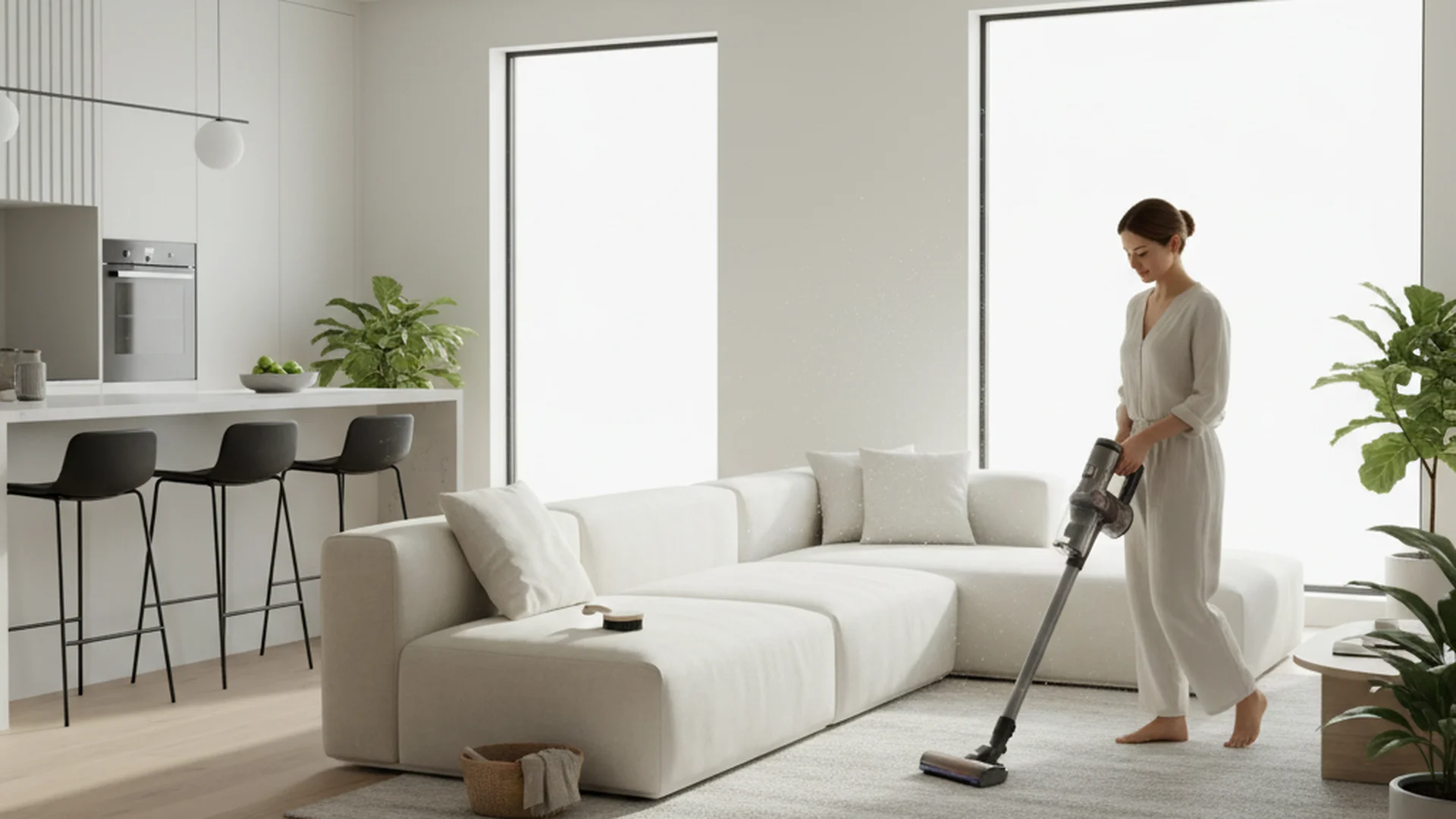
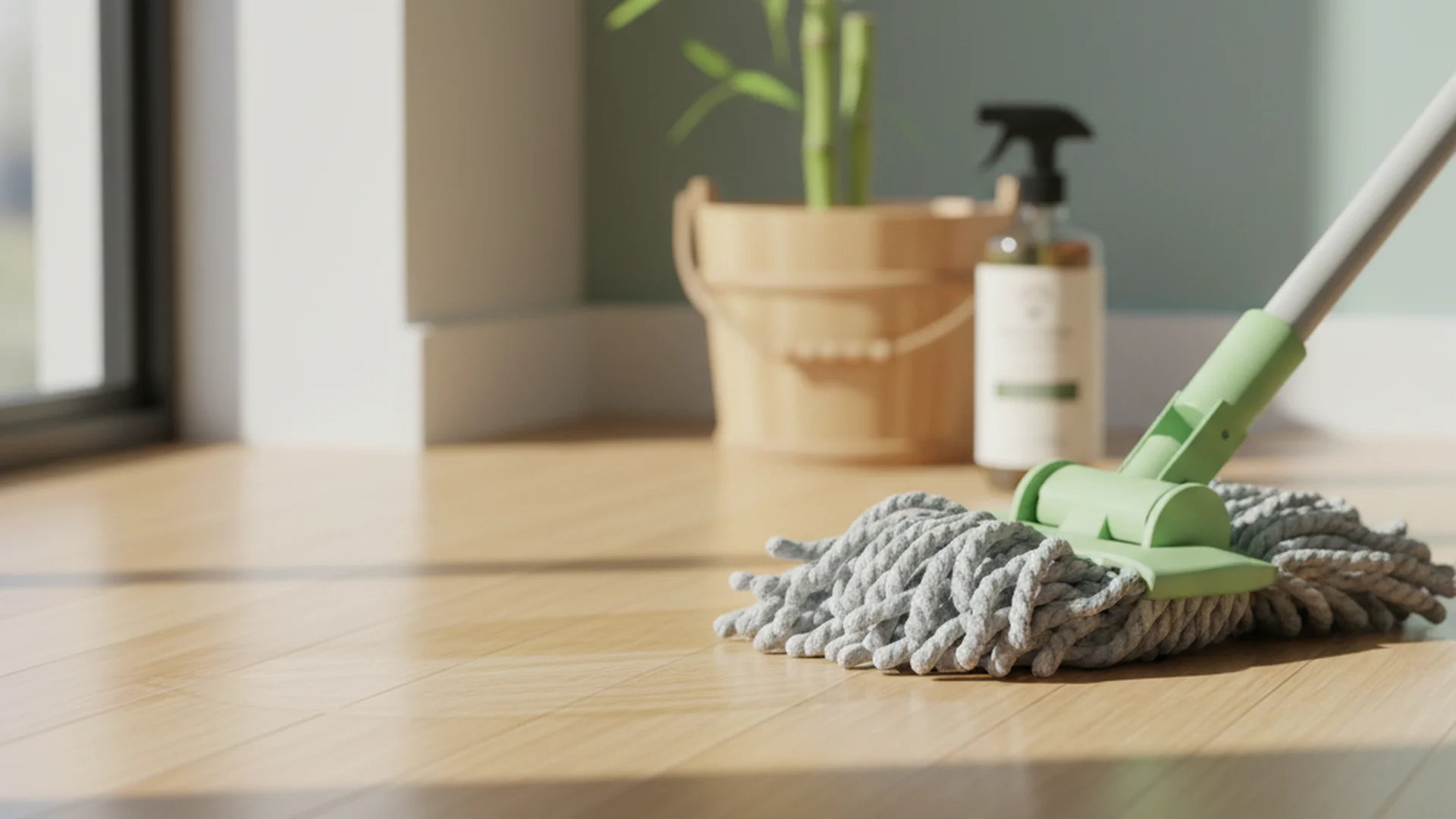
- Sweep or Dust Mop: Use a soft-bristle broom or a microfiber dust mop. Microfiber is particularly effective because it uses static electricity to pick up fine particles rather than just pushing them around.
- Vacuuming: If you prefer vacuuming, ensure your machine has a "hard floor" setting.
Warning: Never use a vacuum with a beater bar (rotating brush) on bamboo floors. The stiff bristles can leave swirl marks and scratches on the surface finish.
Weekly Deep Cleaning
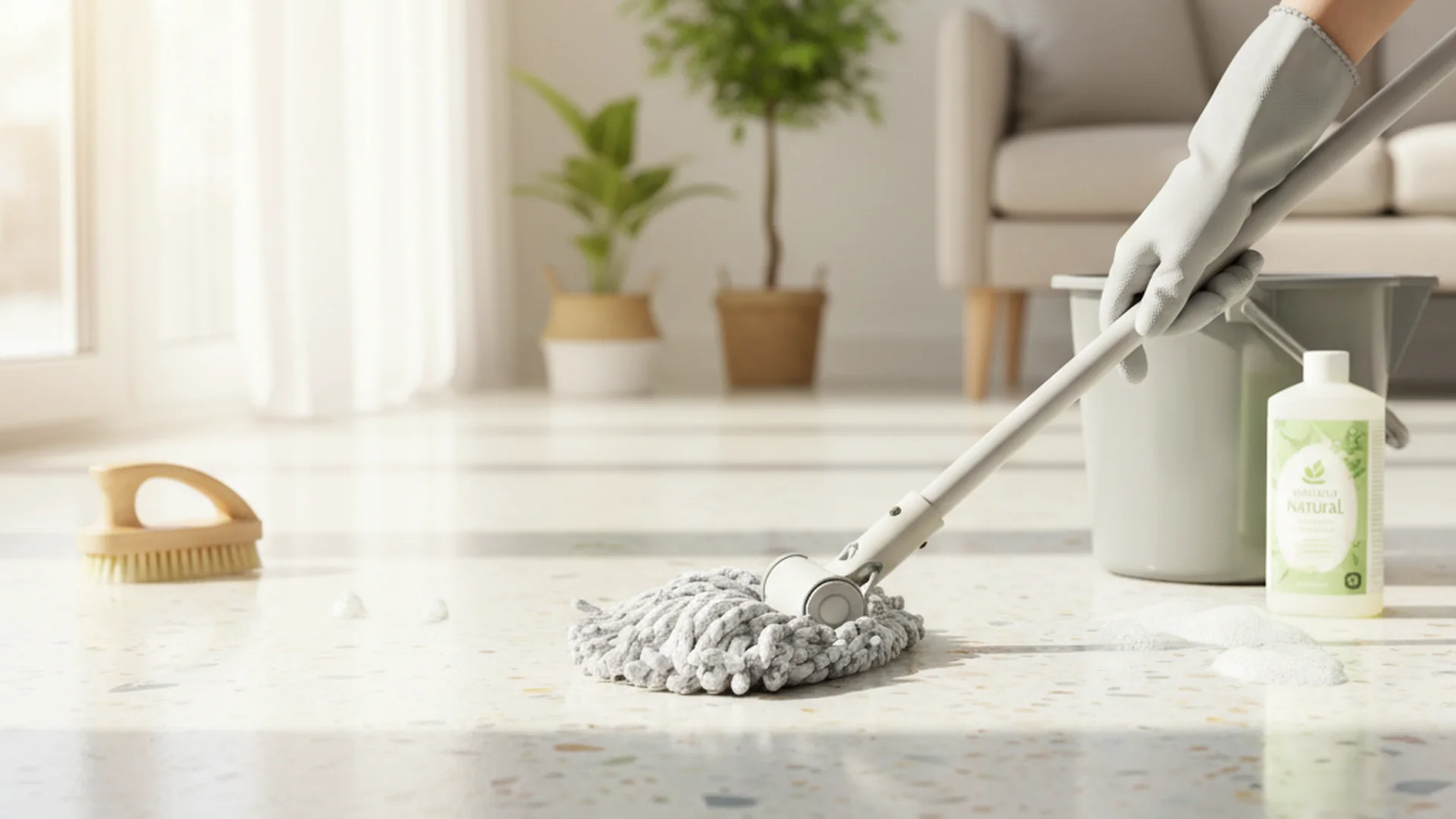
Once a week, or as needed, you should perform a more thorough cleaning using a liquid agent. The goal here is "damp," not "wet."
- Select a pH-Neutral Cleaner: Use a product specifically formulated for bamboo or hardwood, such as Bona.
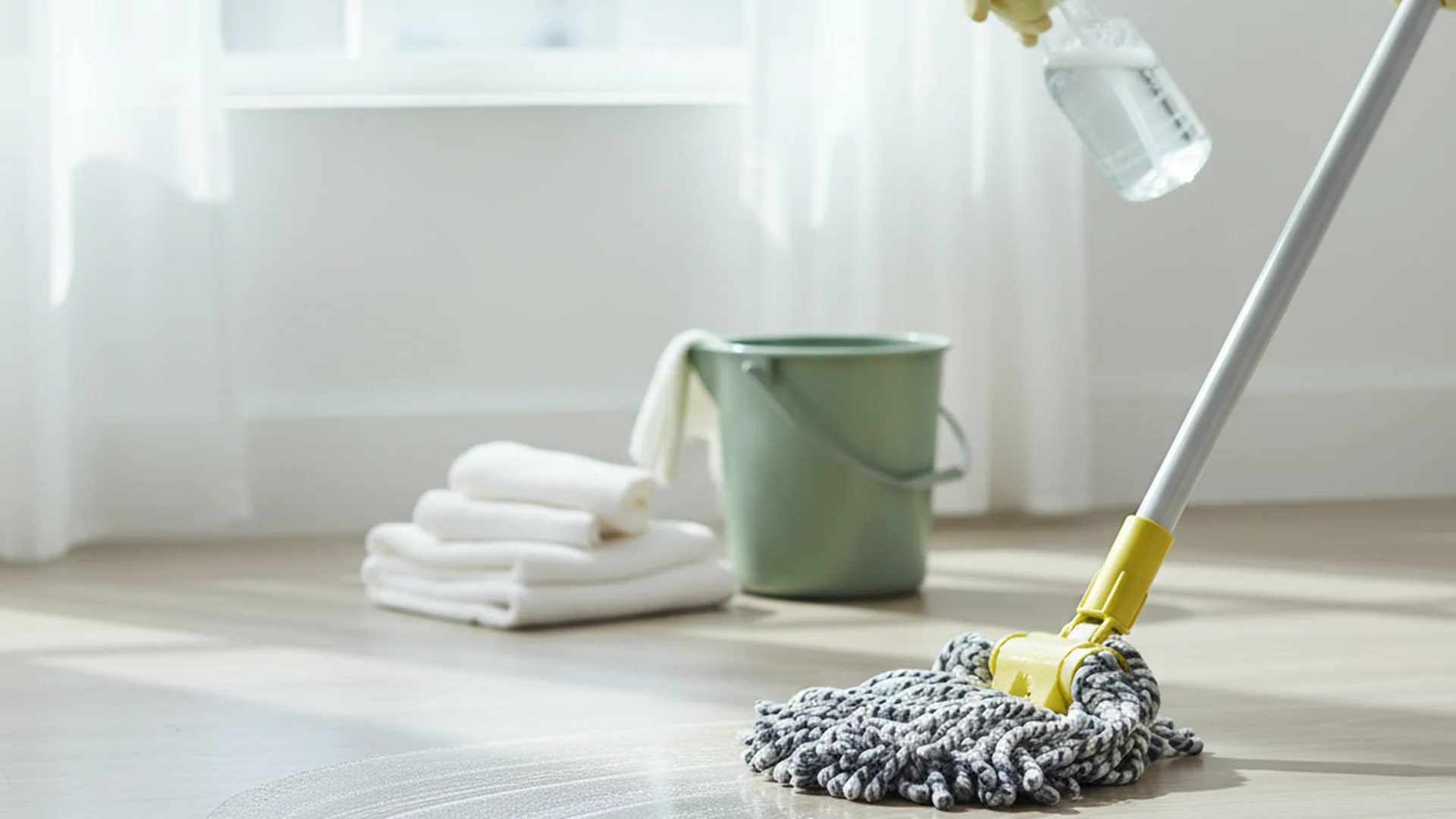
- Mist, Don't Pour: Avoid pouring cleaning solution directly onto the floor. Instead, lightly mist a microfiber mop head or a small section of the floor.
- Work in Sections: Clean one area at a time, following the grain of the bamboo to ensure a streak-free finish.
Tip: If you notice streaks after cleaning, your mop head might be too dirty or you are using too much product. Switch to a fresh microfiber pad and use a lighter mist.
Real-World Cleaning Scenarios
Understanding the theory is one thing, but real life happens. Here are three common examples of how to handle bamboo floor cleaning in a modern home.
Example 1: The Kitchen Spill
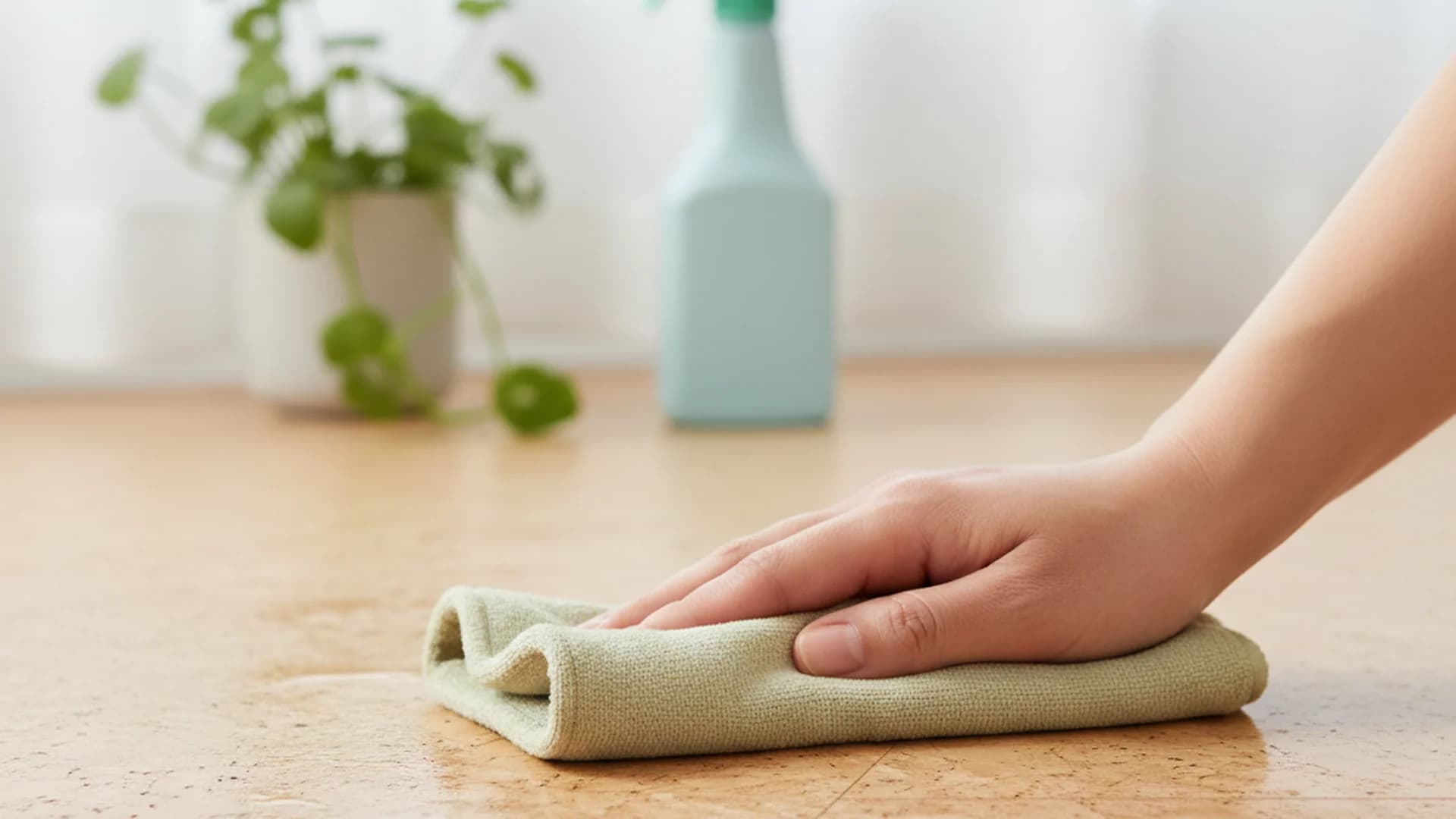
Imagine you drop a glass of red wine or a bowl of soapy water while doing dishes. Bamboo's porous nature means speed is your best friend. Immediately blot the spill with a dry microfiber cloth. Do not wipe in a scrubbing motion, as this can push liquid into the joints between planks. Once dry, mist the area with a pH-neutral cleaner to remove any sticky residue.
Example 2: Muddy Paw Prints
In a high-traffic entryway, a dog returning from a rainy walk can leave a trail of mud. Allow the mud to dry slightly so it becomes crumbly rather than liquid. Sweep up the dried dirt first. Then, use a damp (nearly dry) microfiber cloth to spot-clean the remaining stains. This prevents you from spreading a "muddy slurry" across the floor.
Example 3: The Sun-Drenched Living Room
If you have wide-plank bamboo in a room with large windows—a major 2025 design trend—you may notice dust more easily in the sunlight. In this case, a daily pass with a dry microfiber "flipper" mop is the most efficient way to maintain the floor’s biophilic, "raw" look without using chemicals every day.
Common Mistakes to Avoid
Even well-intentioned homeowners can accidentally ruin their bamboo floors by using "tried and true" methods that are actually harmful to this specific material.
| Mistake | Why It’s Harmful | Better Alternative |
|---|---|---|
| Steam Mopping | Forces moisture into fibers; causes warping. | Damp microfiber mop. |
| Vinegar & Water | Acidity breaks down the finish over time. | pH-neutral floor cleaner. |
| Wax/Oil Soaps | Creates a sticky, hazy buildup. | Specialized bamboo spray. |
| Abrasive Scrubbers | Scratches the protective wear layer. | Soft microfiber cloth. |
Warning: Using a steam mop on bamboo floors will often void your manufacturer’s warranty. The high-pressure steam can delaminate the layers of engineered bamboo or cause strand-woven bamboo to swell.
Environmental Control for Longevity
Because bamboo is a natural material, it "breathes." It expands when it's humid and shrinks when the air is dry.
Note: For optimal floor health, maintain your home's humidity between 35% and 55%.
In the winter, a humidifier can prevent the planks from gapping. In the summer, air conditioning or a dehumidifier prevents the "cupping" effect caused by excessive moisture. This environmental management is just as important as the physical cleaning process.
Frequently Asked Questions
Can you mop bamboo floors with water?
How do I fix scratches on my bamboo floor?
Is vinegar safe for bamboo floors?
Why does my bamboo floor look cloudy?
Conclusion
Cleaning bamboo floors doesn't have to be a daunting task. By focusing on grit removal through daily sweeping and using the right pH-neutral tools for weekly maintenance, you can ensure your flooring remains a beautiful, sustainable centerpiece of your home for decades. Remember that in the world of bamboo, "less is more"—less water, less acidity, and less heat will always yield better results.
Success: By following this tiered maintenance schedule and avoiding common pitfalls like steam mops, you will maximize the lifespan of your bamboo floors while highlighting their natural, biophilic beauty.
Cleaning that keeps score
Every task earns points, every streak multiplies them, and Premium adds a household leaderboard plus a monthly Dustagorgon to beat.
- Free forever
- 30 badges to earn
- Up to 6 in a household
No card needed. Set up your rooms in a couple of minutes.