In this article
What you’ll learn
- Match your cleaning method to your tub material (Acrylic, Porcelain, or Cast Iron).
- Use the 15-minute 'Dwell Time' rule to let cleaners break down soap scum.
- Avoid bleach for cleaning; it whitens but doesn't remove mineral buildup.
Walking into a sparkling bathroom can do more than just improve your home’s aesthetics; it can actually change your mindset. Plenty of people find that deep cleaning the house, and the bathroom in particular, gives their mood and their focus a genuine lift. However, knowing how to clean a bathtub effectively is about more than just a quick spray and wipe. Without regular maintenance, a bathtub harbours a dense layer of bacteria, skin-irritating residues, and fungi.
As a professional cleaning consultant, I have seen every type of grime imaginable. In this guide, we will explore the most efficient, modern, and eco-friendly techniques to ensure your tub remains a sanctuary rather than a breeding ground for germs.
Understanding Your Bathtub Material
Before you reach for a scrub brush, you must identify what your tub is made of. Using the wrong tool on a delicate surface is one of the most common mistakes homeowners make, often leading to permanent damage.
Acrylic and Fiberglass
These are the most common materials in modern homes because they are lightweight and affordable. However, they are also soft and porous.
Warning: Never use abrasive scouring pads or harsh bleach on acrylic or fiberglass. These can create micro-scratches that trap more dirt and bacteria over time, making the tub harder to clean in the long run.
Porcelain-Enameled Steel
These tubs are incredibly durable but can chip if struck by heavy objects. They generally handle cleaning agents well, but you should still avoid steel wool to prevent scratching the enamel.
Cast Iron
The "gold standard" of bathtubs, cast iron is extremely heavy and retains heat well. While tough, the enamel coating can still be etched by strong acids. For these tubs, stick to a gentle abrasive like baking soda, or a specialized cleaner like Bar Keepers Friend for rust spots.
| Tub Material | Recommended Cleaner | Recommended Tool | Avoid |
|---|---|---|---|
| Acrylic | Dish soap / Vinegar | Microfiber cloth | Steel wool, Bleach |
| Fiberglass | All-purpose green cleaner | Soft sponge | Abrasive powders |
| Porcelain | Baking soda paste | Scrub brush | Chipping tools |
| Cast Iron | Bar Keepers Friend | Firm nylon brush | Long-term acid exposure |
The Best Way to Clean a Bathtub: A Step-by-Step Process
The best way to clean a bathtub isn't about how hard you scrub; it’s about how smart you work. Follow this professional workflow to get the best results with the least effort.
Step 1: Clear and Prep
Remove all shampoo bottles, loofahs, and bath toys.
Note: Moisture trapped under bottles and toys is the primary cause of localized mold and "pink slime" (Serratia marcescens). Always dry the bottom of these items before replacing them.
Step 2: The Dwell Time Rule
Apply your chosen cleaner to the entire surface of the tub. Most people start scrubbing immediately, but the "Dwell Time" rule is the secret to professional results. Let the cleaner sit for 10–15 minutes. This allows the chemical bonds in soap scum and mineral deposits to break down, making the physical scrubbing significantly easier.
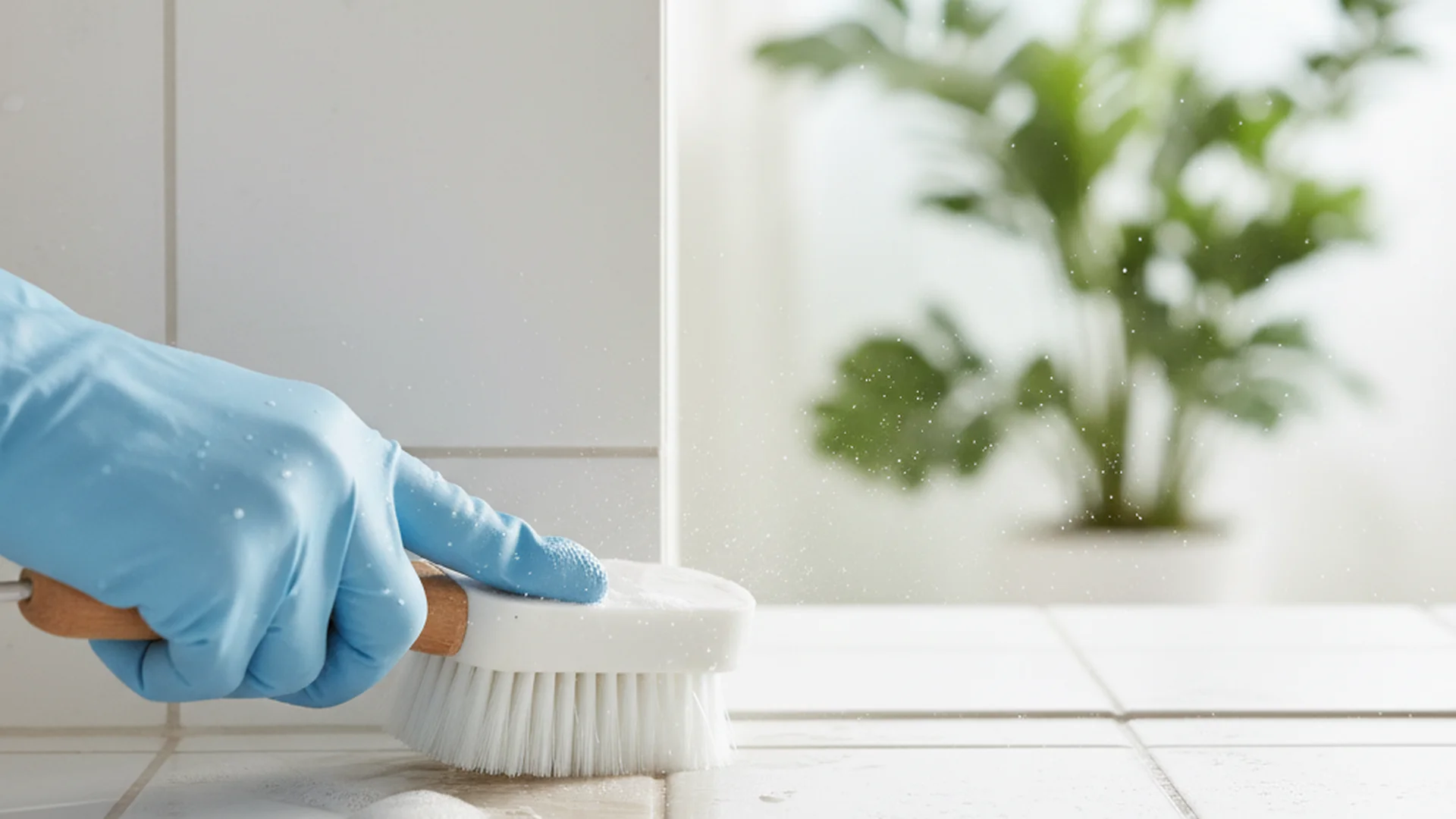
Step 3: Scrubbing with Modern Tools
In 2025, the biggest trend in bathroom maintenance is the Electric Spin Scrubber. These tools come with interchangeable heads and long handles, reducing physical strain on your back and knees. Use a flat brush for the floor and a pointed brush for the corners and around the faucet.
Step 4: The Two-Bucket Method
To minimize water waste and ensure a cleaner finish, use the two-bucket method. Fill one bucket with soapy water for cleaning and another with clean water for rinsing your cloth or brush. This prevents you from spreading dirty water back onto the surfaces you just scrubbed.
Success: Using a specialized "Magic Eraser" or melamine sponge is highly effective for removing stubborn "rings" around the tub or textured floor surfaces without needing harsh chemicals.
How to Clean a Bathtub Without Bleach
If you want to know how to clean a bathtub without bleach, the solution is likely already in your pantry.
The Vinegar and Dish Soap Method
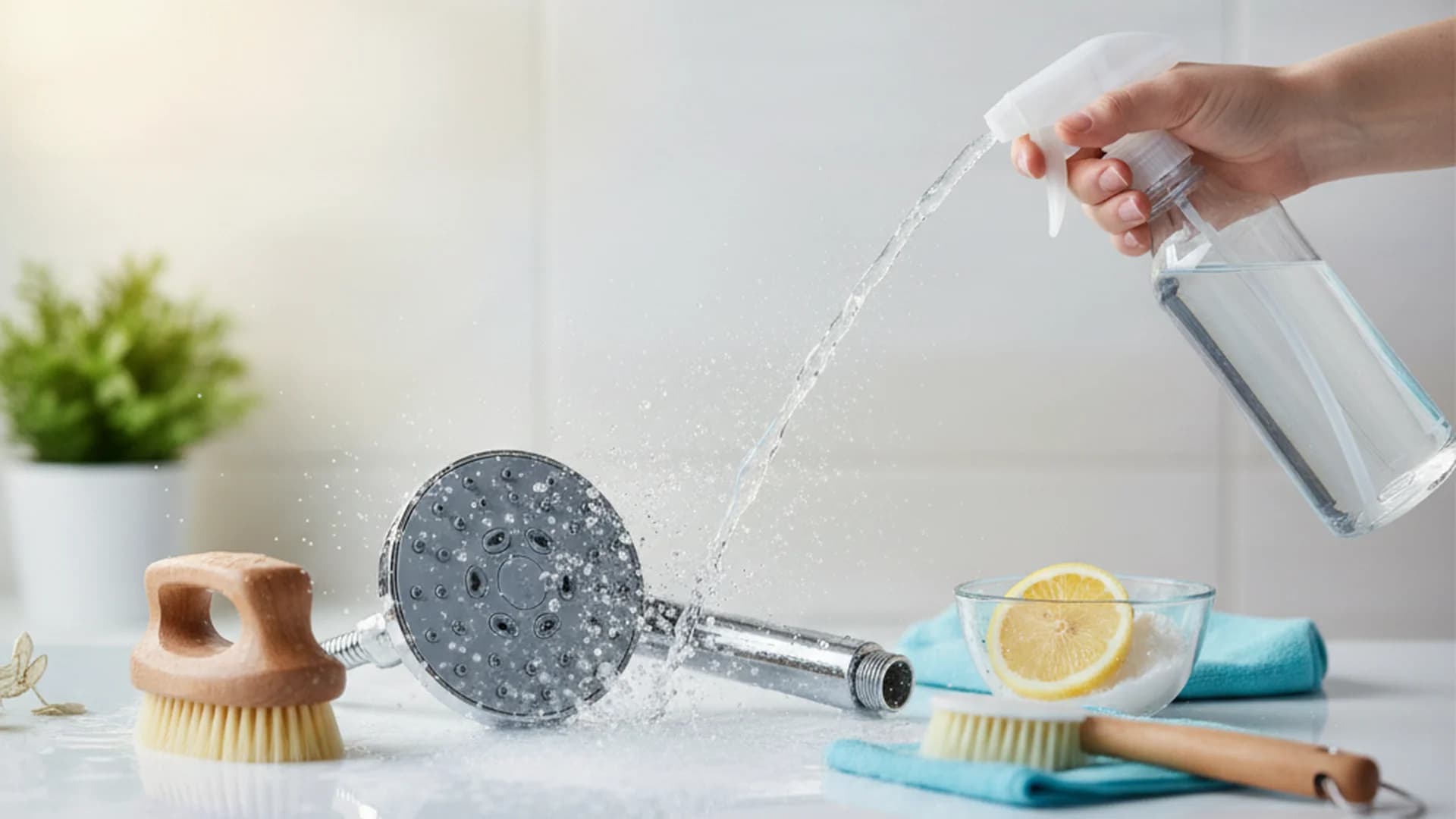
A 1:1 mixture of white vinegar and blue grease-cutting dish soap is arguably the most effective DIY cleaner for soap scum. The acidity of the vinegar breaks down mineral deposits, while the soap cuts through body oils.
- Mix the ingredients in a spray bottle.
- Spray generously and let sit for 15 minutes.
- Scrub lightly and rinse with warm water.
The Baking Soda Power Paste
For tougher stains or porcelain tubs, create a paste using baking soda and a small amount of water. Apply the paste to the stain and let it dry slightly before scrubbing. Baking soda is a mild abrasive that lifts stains without damaging the finish.
Tip: If you have natural stone resin or marble, avoid vinegar entirely. The acid can etch the stone. Instead, use a pH-neutral stone cleaner.
Common Mistakes to Avoid
Even seasoned cleaners can fall into traps that damage their fixtures or, worse, their health.
- The Bleach Myth: Bleach is a disinfectant and a whitener, but it is not a cleaner. It does not remove soap scum or lime scale. Relying solely on bleach will leave a "clean-looking" tub that is still covered in a film of grime.
- Mixing Chemicals: This is a life-threatening mistake. Never mix bleach with vinegar or ammonia. Doing so creates toxic chlorine gas or chloramine gas, which can cause severe respiratory distress.
- Neglecting the Drain: The drain is often ignored until it clogs. A monthly flush with boiling water and a half-cup of baking soda can prevent hair and soap buildup from becoming a plumbing emergency.
Real-World Example: I once consulted for a client who couldn't understand why their acrylic tub looked "dull." After investigating, we found they had been using a green scouring pad for years. The pad had created millions of tiny scratches, which were now holding onto grime. We had to professionally polish the tub to restore its luster.
Recent Trends and the Future of Tub Cleaning (2025–2026)
The world of home maintenance is evolving rapidly. Here is what is trending now and what to expect in the near future:
- Smart Scrubbers: As mentioned, handheld electric scrubbers have become the standard for 2025, moving from "As Seen on TV" gadgets to high-quality, long-lasting household tools.
- UV-C Disinfection: High-end freestanding tubs for 2026 are now being manufactured with integrated UV-C light systems. These systems can be activated between uses to kill 99.9% of bacteria without the need for any liquid disinfectants.
- Robotic Maintenance: Small-scale robotic cleaners—similar to robotic vacuum cleaners but waterproof and designed for large soaking tubs—are beginning to enter the luxury market.
- The "Towel Dry" Method: This simple trend is gaining traction as the most effective preventative measure. By spending 30 seconds wiping the tub dry with a microfiber towel after every use, you completely prevent mineral deposits and mold from forming.
Frequently Asked Questions
How do I clean my bathtub without bleach?
How often should I clean my bathtub?
What is the best way to remove soap scum?
Can I use vinegar on all tubs?
How do I prevent the tub from getting dirty in the first place?
Conclusion
Mastering how to clean a bathtub is a combination of choosing the right materials, respecting the "dwell time," and utilizing modern tools to save your joints. Whether you choose the eco-friendly route of vinegar and baking soda or invest in a high-tech electric scrubber, the result is the same: a hygienic, beautiful space that improves your home and your health.
By avoiding common mistakes like chemical mixing and abrasive scrubbing, you can extend the life of your bathtub by decades. Remember, the best cleaning routine is the one that starts with prevention.
Success: Following these professional steps will not only keep your tub sparkling but will also cut down the time you spend cleaning it over the coming year.
Cleaning that keeps score
Every task earns points, every streak multiplies them, and Premium adds a household leaderboard plus a monthly Dustagorgon to beat.
- Free forever
- 30 badges to earn
- Up to 6 in a household
No card needed. Set up your rooms in a couple of minutes.