In this article
What you’ll learn
- Linoleum is a natural material that requires pH-neutral cleaners to prevent damage.
- Never use steam mops or excessive water, as they can warp the organic fibers.
- Regular dry-mopping is the most effective way to prevent scratches from grit and sand.
Linoleum is experiencing a massive resurgence in 2025 and 2026, finding its way back into high-end kitchens and eco-conscious homes. Unlike the synthetic plastic flooring of the late 20th century, modern linoleum is a sustainable, "living" material made from linseed oil, wood flour, and cork dust. However, because it is an organic product, knowing how to clean linoleum correctly is vital to ensuring its longevity. If you treat linoleum like vinyl, you risk stripping its natural oils and ruining its finish.
In this guide, we will explore the best way to clean floors made of this durable material, ensuring your home remains beautiful and eco-friendly for decades to come.
Understanding Your Linoleum Floor
Before we dive into the cleaning process, it is essential to understand what is under your feet. Many homeowners confuse linoleum with luxury vinyl tile (LVT) or sheet vinyl. While they may look similar, their composition is worlds apart.
Linoleum is 100% biodegradable, made from oxidized linseed oil, pine resin, and mineral fillers on a jute backing. Because of the ongoing oxidation of the linseed oil, the material is naturally antimicrobial—a feature that has made it a top choice for hospitals and schools for over a century. In 2026, the "Green Building" movement has pushed linoleum back into the spotlight, with nearly 46% of consumers now prioritizing these natural materials over synthetic alternatives.
Note: To tell the difference between vinyl and linoleum, look at the pattern. If the color goes all the way through to the backing, it’s linoleum. If the pattern is just a printed top layer that can be scratched off, it’s vinyl.
The Tiered Cleaning Approach
To keep your floor in peak condition, experts recommend a tiered maintenance schedule. This prevents the buildup of "grit," which acts like sandpaper under your shoes, slowly grinding away the floor's protective seal.
Daily Maintenance: The Dry Sweep
The most important of all floor cleaning tips for linoleum is to remove loose debris daily. Because linoleum has a slightly porous surface compared to plastic vinyl, small grains of sand can become embedded in the texture.
Use a dry microfiber dust mop every evening. Microfiber is superior to traditional brooms because it uses static electricity to pick up fine dust rather than just pushing it around.
Tip: Avoid using vacuums with a "beater bar" or power brush turned on. The stiff bristles can leave micro-scratches on the linoleum’s surface over time.
Weekly Mopping: The Gentle Clean
When it comes to the best way to clean floors weekly, less is more. You do not need harsh chemicals to achieve a sanitary surface.
- Prepare the Solution: Mix one gallon of warm (not hot) water with a few drops of mild, pH-neutral dish soap.
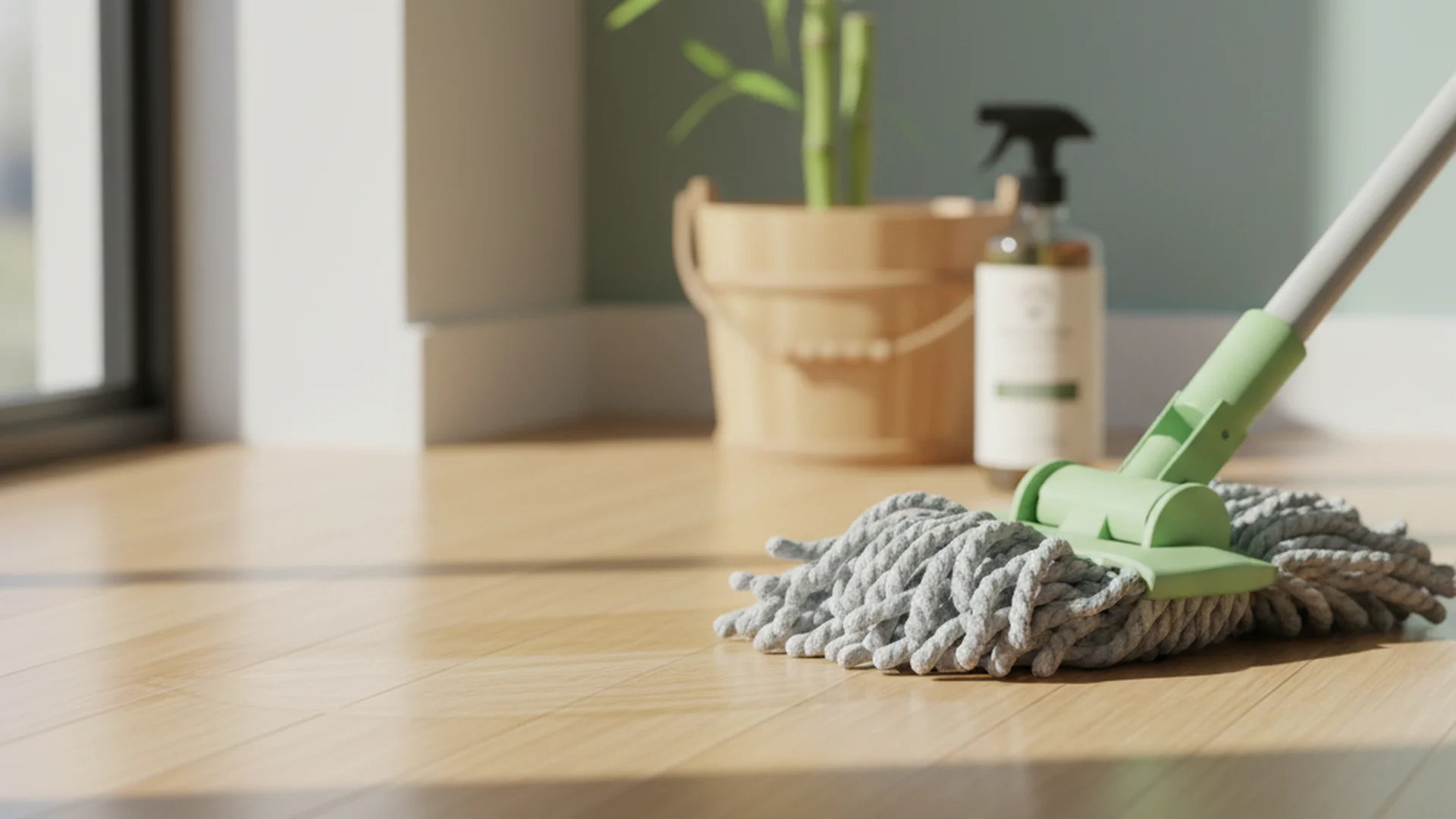
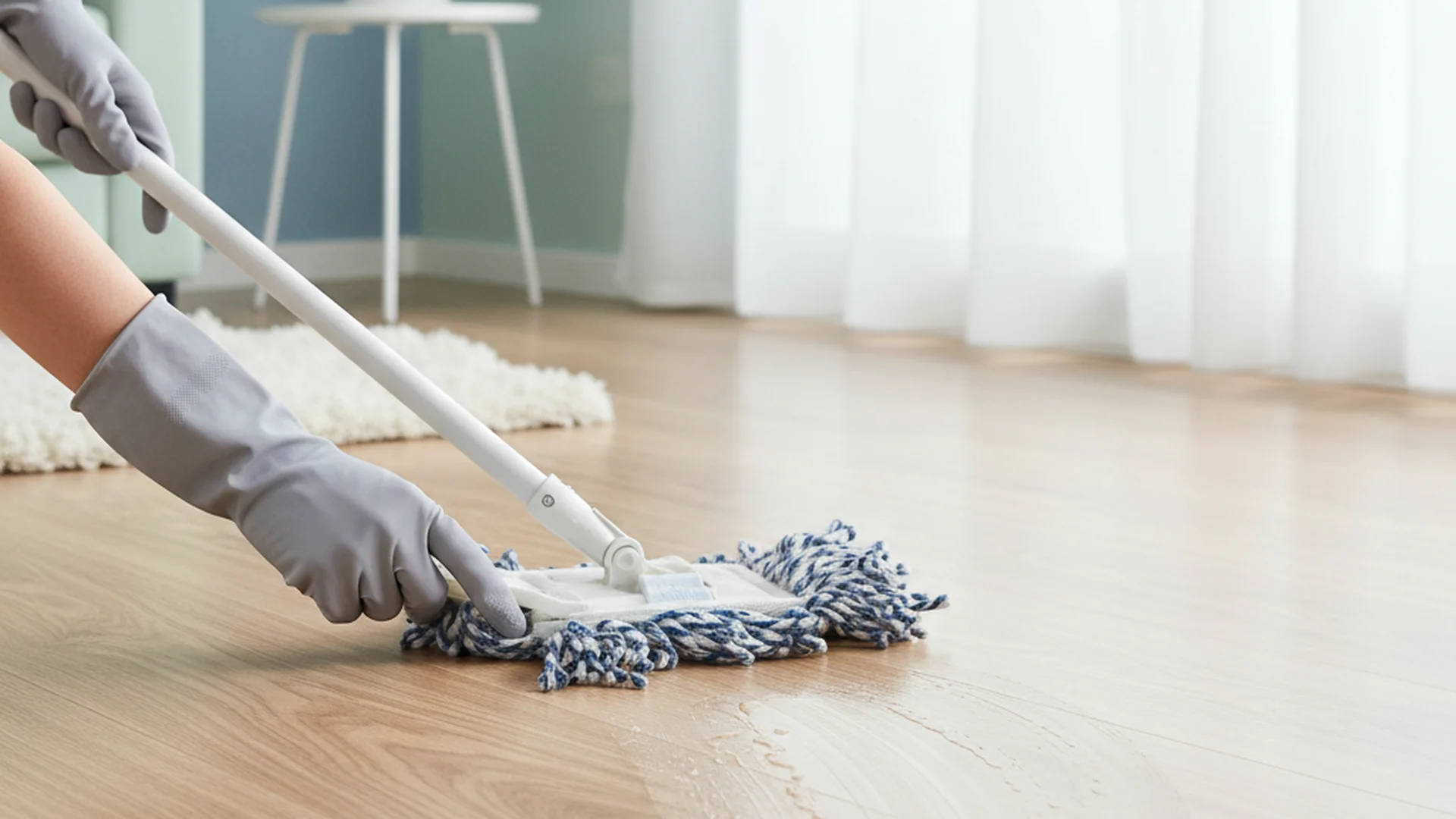
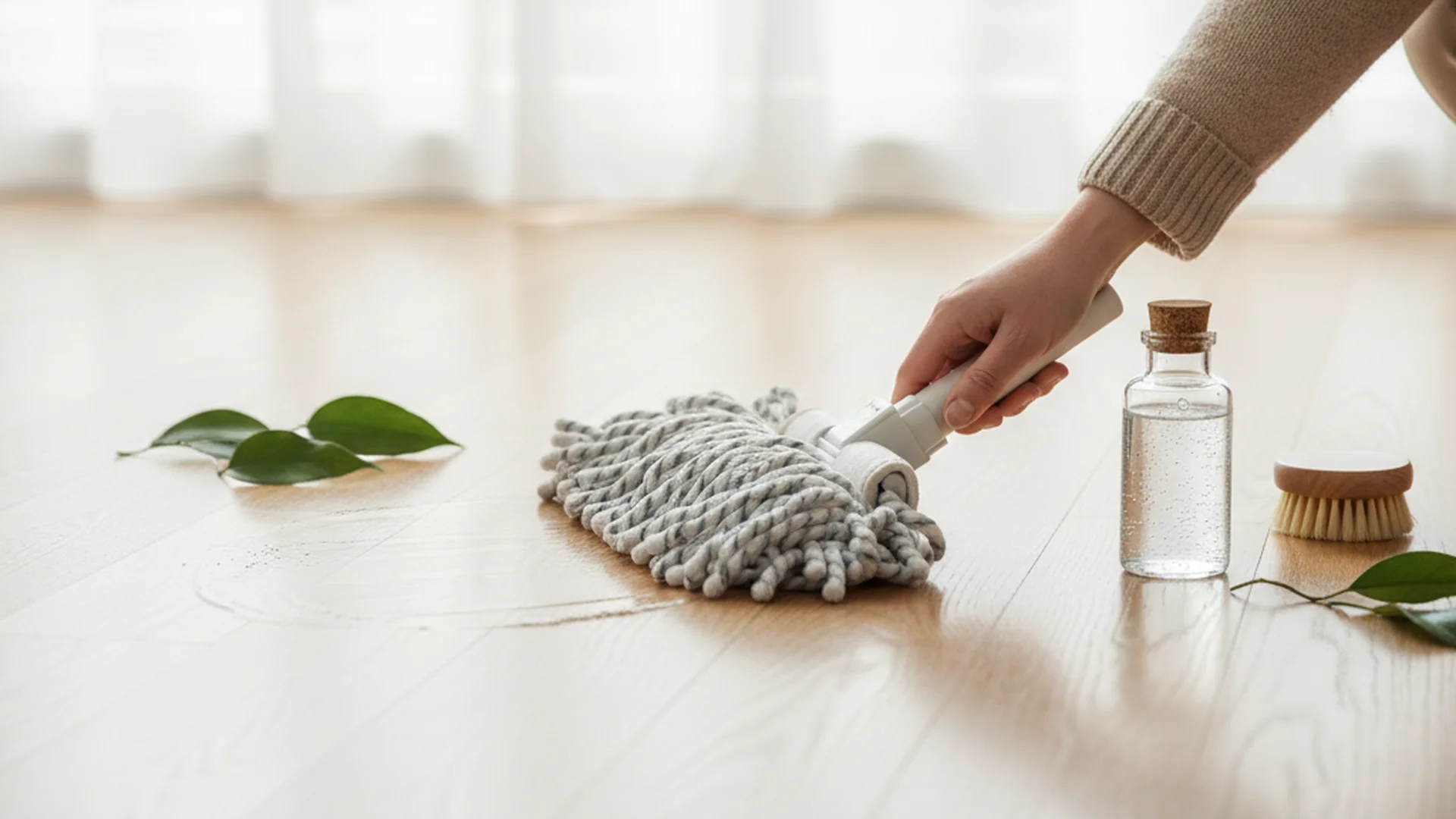
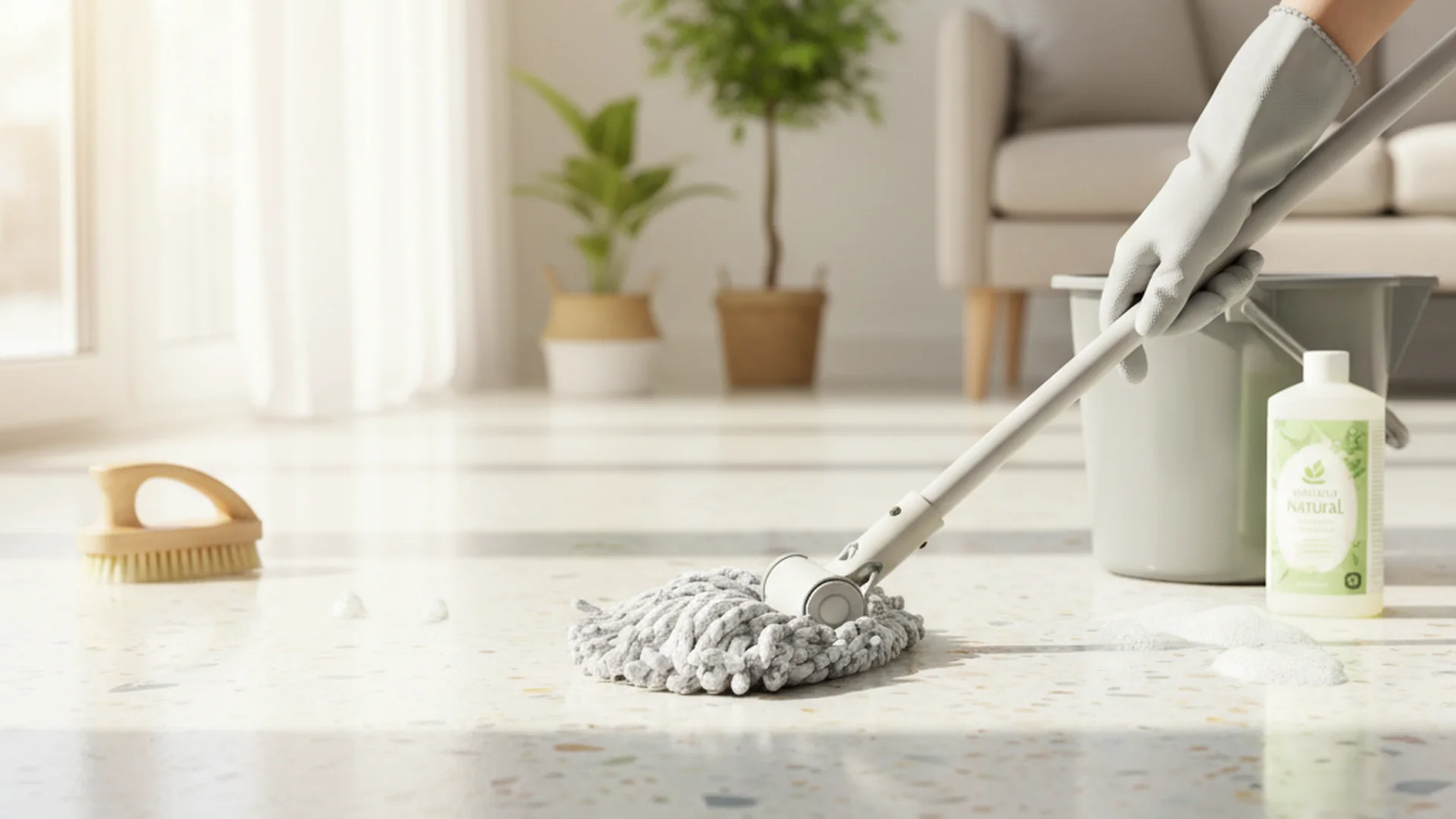
- The Damp Mop Method: Dip your mop into the bucket and wring it out until it is merely damp. Your floor should never have standing puddles of water.
- The Rinse: Always follow your soapy pass with a second pass using a clean mop and plain water. This removes detergent residue that causes stickiness.
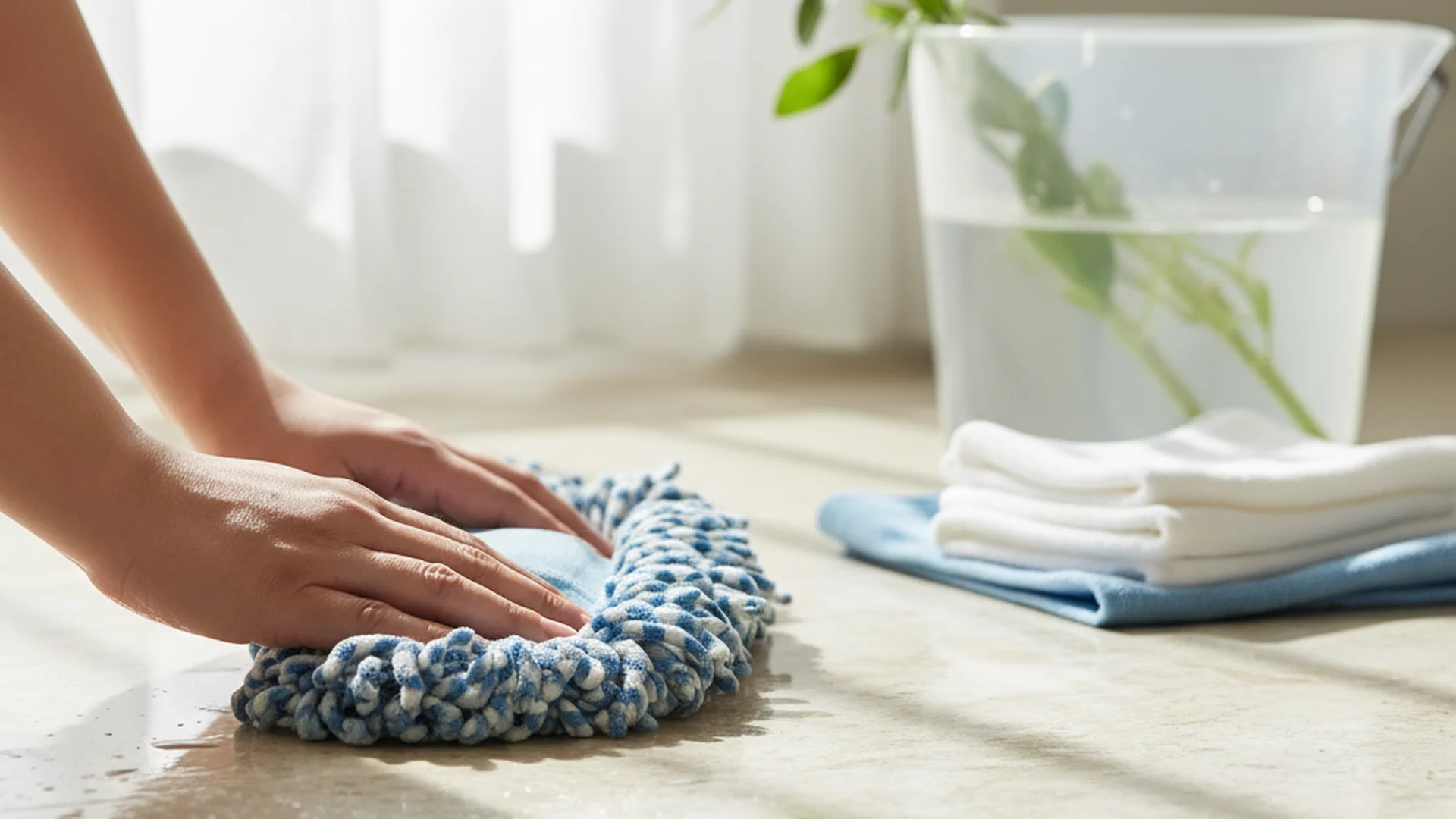
- Buff Dry: Use a clean towel or a dry microfiber head to buff the floor dry immediately.
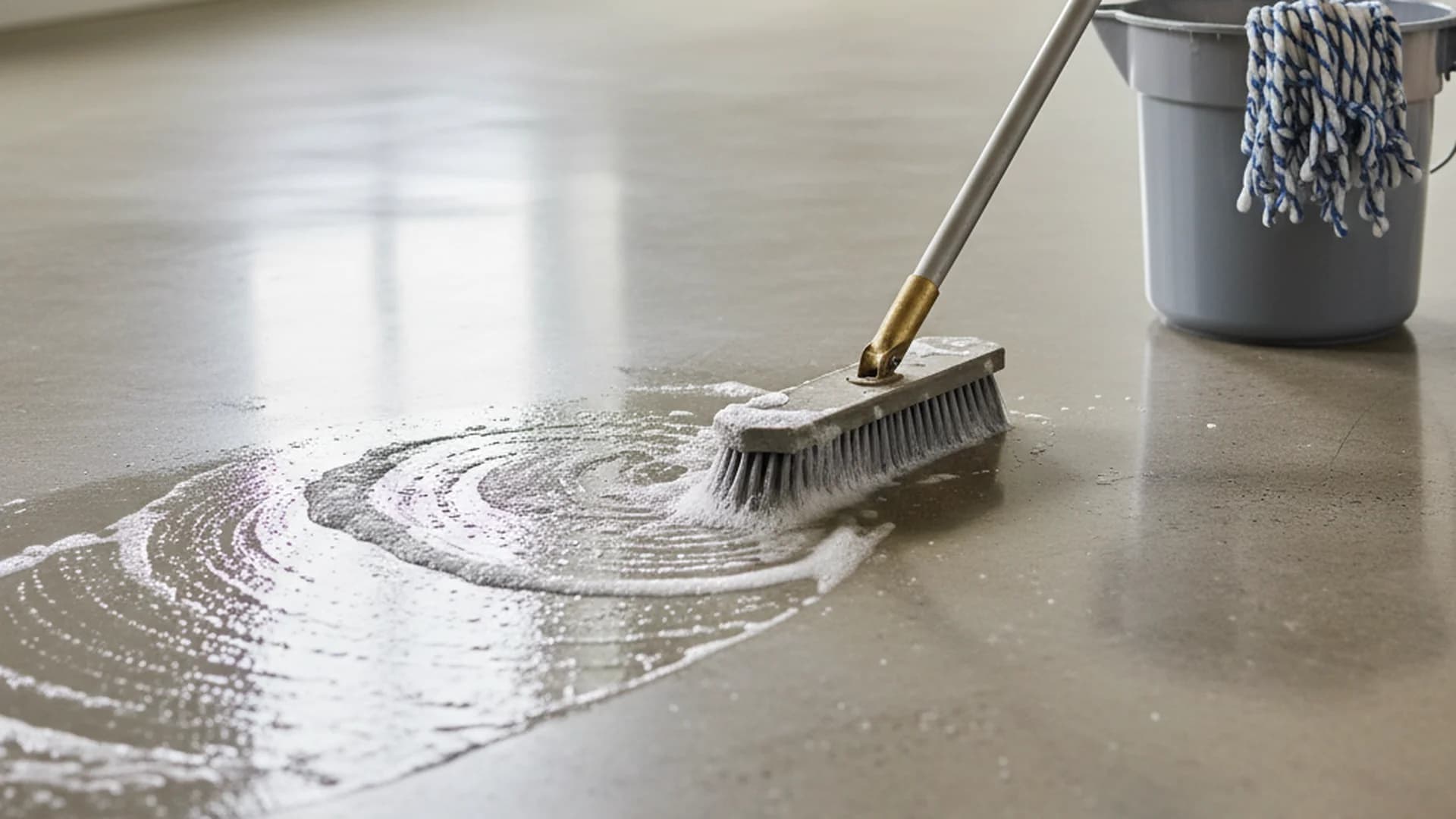
Warning: Excessive water is the primary enemy of linoleum. If water seeps into the seams, it can rot the jute backing or cause the adhesive to fail, leading to permanent bubbling.
The Best Tools for 2026
As we move into 2026, cleaning technology has evolved to better care for natural surfaces. We are seeing a shift away from "all-purpose" tools toward specialized equipment.
Smart Cleaning Integration
High-end robot vacuums from brands like Eufy and Roborock now feature "Natural Floor" or "Linoleum" settings. These modes are programmed to use 30% less water than the standard tile setting and utilize softer brush rotations to protect the linseed oil finish. If you are a busy homeowner, investing in a smart vacuum with these specific sensors is a game-changer for daily maintenance.
The Problem with Steam Mops
One of the most common questions I receive is: "Can I use a steam mop on linoleum?" The answer is a firm no. While steam is great for ceramic tile, the intense heat and pressurized moisture can cause the natural wood flour and cork in linoleum to swell and warp.
| Feature | Linoleum-Safe? | Reason |
|---|---|---|
| Microfiber Mop | Yes | Gentle and effective at trapping dust. |
| Robot Vacuum (Natural Setting) | Yes | Controlled water usage and soft brushes. |
| Steam Mop | No | Heat and moisture cause warping and peeling. |
| String Mop | Use Caution | Often holds too much water; must be wrung tightly. |
Dealing with Stains and Scuffs
Even with the best maintenance, life happens. Whether it’s a spilled glass of red wine or a black scuff mark from a shoe, you need a safe way to spot-clean.
Real-World Example: The Scuff Mark
Imagine you’ve just hosted a dinner party, and a guest’s rubber-soled shoes left a dark streak across your kitchen floor. Instead of reaching for a chemical solvent, use a common pencil eraser. Rub the eraser gently over the scuff, and it will lift the rubber right off the floor without damaging the finish.
Removing Deep Stains
For organic stains like juice or coffee, create a paste using baking soda and a small amount of water.
- Apply the paste to the stain.
- Let it sit for 10-15 minutes.
- Gently scrub with a soft-bristle brush (like an old toothbrush).
- Wipe clean with a damp cloth and dry immediately.
Success: This natural method lifts the stain without the need for acidic vinegar or alkaline bleach, both of which can discolor the floor.
Common Mistakes to Avoid
Many people accidentally ruin their linoleum floors by treating them with products designed for other surfaces. Here are the top "don'ts" for linoleum care:
- Using Bleach or Ammonia: These are highly alkaline. They will strip the pine resin and linseed oil from the floor, making it brittle and prone to cracking.
- Rubber-Backed Rugs: There is a chemical reaction called "antioxidant migration" that occurs between rubber/latex and linoleum. This creates a permanent yellow stain that cannot be cleaned off. Always use rugs with natural backings like jute or cotton.
- Skipping the Rinse: If your floor feels sticky after you mop, it’s because you left soap behind. Soap residue acts as a magnet for dirt, making your floor look dingy within hours of cleaning.
- Dragging Furniture: Linoleum is durable but can be gouged by heavy furniture. Always use felt pads under table and chair legs.
The Rise of Marmoleum
In the 2025-2026 market, "Marmoleum" (a brand by Forbo) has become the gold standard for linoleum. Modern Marmoleum often comes with a factory-applied "Topshield" finish. This finish makes the floor much more resistant to chemicals and scratches than traditional linoleum. However, you should still stick to pH-neutral cleaners to ensure that the Topshield layer remains intact for its expected 30-year lifespan.
Frequently Asked Questions
Why is my linoleum floor turning yellow?
How do I restore the shine to an old linoleum floor?
Can I use vinegar and water to clean linoleum?
What should I do if my floor feels sticky?
Conclusion
Cleaning linoleum doesn't have to be a chore, but it does require a mindful approach. By avoiding harsh chemicals and excessive water, you can enjoy a floor that is not only beautiful and warm underfoot but also environmentally responsible. As we embrace the "Eco-Chic" trends of 2026, maintaining these natural materials correctly ensures they will last for the next 40 years.
Success: Consistent, gentle care is the secret to a linoleum floor that looks as good in year twenty as it did on day one.
Cleaning that keeps score
Every task earns points, every streak multiplies them, and Premium adds a household leaderboard plus a monthly Dustagorgon to beat.
- Free forever
- 30 badges to earn
- Up to 6 in a household
No card needed. Set up your rooms in a couple of minutes.