In this article
What you’ll learn
- Clean indoor bins weekly and outdoor bins quarterly to prevent pathogen buildup.
- Use natural agents like vinegar and baking soda to avoid degrading plastic surfaces.
- Never insert a new liner into a damp bin, as moisture fuels bacterial growth.
Most of us don't think twice about our waste bins until an unpleasant odor begins to waft through the kitchen. However, learning how to clean trash can surfaces properly is one of the most vital tasks for maintaining a healthy household. Beyond the smell, your trash can is a significant reservoir for microscopic life—and not the good kind. A neglected household bin can harbour an enormous amount of bacteria, including unpleasant pathogens like E. coli and Salmonella.
In this guide, we will explore the most effective, eco-friendly ways to sanitize your bins, keep them smelling fresh, and leverage the latest 2025 cleaning technologies to make this chore a breeze.
Why Regular Bin Maintenance Is Non-Negotiable
As we move into 2025 and 2026, households are throwing away more packaging and more food waste than ever, which means our bins are working harder than ever. When organic waste breaks down, it creates a nutrient-rich environment for bacteria and pests.
If you have ever noticed a sticky, foul-smelling liquid at the bottom of your bin—often called "trash juice"—you are looking at a concentrated soup of bacteria and VOCs (volatile organic compounds). Proper maintenance isn't just about aesthetics; it’s about preventing localized pest infestations and protecting your family from foodborne illnesses.
| Pathogen | Source | Risk Level |
|---|---|---|
| E. coli | Raw food scraps | High |
| Salmonella | Poultry/Egg waste | High |
| Listeria | Dairy/Produce waste | Medium |
| Mold Spores | Damp environments | Medium |
How to Clean a Trash Can Naturally
Many homeowners are moving away from harsh synthetic cleaners in favor of sustainable solutions. If you want to know how to clean trash can without chemicals, the answer lies in your pantry. Natural acids and abrasives can be just as effective as bleach without the risk of respiratory irritation or environmental damage.
The Double-Deodorize Method
A two-step natural approach tackles both the grime and the scent:
- The Neutralizer: Create a thick paste using baking soda and a small amount of water. Apply this to any stubborn "gunk" at the bottom of the bin and let it sit for 15 minutes. The alkaline nature of the soda breaks down acidic food residue.
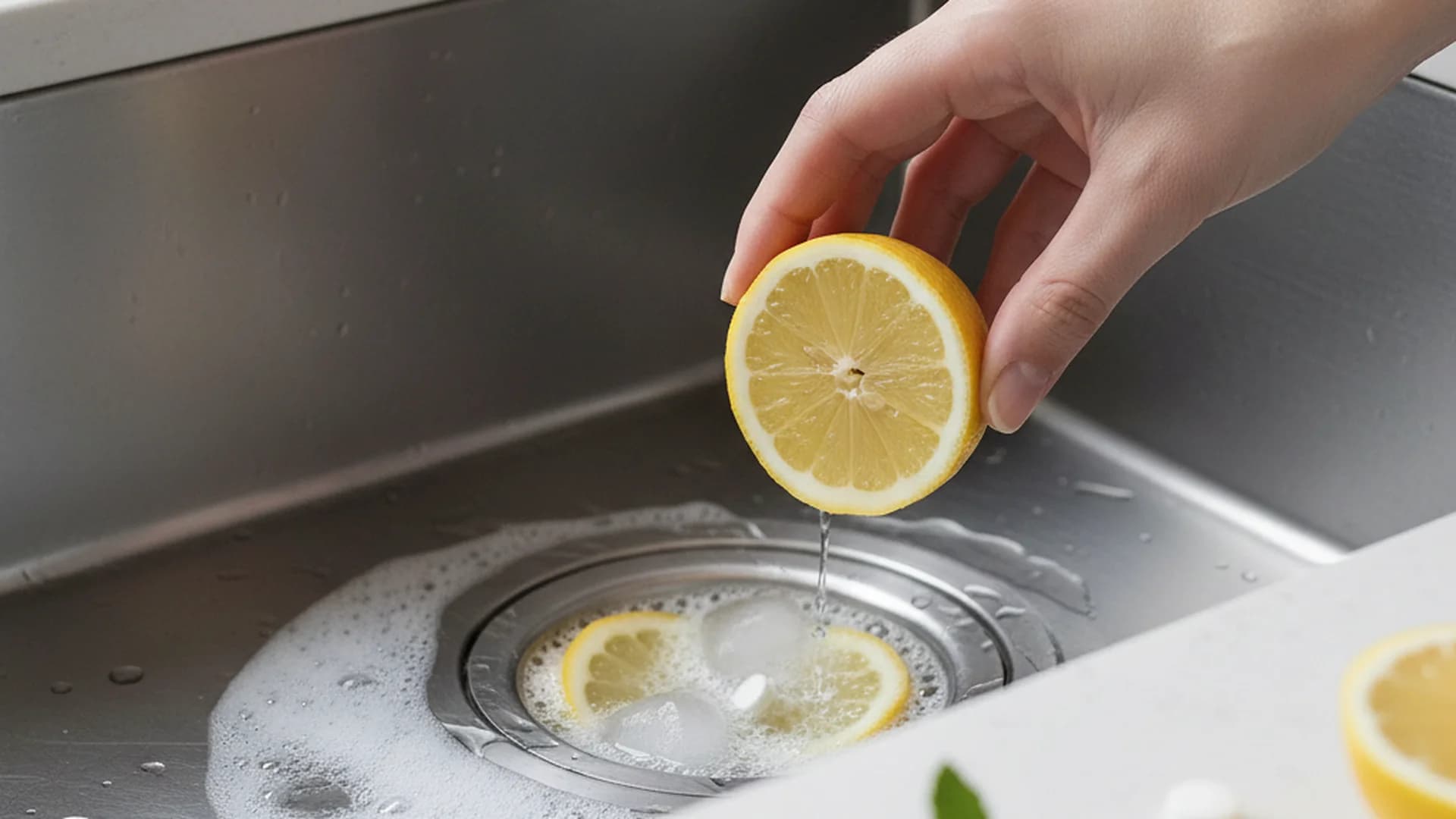
- The Acidic Rinse: Use a mixture of white vinegar and water (50/50 ratio). Spray this over the baking soda paste. The resulting fizzing action helps lift debris from the surface, while the acetic acid in the vinegar kills common household germs.
Tip: For an extra boost, infuse your vinegar with citrus peels for two weeks before using. The d-limonene in citrus is a powerful natural degreaser.
Step-by-Step Guide: Deep Cleaning Your Indoor Bin
To master how to clean trash can naturally, follow these steps to ensure every nook and cranny is sanitized.
Step 1: Empty and Inspect
Wait until trash day when the bin is empty. Take it to a well-ventilated area, such as a garage or outdoor patio. Remove any loose debris or stuck-on plastic from the bottom.
Step 2: The Initial Rinse
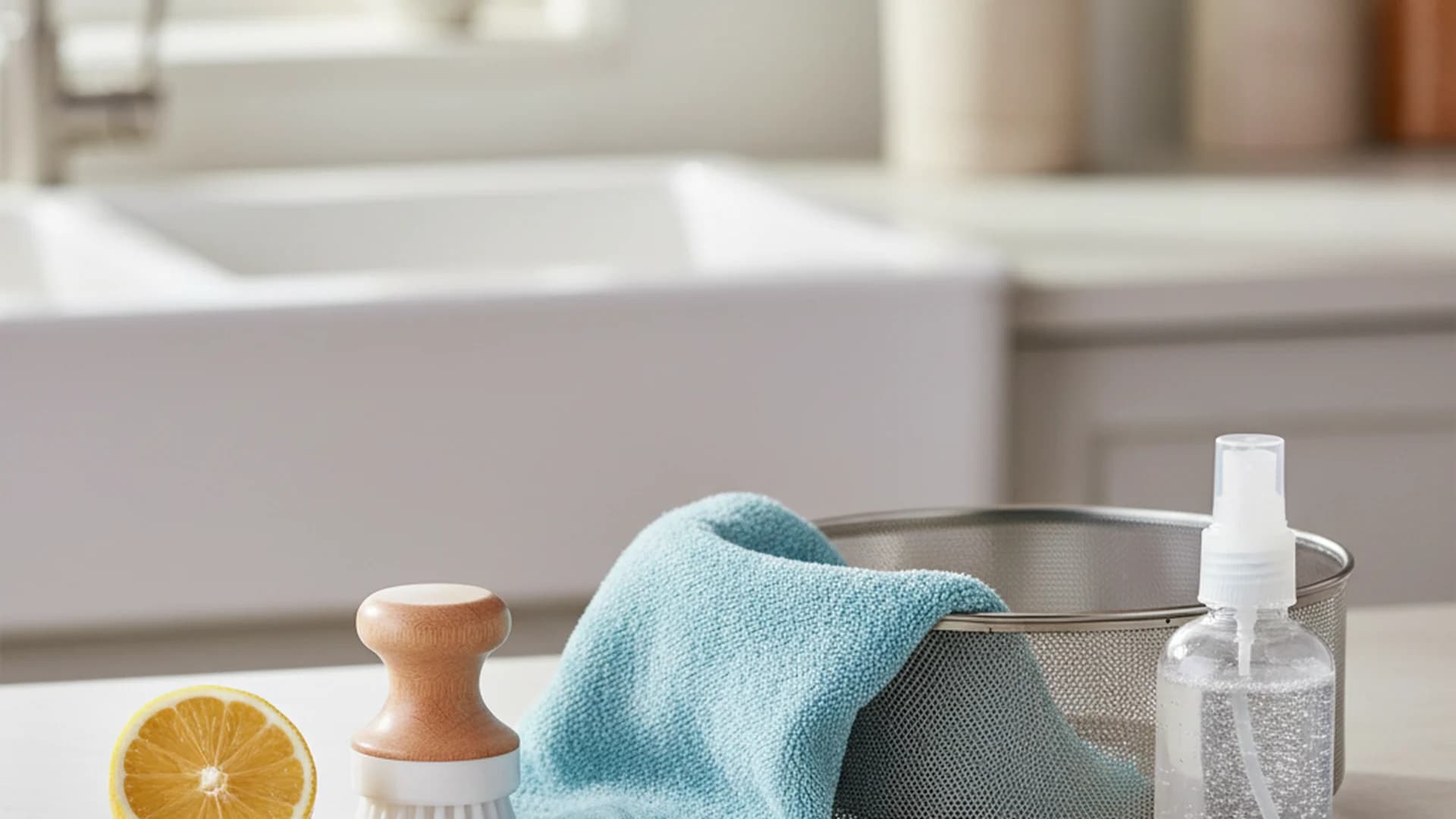
Rinse the interior with warm water. If you are cleaning a stainless steel bin, use a microfiber cloth to avoid scratching the finish. For plastic bins, a nylon scrub brush works best.
Step 3: Scrub and Sanitize
Apply your natural cleaning solution. Focus heavily on the lid and the handles. It is easy to fixate on the interior, but the handles and lids are the parts you actually touch, which makes them the main route for cross-contamination in the kitchen.
Warning: Never mix bleach with ammonia-based cleaners or vinegar. This can create lethal chloramine gas. Stick to one cleaning method at a time.
Step 4: The Power of Essential Oils
Once the bin is clean and rinsed, add a final touch of protection. Place 2–3 drops of tea tree or peppermint oil on a cotton ball and drop it into the bottom of the can before inserting a new liner. Tea tree oil acts as a natural antimicrobial agent, while peppermint helps deter pests like ants and mice.
Step 5: Thorough Drying
This is the most skipped step, but the most important. Never place a liner in a damp bin.
Note: Air-drying your bin in direct sunlight is ideal. The UV rays from the sun provide a final layer of natural sanitization, killing any remaining spores.
Outdoor Trash Can Maintenance
Outdoor bins face harsher conditions, including extreme heat and inquisitive wildlife. In warmer climates, these bins should be deep-cleaned quarterly to prevent maggot infestations.
Dealing with Pests Naturally
If you find maggots in your bin, don't reach for the pesticides. Boiling water mixed with vinegar is a highly effective natural solution. Alternatively, sprinkle food-grade Diatomaceous Earth at the bottom of the bin. It is a natural desiccant that is harmless to humans and pets but lethal to insects with exoskeletons.
Proper Drainage
When cleaning outdoor bins, always be mindful of where the water goes.
Success: Dispose of cleaning runoff in a sanitary sewer (like a utility sink or toilet) rather than a storm drain. This prevents cleaning agents and bacteria from entering the local ecosystem and waterways.
Real-World Examples of Bin Care
- The "Smart" Kitchen: A homeowner in Seattle uses an IoT-enabled bin that notifies her when VOC levels are high. Instead of waiting for a monthly schedule, she uses a natural enzymatic spray whenever the sensor triggers, keeping the kitchen air quality pristine.
- The Composter's Challenge: A family in Austin noticed their bin smelling despite using "biodegradable" bags. They switched to BPI Certified Compostable liners and started using a baking soda base weekly. The smell vanished because they addressed the "trash juice" before it could ferment.
- Stainless Steel Longevity: A professional chef recommends avoiding bleach on high-end stainless steel bins. Over time, bleach causes pitting and rust. Instead, he uses a club soda and microfiber cloth method to keep the exterior shining and the interior sanitized.
Common Mistakes to Avoid
- Cleaning a Damp Bin: Inserting a liner while the bin is still slightly wet creates a "sauna effect." This humidity accelerates the growth of mold and mildew within hours.
- Neglecting the Bottom: Many people only wipe the sides. The bottom is where liquids pool, and it is where the bulk of the bacteria live.
- Using the Wrong Liners: Many "biodegradable" plastics are actually oxo-degradable, meaning they just break down into microplastics. Look for home-compostable certifications instead.
- Ignoring the Lid: As mentioned, the lid is the most touched part of the bin. It should be wiped down daily with an alcohol-based wipe to prevent the spread of germs to your hands.
Future Trends in Bin Hygiene (2025–2026)
The world of waste management is evolving rapidly. One major trend for 2026 is the adoption of trash can lids equipped with UV-C LED lights. These lights automatically activate for 60 seconds after the lid closes, killing up to 99% of surface bacteria without the need for manual scrubbing.
Additionally, consumers are shifting toward refillable cleaning pods. Instead of buying new plastic spray bottles, you can now purchase concentrated enzymatic tablets that dissolve in water. these are specifically designed to break down organic proteins found in food waste, making the task of how to clean trash can surfaces much more efficient.
Frequently Asked Questions
How often should I clean my trash can?
What is the best way to kill maggots in a bin?
Can I use bleach on plastic bins?
How do I stop the "trash juice" smell?
Is vinegar enough to kill all bacteria?
Conclusion
Maintaining a clean trash can is a cornerstone of a healthy, odor-free home. By learning how to clean trash can surfaces using natural ingredients like vinegar, baking soda, and essential oils, you protect your family from pathogens without introducing harsh chemicals into your living space. As we move toward a more sustainable and tech-integrated future, these simple habits will ensure your home remains a sanctuary.
Success: Regular maintenance not only eliminates odors but also extends the life of your bin, saving you money and reducing waste in the long run.
Cleaning that keeps score
Every task earns points, every streak multiplies them, and Premium adds a household leaderboard plus a monthly Dustagorgon to beat.
- Free forever
- 30 badges to earn
- Up to 6 in a household
No card needed. Set up your rooms in a couple of minutes.