In this article
What you’ll learn
- Professional deep cleaning can remove 94% of common allergens.
- Never rub a stain; always blot from the outside in to prevent fiber damage.
- Probiotic cleaners and AI-driven robotics are the top trends for 2026.
Carpets are the literal foundation of our home’s comfort, yet they are often the most overlooked surface when it comes to deep hygiene. Learning how to clean carpet effectively is about more than just removing a visible wine stain; it is about protecting your family’s health and your home investment. In fact, a single square inch of carpet can harbor up to 200,000 bacteria—roughly 4,000 times more than a toilet seat.
As we move into 2026, the technology and methods we use to maintain our homes have evolved. From AI-driven robotic vacuums to eco-friendly probiotic solutions, the best way to clean clean floors now involves a mix of high-tech tools and time-tested techniques. Whether you are dealing with a muddy pet or just want to extend the life of your flooring, these clean floor cleaning tips will help you achieve professional-level results.
Why Professional-Level Carpet Care Matters
This growth isn't just about vanity; it’s driven by a post-pandemic awareness of indoor air quality. Because carpets act as a giant filter for your home, they trap dust, pollen, and volatile organic compounds (VOCs).
If these particles aren't removed, they act like sandpaper. Every time you walk across a dirty carpet, you are grinding abrasive grit into the fibers, which can shorten the carpet's lifespan by 25% to 50%. Regular maintenance ensures that your "filter" stays clean and your air stays breathable.
Success: Professional deep cleaning can remove up to 94% of common household allergens, significantly improving indoor air quality for allergy sufferers.
The Best Way to Clean Carpet: Methods Compared
Choosing the right method depends on your carpet type, the level of soiling, and how much time you have.
Steam Cleaning vs. Dry Cleaning
| Feature | Steam Cleaning (Hot Water Extraction) | Dry Cleaning (Low-Moisture) |
|---|---|---|
| Process | Hot water and detergent injected deep | Chemical foam or powder with a buffer |
| Drying Time | 8–24 hours | 30–60 minutes |
| Effectiveness | Best for deep-seated dirt/bacteria | Best for surface refreshing |
| Fiber Safety | Ideal for synthetic (nylon/polyester) | Safer for delicate/natural fibers |
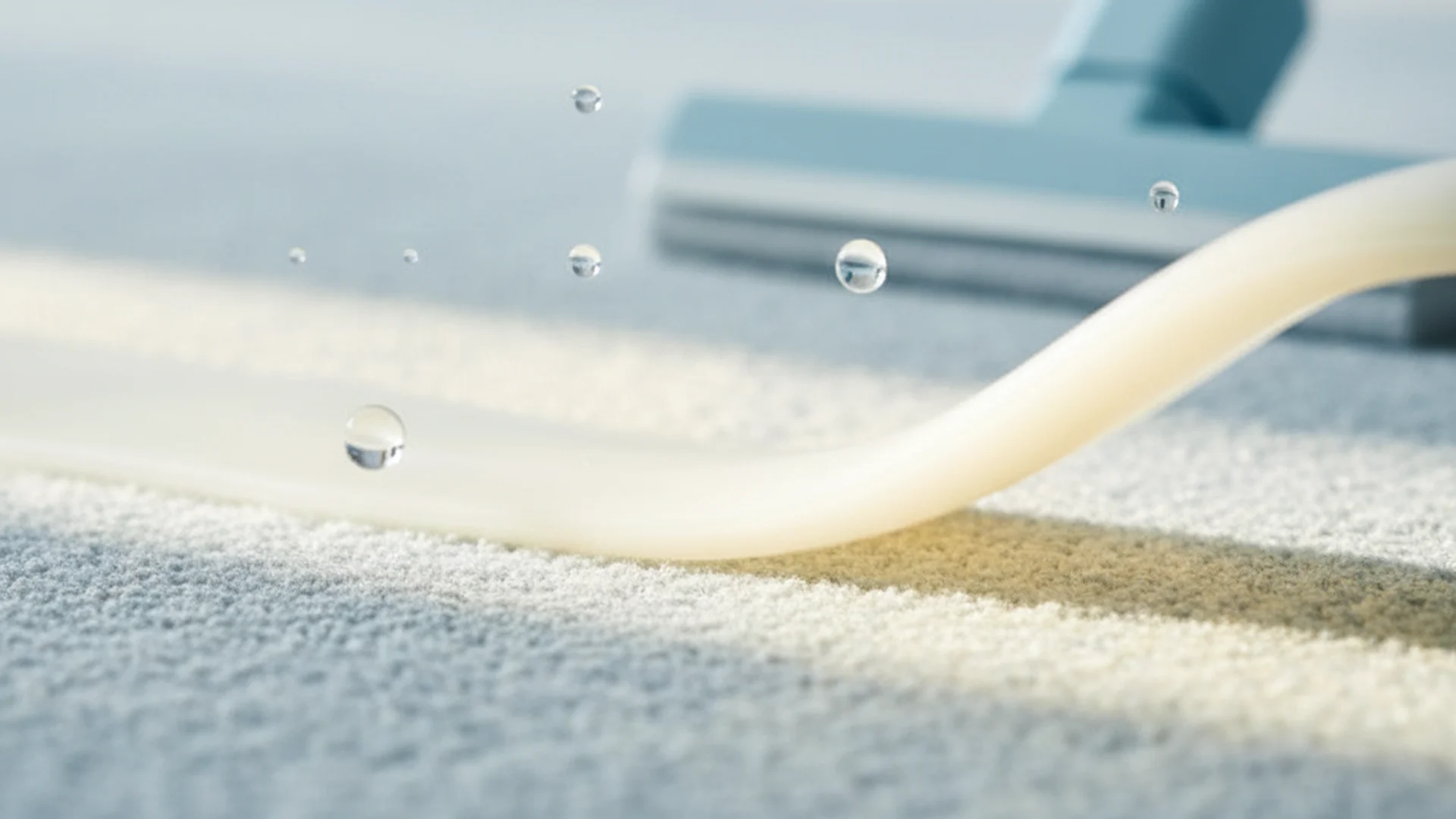
Steam cleaning remains the "gold standard." For synthetic carpets, maintaining a water temperature between 140°F and 150°F is ideal for breaking down oils without damaging the fiber's "memory."
Essential Clean Floor Cleaning Tips for Daily Maintenance
The secret to a long-lasting carpet isn't the occasional deep clean; it's the daily habits that prevent dirt from settling.
Use Walk-Off Mats
Place high-quality mats both inside and outside every entryway. Research shows these mats can trap up to 80% of outdoor dirt before it ever touches your carpet.
HEPA Vacuuming
Not all vacuums are created equal. To truly clean your floors, use a vacuum equipped with a HEPA filter. This ensures that the microscopic allergens you pick up stay in the vacuum rather than being exhausted back into your breathing zone.
Tip: Vacuum high-traffic areas 2–3 times a week. For homes with pets, daily vacuuming is recommended to manage dander and hair.
Step-by-Step: How to Clean Carpet Like a Pro
When it's time for a deep clean, following a specific order of operations will prevent "mudding"—the process where water mixes with loose dirt to create a sludge that is nearly impossible to extract.
Step 1: Pre-Vacuum
Always vacuum thoroughly before introducing any moisture. This removes the loose, top-layer debris.
Step 2: Spot Treatment
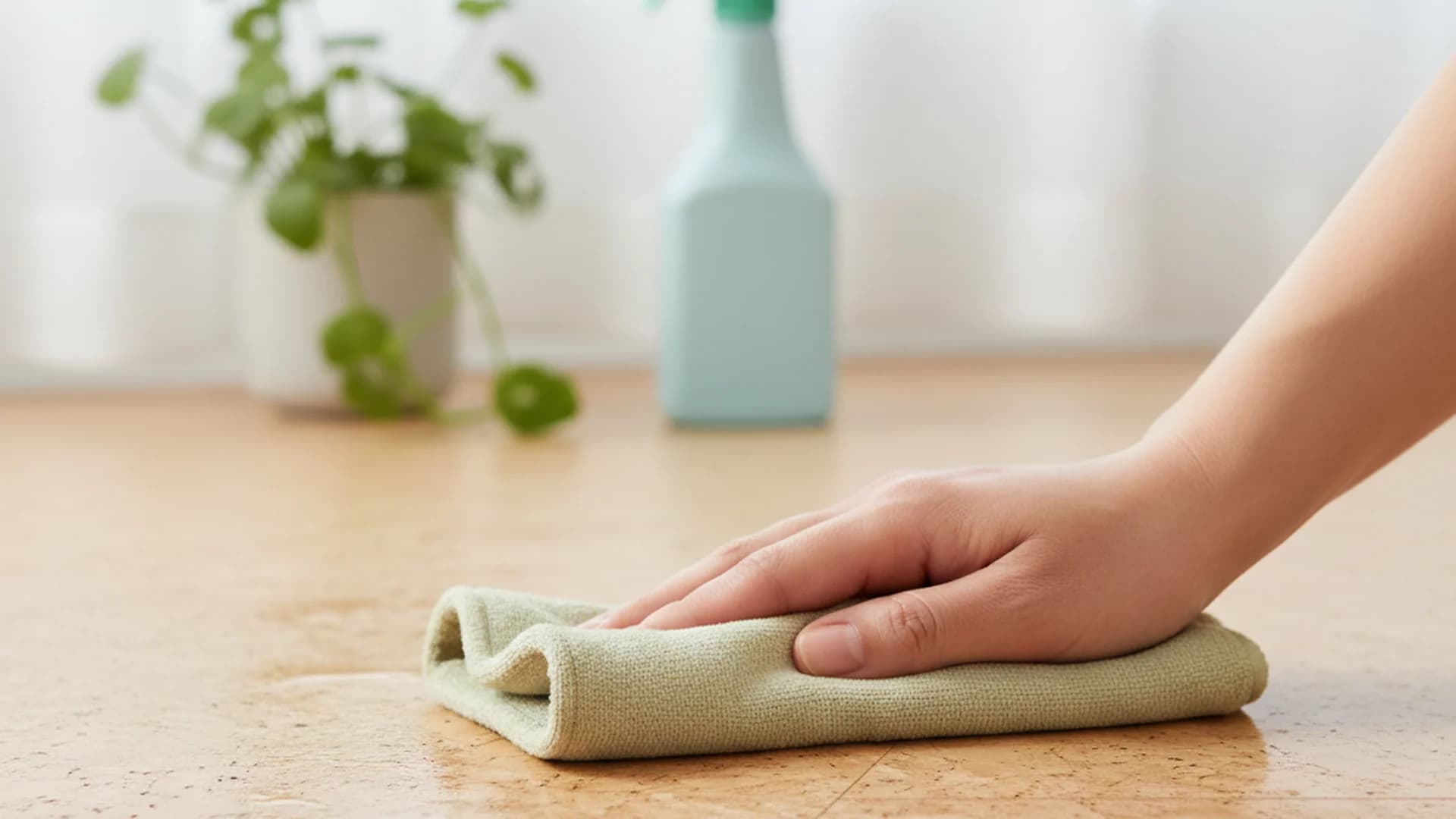
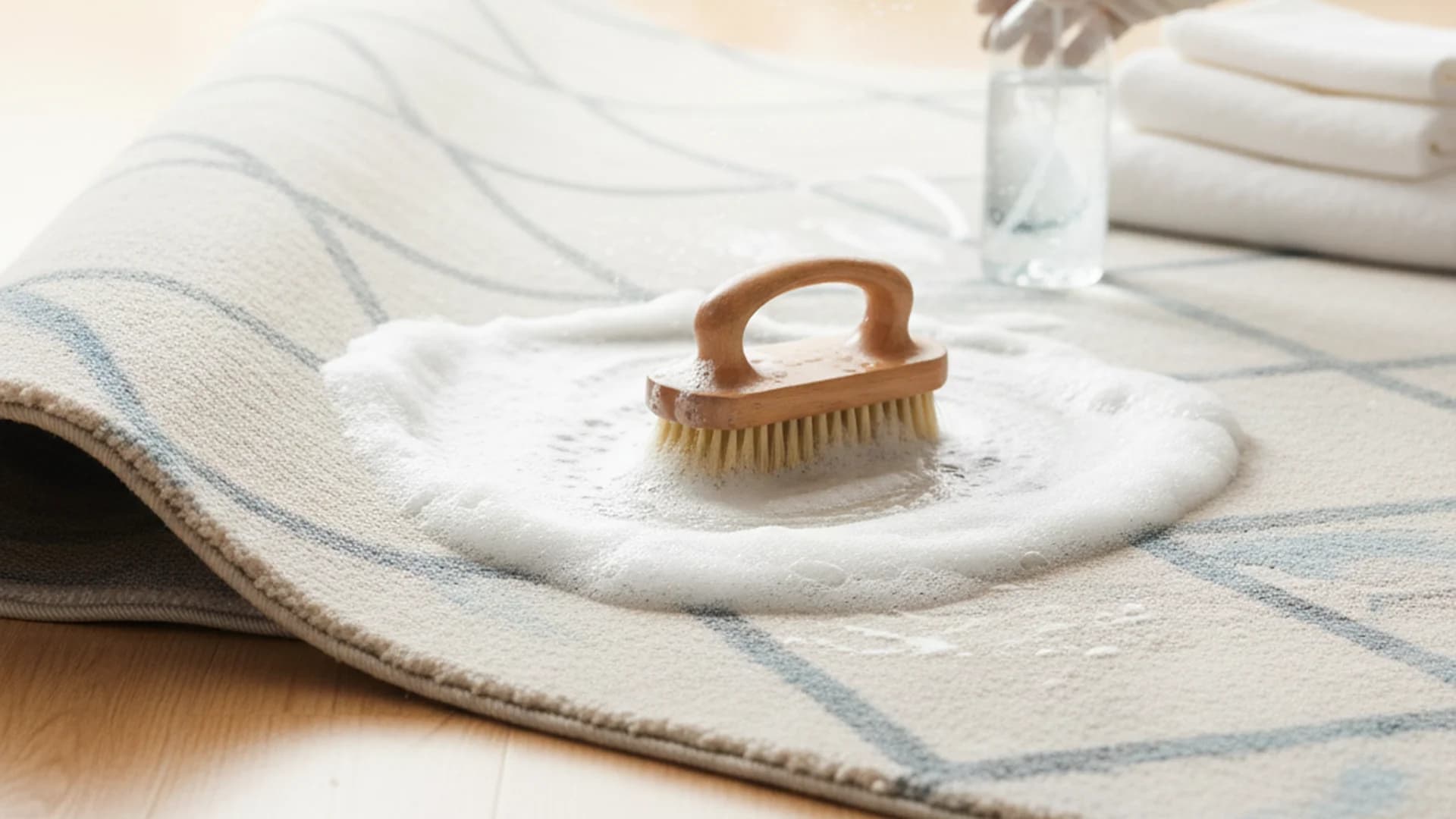
Before cleaning the whole room, treat individual stains. Use the "Blot, Don’t Rub" rule.
Warning: Rubbing or scrubbing a stain spreads the liquid deeper into the padding and "frays" the carpet pile, causing permanent texture damage known as "blooming."
Step 3: The Overlapping Pass
If using a DIY extraction machine, move slowly. Use one "wet" pass (spraying the cleaning solution) followed by two "dry" passes (suction only). This ensures you aren't leaving behind excess moisture.
Real-World Examples of Carpet Care
Example 1: The "Coffee Emergency"
A homeowner spills a full mug of black coffee on a cream-colored nylon carpet. Instead of grabbing a scrub brush, they blot with a clean white cloth from the outside of the spill toward the center. They then apply a mixture of water and a drop of mild dish soap, continuing to blot until the color is gone. Because they didn't rub, the carpet texture remains perfect.
Example 2: The Multi-Pet Household
A family with two golden retrievers uses an AI-driven robotic cleaner (like the 2026 Roborock S8+ series). The robot uses LIDAR to detect when it moves from the hardwood kitchen to the carpeted living room, automatically lifting its mop pads and increasing suction to 6000Pa to pull hair from deep within the pile.
Example 3: The Wool Rug Restoration
Knowing that wool is a natural fiber, a homeowner avoids high-alkaline cleaners and high heat. They use a low-pH, wool-safe detergent and lukewarm water. By respecting the material's specific needs, they prevent the rug from shrinking or losing its natural oils.
2025-2026 Trends in Carpet Cleaning
The industry has seen massive technological shifts recently. If you are looking for the absolute best way to clean clean floors today, consider these innovations:
- Probiotic Cleaners: These solutions use "good bacteria" that stay in the carpet fibers after the cleaning is done, continuing to eat away at organic odors (like pet urine or food) for several days.
- UV-C Disinfection: Many professional services now use UV-C light wands during extraction. This kills viruses and bacteria on a molecular level without the need for harsh chemicals.
- App-Integrated Monitoring: Modern professional cleaners provide real-time updates via apps, including "dry-time" countdowns so you know exactly when it's safe to move your furniture back.
Common Mistakes to Avoid
Even with the best intentions, many homeowners accidentally damage their carpets during the cleaning process.
- Using Too Much Soap: Excessive detergent leaves a sticky residue. This residue acts like a magnet for dirt, causing your carpet to look dirty again just weeks after cleaning.
- Over-Wetting: Soaking the carpet can lead to "wicking," where stains reappear as the carpet dries. Worse, it can cause mold and mildew to grow in the padding beneath.
- Using Heat on Pet Urine: This is a common error. Heat can permanently set the proteins in urine, making the odor nearly impossible to remove. Always use an enzymatic cold-water cleaner for pet accidents.
- Ignoring Carpet Type: Wool requires low-pH cleaners, while nylon can handle higher heat. Using the wrong chemicals can void your manufacturer's warranty.
Note: Waiting until a carpet looks dirty to clean it is a mistake. By that point, the abrasive dirt has already started damaging the fibers.
Frequently Asked Questions
How often should I clean my carpets?
Is steam cleaning better than dry cleaning?
Can I use bleach on my carpet?
How long does it take for carpets to dry?
Do I need to vacuum before the professional cleaners arrive?
Conclusion
Maintaining a clean home starts from the ground up. By understanding the nuances of how to clean carpet, you aren't just improving the look of your home; you are creating a healthier environment and protecting a significant financial investment. From utilizing the latest AI robotic technology to following the "Blot, Don't Rub" rule, these clean floor cleaning tips ensure your home stays fresh well into 2026.
Success: Regular maintenance can extend the life of your carpet by up to 50%, saving you thousands of dollars in replacement costs over the years.
Cleaning that keeps score
Every task earns points, every streak multiplies them, and Premium adds a household leaderboard plus a monthly Dustagorgon to beat.
- Free forever
- 30 badges to earn
- Up to 6 in a household
No card needed. Set up your rooms in a couple of minutes.