In this article
What you’ll learn
- Vacuuming both sides of the rug prevents the "sandpaper effect" from destroying fibers.
- Never use steam cleaners on natural fibers like wool, jute, or sisal.
- Bio-enzymatic cleaners are the 2026 standard for removing organic pet stains safely.
Your area rug is far more than a decorative accent; it is a silent, hardworking filter for your home. While it adds warmth and style, it also acts as a "sink" for indoor pollutants. Rugs harbour dust mites, bacteria, and allergens by the thousand, most of it sitting deeper than routine vacuuming can reach. If you are wondering how to clean area rug fibers effectively, you aren't just looking for aesthetic tips—you are investing in your family's respiratory health and the longevity of your home’s interior.
In this guide, we will explore the professional strategies to keep your floors pristine and your stress levels low.
The Secret Life of Your Rug: Why Cleaning Matters
Rugs are the ultimate multi-taskers in interior design. However, their ability to trap particles means they eventually become saturated. When a rug reaches this point, every step releases a cloud of fine particulates back into the air.
Beyond health, there is a significant psychological benefit to floor maintenance. People instinctively judge a space by its floors, and the same principle applies at home as it does anywhere else. Walking on a soft, clean surface simply feels calmer than picking your way across a gritty one. Mastering the best way to clean area floors is, therefore, a matter of mental well-being as much as it is about hygiene.
Section 1: The 2025 Guide to Rug Materials
Before you grab a bucket and soap, you must identify what you are standing on. Using the wrong method on a delicate fiber is the fastest way to ruin an expensive investment.
Wool: The Durable Classic
Wool is the gold standard for area rugs. It is naturally stain-resistant due to lanolin, but it is highly sensitive to alkalinity and heat.
Warning: Never use high-heat steam cleaners on wool. The heat can shrink the fibers and "cook" the stains into the protein structure of the wool.
Jute and Sisal: The Natural Neutrals
These plant-based fibers are incredibly popular in 2025 for their organic aesthetic, but they are notoriously difficult to clean with liquids.
Tip: Water is the enemy of jute. It often leaves permanent "water spots" or causes the rug to brown. Use dry-cleaning powders specifically formulated for natural fibers.
Performance Washables: The New Standard
A major trend for 2025–2026 is the rise of multi-layered, high-pile washable rugs. Unlike the thin mats of previous years, these offer a luxury feel but can be tossed in a standard washing machine.
Note: Even if a rug is "washable," you should always shake it outside first. Embedded grit can act as an abrasive inside your washing machine drum, leading to costly appliance repairs.
Section 2: Pro-Level Maintenance Checklist
To keep your rug in top condition, you need a tiered approach. The following schedule prevents the "sandpaper effect" where grit destroys the rug's foundation.
Weekly: The Surface Sweep
Vacuum at least once a week, but pay close attention to your equipment settings. For 2026's popular high-low pile and 3D-sculpted designs, use a vacuum with adjustable height to avoid "choking" the motor or pulling the fibers.
- The Fringe Rule: Never run a beater bar over the fringe. It will tear the delicate threads. Use a suction-only attachment.
Monthly: The Two-Sided Technique
One of the best area floor cleaning tips is to vacuum the underside of the rug once a month. Dust filters through the top and settles against the floor.
- Flip the rug over.
- Vacuum the backing to vibrate the deeply embedded dust loose.
- Roll the rug back, sweep the floor underneath, and then vacuum the top side again.
Yearly: The Professional Deep Clean
Even with meticulous care, you should professionally deep clean your rug every 12–18 months. This preserves the fiber integrity and ensures any manufacturer warranties remain valid.
| Material | Cleaning Method | Frequency |
|---|---|---|
| Synthetic | Steam / Extraction | 12 Months |
| Wool | Low-Moisture / pH Neutral | 12-18 Months |
| Jute | Dry Powder Only | As Needed |
| Silk | Professional Hand-Wash | 24 Months |
Section 3: The "Oops" Manual (Emergency Spot Cleaning)
Spills are inevitable. Whether it’s red wine, coffee, or a pet accident, your reaction time and technique determine if the spot becomes a permanent stain.
The "Blot, Don't Scrub" Rule
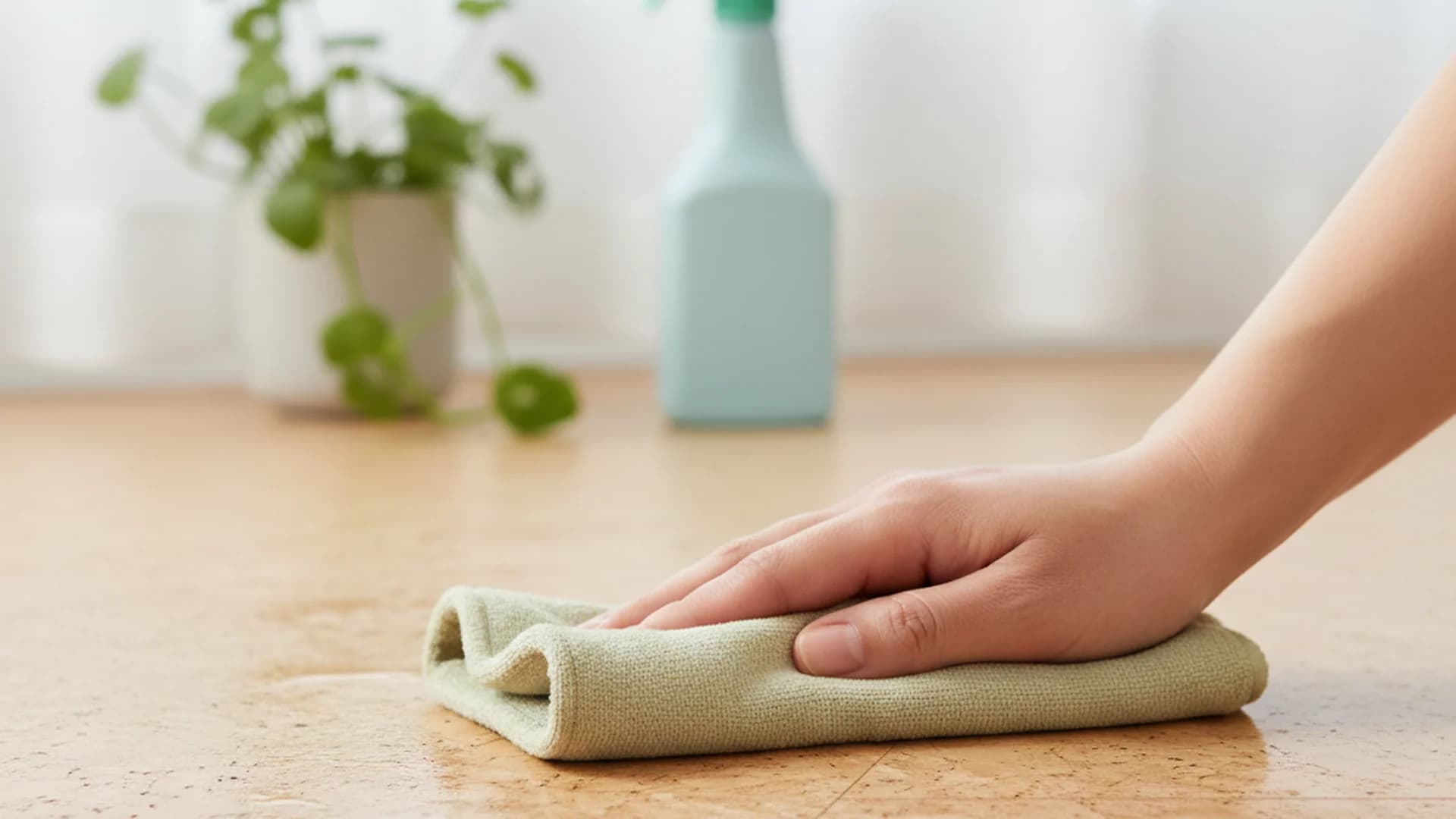
The most common mistake homeowners make is scrubbing a spill. Scrubbing spreads the liquid and "frizzes" the fiber structure, causing permanent texture damage.
Success: Use a clean white cloth. Work from the outside of the stain toward the center. This prevents the spot from expanding.
Real-World Example: The Wine Spill
Imagine a guest knocks over a glass of Cabernet on your cream-colored wool rug.
- Step 1: Blot immediately with a dry cloth.
- Step 2: Apply a mixture of one part white vinegar, one part dish soap, and two parts water.
- Step 3: Blot again. The acidity of the vinegar helps neutralize the pigment without damaging the wool’s pH balance.
The Rise of Eco-Enzymatic Cleaners
In 2025, we are seeing a massive shift toward bio-enzymatic and probiotic solutions. These cleaners contain "good" bacteria that literally eat organic matter like pet urine or food particles over a 24-hour period. They are safer for the environment and far more effective at removing odors than traditional perfumes.
Section 4: Future-Proofing and Trends for 2026
As we look toward 2026, rug care is becoming more integrated with home technology and design trends.
Layering for Longevity
A major design trend is layering a smaller, high-end patterned rug over a larger, durable jute base. This is a brilliant maintenance strategy. It protects the expensive top piece from direct floor contact and makes spot cleaning easier, as the bottom rug acts as a secondary buffer.
Rug Pads: The Unsung Hero
A high-quality rug pad is essential for more than just preventing slips. It provides vital airflow beneath the rug, which prevents moisture buildup and stops the rug's backing from grinding against the hard floor.
Tip: Look for felt-and-rubber combination pads for the best balance of cushion and grip.
Common Mistakes to Avoid
- Over-Saturating the Rug: Using too much water is a recipe for disaster. If the backing stays wet for more than 24–48 hours, mold and mildew will begin to grow, often ruining the rug and the floor beneath it.
- Using Grocery-Store Spot Cleaners: Many generic cleaners have a high pH or contain "optical brighteners." These chemicals can permanently bleach or discolor natural fibers like wool and silk.
- Neglecting to Rotate: Sunlight and foot traffic are never even. Rotate your rug 180 degrees every six months to ensure even wear and prevent "traffic lanes" from forming.
- The "Looks Clean" Myth: Just because you can't see the dirt doesn't mean it isn't there. By the time a rug looks dirty, it has likely already suffered structural damage from abrasive grit.
Frequently Asked Questions
How often should I clean my area rug?
Can I use a steam cleaner on all area rugs?
Should I vacuum the fringe of my rug?
What is the best way to dry a rug after cleaning?
Conclusion
Learning how to clean area rug collections properly is an investment in your home’s value and your family’s health. By understanding your materials, following a strict maintenance schedule, and avoiding common pitfalls like over-saturation, you can add years to the life of your rugs. Remember, a clean rug isn't just a floor covering—it's the foundation of a healthy, stress-free living environment.
Success: By implementing a two-sided vacuuming routine and using pH-neutral cleaners, you ensure your favorite rugs remain vibrant and plush for decades to come.
Cleaning that keeps score
Every task earns points, every streak multiplies them, and Premium adds a household leaderboard plus a monthly Dustagorgon to beat.
- Free forever
- 30 badges to earn
- Up to 6 in a household
No card needed. Set up your rooms in a couple of minutes.