In this article
What you’ll learn
- Use enzymatic cleaners to break down uric acid rather than just masking smells.
- Implement the N+1 rule for box placement to prevent behavioral issues.
- Transition to stainless steel or AI-powered boxes for superior hygiene in 2026.
Maintaining a clean litter box area is no longer just a standard household chore; in 2025, it has evolved into a critical component of feline health management. As our feline companions are increasingly viewed as full family members—a sentiment shared in most homes—the standards for "clean" have shifted from merely scooping clumps to maintaining a sterile, tech-integrated environment. Whether you are dealing with a single kitten or a multi-cat household, understanding the best way to clean litter box area environments ensures both your home remains odor-free and your cat stays physically healthy.
The Evolution of Feline Hygiene in 2025
The landscape of pet care is changing rapidly. We are moving away from the "hidden plastic tub" era and into an age where the litter area is a high-tech health station.
Modern cat owners are prioritizing materials that don't absorb odors and systems that monitor their pet’s wellness. If you are still using a scratched plastic box in a dark corner, you might be inadvertently contributing to your cat's stress or potential health issues like Feline Lower Urinary Tract Diseases (FLUTD).
Tip: Consider upgrading to a stainless steel litter box. Unlike plastic, stainless steel is non-porous, does not develop bacterial-trapping scratches, and can last a lifetime.
Step 1: Strategic Placement and the N+1 Rule
Before you even pick up a scrub brush, you must evaluate the location of the boxes. One of the most essential clean litter box area tips is the "N+1 Rule." This means you should always have one more litter box than you have cats.
Avoid the "Trap" Location
Cats are instinctually wary of being cornered. In the wild, elimination is a vulnerable time. If you place a litter box in a tight closet or the end of a long, narrow hallway, your cat may feel "trapped" by other pets or household noise.
Example 1: The Multi-Pet Household Imagine a home with two cats and a curious golden retriever. If the litter boxes are all in the laundry room, the dog could easily block the entrance, causing the cats to seek "safer" (and less desirable) places to go, like your living room rug. By spreading three boxes across different levels of the home in open areas with clear "flight paths," you reduce stress and keep the cleaning contained to designated zones.
Distance from Resources
Never place the litter box near food or water bowls. Cats are naturally programmed to avoid eliminating near their resources to prevent contamination. Aim for a minimum distance of 10 to 15 feet between the feeding station and the litter area.
Step 2: Daily Maintenance and the Best Way to Clean Litter Box Area
Daily maintenance is the front line of defense against household odors. To keep the area truly fresh, you need a routine that goes beyond a quick scoop.
Frequency and Depth
You should scoop at least 1–2 times daily. This isn't just for smell; it allows you to monitor your cat’s output. Sudden changes in volume or frequency can be early warning signs of kidney issues or UTIs. Maintain a consistent litter depth of 2–3 inches.
- Too shallow: Waste sticks to the bottom, creating "caking" that is difficult to scrub.
- Too deep: The surface becomes unstable, making the cat feel insecure while digging.
Leveraging 2025 Technology
The newest generation of smart litter boxes, such as the Litter-Robot 4 or Elspet Spaceship, has revolutionized daily cleaning. These units use AI-powered health analytics to weight your cat and track their habits.
Note: Many 2025–2026 automatic models now include built-in UV-C light modules. These run after each cycle to kill 99% of surface bacteria and viruses, significantly reducing the "bio-load" in your home.
Step 3: The Monthly Deep Clean Protocol
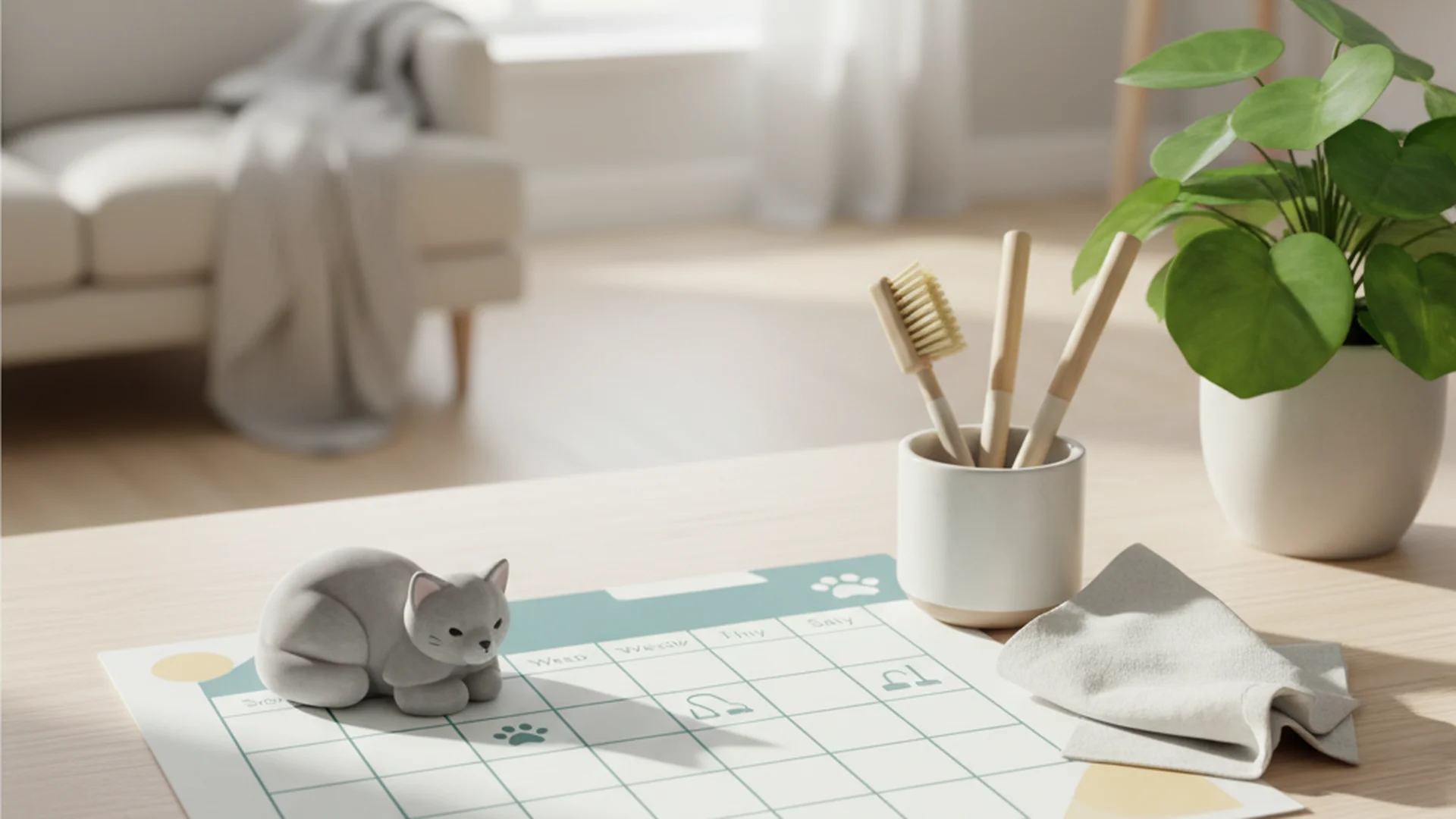
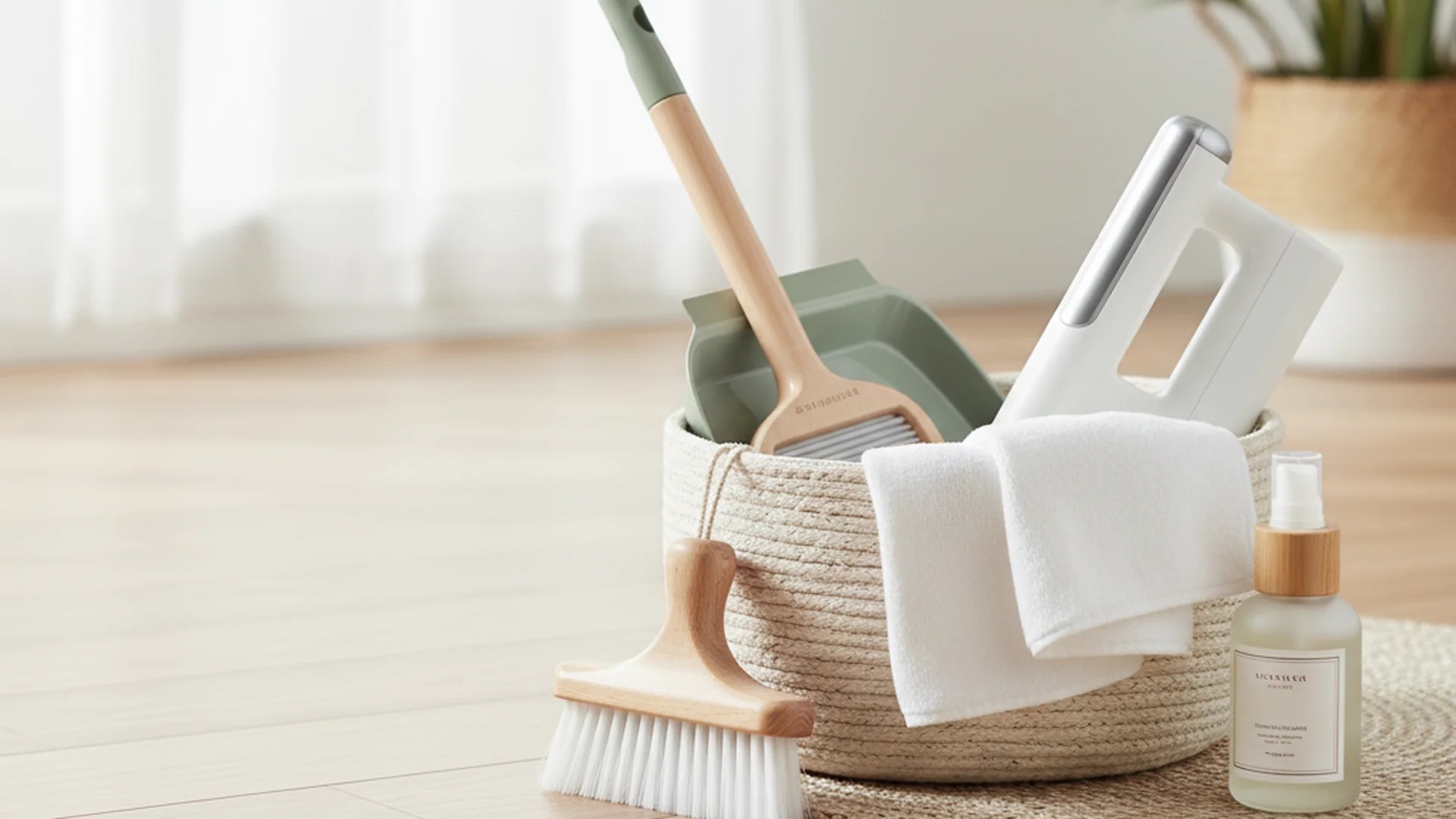
Even with daily scooping, the box and the surrounding area require a thorough deep clean every 2–4 weeks.
Empty and Inspect
Dispose of all old litter. If you use clumping litter, you might be tempted to just "top it off," but fine dust and microscopic waste particles accumulate over time. Once empty, inspect the box for deep scratches. If you are using plastic and see significant wear, it is time to replace the box, as those grooves are breeding grounds for bacteria.
The Power of Enzymatic Cleaners
This is where most homeowners make a mistake. Using standard dish soap or, worse, ammonia-based cleaners, is counterproductive.
Warning: Never use ammonia or bleach to clean a litter box area. Cat urine contains ammonia; using an ammonia-based cleaner can actually attract a cat back to the spot to "over-mark" the smell. Bleach can react dangerously with the ammonia in cat waste to create toxic fumes.
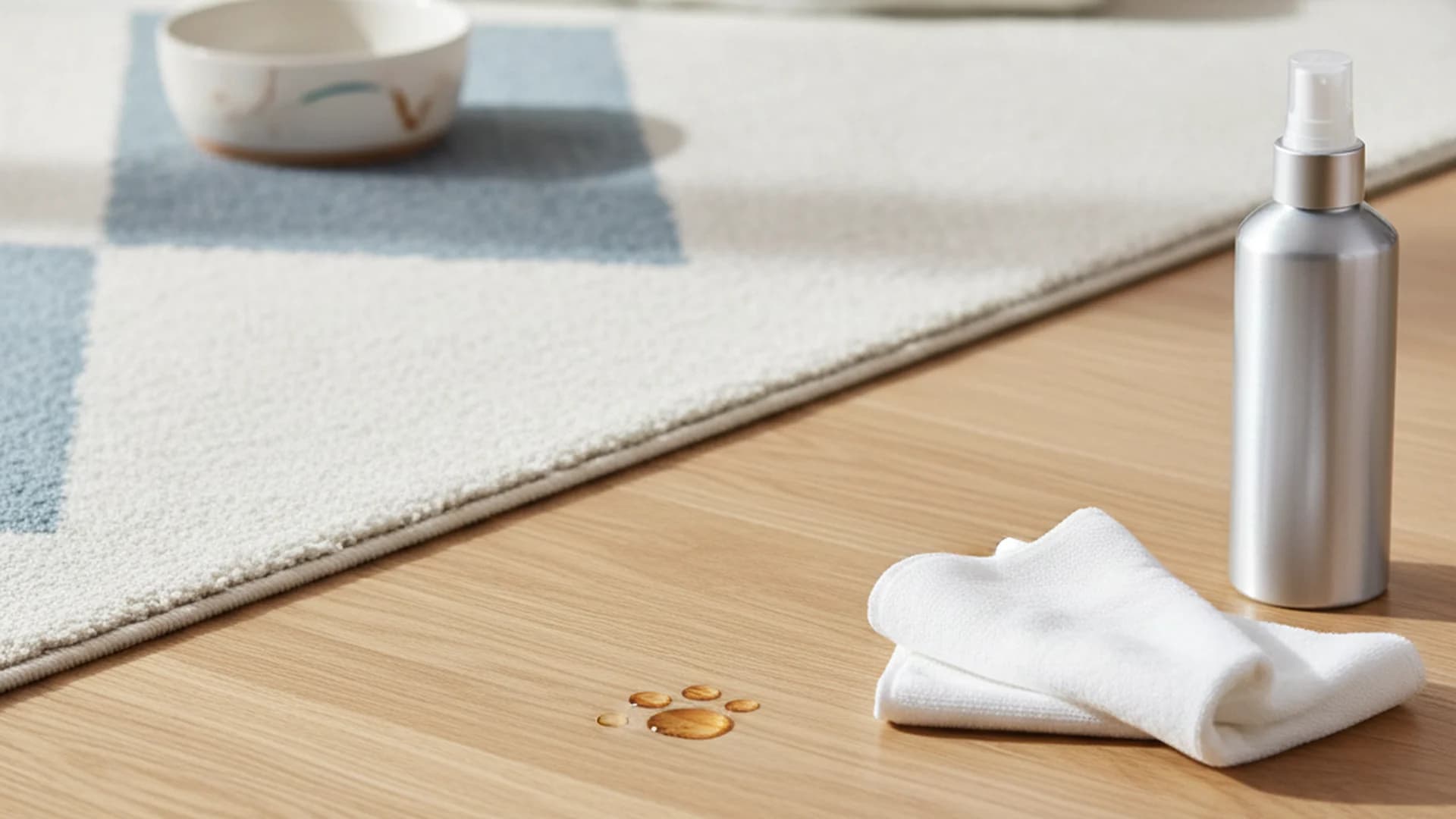
Instead, use an enzymatic cleaner. These products contain specific proteins that break down the uric acid crystals found in cat urine. This doesn't just mask the smell; it removes the chemical signature of the waste.
Example 2: The "Ghost Smell" Solution A homeowner cleaned their litter area weekly with a standard floor cleaner, yet the room always smelled faintly of urine. After switching to a professional-grade enzymatic spray on the surrounding baseboards and floor, the "ghost smell" vanished within 24 hours because the enzymes finally dissolved the dried uric acid that the floor cleaner had ignored.
| Cleaning Agent | Effectiveness | Best Use Case |
|---|---|---|
| Enzymatic Cleaner | High | Urine stains and odors |
| Dish Soap | Medium | Basic scrubbing of non-porous surfaces |
| Vinegar/Water | Low | Minor surface refreshes |
| Ammonia | Dangerous | DO NOT USE |
Step 4: Managing Litter Tracking and Air Quality
The area around the box is just as important as the box itself. Litter tracking is the number one complaint of cat owners.
Physical Barriers
To stop the spread of litter throughout your home, invest in a double-layered honeycomb mat. These mats trap grains as the cat steps out, allowing you to pour the excess back into the box easily. High-sided boxes or top-entry boxes are also excellent for "high-aimers" or cats that dig vigorously.
Air Purification
In 2025, smart home integration has made air quality management seamless. You can now link your litter box to an air purifier via platforms like Apple Home or Google Home.
Example 3: Automated Air Refresh Using a simple routine, you can set your air purifier to "Boost Mode" for 10 minutes every time the smart litter box sensor detects a visit. This captures airborne particulates and odors before they have a chance to drift into the rest of the house.
Success: Combining a honeycomb mat with a HEPA/Carbon filter air purifier can reduce visible litter tracking by 90% and eliminate 95% of airborne odors.
Common Mistakes to Avoid
- Using Scented Litter: While "Lavender Fields" might sound nice to you, a cat's sense of smell is 14 times stronger than a human's. Heavily scented litters are often aversive to cats and are a leading cause of "inappropriate elimination" (going outside the box).
- Flushing "Flushable" Litter: Even if the packaging says it is safe, most plumbers and environmentalists disagree. Cat waste can carry Toxoplasma gondii, a parasite that municipal water treatments aren't always designed to kill. Furthermore, "flushable" clay or corn can create massive blockages in older pipe systems.
- Neglecting the Walls: Cats often spray or kick litter against the nearby walls. When cleaning, always wipe down the vertical surfaces around the box with an enzymatic solution.
- Tucking the Box Away: Putting the box in the basement or a dark utility room makes it "out of sight, out of mind" for the owner, leading to skipped cleanings. It also makes the box less accessible for senior cats with arthritis.
Frequently Asked Questions
How often should I actually clean the litter box?
Is it okay to flush cat litter down the toilet?
How do I get rid of the lingering smell around the box?
What is the best way to stop litter tracking?
Conclusion
Mastering the best way to clean litter box area environments is a blend of traditional hygiene and modern technology. By shifting your perspective from viewing the litter box as a hidden nuisance to seeing it as a vital health-monitoring station, you improve the quality of life for both yourself and your cat. Remember to stick to the N+1 rule, prioritize enzymatic cleaners over harsh chemicals, and consider the benefits of non-porous materials like stainless steel.
As we move into 2026, the integration of AI and UV-C sterilization will make these tasks even easier, but the core principles of consistency and feline-centric design remain the foundation of a clean home.
Success: A clean, well-placed litter area reduces feline stress, prevents medical issues, and keeps your home smelling fresh and welcoming.
Cleaning that keeps score
Every task earns points, every streak multiplies them, and Premium adds a household leaderboard plus a monthly Dustagorgon to beat.
- Free forever
- 30 badges to earn
- Up to 6 in a household
No card needed. Set up your rooms in a couple of minutes.