In this article
What you’ll learn
- Pet beds are top 10 germ hotspots requiring weekly washing.
- Never machine wash memory foam; use steam or spot cleaning instead.
- Adding white vinegar and using enzymatic cleaners are essential for odor removal.
As a pet owner, you likely spend plenty of time vacuuming floors and brushing fur, but when was the last time you took a hard look at where your furry friend sleeps? Learning how to effectively clean pet bed materials is more than just a chore; it is a critical component of home hygiene. Research from the University of Arizona has identified pet bedding as one of the top ten germiest spots in the average household—often harboring more bacteria than your kitchen counters.
Whether you have a golden retriever who loves mud or a cat that enjoys a pristine nap spot, maintaining a clean sleeping environment is essential for preventing the spread of pathogens like Salmonella and Staphylococcus aureus. In this guide, we will explore the best way clean pet bed setups can be managed to ensure your home stays fresh and your pets stay healthy.
Why Pet Bed Hygiene is Non-Negotiable
It is easy to overlook a pet bed because the dirt is often "hidden" within the fibers. However, the internal environment of a dog or cat bed is a breeding ground for more than just hair. Studies have found that approximately 14% of pet sleeping areas harbor flea eggs or larvae, even when it isn't peak flea season.
Furthermore, the gap between expert recommendations and owner habits is significant. While veterinarians suggest a weekly wash, most pet owners get to it only a few times a year—and plenty of owners admit they have never washed their pet’s bed at all. Neglecting this task allows oils from your pet's skin to accumulate, which eventually breaks down the bedding fibers and reduces the bed's lifespan by up to 50%.
Note: Regular cleaning doesn't just kill germs; it prevents the breakdown of expensive memory foam and high-loft polyester fills.
The Best Way to Clean a Pet Bed: A Step-by-Step Guide
To achieve a truly deep clean, you cannot simply throw the bed into the machine and hope for the best. Following a structured process ensures you remove allergens without damaging the materials.
Step 1: Pre-Wash Vacuuming
This is the most skipped but vital step in any clean pet bed tips list. Use a vacuum with a HEPA filter or a specialized pet hair tool to remove fur before it gets wet. When pet hair meets water in a washing machine, it tends to clump together, which can clog your machine's drain or stick to the fabric in hard-to-remove "hair felt" patches.
Step 2: Stain Pre-treatment
If your pet has had an accident or brought in mud, use an enzymatic cleaner. These cleaners are designed to break down the proteins in organic waste like urine, vomit, or drool.
Step 3: Choosing the Right Detergent and Cycle
Many standard laundry detergents contain fragrances and dyes that can cause skin rashes or respiratory irritation in pets. Opt for a "free and clear" detergent or one specifically labeled pet-safe.
Warning: Avoid fabric softeners. They often contain chemicals that can be toxic to pets if they lick the bedding, and they can reduce the flame-retardant properties of certain fabrics.
Step 4: The Wash Cycle
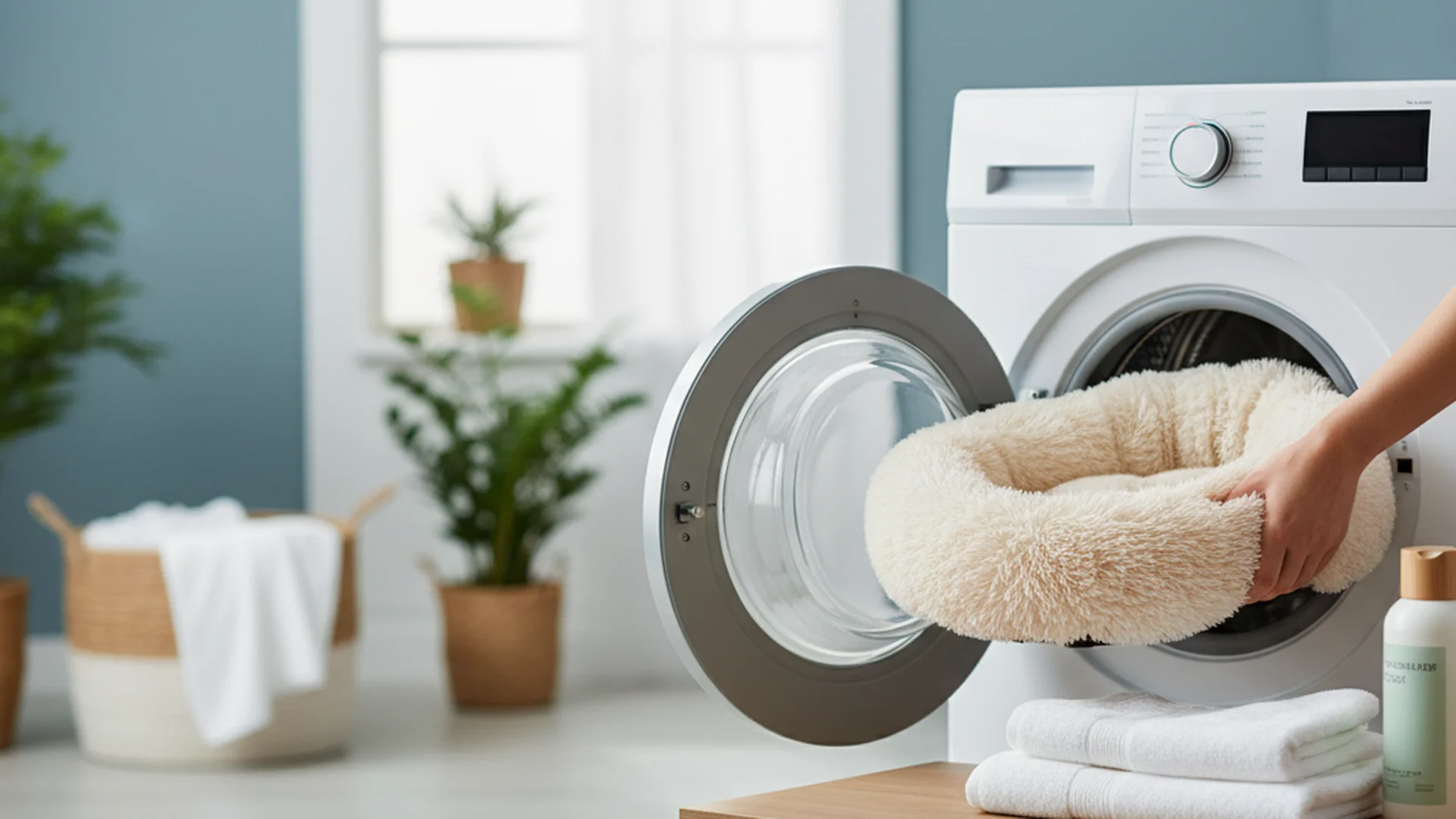
To kill dust mites and bacteria, use hot water (at least 140°F or 60°C), provided the care label allows it. For a natural boost, add 1/2 cup of white vinegar to the rinse cycle. Vinegar acts as a natural deodorizer and helps break down the "doggy smell" caused by skin oils better than detergent alone.
| Material Type | Recommended Temperature | Drying Method |
|---|---|---|
| Polyester/Cotton | Hot (140°F) | Tumble Dry Low |
| Memory Foam | Spot Clean Only | Air Dry Only |
| Faux Fur | Cold/Gentle | Air Dry/Fluff |
| Sustainable Fill | Warm (100°F) | Air Dry |
Special Care for Memory Foam and Bulky Beds
Not all beds are created equal. If you own a high-end memory foam orthopedic bed, putting it in a washing machine is a recipe for disaster. The mechanical agitation can tear the foam, and the high-speed spin cycle can cause it to lose its structural integrity.
For memory foam:
- Remove the cover: Wash the cover in the machine according to the instructions above.
- Baking Soda Refresh: Sprinkle the inner foam with baking soda and let it sit for at least two hours. This absorbs moisture and odors.
- Vacuum: Thoroughly vacuum the foam to remove the baking soda and any trapped dust.
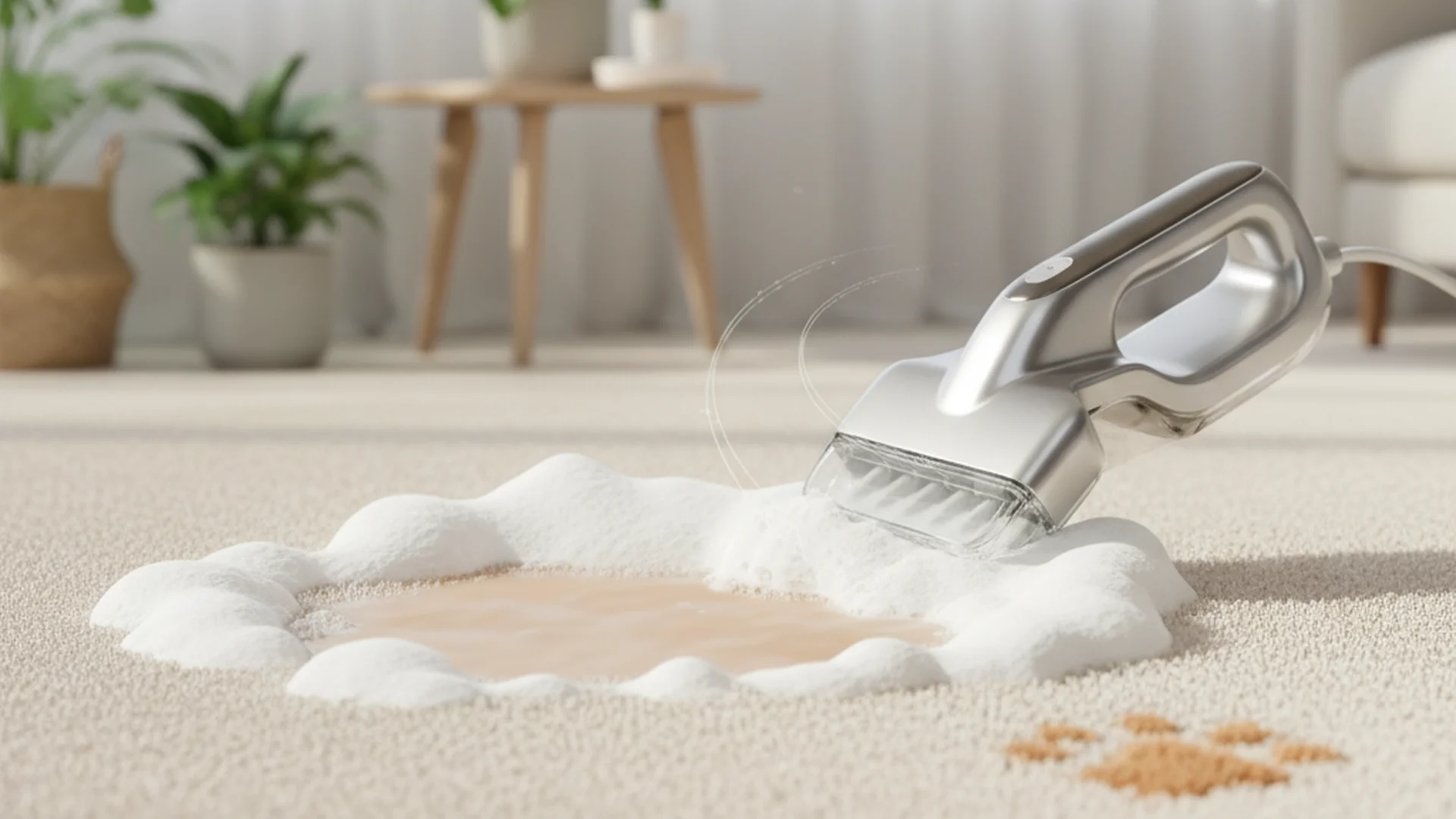
- Steam Clean: Use a handheld steamer to kill bacteria on the surface of the foam without soaking it.
Tip: If the internal cushion of a non-foam bed is too bulky for your machine, take it to a laundromat to use an industrial-sized front-loading washer.
Real-World Examples of Pet Bed Maintenance
Example 1: The "After-Park" Deep Clean
Imagine your dog has just spent three hours at a muddy dog park. Their bed isn't just dirty; it's potentially carrying external parasites. In this scenario, a "vinegar boost" is essential. By pre-treating the mud with a soft brush and then running a high-heat cycle with white vinegar, you ensure that no hitchhiking fleas or ticks survive the process.
Example 2: The Senior Pet Memory Foam Care
Senior pets often have "leaky" bladders or skin issues. A home organization expert would recommend using a waterproof liner between the foam and the cover. When cleaning, you only need to wash the cover and the liner, keeping the expensive foam pristine and odor-free for years.
Example 3: Managing Seasonal Allergies
If your cat or dog suffers from seasonal itching, pollen can get trapped in their bed. During high-pollen months, increasing the cleaning frequency to twice a week and using a "Pet Care" steam cycle (available on many 2025/2026 LG or Maytag models) can significantly reduce their symptoms by removing 99% of allergens.
Common Mistakes to Avoid
Even well-intentioned pet owners make mistakes that can ruin bedding or leave germs behind.
- Detergent Overload: Using too much soap can leave a sticky residue that actually attracts more dirt over time and irritates your pet's skin.
- Ignoring the Machine Filter: Washing pet beds frequently puts a strain on your washing machine. You must clean your machine's lint trap and drum filter every 2–3 cycles to prevent mechanical failure from hair buildup.
- The "Spot Clean Only" Trap: Many owners buy beds labeled "spot clean only" and never deep clean them. These beds eventually become "superspreaders" for germs. If a bed can't be deep cleaned, consider it a disposable item or use a washable cover.
- The Scent Misconception: Thinking a "fresh floral scent" means a bed is clean. Artificial scents mask underlying bacteria; a truly clean pet bed should have a neutral, scent-free odor.
Success: Regularly sun-drying your pet's bed. UV rays act as a natural disinfectant to kill remaining bacteria and mold spores that the wash might have missed.
Recent Trends in Pet Bedding (2025–2026)
The world of pet care is evolving rapidly. In 2025 and 2026, we have seen a massive shift toward "Pet Pro" laundry technology. Major brands like Maytag and LG have released machines with specialized filters that capture 5x more pet hair than standard models.
Furthermore, keep an eye out for probiotic-infused fabrics. This 2026 trend features "Smart Suede" and other materials that actively repel odors and inhibit bacterial growth. These innovations are designed to extend the time between washes while maintaining a high level of hygiene. We are also seeing a rise in National Pet Bedding Hygiene Awareness Day (July 10, 2026), which serves as a seasonal reminder to deep-clean your pet's entire sleeping zone.
Frequently Asked Questions
How often should I wash my pet’s bed?
Can I put a memory foam bed in the washing machine?
Is regular laundry detergent safe for pets?
What temperature should I use to kill germs?
How can I get rid of the "wet dog" smell in a bed?
Conclusion
Cleaning your pet's bed is a vital part of being a responsible pet owner. By moving beyond the "spot clean" and embracing a weekly deep-clean routine, you protect your family from harmful pathogens and ensure your pet has a comfortable, healthy place to rest. From using the "vinegar boost" to investing in the latest 2026 pet-pro laundry technology, these small steps make a massive difference in your home's overall cleanliness.
Cleaning that keeps score
Every task earns points, every streak multiplies them, and Premium adds a household leaderboard plus a monthly Dustagorgon to beat.
- Free forever
- 30 badges to earn
- Up to 6 in a household
No card needed. Set up your rooms in a couple of minutes.